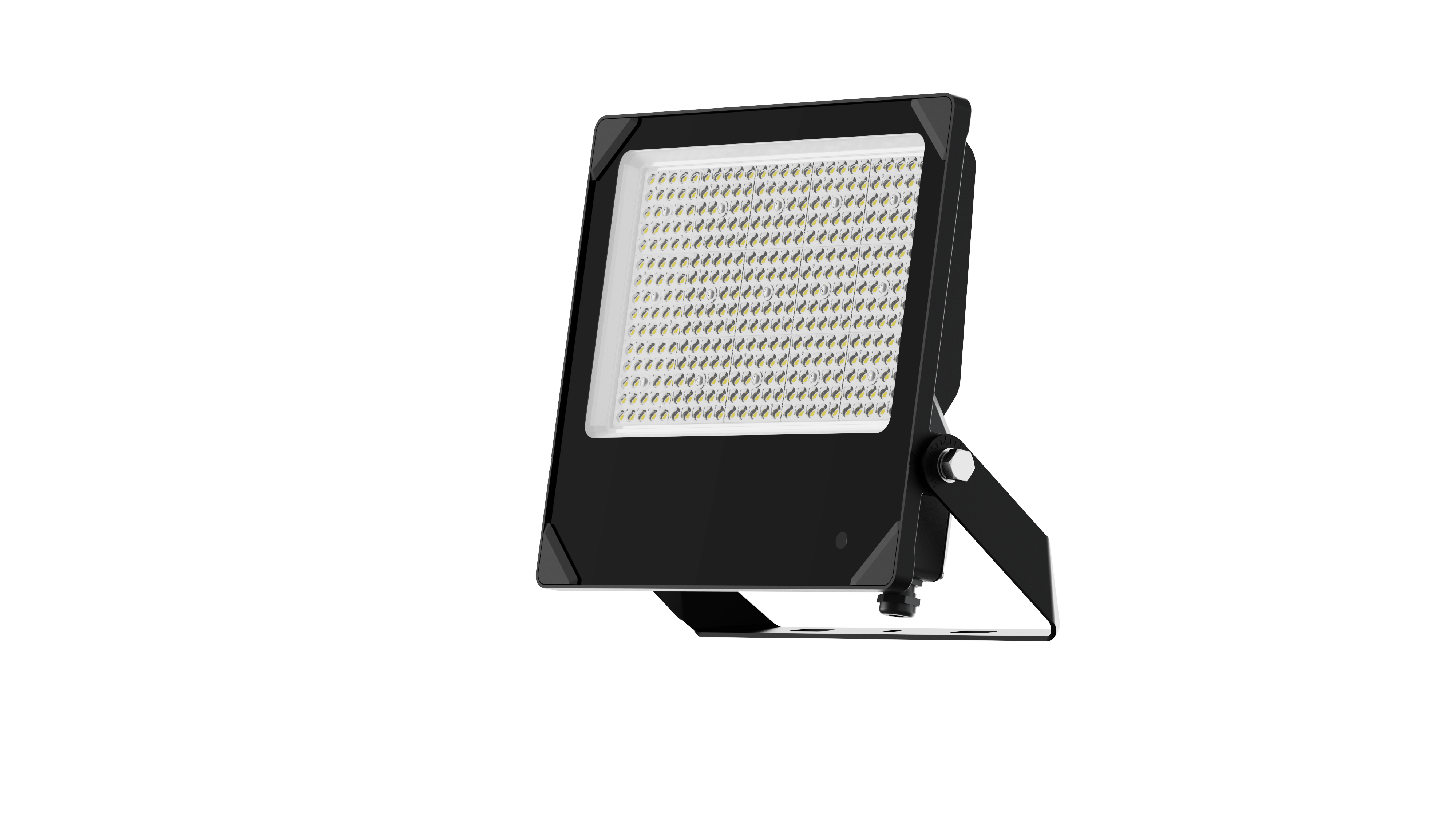
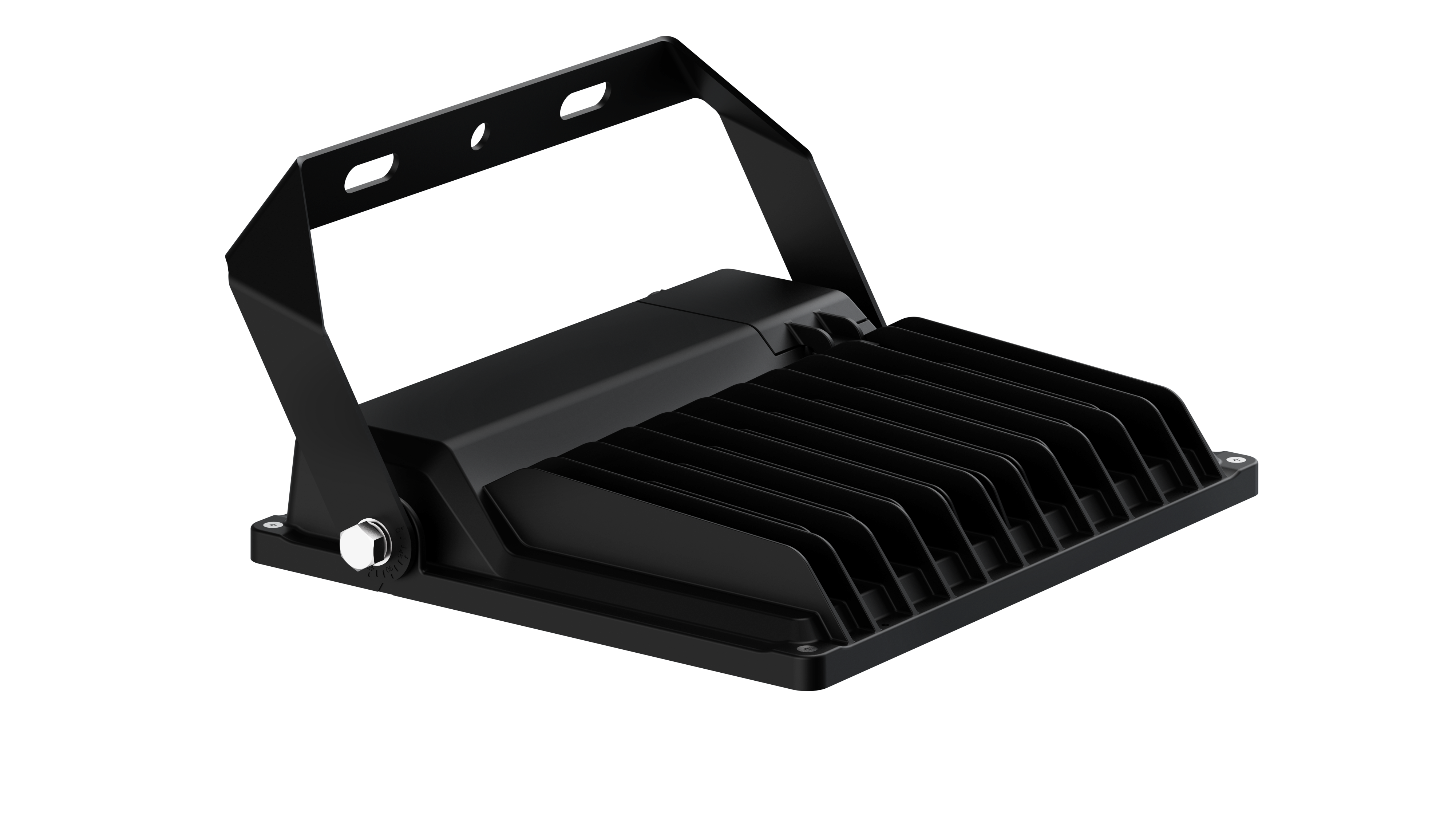
stadium lighting
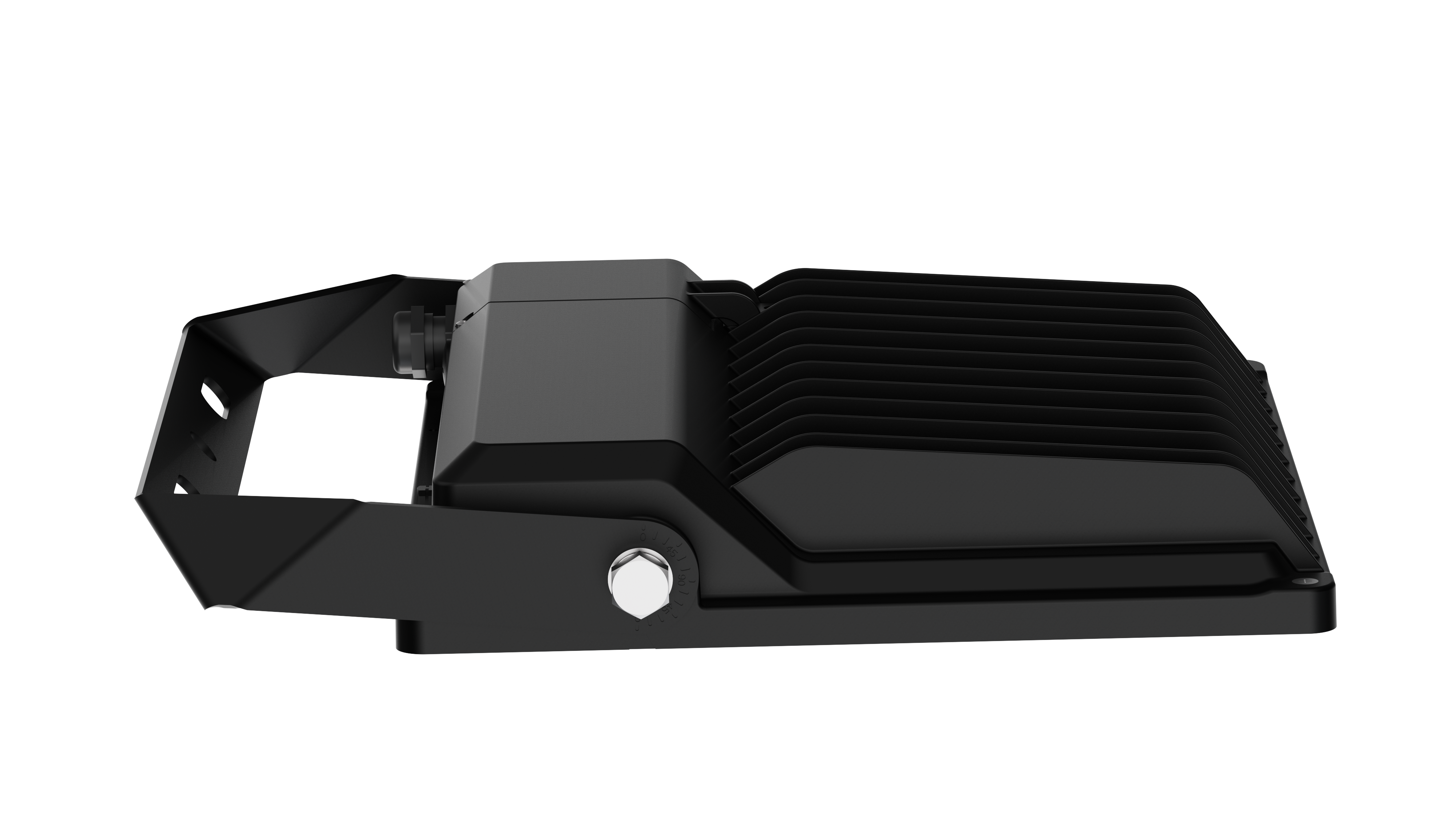
Stadium lighting is a specialized lighting system designed to meet the demanding requirements of large-scale sports venues, entertainment arenas, and multi-purpose facilities. Unlike conventional lighting solutions, stadium lighting must deliver powerful, uniform illumination across vast playing surfaces while simultaneously serving the needs of athletes, spectators, broadcast crews, and facility operators. The primary function of stadium lighting is to ensure that every corner of the playing field receives consistent, high-quality light that supports both performance and safety. Athletes rely on precise visibility to track fast-moving objects, judge distances accurately, and react quickly, making the quality of stadium lighting a direct factor in competitive performance. Modern stadium lighting systems are built around advanced LED technology, which has revolutionized the industry by offering superior energy efficiency, longer operational lifespans, and dramatically improved light quality compared to older metal halide or high-pressure sodium fixtures. LED stadium lighting systems can achieve color rendering index values above 80, and premium systems often reach CRI 90 or higher, ensuring that colors appear vivid and true-to-life both for in-person audiences and television broadcasts. High-definition broadcasting demands lighting systems capable of supporting frame rates of 1000 frames per second or more without flickering, and modern stadium lighting meets this requirement through advanced driver technology that eliminates visible flicker entirely. Thermal management is another critical technological feature, as stadium lighting fixtures must operate reliably under continuous high-output conditions without overheating, which is achieved through precision-engineered heat sinks and intelligent thermal control systems. Stadium lighting finds application across a wide range of venues including professional football stadiums, basketball arenas, baseball parks, athletics tracks, tennis courts, aquatic centers, and multi-use entertainment complexes. It is also used in training facilities, esports arenas, and temporary event spaces where portable high-output lighting solutions are required. Smart control systems allow operators to program lighting scenes, adjust intensity levels, and synchronize light shows with music or broadcast schedules, adding an entertainment dimension that enhances the overall spectator experience. The combination of performance, efficiency, and versatility makes stadium lighting an essential infrastructure investment for any world-class sports or entertainment facility.

 EN
EN