
 EN
EN
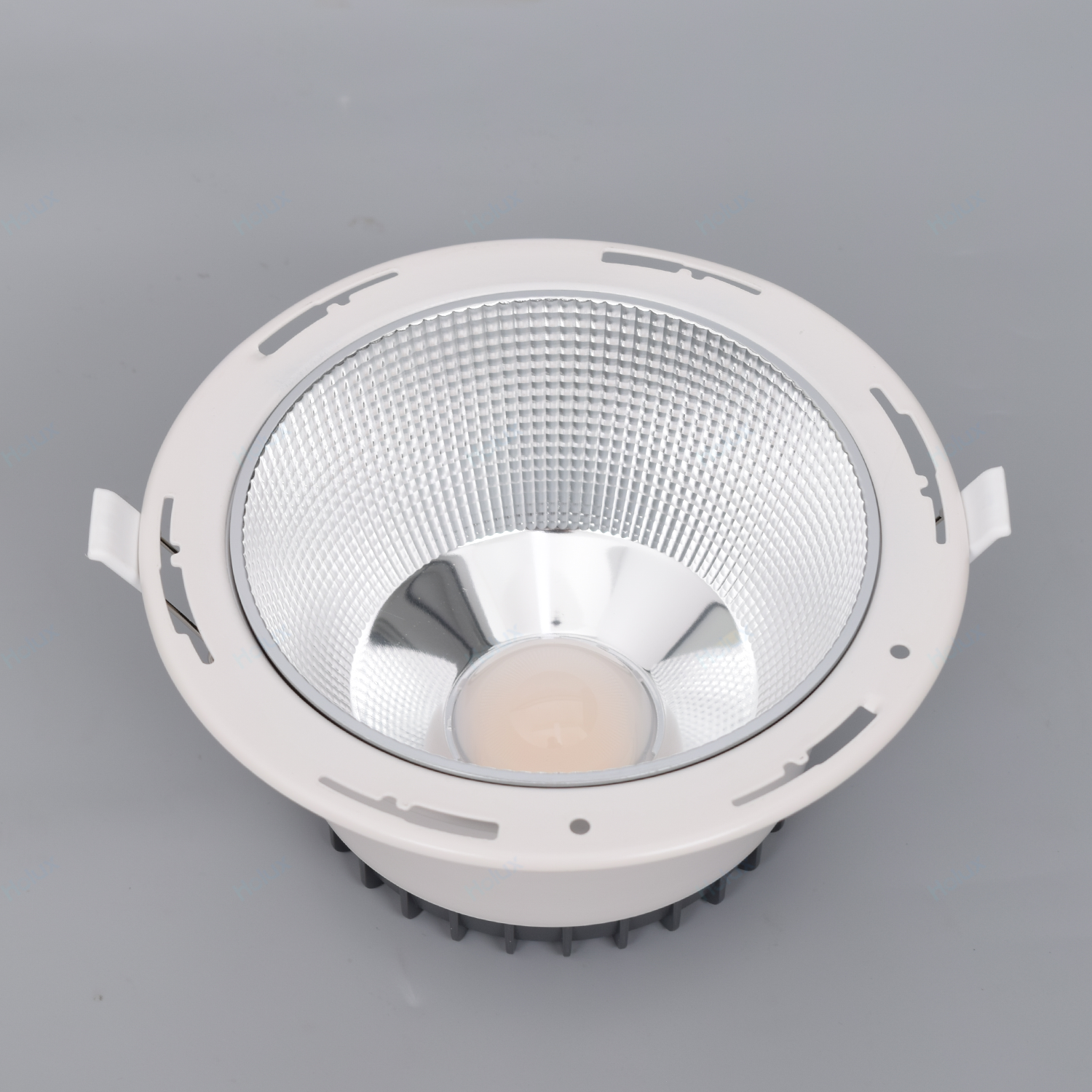
Architects and lighting designers face a critical decision when planning layered lighting schemes: selecting the right downlight for each functional and aesthetic layer. A downlight serves multiple roles in modern interior design, from providing ambient illumination to creating focused accent effects that enhance spatial hierarchy and visual interest. The choice of which downlight to install involves understanding not only technical specifications but also the interplay between brightness, color temperature, beam angle, and mounting depth. Without thoughtful downlight selection, even well-conceived layered lighting designs can fall flat, creating spaces that feel either too harsh, too dim, or visually disconnected.
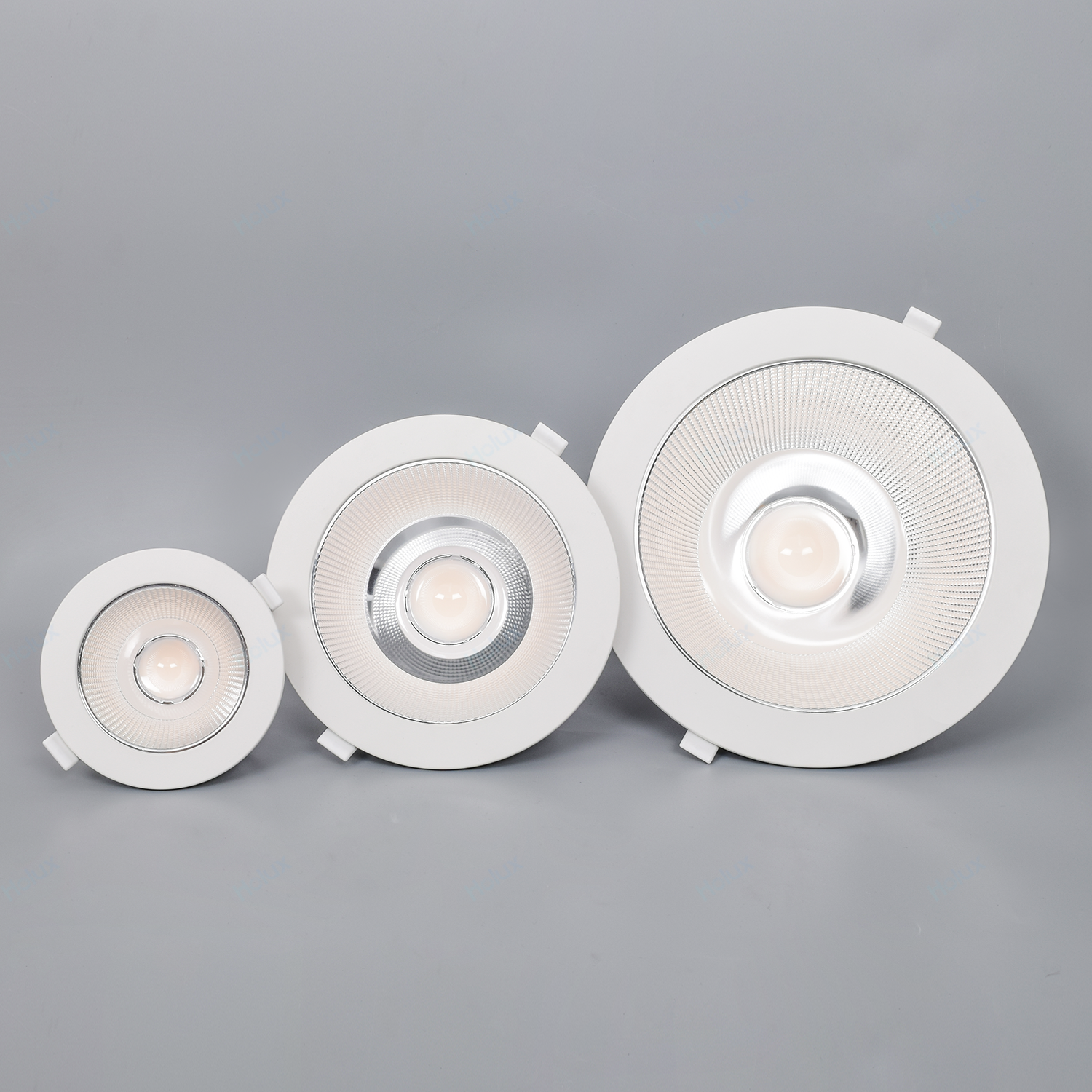
Layered lighting design requires multiple types of light sources working in harmony: ambient illumination for general visibility, task lighting for focused work areas, and accent lighting for visual drama and emphasis. A properly chosen downlight contributes to each of these layers, and the selection process demands careful consideration of the space's architecture, the intended mood, the objects or surfaces to be highlighted, and the occupants' activities. Understanding how to evaluate and choose the right downlight is essential for architects who want to deliver sophisticated, functional, and visually compelling interiors.
Understanding Downlight Roles in Layered Lighting Schemes
Defining the Downlight in Architectural Context
A downlight is a light fixture installed in ceilings or upper walls that directs illumination downward, typically using a recessed or surface-mounted design. The downlight has become a cornerstone of modern layered lighting because it offers precise directional control, clean visual integration into ceiling planes, and flexible dimming and color options. Unlike pendant lights or wall-mounted sconces, a downlight operates with minimal visual intrusion, allowing designers to control the spatial narrative through light distribution rather than fixture visibility. In layered lighting design, a downlight can serve as ambient fill light, task light, or accent light depending on its brightness, beam angle, and color temperature.
The Strategic Role of Downlight in Multiple Layers
Within a layered lighting strategy, a downlight performs distinct functions across ambient, task, and accent layers. For ambient layer coverage, the downlight provides general illumination that ensures safety and basic visual comfort. When focused as task lighting, a downlight with a narrower beam angle concentrates light on work surfaces, desks, or dining tables. As accent lighting, a downlight with specialized optics and warm color temperatures can highlight architectural features, artwork, or merchandise displays. Selecting the right downlight for each layer requires architects to balance lumen output, beam spread, color rendering, and dimming capability to create a cohesive and responsive lighting environment.
Key Technical Factors for Downlight Selection
Brightness, Lumens, and Beam Angle Considerations
The brightness of a downlight is measured in lumens, and the beam angle determines how that light spreads across a surface. A narrow-beam downlight, typically 24 to 40 degrees, concentrates light for accent and task purposes, creating focused pools that draw attention to specific areas. A medium-beam downlight, ranging from 40 to 60 degrees, provides balanced coverage suitable for general ambient lighting in residential and commercial spaces. A wide-beam downlight exceeding 60 degrees offers broad ambient coverage and reduces the number of fixtures needed for even illumination. When architects choose a downlight for layered lighting, they must align beam angle with ceiling height, fixture spacing, and the desired visual effect to avoid dark spots, overlapping shadows, or wasted spillover light.
Color Temperature and CRI for Design Intent
Color temperature profoundly influences how a downlight affects spatial perception and mood. A warm color temperature downlight, around 2700 Kelvin, creates intimate, comfortable atmospheres ideal for residential spaces, hospitality environments, and accent lighting on architectural details. A neutral downlight around 4000 Kelvin supports task work and general commercial applications where clarity and alertness are priorities. A cool downlight above 5000 Kelvin is reserved for technical, retail, or specialized environments. Color Rendering Index (CRI) determines how accurately colors appear under a downlight; high CRI values, 90 and above, ensure that artwork, textiles, and food products display their true colors. Architects must coordinate downlight color temperature across layers to maintain visual harmony while using temperature variation strategically to guide attention and define spatial zones.
Mounting Depth and Fixture Type Optimization
The depth of a downlight fixture affects both the architectural integration and the light distribution pattern. A shallow-recessed downlight fits into thin ceiling structures and modern drop ceilings, making it practical for renovation projects and contemporary interiors where minimal ceiling thickness is available. A standard-depth downlight offers more room for sophisticated optical systems and larger beam angles, providing architects with greater flexibility in achieving desired light patterns. Surface-mounted downlight options bypass the need for ceiling cavities altogether, valuable in spaces with solid concrete ceilings or heritage buildings where recessing is impractical. When selecting a downlight, architects must verify ceiling construction depth, available mounting space, and heat dissipation requirements to ensure proper installation and long-term performance.
Practical Downlight Selection Strategy for Architects
Evaluating Space Function and User Needs
Before choosing a downlight, architects must clearly identify the space function and the visual hierarchy required. A retail environment may require a downlight with high CRI and a cool-to-neutral temperature to showcase merchandise accurately, while a restaurant may demand a warm downlight that flatters skin tones and creates appetite appeal. A home office needs task-focused downlight with sufficient lumens to reduce eye strain during work, whereas a bedroom benefits from dimmable downlight that can transition from bright to soft ambient lighting. A commercial lobby or retail gallery might employ accent downlight with narrow beam angles to spotlight architectural features or displayed products. Understanding these functional requirements guides the downlight specification toward brightness, beam angle, color temperature, and control options that truly serve the space and its occupants.
Calculating Fixture Spacing and Coverage Patterns
Proper downlight spacing ensures even illumination and prevents dark zones or excessive overlaps that waste energy and create visual confusion. For ambient layer coverage, architects typically apply the rule of fixture spacing equal to 1.0 to 1.5 times the mounting height above the work plane; a downlight mounted 9 feet high might have fixtures spaced 9 to 13.5 feet apart depending on beam angle and desired uniformity. Accent downlight can be spaced closer together to create dramatic pools of light, or positioned strategically to graze architectural surfaces. Task downlight over work surfaces should position a downlight directly above the task area with sufficient beam angle to illuminate the entire work zone without casting worker shadows. Architects should use lighting simulation software or manual calculations to map downlight positions, verify coverage, and confirm that the planned downlight arrangement meets illuminance targets and avoids undesirable dark or bright spots.
Integration with Control and Dimming Systems
A downlight becomes truly effective within a layered lighting design when it integrates with intelligent control systems that allow dimming, color tuning, and scene creation. Selecting a downlight that supports DALI, DMX, or wireless control protocols enables architects to program the downlight to respond to occupancy, daylight levels, time of day, and user preference. A downlight with three-channel color-mixing capability, sometimes called tunable white or color-tunable downlight, allows designers to shift color temperature from warm to cool throughout the day, supporting circadian rhythm and mood variation. Scene presets programmed into the control system can activate specific downlight combinations for different times or activities: morning energy boost with cooler downlight, afternoon focus with medium downlight, evening relaxation with warm downlight. This layer of sophistication transforms the downlight from a static light source into a dynamic component of an adaptive, responsive interior environment.
FAQ
What is the ideal brightness range for a downlight in general ambient lighting?
For ambient illumination, most commercial and residential spaces benefit from downlight providing 200 to 500 lumens per fixture, depending on ceiling height and downlight spacing. The specific lumen output needed for a downlight depends on the area to be illuminated; lower lumen downlight suits smaller, intimate spaces or accent purposes, while higher lumen downlight covers larger open areas. A professional lighting calculation accounts for downlight placement, beam angle, surface reflectance, and maintenance factors to determine the precise lumen requirement for a downlight in each zone.
How does beam angle affect downlight performance in layered lighting?
Beam angle directly determines how widely a downlight spreads light across a surface and how intense the center of the beam appears. A narrow-beam downlight (24 to 40 degrees) creates focused accent effects and task lighting with bright centers and darker edges, while a wide-beam downlight (60 degrees or more) distributes light evenly for ambient fill with gentler gradation. Architects select downlight beam angle based on the intended layer: narrow for drama and focus, medium for balanced coverage, and wide for soft, even ambient light that minimizes shadows and provides comfortable general illumination.
Can a single downlight product work across multiple lighting layers?
Yes, modern dimmable downlight with adjustable color temperature and moderate beam angles can serve multiple roles within a layered lighting scheme. A downlight that offers dimming range from 10 percent to 100 percent brightness and color temperature flexibility from 2700 to 4000 Kelvin can function as ambient fill at full brightness and neutral temperature, then become warm accent lighting when dimmed and color-shifted. However, most sophisticated layered lighting designs combine multiple downlight products and types to optimize performance across each layer, ensuring that each downlight in the design excels at its specific purpose rather than compromising to serve multiple roles equally.