Daylight Sensor High Bay Lights: Smart, Energy-Saving LED Lighting for Industrial and Commercial Spaces

Get a Free Quote

Our representative will contact you soon.
Email
Name
Company Name
Message
0/1000

daylight sensor high bay

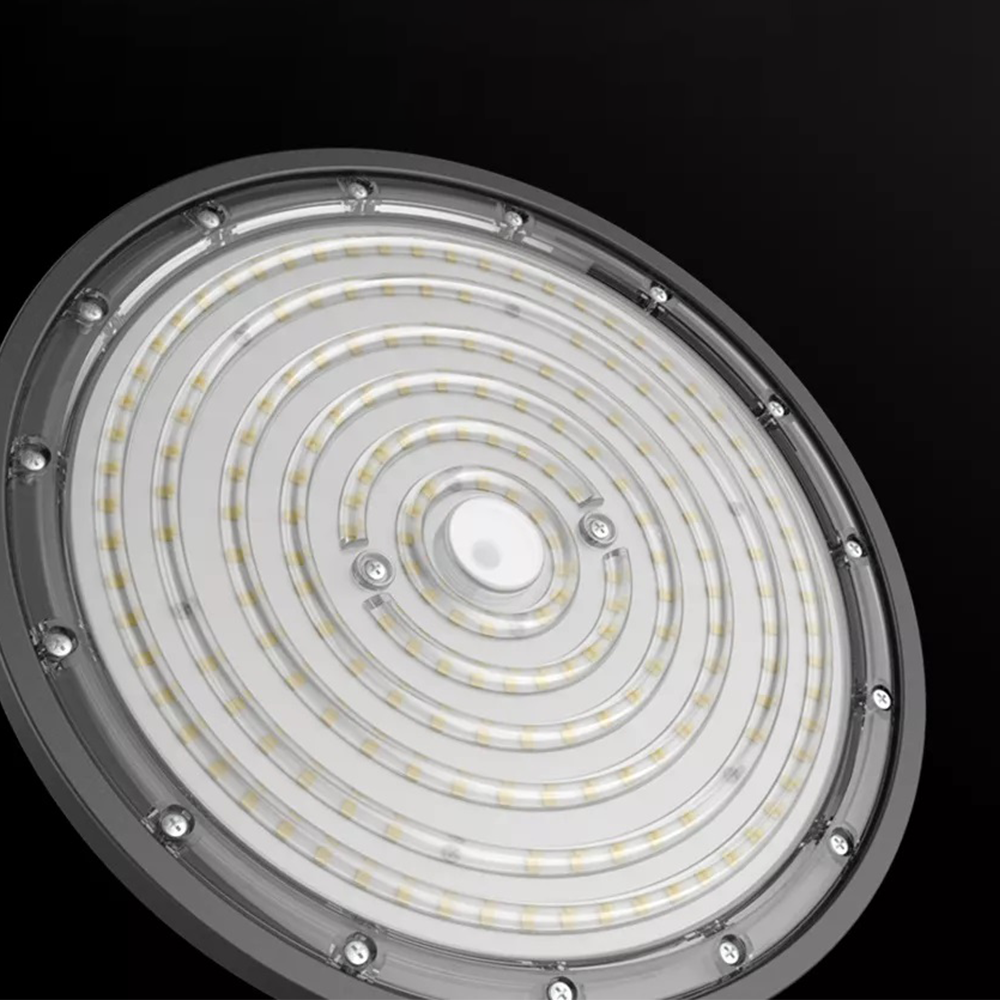
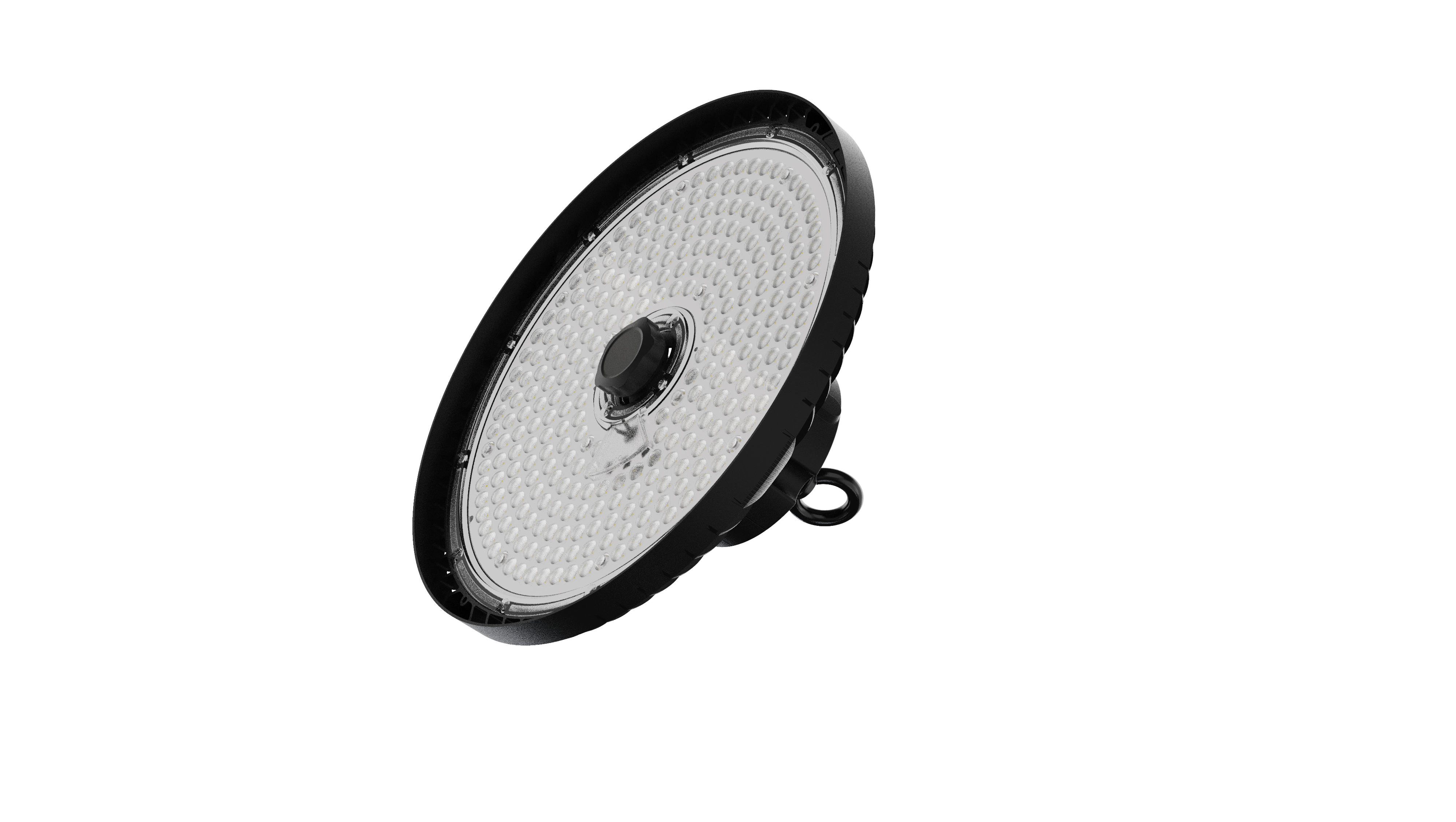
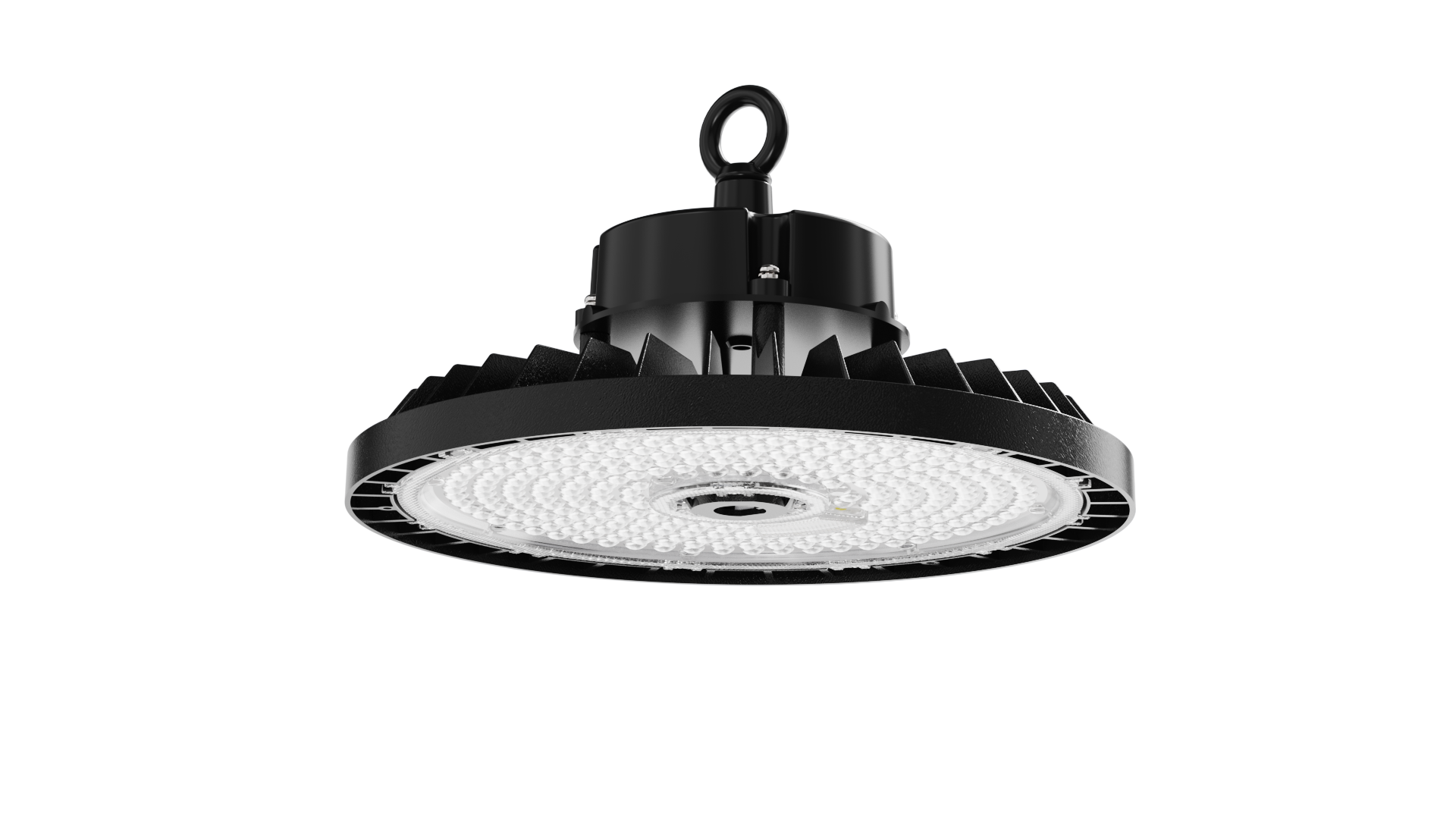
The daylight sensor high bay is a smart lighting solution engineered for large indoor spaces that require powerful, energy-conscious illumination. Designed primarily for warehouses, manufacturing plants, gymnasiums, distribution centers, and retail spaces with high ceilings, this fixture combines robust light output with intelligent sensing technology to deliver consistent, efficient performance around the clock. At its core, the daylight sensor high bay uses a built-in photosensor to continuously monitor ambient light levels in the surrounding environment. When natural daylight enters the space through skylights, windows, or roof panels, the sensor detects the increase in brightness and automatically dims or adjusts the artificial light output accordingly. This real-time response ensures that the total light level in the space remains stable and comfortable, regardless of changing outdoor conditions throughout the day. From a technological standpoint, the daylight sensor high bay typically integrates LED light engines with high luminous efficacy, often exceeding 150 lumens per watt. The photosensor is calibrated to respond within a defined lux range, and many models also incorporate motion detection capabilities, allowing the fixture to power down or enter a low-power standby mode when no occupants are present. Advanced models support DALI or 0-10V dimming protocols, enabling seamless integration with building management systems and centralized lighting controls. The fixture housing is usually constructed from die-cast aluminum or high-grade polycarbonate, offering durability in demanding industrial environments. IP65 or higher ratings are common, providing protection against dust and moisture. Color rendering index values of 80 or above ensure that colors appear accurate and true under the light, which is critical in quality control and manufacturing settings. The daylight sensor high bay represents a convergence of energy efficiency, smart automation, and industrial-grade durability, making it a forward-thinking choice for facility managers and building owners who want to reduce operating costs while maintaining high-quality lighting standards across large, challenging spaces.

New Products

Switching to a daylight sensor high bay brings a set of real, measurable benefits that directly affect your bottom line and the comfort of everyone working in your facility. Here is a clear breakdown of what you gain when you make this upgrade. First, you save a significant amount of energy every single month. The daylight sensor high bay automatically reduces its light output when sunlight is already brightening the space. Instead of running at full power all day regardless of conditions, the fixture only uses the energy it actually needs. In facilities with skylights or large windows, this can translate to energy savings of 30 to 60 percent compared to fixed-output lighting systems. Over the course of a year, those savings add up to a substantial reduction in your electricity bill. Second, your lighting system requires far less maintenance. LED-based daylight sensor high bay fixtures have operational lifespans that often exceed 50,000 hours. Because the dimming function reduces the stress on the light source during bright daytime hours, the actual lifespan of the fixture extends even further. Fewer replacements mean lower labor costs and less disruption to your operations. Third, the daylight sensor high bay creates a more comfortable and productive work environment. Consistent light levels reduce eye strain and fatigue for workers who spend long hours under artificial lighting. When the light automatically adjusts to match natural conditions, the transition feels seamless and natural rather than harsh or jarring. Studies consistently show that stable, well-calibrated lighting improves worker focus, reduces errors, and supports overall wellbeing. Fourth, installation and integration are straightforward. Most daylight sensor high bay models are designed as direct replacements for older metal halide or fluorescent high bay fixtures. The sensor is factory-installed and pre-calibrated, so you do not need specialized technicians or complex commissioning processes to get the system running. For facilities that want deeper control, compatibility with 0-10V dimming and DALI systems means the daylight sensor high bay can plug into existing building automation infrastructure without major overhauls. Fifth, the daylight sensor high bay supports your sustainability goals. Reducing energy consumption lowers your facility's carbon footprint, which matters to regulators, customers, and stakeholders who are paying closer attention to environmental performance. Many utility companies also offer rebates and incentives for installing smart, energy-efficient lighting, which can offset the upfront cost of the upgrade and shorten your payback period considerably. Sixth, the fixture performs reliably in tough conditions. Industrial environments expose lighting equipment to dust, vibration, humidity, and temperature swings. The daylight sensor high bay is built to handle all of these challenges, with rugged housings, sealed optics, and components rated for wide operating temperature ranges. You get consistent performance without worrying about premature failures caused by the environment. In summary, the daylight sensor high bay delivers energy savings, lower maintenance demands, better working conditions, easy installation, environmental benefits, and industrial-grade reliability all in one package. It is a practical, proven upgrade that pays for itself and keeps delivering value for years.

Practical Tips

How Does Indoor Lighting Improve Comfort and Productivity in Modern Spaces?

08

Apr

How Does Indoor Lighting Improve Comfort and Productivity in Modern Spaces?

Indoor lighting serves as the foundation of human comfort and performance in modern workspaces, residential environments, and commercial facilities. The way light interacts with our biological systems, visual perception, and psychological well-being ...
View More
What Are the Advantages of T8 LED Tube for Large Lighting Retrofit Projects?

28

Apr

What Are the Advantages of T8 LED Tube for Large Lighting Retrofit Projects?

Large-scale lighting retrofit projects present unique challenges that require careful consideration of multiple factors, from energy efficiency and maintenance costs to installation complexity and long-term performance. When facility managers and lig...
View More
Why Is LED Batten Widely Used for Utility and Functional Lighting?

20

May

Why Is LED Batten Widely Used for Utility and Functional Lighting?

The transformation of commercial and industrial lighting over the past decade has been driven by technologies that combine energy efficiency with practical performance. Among these innovations, the LED batten has emerged as a dominant fixture in util...
View More
Why Is LED Batten Ideal for Simple and Efficient Lighting Solutions?

27

May

Why Is LED Batten Ideal for Simple and Efficient Lighting Solutions?

Modern commercial and industrial environments demand lighting solutions that combine simplicity with performance, and LED batten fixtures have emerged as a leading choice for spaces requiring straightforward yet effective illumination. These linear l...
View More

Get a Free Quote

Our representative will contact you soon.
Email
Name
Company Name
Message
0/1000

daylight sensor high bay

Intelligent Daylight Harvesting That Cuts Energy Costs Automatically

Intelligent Daylight Harvesting That Cuts Energy Costs Automatically

One of the most compelling features of the daylight sensor high bay is its ability to harvest natural daylight and use it to reduce artificial light consumption in real time. This process, known as daylight harvesting, is not a new concept, but the integration of precision photosensors directly into high bay fixtures has made it more accessible, reliable, and cost-effective than ever before. Here is how it works in practice. The photosensor embedded in the daylight sensor high bay continuously reads the ambient light level on the work plane below. It compares that reading against a target lux level that you or your lighting designer sets during commissioning. If the sensor detects that natural light from skylights or windows is already contributing enough brightness to meet or approach that target, it sends a signal to the LED driver to dim the output proportionally. The result is a smooth, automatic adjustment that keeps the total light level consistent without any manual intervention. The energy impact of this feature is substantial. In a warehouse or manufacturing facility with a well-designed skylight system, the daylight sensor high bay can operate at 40 to 50 percent of its maximum output for several hours each day during peak daylight periods. Multiply that reduction across dozens or hundreds of fixtures running five to seven days a week, and the cumulative energy savings become a major financial advantage. Facilities in regions with high annual sunshine hours see the fastest return on investment, but even in cloudier climates the savings are meaningful and consistent. Beyond the direct cost savings, daylight harvesting also reduces the heat load generated by the lighting system. LED fixtures running at lower power output produce less heat, which in turn reduces the burden on your HVAC system during warm months. This secondary energy benefit is often overlooked but adds another layer of value to the daylight sensor high bay investment. The sensor technology itself is designed for long-term stability. High-quality photosensors used in commercial and industrial daylight sensor high bay fixtures are calibrated to maintain accurate readings over years of continuous operation, resisting drift caused by temperature changes, dust accumulation on the lens, or aging of the sensor components. Many manufacturers include field-adjustable sensitivity settings so facility managers can fine-tune the response curve to match the specific characteristics of their space. In short, the daylight harvesting capability of the daylight sensor high bay is not just a feature on a spec sheet. It is a continuously working, automatically adjusting energy management tool that delivers measurable savings from the first day of operation and keeps delivering them for the life of the fixture.
Seamless Motion Detection Integration for Zero-Waste Lighting Control

Seamless Motion Detection Integration for Zero-Waste Lighting Control

The daylight sensor high bay does more than respond to natural light. Many models combine the photosensor with an integrated motion or occupancy detector, creating a dual-function control system that eliminates wasted energy in unoccupied areas of your facility. This combination is particularly valuable in large spaces where different zones have unpredictable or variable occupancy patterns, such as loading docks, storage aisles, maintenance corridors, and break areas adjacent to main production floors. When the motion sensor detects that no one is present in a zone, the daylight sensor high bay dims down to a preset standby level, typically between 10 and 30 percent of full output, or switches off entirely depending on your configuration. The moment someone enters the area, the fixture responds within seconds, ramping back up to the target light level smoothly and without the warm-up delay associated with older metal halide or fluorescent technologies. This instant-on capability is one of the key advantages of LED-based daylight sensor high bay systems over legacy lighting technologies. The practical benefit is straightforward. In a large distribution center, for example, not every aisle is active at the same time. Forklifts and workers move through different sections throughout the shift. A daylight sensor high bay with motion detection ensures that only the areas currently in use are lit at full power, while unoccupied aisles remain in a low-power standby state. Across a facility with 200 or more fixtures, this occupancy-based control can deliver energy savings that rival or exceed those achieved through daylight harvesting alone. Safety is another important dimension of this feature. The fast response time of the daylight sensor high bay means that workers always have adequate light the moment they enter a space, without needing to locate and operate manual switches. This is especially important in emergency access routes, stairwells, and areas where workers may be carrying loads or operating equipment. Consistent, automatic illumination reduces the risk of accidents caused by poor visibility. From a management perspective, the integrated sensor also simplifies your lighting control infrastructure. Rather than installing separate occupancy sensors, wiring them to a control panel, and programming complex schedules, you get a self-contained solution in every daylight sensor high bay fixture. The sensors communicate with each other or with a central controller depending on the system architecture, giving you flexible options for zoning and scheduling without excessive complexity or cost.
Industrial-Grade Durability Built for the Harshest Operating Environments

Industrial-Grade Durability Built for the Harshest Operating Environments

A lighting fixture installed at heights of 20 to 40 feet in an active industrial facility faces a demanding set of environmental challenges every day. Vibration from heavy machinery, temperature swings between cold storage areas and heated production zones, airborne dust and particulates, occasional moisture from cleaning operations or condensation, and the physical stress of installation and maintenance all take a toll on equipment that is not designed to handle them. The daylight sensor high bay is engineered specifically to meet these challenges, and its construction reflects a level of durability that justifies its use in the most demanding commercial and industrial settings. The housing of a well-built daylight sensor high bay is typically formed from die-cast aluminum, which provides excellent heat dissipation, structural rigidity, and resistance to corrosion. The thermal management system is critical because LED performance and lifespan are directly tied to operating temperature. By efficiently conducting heat away from the LED modules and driver components, the aluminum housing keeps junction temperatures within the optimal range, preserving lumen output and extending the rated lifespan of the fixture well beyond 50,000 hours of operation. Ingress protection ratings of IP65 or higher are standard on quality daylight sensor high bay products. An IP65 rating means the fixture is fully protected against dust ingress and can withstand low-pressure water jets from any direction, making it suitable for facilities where regular washdown cleaning is part of the maintenance routine. Some models carry IP66 or IP67 ratings for even more demanding wet environments. The photosensor and motion detector components are housed within the same sealed enclosure, ensuring that the intelligent control elements of the daylight sensor high bay are protected to the same standard as the light source itself. This integrated approach eliminates the vulnerability that comes with externally mounted sensors connected by exposed wiring. Impact resistance is another consideration. Many daylight sensor high bay fixtures are rated to IK08 or IK10 standards, meaning the lens and housing can withstand significant mechanical impacts without cracking or shattering. In environments where forklifts, overhead cranes, or other equipment operate near the fixtures, this level of protection provides meaningful insurance against accidental damage. The combination of thermal management, ingress protection, impact resistance, and high-quality component selection means that the daylight sensor high bay delivers consistent, reliable performance over a long service life, reducing the total cost of ownership and giving facility managers confidence that their lighting investment will continue to perform without unexpected failures or premature replacements.

Get a Free Quote

Our representative will contact you soon.
Email
Name
Company Name
Message
0/1000