
 EN
EN
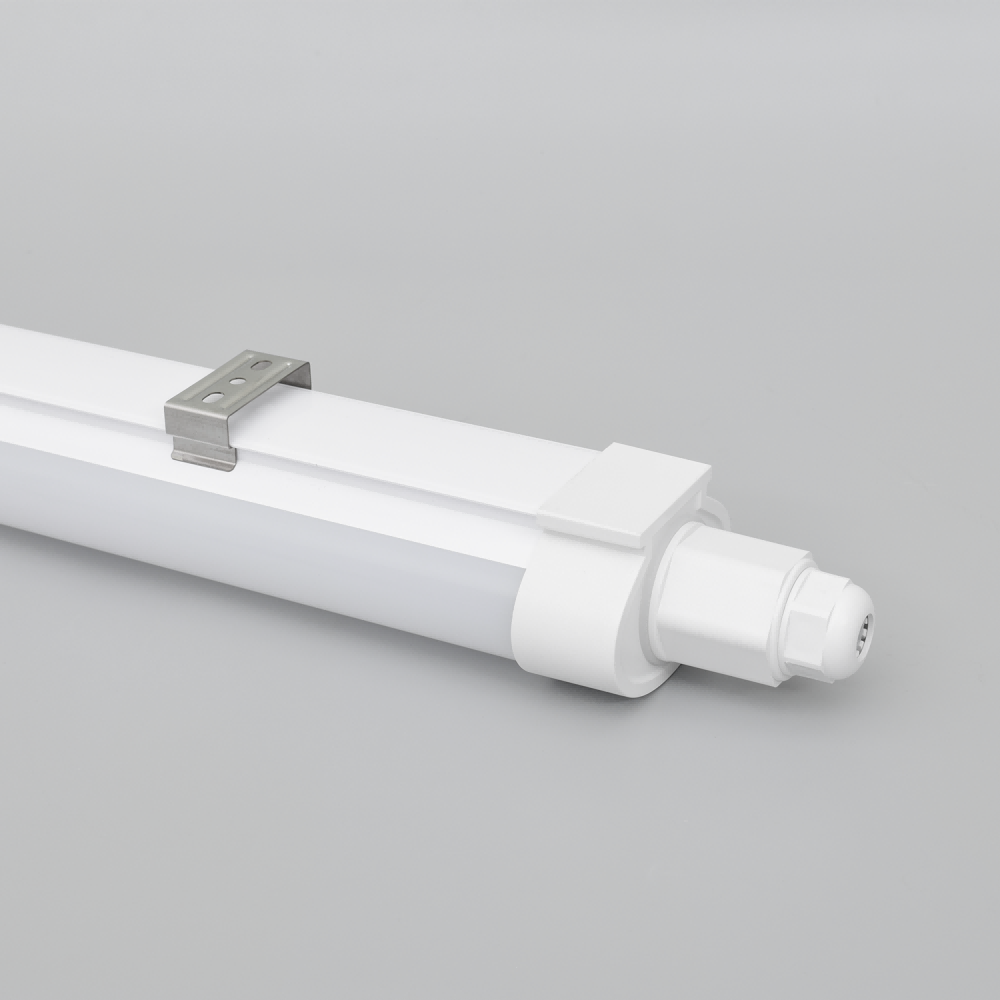
Efficient lighting layouts in modern buildings require careful consideration of both functional illumination and energy performance, and grille light fixtures have emerged as a cornerstone solution for architects and facility managers seeking optimal visual comfort combined with operational efficiency. These specialized luminaires integrate seamlessly into ceiling systems, providing uniform light distribution while maintaining architectural aesthetics and supporting stringent energy management objectives. Understanding how grille light technology contributes to efficient lighting design requires examining the interplay between optical engineering, installation flexibility, and long-term performance characteristics that directly impact both initial construction costs and ongoing operational expenses.
The strategic deployment of grille light systems addresses multiple efficiency challenges simultaneously by combining superior light output ratios with modular installation patterns that reduce wasted illumination and minimize maintenance disruptions. Modern commercial and institutional buildings face increasingly complex requirements for lighting performance, including compliance with energy codes, occupant wellness standards, and sustainability certifications, all while maintaining budget constraints. Grille light fixtures answer these demands through advanced LED integration, precision optical control, and adaptable mounting configurations that allow designers to create lighting layouts perfectly matched to specific spatial requirements and usage patterns, ultimately delivering measurable improvements in lumens per watt, visual uniformity, and lifecycle cost efficiency.
Optical Efficiency Mechanisms of Grille Light Systems
Precision Light Distribution Through Grid Architecture
The fundamental efficiency advantage of grille light fixtures stems from their engineered grid structure, which functions as an integrated optical system rather than merely a decorative element. The geometric pattern of the grille creates controlled light exit angles that minimize glare while maximizing useful illumination on work surfaces and circulation paths. This precision distribution reduces the total luminous flux required to achieve target illuminance levels, directly improving the overall system efficiency compared to diffuse or poorly controlled light sources that waste significant portions of generated light on ceiling surfaces or in glare zones.
Advanced grille light designs incorporate parabolic or specular reflector technologies within the grid cells, further refining the light output pattern to concentrate photons exactly where they provide functional value. This optical engineering allows facility managers to reduce fixture counts or lower wattage requirements while maintaining code-compliant illumination levels. The result is a lighting layout that achieves required performance metrics with substantially lower connected load, translating directly to reduced energy consumption and smaller infrastructure requirements for electrical distribution and climate control systems that must compensate for lighting heat gain.
Enhanced Luminaire Efficacy Through Thermal Management
Efficient lighting layouts depend not only on initial light output but on sustained performance over the fixture's operational lifetime, and grille light construction provides inherent thermal management advantages that preserve LED efficacy. The open grid architecture promotes natural convection cooling by allowing heated air to rise freely through the fixture housing, preventing heat accumulation that degrades LED junction performance and accelerates lumen depreciation. This passive thermal regulation maintains higher luminous efficacy throughout the fixture lifespan, ensuring that the lighting layout continues to deliver designed performance without requiring premature lamp replacement or fixture upgrades.
The thermal benefits of grille light design become particularly significant in recessed ceiling applications where fixtures operate within plenum spaces with limited air circulation. Traditional enclosed luminaires in these environments experience elevated operating temperatures that reduce LED efficiency and shorten useful life, forcing designers to oversize initial installations to compensate for anticipated performance degradation. By contrast, the ventilated construction of grille light fixtures maintains cooler operating conditions that preserve manufacturer-rated efficacy levels, allowing lighting designers to specify systems based on actual maintained illuminance rather than inflated initial values, resulting in more accurate and efficient layout calculations.
Uniform Illumination Patterns Reducing Over-Lighting
Achieving efficient lighting layouts requires minimizing areas of both under-illumination and wasteful over-illumination, and grille light systems excel at producing uniform light distribution that eliminates the hot spots and dark zones characteristic of poorly planned installations. The controlled beam spread from properly engineered grille light fixtures creates overlapping illumination patterns with minimal variation between maximum and minimum values across the work plane. This uniformity coefficient directly impacts efficiency because it eliminates the common practice of over-lighting entire spaces to compensate for inadequate illumination in specific zones, a wasteful approach that inflates energy consumption without improving visual comfort or task performance.
Modern grille light products designed for efficient layouts incorporate photometric characteristics specifically optimized for standard spacing-to-mounting-height ratios commonly found in commercial and institutional buildings. This design intentionality allows architects and electrical engineers to develop regular fixture arrays that achieve target illuminance levels with mathematical precision, avoiding the guesswork and safety factors that typically result in excessive fixture counts. The predictable performance of grille light systems enables computer-aided lighting design tools to calculate optimal layouts with confidence, ensuring that installed systems deliver exactly the required light levels without the 20-30% safety margins often applied when using fixtures with less controlled distribution patterns.
Installation Flexibility Supporting Optimized Layouts
Modular Integration With Building Systems
Efficient lighting layouts in contemporary buildings must coordinate with ceiling grid systems, HVAC distribution, and architectural features, and grille light fixtures provide exceptional integration flexibility that supports optimal placement decisions. The standardized dimensions of most grille light products align precisely with common ceiling tile modules, allowing fixtures to occupy grid positions without requiring custom framing or structural modifications that add cost and complexity. This dimensional compatibility enables lighting designers to position fixtures based purely on photometric requirements rather than compromising placement to accommodate construction limitations, resulting in layouts that maximize lighting efficiency without sacrificing architectural coordination.
The modular nature of grille light systems also facilitates efficient phased installations and future modifications as building uses evolve. Unlike custom lighting solutions that require specialized mounting hardware and dimensional coordination, grille light fixtures can be repositioned within ceiling grid systems with minimal effort, allowing facility managers to adapt lighting layouts to changing space configurations without major renovation expenses. This adaptability ensures that lighting efficiency can be maintained throughout a building's operational life as tenant needs change, office layouts reconfigure, or spaces convert to different functions requiring different illumination characteristics.
Simplified Electrical Distribution Reducing Infrastructure Costs
The systematic arrangement possible with grille light fixtures supports efficient electrical distribution strategies that reduce both material costs and installation labor. Regular spacing patterns allow electrical designers to establish straightforward circuit routing that minimizes conductor lengths and junction box locations, streamlining the installation process and reducing voltage drop concerns that can compromise lighting performance. The predictable power requirements of grille light arrays enable accurate load calculations that prevent oversizing of branch circuits and panel boards, avoiding unnecessary infrastructure expenses that inflate project costs without improving lighting quality.

Advanced grille light systems increasingly incorporate integrated drivers and dimming capabilities that simplify control wiring requirements, further enhancing installation efficiency. Fixtures with onboard electronics eliminate separate remote driver locations and associated conduit runs, reducing both material quantities and field labor hours. When combined with wireless or power-line-carrier control protocols, grille light installations can achieve sophisticated dimming and scheduling functionality without the extensive low-voltage control wiring traditionally required for energy management systems, making advanced efficiency features economically viable for a broader range of project types and budgets.
Maintenance Accessibility Preserving Long-Term Performance
Efficient lighting layouts depend on sustained performance over decades of operation, and grille light design inherently supports the maintenance accessibility required to preserve design performance throughout fixture lifecycles. The recessed mounting and hinged or removable grille panels characteristic of most products allow maintenance personnel to access driver compartments, optical assemblies, and LED modules without removing entire fixtures from ceiling systems. This serviceability reduces maintenance labor costs and minimizes disruption to occupied spaces, ensuring that routine cleaning, driver replacement, or optical component refurbishment can be performed efficiently as part of regular facility maintenance programs.
The maintenance advantages of grille light construction become particularly significant in facilities with aggressive cleaning schedules or environments where dust and particulate accumulation degrades optical performance. Regular access to optical surfaces ensures that light output remains at designed levels rather than gradually declining as dirt accumulates on reflectors and lenses. By preserving photometric performance through accessible maintenance, grille light systems avoid the gradual over-lighting that occurs when facility managers compensate for dirty fixtures by increasing control set points or adding supplementary fixtures, practices that undermine the original efficiency intentions of the lighting layout.
Energy Performance Optimization in Grille Light Applications
LED Integration Maximizing Source Efficiency
Contemporary grille light products leverage LED technology to deliver unprecedented source efficiency that forms the foundation of energy-optimized lighting layouts. The directional emission characteristics of LED sources align perfectly with the controlled distribution requirements of grille light optical systems, eliminating the light trapping losses inherent in omnidirectional sources installed in reflector housings. This fundamental compatibility allows grille light fixtures to convert electrical input to useful illumination with minimal conversion losses, achieving luminaire efficacy values exceeding 140 lumens per watt in premium products, substantially higher than the 80-100 lm/W typical of previous-generation fluorescent grille light systems.
The energy implications of this improved efficacy extend beyond simple wattage reduction to enable comprehensive lighting layout optimization. Designers can achieve code-required illuminance levels with significantly reduced connected lighting load, often meeting aggressive energy budgets such as ASHRAE 90.1 or Title 24 requirements with comfortable margins. The reduced heat output from high-efficacy LED grille light systems also decreases cooling loads in conditioned spaces, creating a multiplier effect where each watt of lighting energy saved generates additional HVAC energy savings. These compound benefits make efficient grille light layouts a cornerstone strategy for buildings pursuing net-zero energy performance or aggressive sustainability certifications.
Dimming and Control Integration Reducing Operational Energy
Efficient lighting layouts increasingly incorporate dynamic control capabilities that adjust illumination based on occupancy, daylight availability, and task requirements, and modern grille light systems provide the dimming performance and control compatibility essential for these strategies. LED drivers integrated into contemporary grille light fixtures offer smooth continuous dimming from full output to less than 1% of rated levels, maintaining stable light color and avoiding the flicker issues that plagued earlier electronic dimming technologies. This performance capability allows lighting control systems to reduce illumination precisely as conditions permit without creating visual discomfort or unreliable operation that undermines user acceptance.
The energy savings achievable through grille light dimming strategies can exceed 30% in perimeter zones with adequate daylight access and 50% or more in intermittently occupied spaces equipped with occupancy sensors. These operational savings accumulate continuously throughout the building lifecycle, often exceeding the energy consumed during fixture manufacturing and transportation when evaluated on a lifecycle basis. Efficient lighting layouts that incorporate grille light fixtures with advanced dimming capabilities position buildings to respond to evolving energy management strategies, including demand response programs, time-of-use utility rates, and grid-interactive efficiency initiatives that reward flexible load profiles.
Zoning Strategies Matching Illumination to Space Functions
Achieving truly efficient lighting layouts requires matching illumination characteristics to specific space functions and usage patterns, and the systematic installation patterns possible with grille light systems support sophisticated zoning approaches. Designers can establish distinct lighting zones aligned with functional areas, circulation paths, and perimeter daylight zones, allowing independent control of each area based on its particular requirements. This zoning flexibility prevents the common inefficiency of uniform lighting across entire floors regardless of actual needs, instead delivering precise illumination levels matched to tasks performed in each zone while minimizing energy waste in areas requiring only ambient or safety lighting.
The modular nature of grille light installations facilitates the circuit segregation required for effective zoning without complex wiring modifications. Electrical designers can assign fixtures to control zones based on photometric analysis and usage projections, establishing circuit topologies that align with control system architecture. When combined with networked lighting controls, grille light arrays can support highly granular zoning where individual fixtures or small groups operate independently based on local sensors and user inputs. This control resolution enables efficiency strategies impossible with zone-level switching, such as task-tuning where task lighting in occupied workstations operates at full output while surrounding ambient grille light fixtures dim to maintain visual comfort without wasting energy on unoccupied circulation areas.
Design Considerations for Maximum Layout Efficiency
Photometric Analysis Informing Fixture Placement
Developing truly efficient lighting layouts with grille light systems requires rigorous photometric analysis that translates illumination requirements into optimal fixture quantities and placement patterns. Professional lighting designers utilize computer simulation tools that model the specific light distribution characteristics of proposed grille light products, calculating illuminance values across work planes and evaluating uniformity ratios to verify code compliance and visual comfort. These analytical methods prevent the over-specification that results from rule-of-thumb approaches, ensuring that layouts include only the fixtures actually required to meet performance objectives, maximizing efficiency while avoiding the light pollution and energy waste associated with excessive fixture counts.
The accuracy of photometric analysis depends on utilizing manufacturer-provided IES photometric files that precisely document the candela distribution patterns of specific grille light models. Generic approximations or assumptions about fixture performance introduce uncertainty that typically forces designers to include safety margins that undermine efficiency. By insisting on product-specific photometric data and conducting detailed analysis during design development, lighting professionals can confidently specify efficient grille light layouts that deliver exactly the required performance without wasteful over-design, supporting both project budget objectives and long-term energy efficiency goals.
Ceiling Height and Mounting Considerations
The relationship between grille light mounting height and spacing parameters directly impacts layout efficiency, requiring careful consideration of ceiling dimensions during fixture selection and placement planning. Standard grille light products are typically optimized for ceiling heights between 8 and 12 feet, the range most common in commercial and institutional buildings, with photometric characteristics engineered to deliver appropriate spacing-to-mounting-height ratios within this range. Designers working with ceiling heights outside this typical range must verify that proposed grille light fixtures will maintain acceptable uniformity at the extended spacings required for higher ceilings or adjust specifications to higher-output models that support wider spacing intervals without creating dark zones.
For exceptionally high ceilings or applications requiring substantial mounting heights, efficient layouts may require specialized grille light products with narrower beam distributions that concentrate light downward rather than spreading it laterally. These application-specific fixtures prevent the inefficiency that results when standard grille light products installed at excessive heights waste substantial light on ceiling surfaces and upper wall areas while failing to deliver adequate illumination at the work plane. By matching grille light optical characteristics to actual mounting conditions, designers ensure that lighting layouts achieve efficiency through targeted light delivery rather than compensating for inappropriate fixture selection with increased quantities or wattages.
Integration With Daylighting Strategies
Maximizing lighting layout efficiency in buildings with significant glazing requires coordinating grille light placement and control with daylighting strategies that reduce electric lighting dependence during periods of adequate natural illumination. Efficient designs establish perimeter lighting zones using grille light fixtures equipped with daylight-responsive dimming that automatically reduces output as daylight contribution increases, preventing the energy waste that occurs when electric lights operate unnecessarily in naturally illuminated spaces. The systematic arrangement possible with grille light installations supports clear perimeter zone definition, typically extending 15 feet from windows, allowing straightforward circuit segregation and control zoning aligned with daylight penetration patterns.
Advanced integration approaches position grille light fixtures in perimeter zones to provide supplemental task lighting and depth illumination while relying on daylight for ambient illumination during most daylight hours. This strategy requires careful photometric coordination to ensure that electric lighting supplements rather than duplicates natural light, maintaining visual comfort and uniformity while minimizing connected load. The controlled distribution characteristics of grille light systems support this balanced approach by allowing designers to specify fixtures with appropriate light output levels for supplemental rather than primary illumination roles, avoiding the over-design that results when fixtures must serve as sole light sources during all operating conditions regardless of available daylight.
Long-Term Performance and Lifecycle Efficiency
Lumen Maintenance Preserving Design Illumination
Efficient lighting layouts must maintain designed performance throughout extended operational periods, and the lumen maintenance characteristics of LED-based grille light systems directly impact long-term efficiency. Quality LED products exhibit gradual, predictable lumen depreciation following an L70 curve where light output remains above 70% of initial levels for 50,000 hours or more of operation, substantially longer than the 20,000-hour useful life typical of previous-generation fluorescent sources. This extended maintenance of output levels allows designers to specify grille light layouts based on end-of-life illuminance values closer to initial performance, reducing the over-specification required to ensure adequate illumination as lamps age, thereby improving overall system efficiency.
The predictable depreciation curves of LED grille light systems also enable more sophisticated maintenance planning that preserves efficiency throughout facility lifecycles. Rather than reacting to noticeable light loss with random lamp replacement or wholesale fixture upgrades, facility managers can implement scheduled maintenance programs that refresh LED modules or entire fixtures based on documented operating hours and known depreciation rates. This proactive approach maintains consistent illumination levels that match original design intent, avoiding the common pattern where facilities gradually become under-lit as maintenance lags, eventually triggering expensive emergency upgrades that might have been avoided through systematic performance management.
Driver Longevity and Replacement Economics
The overall efficiency and lifecycle cost of grille light installations depends not only on LED performance but on the reliability and replaceability of electronic drivers that regulate power to LED arrays. Quality grille light products incorporate drivers rated for 50,000-hour or longer operational life, comparable to the LED modules they supply, minimizing the premature failures that disrupt facility operations and generate maintenance expenses. When driver replacement eventually becomes necessary, efficient grille light designs facilitate field replacement of driver modules without requiring complete fixture removal or specialized technical skills, allowing maintenance staff to restore failed fixtures quickly and economically, preserving the lighting layout's intended performance without expensive retrofits.
The economic efficiency of grille light systems over building lifecycles often depends more on driver replacement costs and procedures than on initial acquisition prices. Fixtures with proprietary drivers available only through original manufacturers create long-term cost vulnerabilities as products are discontinued and replacement components become unavailable. By contrast, grille light products utilizing industry-standard driver platforms with widely available replacement modules provide economic resilience that protects the efficiency investment embodied in the lighting layout. Designers concerned with lifecycle efficiency should prioritize grille light specifications that incorporate replaceable, standard-interface drivers likely to remain available throughout the 15-20 year planning horizons typical of commercial facility management.
Adaptive Reuse Supporting Evolving Building Functions
The ultimate efficiency of lighting investments is measured not only in energy consumption but in the ability of installed systems to adapt to changing building uses without requiring complete replacement. Grille light systems offer exceptional adaptive reuse potential through their modular construction and standardized mounting interfaces that allow fixtures to be relocated, reconfigured, or supplemented as space functions evolve. A grille light layout initially designed for open office applications can be readily adapted to support conference rooms, training facilities, or other functions by adding, removing, or repositioning fixtures within existing ceiling grid systems, avoiding the material waste and embodied energy consumption associated with complete lighting system replacements.
This adaptive capability extends the effective lifecycle of grille light investments far beyond the service life of individual fixtures, as the systematic layout logic and infrastructure established during initial installation continue to provide value through multiple building use cycles. Facility managers can incrementally upgrade grille light technology as LED efficacy improves or control capabilities advance without discarding the fundamental lighting infrastructure, instead replacing individual fixtures or components while preserving circuit routing, mounting systems, and layout patterns. This evolutionary upgrade approach maximizes the return on initial efficiency investments while minimizing the environmental impact of premature disposal, aligning lighting system management with broader sustainability objectives that consider both operational and embodied energy implications.
FAQ
What makes grille light fixtures more efficient than other ceiling-mounted lighting options?
Grille light fixtures achieve superior efficiency through multiple mechanisms including precise optical control that minimizes wasted light, open construction that promotes LED thermal management preserving long-term efficacy, and modular installation patterns that support optimized fixture placement and electrical distribution. The controlled beam spread from properly engineered grille light systems creates uniform illumination that eliminates over-lighting practices common with less controlled sources, while the systematic layout patterns possible with grille light fixtures enable accurate photometric analysis during design that prevents over-specification. Additionally, the maintenance accessibility inherent in grille light construction preserves designed performance throughout fixture lifecycles, avoiding the gradual efficiency degradation characteristic of sealed fixtures where optical surfaces become contaminated and inaccessible for cleaning.
How does grille light installation affect overall building energy consumption beyond direct lighting electricity use?
Grille light systems impact building energy consumption through both direct lighting load reduction and indirect effects on HVAC systems that must condition spaces affected by lighting heat gain. High-efficacy LED grille light fixtures convert a greater proportion of input electricity to visible light rather than waste heat, reducing cooling loads in conditioned spaces and generating compound energy savings where each watt of lighting reduction produces additional HVAC energy savings. The thermal management advantages of open grille construction further enhance this benefit by dissipating heat directly to plenum spaces where it can be exhausted without entering occupied zones. In heating-dominated climates, these benefits reverse during winter months, but annual net energy impact remains strongly positive because cooling loads typically dominate in commercial buildings with substantial internal heat gains from equipment and occupancy.
Can existing fluorescent grille light layouts be efficiently upgraded to LED technology?
Most fluorescent grille light installations can be upgraded to LED technology while preserving existing layout patterns, mounting infrastructure, and circuit distribution, providing a cost-effective path to improved efficiency without complete lighting system replacement. Retrofit approaches include direct LED tube replacements that utilize existing fluorescent fixture housings with ballast bypass modifications, and complete LED retrofit kits that replace fluorescent optical assemblies and ballasts while retaining fixture housings and mounting hardware. The optimal approach depends on existing fixture conditions, budget constraints, and performance objectives, with complete fixture replacement typically delivering superior optical performance and longest lifecycle while retrofit solutions minimize installation costs and disruption. Successful LED upgrades require photometric verification to ensure that new LED products deliver illumination patterns comparable to original fluorescent systems, maintaining the uniformity and light levels the layout was designed to provide.
What role do grille light fixtures play in achieving green building certifications and energy code compliance?
Grille light systems contribute substantially to green building certification and energy code compliance through their inherent efficiency characteristics and compatibility with advanced control strategies required by rating systems such as LEED and energy standards including ASHRAE 90.1 and IECC. The high efficacy of LED grille light products allows designers to meet stringent lighting power density requirements with comfortable margins while delivering illumination quality that satisfies visual comfort criteria. The systematic layout patterns and uniform distribution characteristics of grille light installations support the zoning and control capabilities required for credits related to occupancy sensing, daylight responsive dimming, and individual lighting control that appear in most green building rating systems. Additionally, the long service life and maintained performance of quality grille light systems align with sustainability principles that value lifecycle efficiency and reduced material consumption, supporting credits related to material transparency and operational performance.
Table of Contents
- Optical Efficiency Mechanisms of Grille Light Systems
- Installation Flexibility Supporting Optimized Layouts
- Energy Performance Optimization in Grille Light Applications
- Design Considerations for Maximum Layout Efficiency
- Long-Term Performance and Lifecycle Efficiency
-
FAQ
- What makes grille light fixtures more efficient than other ceiling-mounted lighting options?
- How does grille light installation affect overall building energy consumption beyond direct lighting electricity use?
- Can existing fluorescent grille light layouts be efficiently upgraded to LED technology?
- What role do grille light fixtures play in achieving green building certifications and energy code compliance?