
 EN
EN
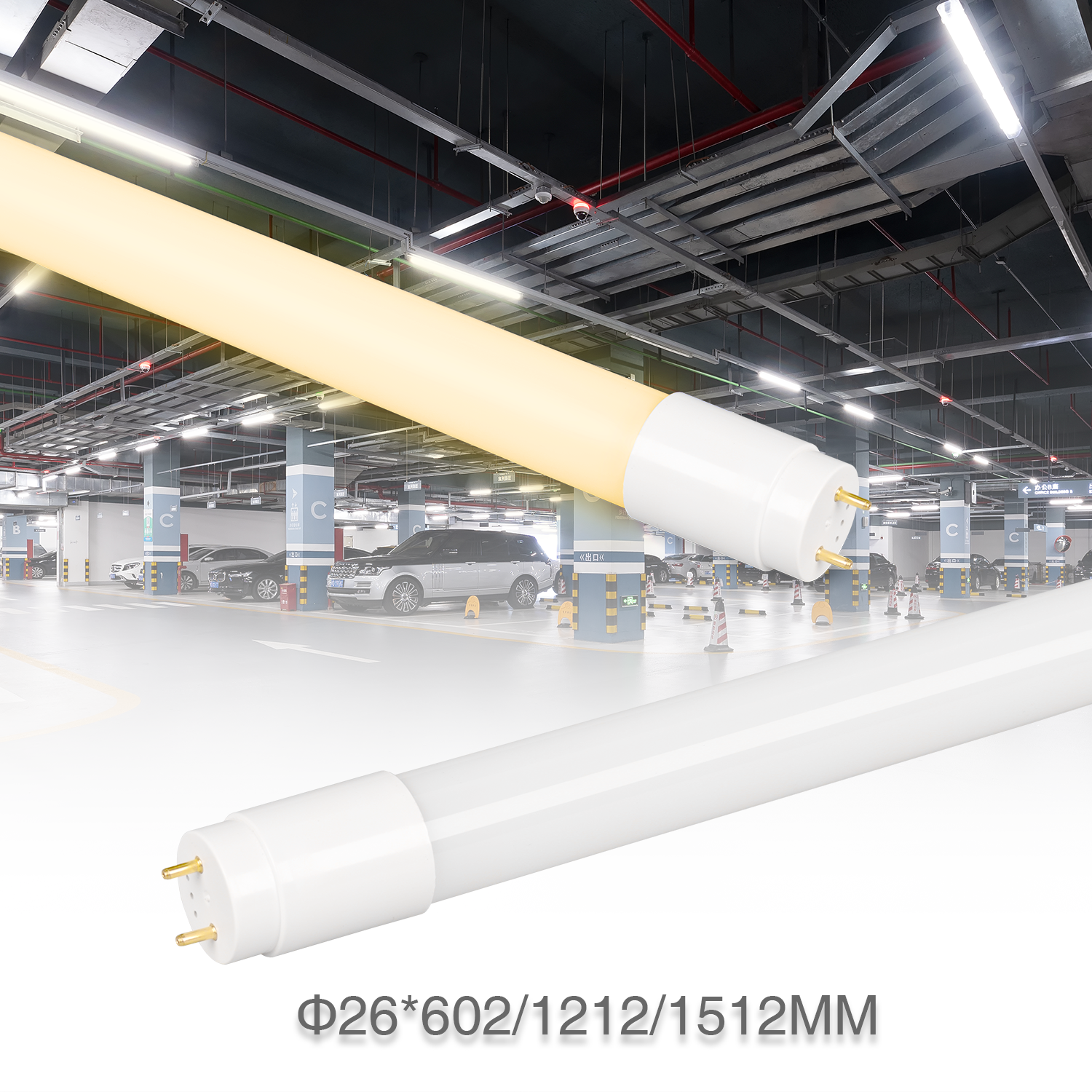
T8 LED tubes have revolutionized commercial and industrial lighting by offering exceptional longevity even under demanding continuous operation conditions. Unlike traditional fluorescent tubes that degrade rapidly when left on for extended periods, modern T8 LED tube technology incorporates advanced thermal management, superior semiconductor design, and robust driver circuits that enable sustained performance over tens of thousands of operating hours. Understanding how these tubes achieve such remarkable durability in continuous lighting applications is crucial for facility managers, electrical contractors, and business owners seeking reliable, cost-effective lighting solutions.
As a standardized product, T8 LED tubes are easy for ordinary staff to replace without calling an electrician.
The longevity advantage of T8 LED tube systems stems from fundamental differences in their operational mechanics compared to legacy fluorescent technology. While fluorescent tubes rely on mercury vapor excitation and phosphor coating degradation that accelerates under continuous use, LED tubes operate through solid-state semiconductor junctions that maintain stable light output without the chemical degradation processes that limit traditional tube life. This technological foundation enables T8 LED tubes to deliver consistent illumination for 50,000 to 100,000 hours of continuous operation, representing a five to ten-fold improvement over fluorescent alternatives in demanding always-on environments.
Advanced Thermal Management Systems Enable Extended Operation
Heat Dissipation Architecture in Continuous Operation
The primary factor determining T8 LED tube lifespan under continuous lighting conditions is thermal management effectiveness. LED semiconductors generate heat during operation, and excessive junction temperatures accelerate performance degradation and reduce operational life. High-quality T8 LED tube designs incorporate aluminum heat sinks, thermal interface materials, and optimized airflow channels that maintain LED junction temperatures below critical thresholds even during 24/7 operation cycles.
Professional-grade T8 LED tube assemblies utilize extruded aluminum housings with integrated fin structures that maximize surface area for convective heat transfer. The thermal pathway from LED junction to ambient air is carefully engineered to maintain junction temperatures below 85°C during continuous operation, ensuring that semiconductor materials operate within their optimal performance range. This thermal control prevents the accelerated degradation that occurs when LED junctions exceed temperature specifications.
Advanced T8 LED tube designs also incorporate thermal monitoring and current regulation circuits that automatically adjust drive current based on operating temperature. These adaptive systems prevent thermal runaway conditions that can occur in poorly designed LED products during extended continuous operation, maintaining consistent light output while protecting the LED semiconductors from temperature-induced stress.Their plug‑and‑play nature further simplifies maintenance — any facility worker can swap a tube instantly.
Substrate Materials and Thermal Interface Design
The choice of substrate materials and thermal interface design significantly impacts T8 LED tube performance in continuous lighting applications. Metal core printed circuit boards (MCPCBs) with aluminum or copper backing provide superior thermal conductivity compared to standard FR4 substrates, enabling efficient heat transfer from LED junctions to the tube housing. This improved thermal pathway is essential for maintaining stable operation during extended continuous use.
High-performance T8 LED tube assemblies utilize thermally conductive adhesives or thermal interface materials (TIMs) that eliminate air gaps between LED packages and heat sinks. These materials maintain their thermal conductivity properties over extended operating periods, ensuring consistent thermal performance throughout the tube's operational life. The stability of these thermal interfaces is particularly important in continuous operation where thermal cycling stress is minimized but sustained heat generation requires reliable thermal pathways.
Premium T8 LED tube designs may incorporate vapor chamber or heat pipe technology to enhance thermal distribution along the tube length. These advanced thermal management solutions spread heat more evenly across the aluminum housing, preventing hot spots that could reduce LED life or cause uneven light output during continuous operation scenarios.
Semiconductor Quality and Driver Circuit Optimization
LED Chip Selection and Binning Standards
The semiconductor quality of LED chips used in T8 LED tube construction directly impacts longevity under continuous operation. High-efficiency LED chips with optimized epitaxial layer structures demonstrate superior lumen maintenance and reduced degradation rates compared to standard-grade semiconductors. Manufacturers of long-life T8 LED tubes typically select LED chips from tight binning specifications that ensure consistent performance characteristics and predictable degradation patterns.
Professional-grade T8 LED tube products utilize LED chips that have undergone accelerated life testing under elevated temperature and current stress conditions. These testing protocols identify LED batches with superior reliability characteristics, ensuring that the selected semiconductors can maintain stable light output over extended continuous operation periods. The selection process eliminates LED chips that demonstrate excessive forward voltage drift or rapid lumen depreciation under stress conditions.
Advanced T8 LED tube designs incorporate redundancy through multiple LED strings or chip-on-board (COB) configurations that distribute electrical stress across numerous semiconductor junctions. This approach reduces the current density per LED junction, minimizing thermal stress and extending operational life during continuous use applications where thermal management becomes critical.
Power Supply Design and Current Regulation
The driver circuit quality in T8 LED tube systems significantly influences longevity during continuous operation. High-quality LED drivers maintain precise current regulation despite variations in line voltage, ambient temperature, and component aging. This stable current control prevents overcurrent conditions that accelerate LED degradation and ensures consistent light output throughout the tube's operational life.
Professional T8 LED tube drivers incorporate power factor correction (PFC) circuits, electromagnetic interference (EMI) filtering, and thermal protection mechanisms that enhance reliability during continuous operation. These circuits prevent voltage spikes, current surges, and thermal stress conditions that can damage LED semiconductors or reduce operational life in demanding continuous lighting applications.
Advanced driver designs utilize switching frequencies and control algorithms optimized for LED longevity rather than maximum efficiency alone. These designs minimize ripple current, reduce switching stress on LED junctions, and incorporate soft-start sequences that prevent inrush current damage during power cycling events that may occur even in continuous operation environments.
Environmental Resistance and Operational Stability
Moisture and Contamination Protection
Long-term reliability of T8 LED tube systems in continuous operation requires robust protection against environmental factors that can degrade performance over time. High-quality T8 LED tubes incorporate ingress protection (IP) ratings and sealed construction that prevents moisture infiltration, dust accumulation, and chemical contamination that could impact electrical connections or optical components.
Professional-grade T8 LED tube assemblies utilize UV-resistant polycarbonate or acrylic lens materials that maintain optical clarity and mechanical integrity throughout extended exposure periods. These materials resist yellowing, cracking, and optical degradation that can reduce light transmission efficiency during continuous operation in challenging industrial or outdoor environments.
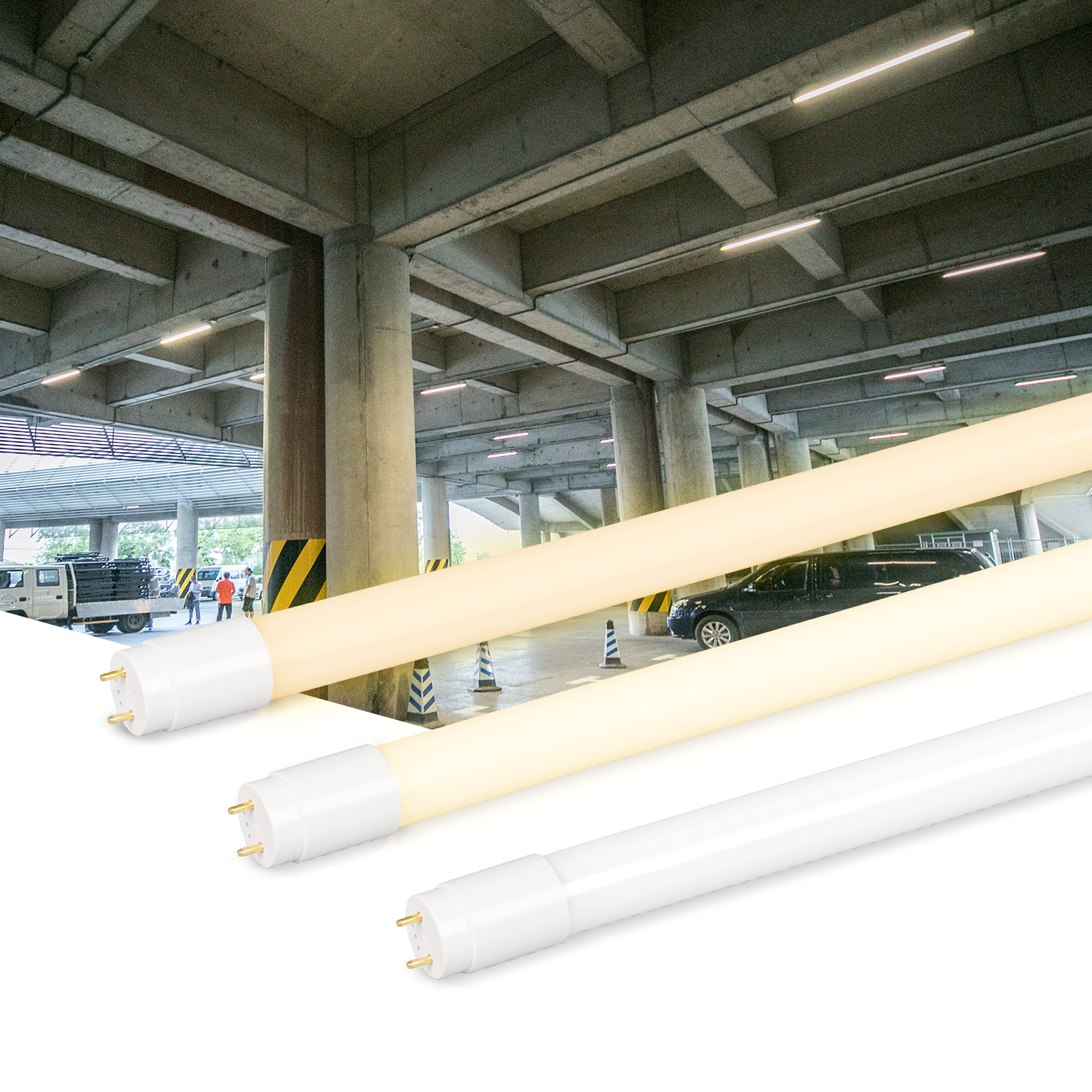
The electrical connections and internal wiring in long-life T8 LED tubes are designed to resist corrosion and oxidation during extended exposure to temperature cycling and humidity variations. High-quality connector materials, conformal coatings, and hermetic sealing techniques ensure electrical reliability throughout the tube's operational life, even in demanding continuous use applications.
Vibration and Mechanical Stress Resistance
T8 LED tube designs intended for continuous operation incorporate mechanical features that resist vibration, shock, and thermal expansion stress that can occur in industrial lighting installations. Solid-state LED technology inherently provides superior shock resistance compared to fragile fluorescent tubes, but proper mechanical design ensures this advantage translates to extended operational life.
High-quality T8 LED tube construction utilizes stress-relief features in electrical connections, flexible mounting systems, and robust housing materials that accommodate thermal expansion and contraction cycles without mechanical failure. These design elements are particularly important in continuous operation where sustained thermal cycling can create mechanical stress on solder joints and component interfaces.
Professional T8 LED tube assemblies undergo vibration testing and mechanical stress validation to ensure reliability in challenging installation environments such as manufacturing facilities, warehouses, and transportation infrastructure where continuous lighting operation is combined with mechanical vibration exposure.Because T8 LED tubes follow a universal form factor, no electrician is needed for routine lamp changes.
Performance Monitoring and Predictive Maintenance Indicators
Lumen Depreciation Curves and Performance Tracking
Understanding T8 LED tube performance degradation patterns enables facility managers to optimize replacement schedules and maintain consistent illumination levels during continuous operation. High-quality LED tubes demonstrate predictable lumen depreciation curves that allow for accurate end-of-life planning based on actual operating hours and environmental conditions.
Professional T8 LED tube products provide lumen maintenance specifications such as L70 ratings that indicate the operating hours required to reach 70% of initial light output. These specifications, typically ranging from 50,000 to 100,000 hours for quality tubes, enable accurate lifecycle cost calculations and maintenance planning for continuous operation installations.
Advanced T8 LED tube systems may incorporate monitoring capabilities that track actual light output, operating temperature, and electrical parameters to provide real-time performance data. This monitoring enables predictive maintenance approaches that optimize replacement timing based on actual performance rather than arbitrary time schedules.
Failure Mode Analysis and Reliability Indicators
T8 LED tube reliability in continuous operation can be assessed through understanding common failure modes and their indicators. Gradual lumen depreciation represents normal aging, while sudden failures typically result from driver circuit problems, thermal stress, or electrical overstress conditions that can be monitored and prevented through proper installation and maintenance practices.
Quality T8 LED tube designs incorporate failure indication features such as visible indicators for driver circuit status, thermal protection activation, or LED string failures. These diagnostic capabilities enable maintenance personnel to identify developing problems before complete failure occurs, minimizing disruption in continuous operation environments.
Professional installation and maintenance practices for T8 LED tube systems include regular thermal monitoring, electrical parameter verification, and visual inspection protocols that identify potential reliability issues before they impact lighting performance. These practices are particularly important in continuous operation where tube failures can have significant operational impact.The standardized design allows even untrained personnel to perform tube replacements safely and quickly.
FAQ
How many hours can a quality T8 LED tube operate continuously without replacement?
High-quality T8 LED tubes designed for continuous operation typically provide 50,000 to 100,000 hours of reliable service, equivalent to 5.7 to 11.4 years of 24/7 operation. The actual lifespan depends on thermal management quality, driver circuit design, LED chip grade, and environmental operating conditions. Professional-grade tubes with superior thermal design and premium LED semiconductors can achieve the upper end of this range even under demanding continuous use conditions.
What factors most significantly impact T8 LED tube longevity in continuous lighting applications?
Thermal management effectiveness is the most critical factor determining T8 LED tube lifespan during continuous operation. LED junction temperature must be maintained below 85°C to prevent accelerated degradation. Other significant factors include driver circuit quality for stable current regulation, LED chip quality and binning standards, environmental protection against moisture and contamination, and proper installation to ensure adequate airflow for heat dissipation.
Can T8 LED tubes handle continuous operation better than fluorescent tubes?
Yes, T8 LED tubes significantly outperform fluorescent tubes in continuous operation scenarios. LED tubes can operate continuously for 50,000-100,000 hours compared to 10,000-20,000 hours for fluorescent tubes. LED tubes also maintain stable light output without the flicker and end-of-life cycling issues that affect fluorescent tubes during continuous use. Additionally, LED tubes generate less heat and do not suffer from the electrode degradation that limits fluorescent tube life in always-on applications.
What maintenance practices extend T8 LED tube life in continuous operation environments?
Regular cleaning of LED tube surfaces and fixture housings maintains optimal heat dissipation and light output. Monitoring ambient temperatures and ensuring adequate ventilation prevents thermal stress. Checking electrical connections for corrosion or loosening maintains stable operation. Using surge protection and voltage regulation prevents electrical stress damage. Additionally, implementing predictive maintenance through light level monitoring and thermal imaging can identify potential issues before failure occurs, maximizing operational life in continuous use applications.
Do I need an electrician to replace a T8 LED tube?
No. T8 LED tubes are standardised, drop‑in replacements. Once the fixture is initially prepared (if ballast bypass is required), ordinary maintenance staff can change tubes without any electrical license or special training.
Table of Contents
- Advanced Thermal Management Systems Enable Extended Operation
- Semiconductor Quality and Driver Circuit Optimization
- Environmental Resistance and Operational Stability
- Performance Monitoring and Predictive Maintenance Indicators
-
FAQ
- How many hours can a quality T8 LED tube operate continuously without replacement?
- What factors most significantly impact T8 LED tube longevity in continuous lighting applications?
- Can T8 LED tubes handle continuous operation better than fluorescent tubes?
- What maintenance practices extend T8 LED tube life in continuous operation environments?
- Do I need an electrician to replace a T8 LED tube?