
 EN
EN
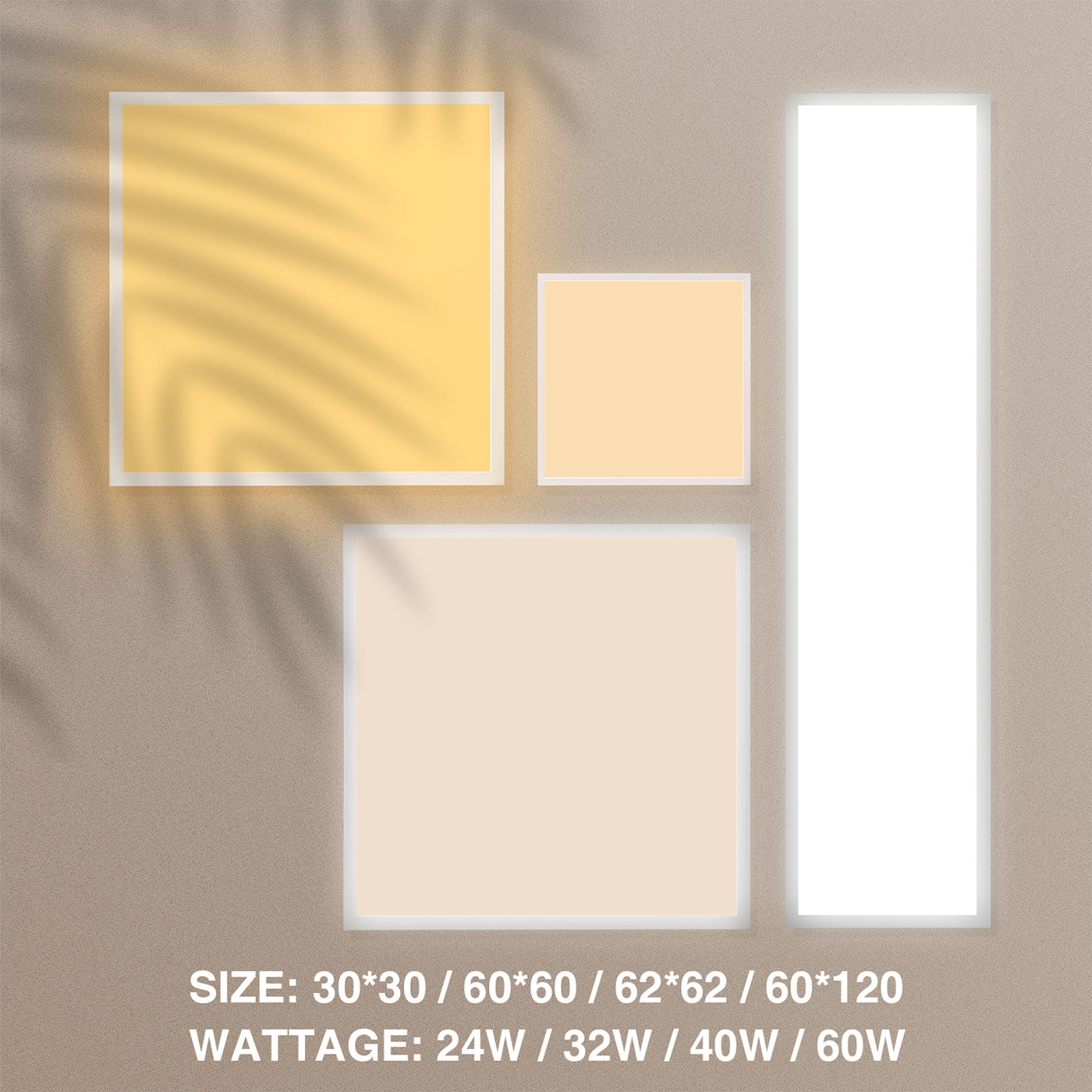
Understanding how LED panel light technology creates uniform and comfortable indoor lighting requires examining the sophisticated optical engineering and design principles behind these modern illumination solutions. LED panel lights achieve superior light distribution through a combination of advanced light guide technology, precision-engineered diffusion materials, and strategic LED placement that eliminates the harsh shadows and uneven brightness patterns commonly associated with traditional lighting systems.
The mechanism behind LED panel light uniformity involves multiple optical layers working in harmony to transform point-source LED emissions into broad, evenly distributed illumination. This process begins with high-efficiency LEDs positioned along the edges of a specialized light guide plate, which then disperses the light across the entire panel surface through internal reflection and refraction processes. The result is a consistently bright surface that provides comfortable visual conditions for extended periods of use in residential, commercial, and industrial environments.
Light Guide Plate Technology and Uniform Distribution
Optical Waveguide Principles in LED Panel Light Design
The foundation of LED panel light uniformity lies in the sophisticated light guide plate technology that captures edge-mounted LED emissions and redistributes them across the entire panel surface. This optical waveguide system utilizes total internal reflection principles to transport light from the LED sources positioned around the panel perimeter to every point on the illuminated surface. The light guide plate contains microscopic optical features, including laser-etched dots or prismatic structures, that gradually extract light as it travels through the acrylic or polycarbonate material.
Modern LED panel light systems employ computer-designed extraction patterns that ensure optimal light distribution by varying the density and size of these optical features across the plate surface. Areas closer to the LED sources require fewer extraction points to prevent over-illumination, while areas farther from the LEDs incorporate denser patterns to maintain consistent brightness levels. This precise engineering approach eliminates the bright spots and dark zones that characterize inferior lighting solutions.
Edge-Lit versus Back-Lit LED Panel Light Configurations
LED panel light manufacturers utilize two primary illumination approaches to achieve uniform light distribution: edge-lit and back-lit configurations. Edge-lit LED panel light designs position the light sources around the panel perimeter, relying on the light guide plate to distribute illumination across the surface. This configuration offers ultra-slim profile advantages and energy efficiency benefits while maintaining excellent uniformity when properly engineered.
Back-lit LED panel light systems distribute multiple LED sources across the rear of the panel, providing more direct illumination that can achieve higher light output levels. Both approaches can deliver superior uniformity when combined with appropriate diffusion materials and optical control elements, though each offers distinct advantages for specific applications and installation requirements.
Diffusion Materials and Glare Reduction Mechanisms
Advanced Optical Diffusers in LED Panel Light Construction
The comfortable viewing experience provided by LED panel light technology depends heavily on sophisticated diffusion materials that soften and scatter the light output to eliminate harsh glare and create pleasant illumination conditions. These optical diffusers typically consist of specially formulated polymers containing microscopic particles or surface textures that redirect light rays in multiple directions. The result transforms the potentially harsh point-source emissions from individual LEDs into gentle, widespread illumination.
High-quality LED panel light systems incorporate multiple diffusion layers with varying optical properties to achieve optimal balance between light transmission efficiency and glare control. The primary diffuser material directly contacts the light guide plate and provides initial light scattering, while secondary diffusion elements fine-tune the beam angle and eliminate any remaining hot spots. This layered approach ensures that the LED panel light produces comfortable illumination suitable for prolonged visual tasks.
Anti-Glare Surface Treatments and Light Control
Professional-grade LED panel light installations incorporate specialized anti-glare treatments that further enhance visual comfort by reducing reflected light and controlling luminance distribution. These surface treatments may include micro-textured coatings, prismatic films, or specialized lens arrays that direct light downward while minimizing side-angle emissions that could cause discomfort for occupants.
The effectiveness of anti-glare measures in LED panel light systems is quantified through Unified Glare Rating calculations that consider luminance levels, panel size, and viewing angles. Superior LED panel light products achieve UGR values below 19, indicating minimal glare potential and excellent suitability for office environments, educational facilities, and other settings where visual comfort is paramount.
Color Temperature Control and Circadian Rhythm Support
Backed by ENEC certification, our LED panel lights deliver up to 180 lm/W, ensuring both safety compliance and industry-leading energy efficiency.
Tunable White Technology in Modern LED Panel Light Systems
Advanced LED panel light solutions incorporate tunable white technology that dynamically adjusts color temperature throughout the day to support natural circadian rhythms and enhance occupant comfort. This capability utilizes multiple LED chip types with different color temperatures, typically ranging from warm 2700K to cool 6500K, controlled through sophisticated driver electronics that blend the outputs to achieve any desired color temperature within the specified range.
The comfort benefits of tunable LED panel light systems extend beyond simple illumination by providing biologically appropriate lighting that supports alertness during daytime hours and promotes relaxation during evening periods. Research demonstrates that properly programmed LED panel light installations can improve sleep quality, reduce fatigue, and enhance overall well-being by aligning artificial lighting with natural daylight patterns.

Color Rendering and Visual Comfort Optimization
High-quality LED panel light products prioritize excellent color rendering performance to ensure comfortable and accurate visual perception of interior environments. Color Rendering Index values above 90 indicate that the LED panel light produces light quality nearly identical to natural daylight, enabling true color perception and reducing eye strain associated with poor-quality artificial illumination.
The spectral composition of LED panel light output directly impacts visual comfort, with broad-spectrum designs providing more natural illumination compared to narrow-band alternatives. Modern LED panel light systems incorporate phosphor technologies and LED chip combinations that deliver smooth spectral power distribution, eliminating gaps that could cause color distortion or visual discomfort during extended exposure periods.
Thermal Management and Long-Term Performance Stability
Heat Dissipation Strategies in LED Panel Light Design
Effective thermal management represents a critical factor in LED panel light performance and longevity, directly impacting both light output consistency and visual comfort over the product lifecycle. LED panel light manufacturers employ various heat dissipation strategies, including aluminum backing plates, thermal interface materials, and optimized airflow designs that maintain LED junction temperatures within acceptable ranges even during continuous operation.
The thermal design of LED panel light systems must balance efficiency requirements with practical installation constraints, particularly in ceiling-mounted applications where heat dissipation opportunities may be limited. Advanced LED panel light products incorporate passive cooling solutions that eliminate fan noise while maintaining stable performance, ensuring that thermal management does not compromise the quiet, comfortable environment these lighting systems are designed to create.
Additionally, these luminaires feature adjustable power settings, allowing on-site brightness tuning to match specific room requirements without replacing the fixture.
Lumen Maintenance and Consistent Light Output
Long-term uniformity in LED panel light installations depends on consistent lumen maintenance across all lighting elements within the system. Quality LED panel light products demonstrate minimal light output degradation over their operational lifetime, typically maintaining above 90% of initial light levels after 50,000 hours of operation. This stability ensures that the carefully engineered uniformity characteristics remain constant throughout the product lifespan.
The impact of LED panel light lumen maintenance on visual comfort extends beyond simple brightness considerations to encompass color consistency and spatial uniformity preservation. Premium LED panel light systems incorporate LED selection and binning processes that minimize performance variations between individual components, ensuring that the entire installation ages uniformly without developing bright or dim zones that could compromise visual comfort.
Installation Considerations and Performance Optimization
Mounting Height and Spacing Calculations for Optimal Uniformity
Achieving optimal uniformity from LED panel light installations requires careful consideration of mounting height, spacing, and room geometry to ensure consistent illumination across the entire work plane. Professional lighting designers utilize photometric data and calculation software to determine appropriate LED panel light layouts that minimize illuminance variations while meeting specified light level requirements for different applications.
The relationship between LED panel light mounting height and spacing follows established principles that account for beam angle characteristics and light distribution patterns. Proper spacing ensures that individual LED panel light coverage areas overlap appropriately to eliminate dark spots while preventing over-illumination that could cause discomfort or energy waste.
Integration with Building Systems and Controls
Modern LED panel light systems integrate seamlessly with building automation and lighting control systems to optimize performance and enhance occupant comfort through responsive illumination management. These integrations enable daylight harvesting capabilities that automatically adjust LED panel light output based on available natural light, maintaining consistent illumination levels while minimizing energy consumption.
The control capabilities of advanced LED panel light installations extend to occupancy sensing, scheduling functions, and zone-based management that tailors lighting conditions to specific usage patterns and requirements. These intelligent features ensure that LED panel light systems deliver optimal comfort and efficiency throughout their operational lifecycle while adapting to changing occupancy and environmental conditions.
For advanced lighting management, DALI‑version models are available, enabling seamless integration into professional lighting control systems.
FAQ
What makes LED panel light more uniform than traditional fluorescent fixtures?
LED panel light achieves superior uniformity through advanced light guide plate technology that distributes edge-mounted LED sources across the entire panel surface, eliminating the bright tubes and dark zones characteristic of fluorescent fixtures. The combination of optical waveguide principles, precision-engineered extraction patterns, and high-quality diffusion materials creates consistent illumination without the harsh shadows or brightness variations found in traditional lighting systems.
How does LED panel light reduce eye strain and improve visual comfort?
LED panel light reduces eye strain through multiple comfort-enhancing features including flicker-free operation, excellent color rendering above 90 CRI, and anti-glare diffusion systems that eliminate harsh brightness contrasts. The uniform light distribution prevents the constant pupil adjustment that occurs with uneven illumination, while the broad-spectrum LED technology provides natural color perception that reduces visual fatigue during extended tasks.
Can LED panel light systems adjust color temperature for circadian rhythm support?
Advanced LED panel light systems incorporate tunable white technology that dynamically adjusts color temperature from warm 2700K to cool 6500K throughout the day to support natural circadian rhythms. This capability uses multiple LED chip types controlled through sophisticated electronics that blend outputs to provide biologically appropriate lighting, promoting alertness during daytime hours and supporting relaxation during evening periods.
What factors affect the long-term uniformity of LED panel light installations?
Long-term LED panel light uniformity depends on effective thermal management, consistent lumen maintenance, and quality LED selection processes that minimize performance variations between components. Premium LED panel light systems maintain above 90% of initial light output after 50,000 hours while preserving color consistency and spatial uniformity, ensuring that the carefully engineered comfort characteristics remain constant throughout the product lifespan.
What special versions or services are offered for professional LED panel light projects?
Customers can choose full‑spectrum panels with CRI 97 and low blue light for premium visual comfort, as well as 3CCT and 4CCT field‑adjustable colour temperature versions. All products are shipped quickly from a German warehouse and come with a local warranty, ensuring fast support and minimal downtime for European projects.
Table of Contents
- Light Guide Plate Technology and Uniform Distribution
- Diffusion Materials and Glare Reduction Mechanisms
- Color Temperature Control and Circadian Rhythm Support
- Thermal Management and Long-Term Performance Stability
- Installation Considerations and Performance Optimization
-
FAQ
- What makes LED panel light more uniform than traditional fluorescent fixtures?
- How does LED panel light reduce eye strain and improve visual comfort?
- Can LED panel light systems adjust color temperature for circadian rhythm support?
- What factors affect the long-term uniformity of LED panel light installations?
- What special versions or services are offered for professional LED panel light projects?