
 EN

Safety in industrial and outdoor environments demands reliable lighting solutions that can withstand harsh conditions while maintaining consistent visibility. The tri-proof light stands as a proven technology designed specifically to meet these demanding requirements. A tri-proof light combines protection against water, dust, and impact, creating a comprehensive lighting system that prioritizes worker safety and operational reliability across diverse industrial settings.
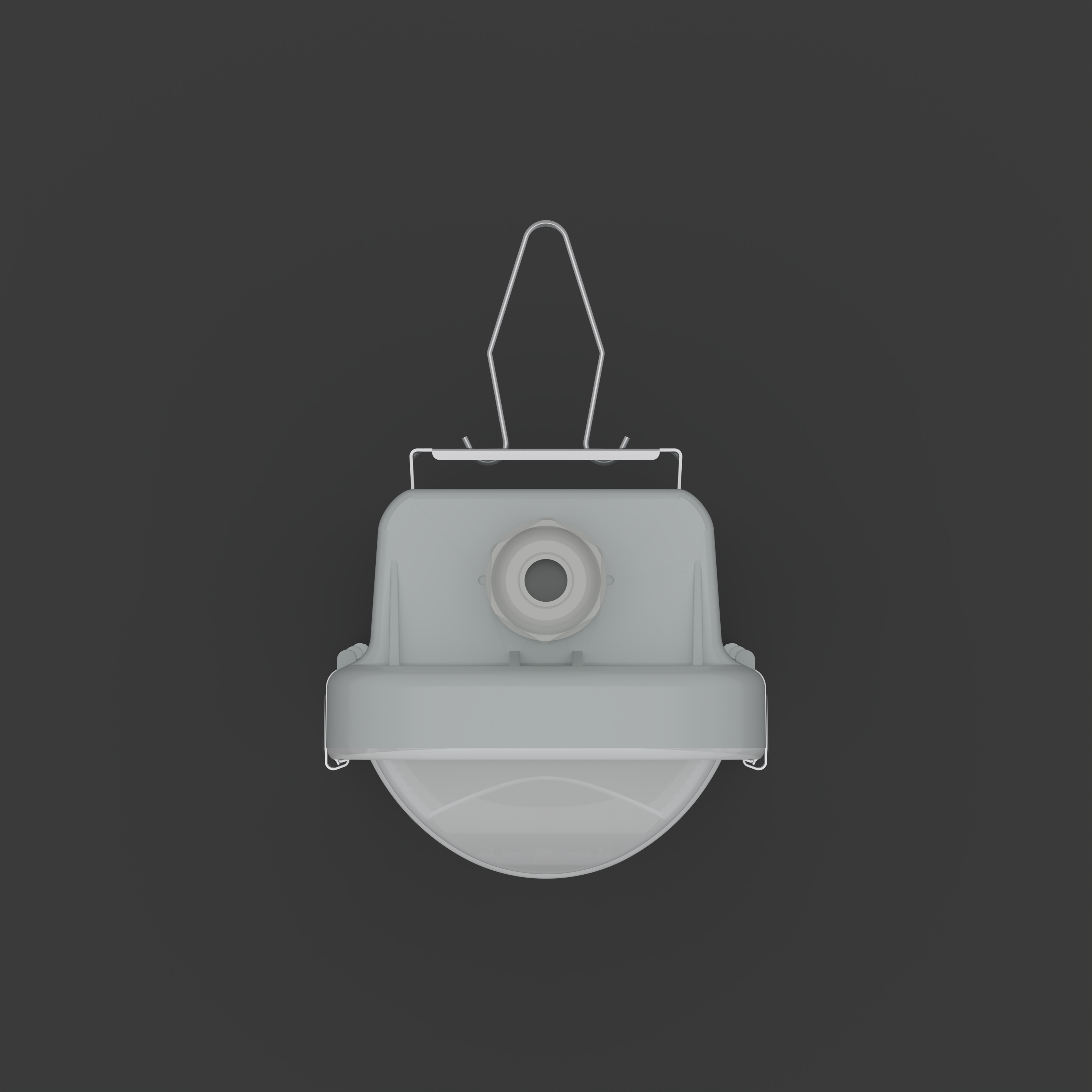
Understanding how a tri-proof light improves safety requires examining its engineering design and real-world performance in challenging environments. This lighting technology has become essential for facilities managing outdoor manufacturing, mining operations, dock loading, and warehouse distribution centers. The tri-proof light delivers measurable safety improvements by eliminating dark zones, reducing accident risk, and ensuring compliance with workplace safety standards across industrial and outdoor applications.
How Tri-Proof Light Technology Enhances Worker Visibility
Superior Brightness and Uniform Light Distribution
A tri-proof light produces consistent, high-output illumination that eliminates shadows and dark corners where accidents frequently occur. The tri-proof light fixture uses advanced LED technology to deliver brightness levels specifically calibrated for industrial tasks, ensuring workers can see hazards, equipment details, and movement clearly. This tri-proof light design maximizes light distribution across large areas, reducing the need for multiple fixtures and improving overall workplace visibility without creating glare.
The tri-proof light's uniform beam pattern prevents the dangerous flickering and shadow effects created by older fluorescent or incandescent systems. Workers performing precision tasks, operating heavy machinery, or navigating complex warehouse layouts benefit directly from the tri-proof light's reliable, flicker-free illumination. Enhanced visibility provided by a tri-proof light reduces eye strain, improves reaction time to hazards, and directly correlates with fewer workplace accidents in industrial environments.
Color Rendering and Hazard Recognition
The tri-proof light's color temperature and color rendering index are engineered to help workers identify hazards more effectively. A tri-proof light with proper color rendering allows workers to distinguish equipment conditions, spot warning labels and safety markings, and recognize potential dangers more quickly than traditional lighting systems. This tri-proof light capability becomes critical in environments where color-coded systems indicate equipment status, chemical identification, or safety protocols.
Durability and Environmental Protection Features
Water, Dust, and Impact Resistance in Harsh Conditions
The tri-proof light's primary distinguishing feature is its robust protection against three environmental threats: water infiltration, dust accumulation, and mechanical impact damage. In outdoor manufacturing facilities, coastal installations, or high-humidity environments, a tri-proof light maintains operational integrity where conventional lighting fails. The tri-proof light's sealed housing prevents water from entering electrical components, protecting against corrosion, electrical faults, and sudden failures that compromise worker safety.
A tri-proof light operates reliably in environments with heavy dust generation, such as mining operations, grain facilities, and construction sites. The tri-proof light's sealed design prevents dust accumulation on internal optics, maintaining consistent brightness output throughout the fixture's operational life. The tri-proof light's impact-resistant construction withstands vibrations from heavy machinery, occasional drops, and accidental contact without compromising its safety function.
Long-Term Reliability and Reduced Maintenance Downtime
Industrial operations cannot afford lighting failures that leave work areas dark and create safety hazards. The tri-proof light minimizes maintenance requirements and extends service intervals because its sealed design prevents environmental damage. A tri-proof light requires less frequent replacement than exposed fixtures, translating to reduced downtime, lower replacement costs, and more consistent safety performance across extended operational periods.
Compliance and Safety Standards Achievement
Meeting Industrial Lighting and Safety Regulations
Workplace safety regulations in industrial settings mandate specific lighting levels, flicker rates, and environmental protection standards. The tri-proof light is engineered to meet or exceed these regulatory requirements, including IEC 60598 standards for safety and performance. A tri-proof light installation demonstrates compliance with OSHA requirements for workspace illumination, reducing liability exposure and ensuring facilities maintain proper safety documentation during inspections.
The tri-proof light's design addresses hazardous location classifications by providing appropriate protection ratings for explosive atmospheres and extreme temperature environments. A tri-proof light with proper certifications ensures facilities operate legally and safely in regulated industries where lighting safety directly impacts licensing and operational permits. Choosing a tri-proof light that meets stringent compliance standards protects both workers and organizational risk profiles.
Accident Prevention and Liability Reduction
Statistics consistently demonstrate that inadequate workplace lighting increases accident rates, particularly in industrial environments where workers interact with machinery and heavy equipment. Installing a tri-proof light significantly reduces slip-trip-fall incidents, equipment-related injuries, and near-miss events by improving environmental visibility and hazard recognition. A tri-proof light's documented safety performance provides facilities with defensible evidence of safety commitment, supporting risk management and insurance positioning.
FAQ
What specific environmental protection does a tri-proof light provide compared to standard industrial lighting?
A tri-proof light offers superior environmental protection through sealed construction that prevents water ingress, dust accumulation, and mechanical damage. Standard industrial lighting typically lacks comprehensive protection in these three critical areas, making a tri-proof light the preferred choice for outdoor mining, coastal facilities, high-humidity environments, and locations exposed to dust-generating processes. The tri-proof light's integrated protection means fewer maintenance calls and more reliable safety performance throughout harsh operating conditions.
How does installing a tri-proof light impact overall workplace safety metrics and accident reduction?
Installing a tri-proof light directly improves visibility and hazard recognition, reducing slip-trip-fall incidents and equipment-related accidents. Facilities that upgrade to tri-proof light systems report measurable decreases in workplace injury rates, particularly in outdoor manufacturing and warehouse environments. The tri-proof light's consistent brightness and elimination of shadow zones create safer work areas where workers can identify hazards quickly and navigate complex spaces with confidence.
Is a tri-proof light cost-effective for long-term industrial operations compared to replacing damaged fixtures frequently?
A tri-proof light represents a cost-effective investment because its sealed design prevents environmental damage that typically requires frequent fixture replacement. Over a five-year operational period, a tri-proof light typically costs significantly less than maintaining conventional fixtures in harsh outdoor or industrial environments. The tri-proof light's durability, reduced maintenance downtime, and longer service intervals create positive return-on-investment metrics that justify initial purchase costs for serious industrial operators.
Table of Contents
- How Tri-Proof Light Technology Enhances Worker Visibility
- Durability and Environmental Protection Features
- Compliance and Safety Standards Achievement
-
FAQ
- What specific environmental protection does a tri-proof light provide compared to standard industrial lighting?
- How does installing a tri-proof light impact overall workplace safety metrics and accident reduction?
- Is a tri-proof light cost-effective for long-term industrial operations compared to replacing damaged fixtures frequently?