
 EN
EN
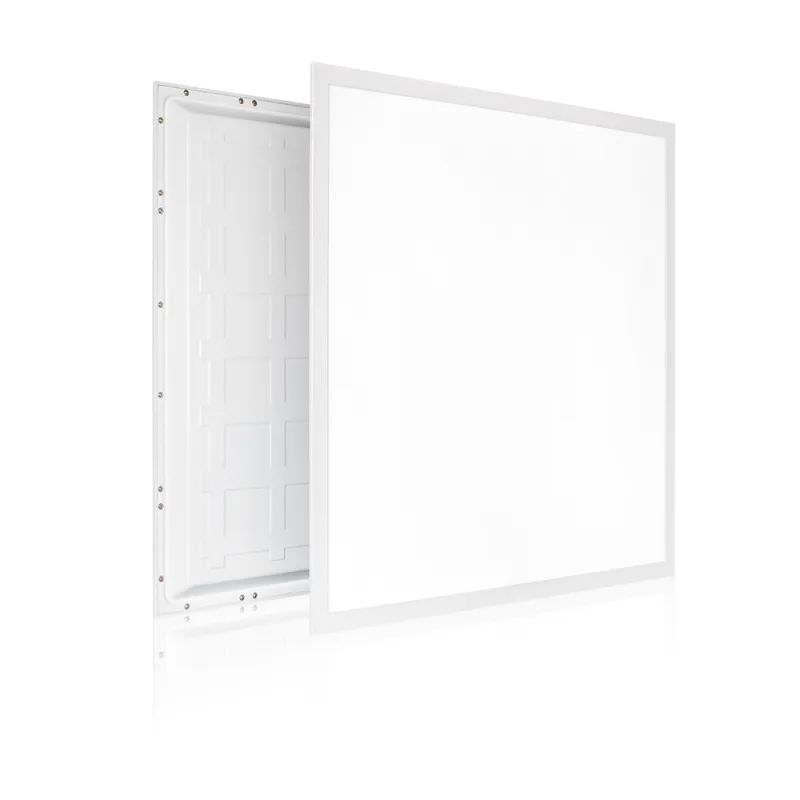
Modern interior design demands that every element serve dual purposes, and ceiling light fixtures have become essential to achieving this balance. A well-chosen ceiling light can transform a space by providing the illumination needed for daily tasks while simultaneously enhancing the room's visual appeal. The challenge lies in selecting a ceiling light that doesn't compromise either functionality or aesthetics, ensuring both practical brightness and design coherence.
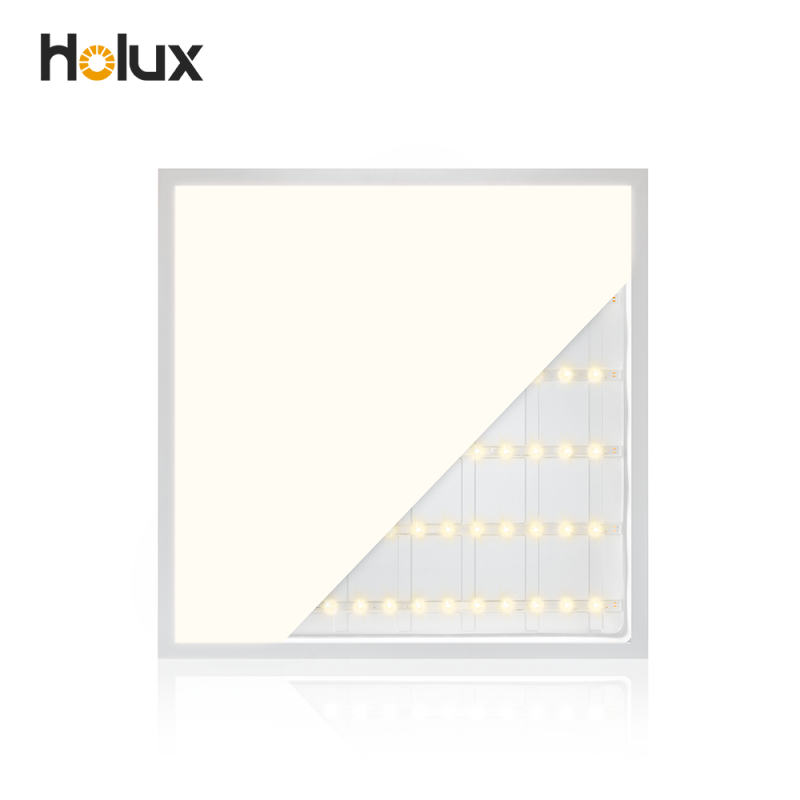
Understanding how to integrate a ceiling light into your space requires knowledge of lighting principles, material choices, and design trends. The right ceiling light solution adapts to various room types and purposes, from office environments requiring bright, focused illumination to living spaces where ambient warmth matters. This comprehensive guide explores how to achieve the perfect balance between practical lighting performance and visual design excellence.
Understanding Dual-Purpose Ceiling Light Design
The Balance Between Brightness and Aesthetics
A ceiling light must deliver adequate lumens for task completion while maintaining visual harmony with surrounding décor. Functionality in a ceiling light means providing consistent, flicker-free illumination that reduces eye strain and supports productivity. Simultaneously, the ceiling light's form, color temperature, and material finish must complement wall colors, furniture styles, and overall design themes. Modern ceiling light technology has evolved to enable this dual achievement through intelligent fixture design and advanced lighting solutions.
Key Performance Metrics for Ceiling Light Selection
Lumens output determines whether your ceiling light provides sufficient brightness for the room's intended use. Color rendering index (CRI) affects how accurately a ceiling light displays colors in your environment. Color temperature, measured in Kelvin, influences the mood created by the ceiling light—warmer tones (2700K) suit relaxation spaces while cooler tones (4000K or higher) enhance focus in work areas. A quality ceiling light balances these metrics to serve both functional and aesthetic needs effectively.
Integrating Ceiling Light into Room-Specific Contexts
Office and Workspace Ceiling Light Solutions
Professional environments require ceiling light fixtures that eliminate shadows and reduce glare on computer screens. The ceiling light in an office must deliver consistent, bright illumination without creating visual fatigue during extended work hours. Panel-style ceiling light options provide even light distribution across large workspaces while maintaining a clean, modern appearance. Energy-efficient ceiling light systems lower operational costs while delivering the 4000K to 5000K color temperature professionals expect for enhanced alertness and concentration.
Residential Ceiling Light and Living Spaces
Residential settings benefit from ceiling light solutions that adapt to multiple activities and moods throughout the day. Dimmable ceiling light fixtures allow residents to adjust brightness for morning routines, work-from-home tasks, or evening relaxation. Decorative ceiling light styles range from minimalist designs to statement pieces that express personal aesthetic preferences. A well-designed residential ceiling light serves as both a functional necessity and a design anchor that ties room décor together while providing the warm, inviting atmosphere homes require.
Material Choices and Design Elements for Ceiling Light
Surface and Finish Options
Ceiling light fixtures come in varied finishes that influence both durability and visual impact. Matte finishes on a ceiling light reduce reflection and glare while creating a contemporary appearance. Metallic finishes enhance a ceiling light's decorative value and complement modern or industrial design schemes. The material choice for your ceiling light affects maintenance requirements, longevity, and how well it resists dust accumulation in environments like kitchens or workshops where cleanliness matters.
Size and Proportions for Ceiling Light Placement
Proper sizing ensures the ceiling light visually balances within the room without appearing oversized or insignificant. A ceiling light that covers between 5 and 10 percent of the room's total area typically achieves optimal visual harmony. Rectangular ceiling light panels suit long, narrow spaces while square configurations work in compact areas. Ceiling light height placement affects both illumination coverage and how the fixture appears to viewers; ceiling light positioned at standard mounting heights ensures accessibility for maintenance while maintaining ideal lighting angles.
Technical Specifications That Support Dual-Purpose Ceiling Light Performance
LED Technology and Energy Efficiency
Modern LED-based ceiling light solutions consume significantly less energy than older technologies while delivering superior brightness and lifespan. LED ceiling light systems generate minimal heat, improving workplace comfort and reducing cooling costs. A quality ceiling light using LED technology typically lasts 25,000 to 50,000 hours, reducing replacement frequency and maintenance labor. The directional nature of LED light in a ceiling light fixture minimizes wasted illumination compared to traditional incandescent or fluorescent ceiling light alternatives.
Control Systems That Enhance Ceiling Light Flexibility
Smart dimming controls transform a ceiling light into an adaptive lighting solution that responds to user preferences and ambient light levels. Motion sensors integrated into a ceiling light maximize energy savings by automatically adjusting brightness based on occupancy. Color temperature adjustment capabilities allow users to modify how a ceiling light performs throughout the day, matching circadian rhythms and activity requirements. Advanced ceiling light control systems enable scheduling features that optimize energy use in commercial facilities while maintaining comfort in residential applications.
FAQ
How do I choose between different ceiling light color temperatures?
Select a ceiling light color temperature based on the room's primary function and desired atmosphere. Office and task-focused spaces typically require 4000K to 5000K ceiling light for alertness and accurate color perception. Residential living areas benefit from 2700K to 3000K ceiling light that creates warmth and encourages relaxation. Kitchens and bathrooms perform well with 3500K to 4000K ceiling light that balances functionality with comfort.
Can a single ceiling light fixture adequately illuminate a large room?
A single ceiling light may need supplementation depending on room size, ceiling height, and lumen output specifications. Large open spaces often benefit from multiple ceiling light fixtures positioned strategically to eliminate dark corners and shadows. Combining a primary ceiling light with accent or task lighting ensures comprehensive illumination while creating layered visual interest. Calculate required lumens based on square footage—typically 10 to 20 lumens per square foot—to determine if your ceiling light choice provides adequate brightness.
What maintenance does a ceiling light system require?
Regular ceiling light maintenance includes periodic dusting to prevent light output degradation from accumulated particles. Check ceiling light fixtures quarterly for loose connections or visible wear that might indicate maintenance needs. LED ceiling light systems rarely require component replacement during their lifespan, though occasional ballast or control system checks ensure optimal performance. Professional cleaning of ceiling light fixtures in commercial spaces—particularly in dusty or humid environments—extends fixture life and maintains design integrity.