
 EN
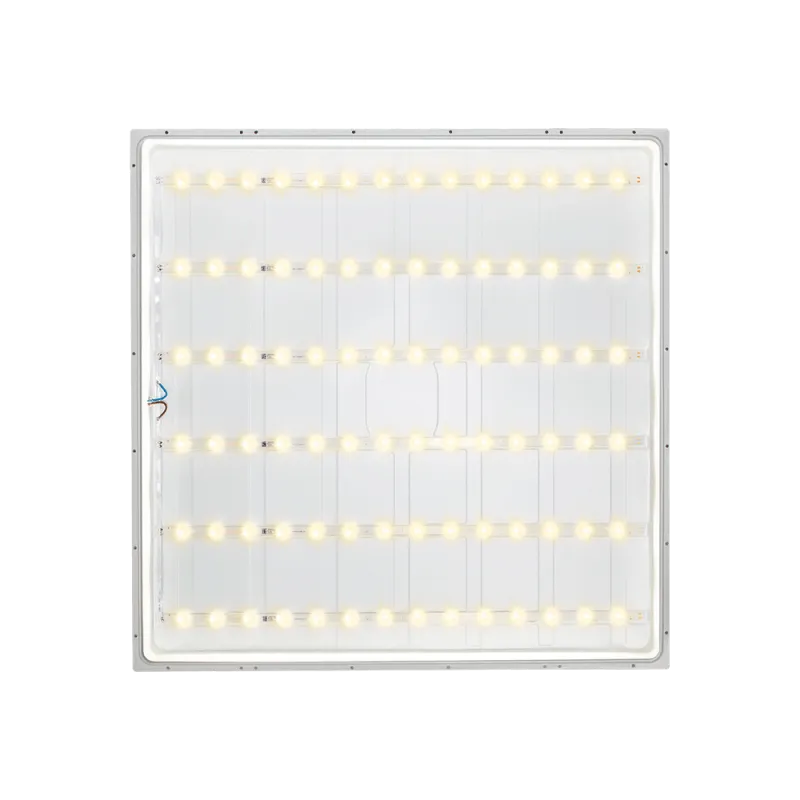
The right ceiling light transforms indoor spaces into welcoming, comfortable environments where guests and residents feel genuinely satisfied. Hotels and apartments depend on thoughtfully designed lighting solutions to create the right atmosphere, support productive activities, and establish a professional or residential ambiance. Poor lighting choices lead to eye strain, reduced comfort, and complaints about dark or harsh environments. A well-selected ceiling light addresses these challenges head-on by delivering consistent illumination, energy efficiency, and aesthetic appeal that elevates the entire space.
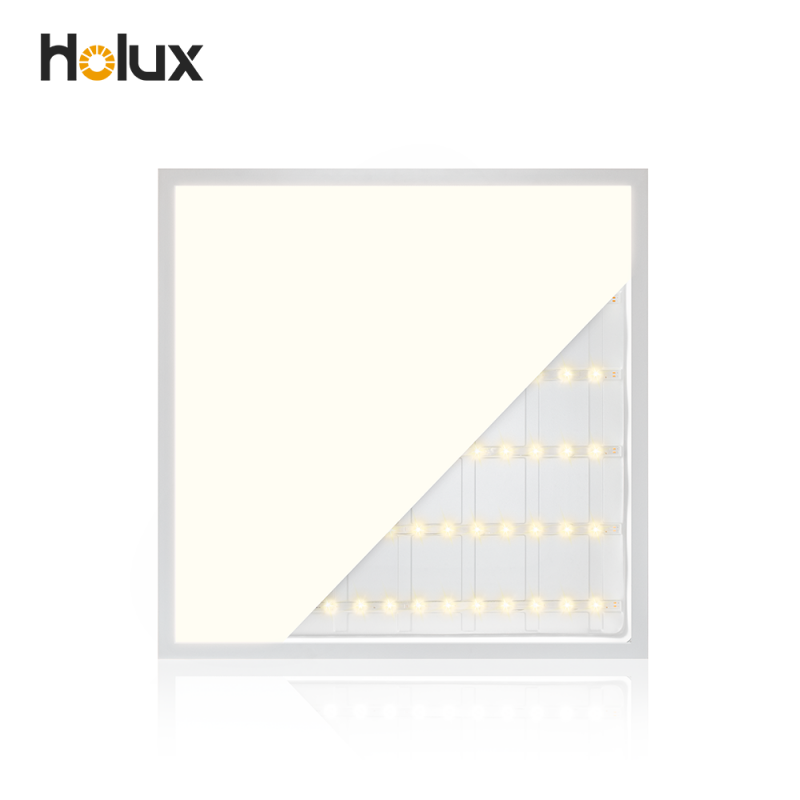
Modern ceiling light technology offers hotel managers and apartment owners unprecedented control over brightness, color temperature, and energy consumption. The shift from traditional incandescent and fluorescent fixtures to advanced LED ceiling light systems has revolutionized how lighting quality is measured and delivered. Understanding the factors that enhance lighting quality helps property managers make informed decisions that improve occupant satisfaction while reducing operational costs.
How Ceiling Light Impacts Visual Comfort and Ambiance
Color Temperature and Mood Setting
The color temperature of a ceiling light significantly influences how guests and residents perceive a space. Warm white light (2700K to 3000K) creates a cozy, inviting atmosphere ideal for hotel lobbies, living areas, and bedrooms. Cool white light (4000K to 5000K) enhances clarity and focus, making it perfect for work areas, kitchens, and bathrooms. A strategically chosen ceiling light color temperature ensures occupants feel relaxed or energized depending on the room's function. Hotels often use adjustable ceiling light systems that shift color temperature throughout the day to align with natural daylight patterns, supporting circadian rhythms and enhancing overall well-being.
Brightness Consistency and Flicker Reduction
Quality ceiling light fixtures eliminate flicker and provide consistent illumination levels that prevent eye fatigue. Cheap, low-quality ceiling lights often flicker at imperceptible frequencies that strain the eyes and cause headaches during extended exposure. Premium ceiling light systems include advanced drivers and stabilization technology that ensure rock-solid brightness output. This consistency matters especially in hotel rooms where guests spend significant time reading, working on laptops, or relaxing. A reliable ceiling light should maintain uniform brightness across the entire space without dark corners or hot spots, creating a professional, comfortable environment that earns positive guest reviews.
Energy Efficiency and Operational Cost Reduction
LED Technology Advantages for Ceiling Light Systems
LED-based ceiling light solutions consume 75 percent less energy than traditional incandescent fixtures while delivering superior light quality. Hotels and apartment complexes with hundreds of rooms see dramatic electricity bill reductions when upgrading to energy-efficient ceiling light technology. A single LED ceiling light fixture can operate for 50,000 hours or more before requiring replacement, compared to just 1,000 hours for incandescent bulbs. This longevity translates to reduced maintenance labor, lower replacement costs, and fewer service disruptions in occupied rooms. Property managers appreciate that modern ceiling light LED systems generate minimal heat, improving air conditioning efficiency during warm seasons and contributing to sustainability goals.
Smart Controls and Usage Optimization
Intelligent ceiling light control systems allow property managers to optimize energy consumption through occupancy sensors, daylight harvesting, and scheduled dimming. Motion sensors automatically reduce ceiling light brightness or turn fixtures off when rooms are unoccupied, eliminating waste in hallways, stairwells, and storage areas. Daylight sensors adjust ceiling light output based on natural window light, preventing overillumination and maximizing energy savings. Hotels implementing smart ceiling light management report 30 to 50 percent reductions in lighting-related energy costs while maintaining excellent guest comfort and satisfaction levels.
Design Aesthetics and Guest Perception
Visual Design Elements of Premium Ceiling Light Fixtures
The physical appearance of a ceiling light contributes significantly to interior design quality and overall aesthetic impression. Modern ceiling light fixtures are available in sleek, minimalist designs that complement contemporary decor, as well as decorative styles that enhance classic or luxury room aesthetics. Frameless, thin-profile ceiling light panels create seamless, sophisticated looks that make spaces feel larger and more refined. Hotels targeting luxury segments invest in high-end ceiling light fixtures that serve as design focal points rather than purely functional components. Quality ceiling light choices signal attention to detail and professionalism that subtly influence how guests perceive room value and service quality.
Uniform Illumination and Shadow Elimination
Superior ceiling light systems eliminate shadows and dark zones that create visual discomfort and make spaces feel cramped or unwelcoming. Diffusion technology in premium ceiling light fixtures spreads light evenly across the entire room surface, preventing the harsh spotlighting effect common in budget installations. Apartments with properly designed ceiling light placement ensure bathrooms, kitchens, and living areas receive balanced, shadow-free illumination that supports everyday activities. Occupants report higher satisfaction with living spaces when ceiling light fixtures provide this professional-quality, even distribution rather than the uneven lighting associated with cheaper alternatives.
FAQ
What Color Temperature Should a Ceiling Light Provide for Hotel Guest Rooms?
Most hotels select warm white ceiling light between 2700K and 3000K for guest bedrooms to promote relaxation and sleep quality. This color temperature mimics late-evening natural light and helps guests adjust their circadian rhythms positively. For work-focused hotel spaces like business centers, 4000K to 5000K ceiling light improves focus and alertness. Many properties install ceiling light systems with adjustable color temperature, allowing guests to customize their lighting preferences.
How Much Energy Can Hotels Save by Upgrading to Quality Ceiling Light LED Systems?
Hotels replacing traditional fixtures with LED ceiling light technology typically achieve 30 to 50 percent reductions in lighting energy costs depending on current infrastructure and control sophistication. A property with 200 guest rooms can save $15,000 to $30,000 annually through efficient ceiling light upgrades, with payback periods between 2 and 5 years. The additional lifespan of LED ceiling light systems eliminates ongoing replacement costs and maintenance labor, extending the overall financial benefit substantially beyond direct energy savings.
Can Apartments Benefit from Smart Ceiling Light Control Systems?
Yes, apartments increasingly adopt smart ceiling light features like occupancy sensors, dimming capabilities, and scheduled automation to enhance convenience and reduce energy costs. Residents appreciate voice-controlled ceiling light systems integrated with smart home platforms that allow lighting adjustments without leaving bed or couch. Even modest smart ceiling light installations save 20 to 35 percent on electricity while improving resident satisfaction and perception of modern amenities in the property.