
 EN
EN
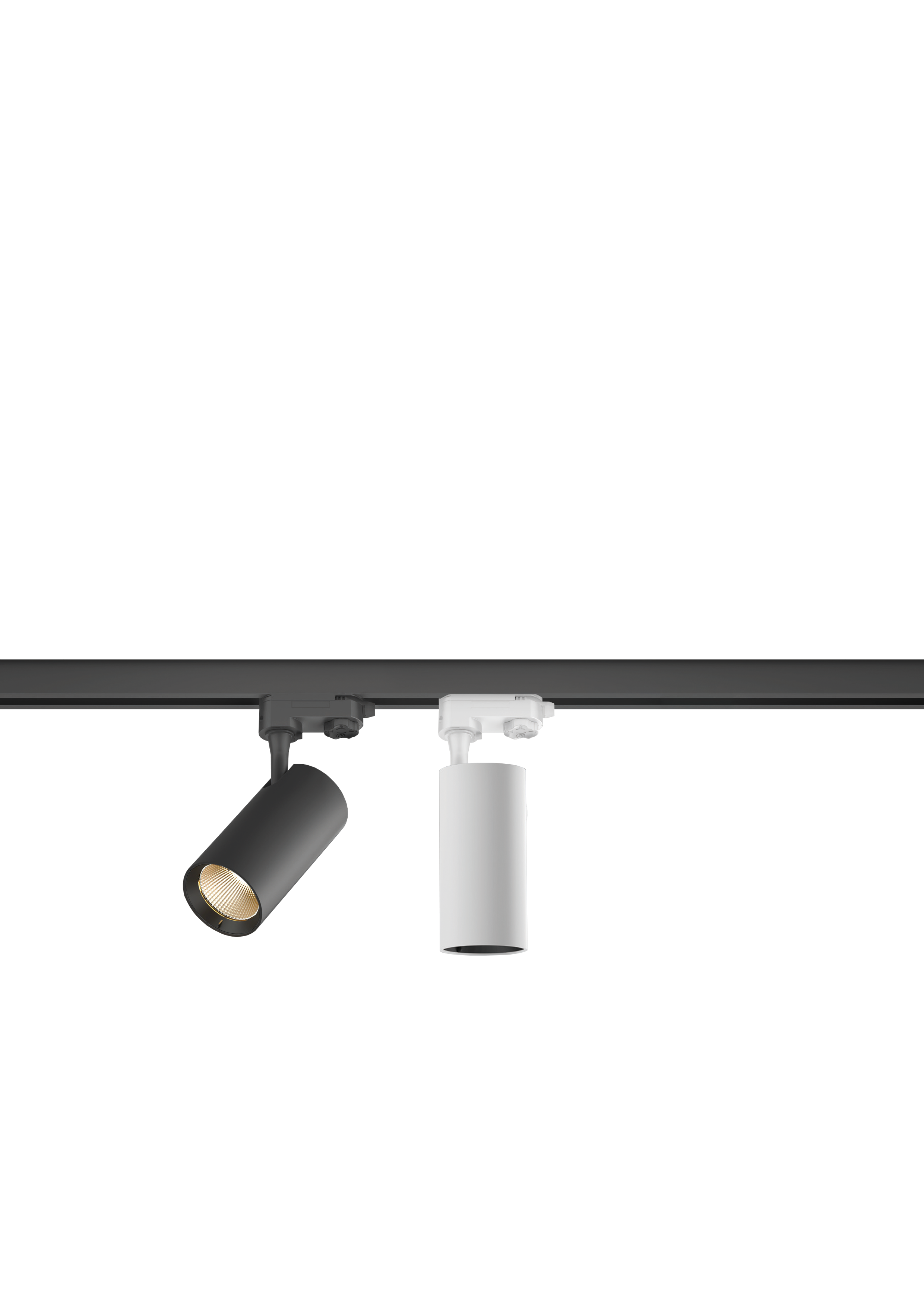
Interior designers consistently turn to the LED track light as one of the most versatile tools in a modern lighting scheme. Whether the project involves a residential loft, a retail boutique, or a contemporary office, the LED track light delivers the precise combination of flexibility, efficiency, and aesthetic coherence that modern interiors demand. Understanding how designers actually integrate this fixture into real spaces reveals a disciplined process far deeper than simply mounting a track on the ceiling.
Every successful LED track light installation begins with a clear design intention. Designers do not treat the LED track light as an afterthought. Instead, they incorporate it early in the spatial planning phase, aligning the fixture's directional capability with the room's functional zones, traffic flow, and focal points. This early integration is what separates a polished result from a cluttered ceiling filled with misdirected light.
Spatial Planning and Layout Strategy for LED Track Light
Mapping Functional Zones Before Installation
Before a single LED track light is ordered, experienced designers map the room into distinct functional zones. In an open-plan living space, for example, the cooking area, dining zone, and lounge each carry different lighting needs. The LED track light is uniquely suited to serve multiple zones from a single continuous track run. Designers plot the track position to travel across or alongside these zones, then assign each LED track light head a specific task — task illumination over a kitchen counter, accent light over artwork, or ambient wash across a seating area.
This zone-mapping process also accounts for ceiling height. A higher ceiling allows a wider beam LED track light to spread light more gradually, while lower ceilings benefit from a narrower-beam LED track light that delivers focused brightness without glare. Designers adjust the beam angle of each LED track light individually so the overall effect feels intentional and balanced rather than scattered.
Track Orientation and Ceiling Integration
Track orientation is a critical decision in LED track light integration. A linear track running parallel to the longest wall tends to emphasize the room's depth. A perpendicular or grid-format LED track light layout, on the other hand, creates a more structured, gallery-like environment. In retail and hospitality settings, designers frequently use a grid of LED track light systems to achieve consistent coverage while retaining the ability to reposition individual heads as merchandise or furnishings change. The LED track light mounting method — surface-mounted, recessed, or suspended — is also chosen to complement the ceiling architecture rather than conflict with it.
Layered Lighting Design with LED Track Light
Combining Ambient, Task, and Accent Roles
One of the most sophisticated techniques designers use is layering the LED track light within a broader lighting hierarchy. No room relies solely on a single LED track light system. Instead, the LED track light typically fills the accent and task layers, while a separate ambient source — perhaps a diffuse ceiling panel or concealed cove lighting — handles the base illumination. This layering prevents the harsh shadows that occur when a LED track light works alone as the only light source in a space.
In a residential bedroom, a designer might position one LED track light to wash a textured feature wall, a second LED track light to illuminate a reading chair, and a third LED track light to graze a bedside artwork. Each LED track light is adjusted independently, and together they build a warm, dimensional atmosphere. The flexibility to aim each LED track light head in a different direction without rewiring is what makes this layered approach practical and cost-effective.
Dimming and Color Temperature Control
Modern integration of LED track light always includes dimming capability. Designers specify dimmable LED track light drivers and compatible wall controls so that occupants can shift the room's mood from bright and energetic to soft and relaxed. Color temperature selection is equally deliberate. A warm white LED track light at 2700K suits residential living rooms and hospitality venues, while a neutral white LED track light at 3500K or a cool white LED track light at 4000K serves retail displays and workspaces where color accuracy matters. Choosing the correct color temperature for each LED track light ensures the materials, finishes, and artwork in the space look their best under real conditions.
Style Harmony and Aesthetic Integration of LED Track Light
Matching the LED Track Light to Interior Finishes
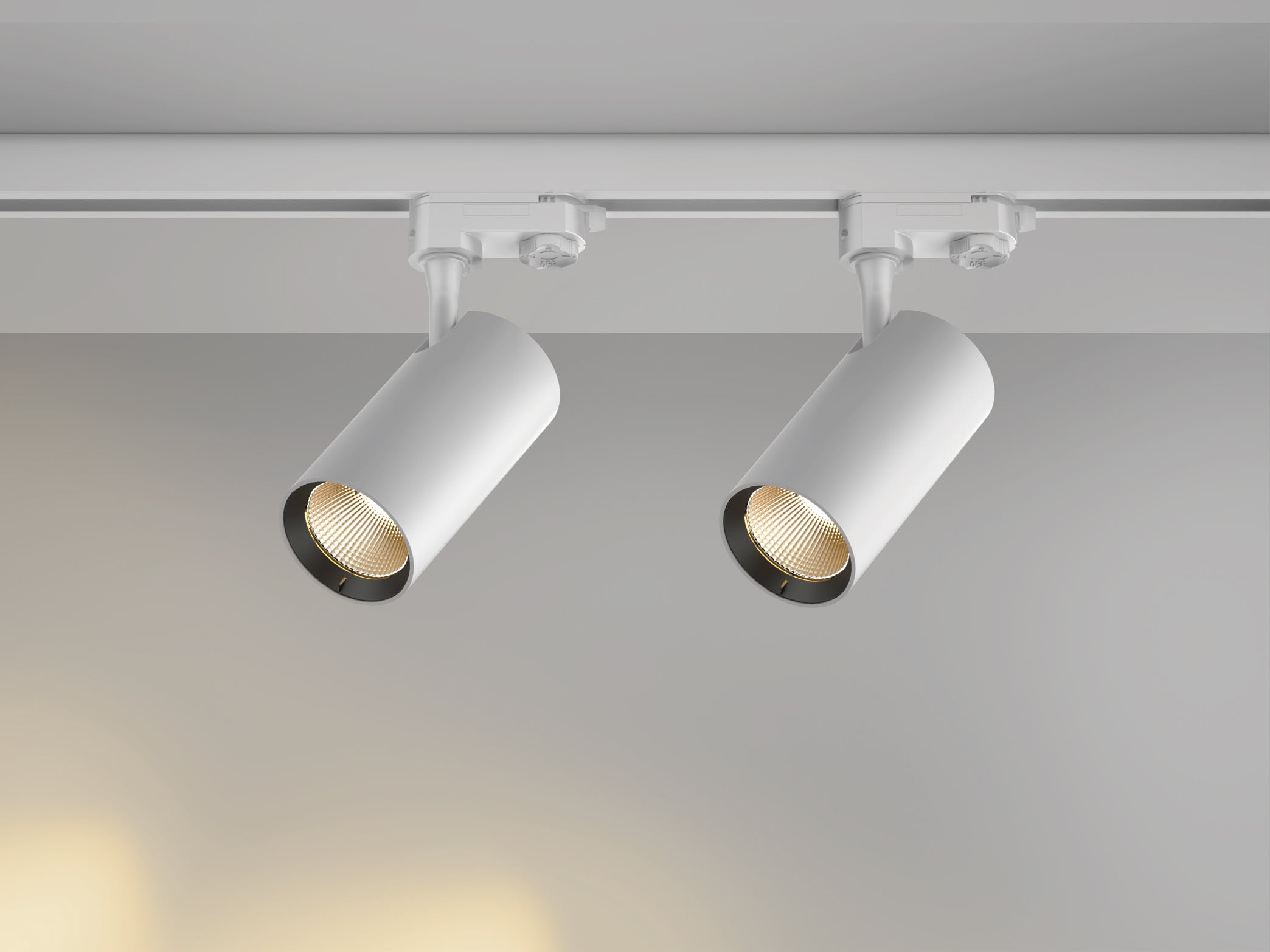
A well-integrated LED track light disappears visually when the lights are off and commands the room beautifully when they are on. Designers achieve this by matching the LED track light housing and track finish to the surrounding architecture. In a minimalist space with white ceilings and exposed concrete, a matte white or matte black LED track light creates clean visual consistency. In an industrial loft with exposed metal conduit and dark ironwork, a gunmetal or brushed steel LED track light aligns naturally with the material palette. The LED track light becomes part of the interior composition rather than a utilitarian interruption.
Scale, Proportion, and Visual Weight
Proportion matters as much as finish. An oversized LED track light head on a delicate residential track looks clumsy, while an undersized LED track light in a high-ceiling commercial hall looks inadequate. Designers carefully match the physical scale of the LED track light to the room's volume and the weight of the other furnishings. In spaces with bold architectural details — exposed beams, dramatic arches, or double-height walls — a more substantial LED track light fixture reinforces the sense of intentional design. In compact rooms, a slim-profile LED track light keeps the ceiling visually light and uncluttered. Consistent attention to scale ensures the LED track light reads as a deliberate design element.
FAQ
How many LED track light heads should a room typically have?
The number of LED track light heads depends on the room's square footage, ceiling height, and the beam angle of each LED track light. As a practical guideline, designers often space each LED track light head roughly one meter apart along the track, then adjust based on the specific tasks each LED track light must perform. A small 15-square-meter room might use three to five LED track light heads, while a larger open-plan space may require ten or more distributed across multiple track runs.
Can an LED track light replace all ceiling lighting in a modern space?
A LED track light can cover task and accent lighting very effectively, but most designers recommend pairing it with an ambient light source for a complete scheme. Relying solely on a LED track light often creates bright spots and shadows rather than even, comfortable illumination. Combining a LED track light with cove lighting, pendant fixtures, or diffuse panels produces a richer, more livable result in both residential and commercial environments.
What is the best color temperature for an LED track light in a living room?
For residential living rooms, a LED track light rated at 2700K to 3000K delivers a warm, inviting glow that flatters skin tones and natural materials. If the living room also serves as a workspace or display area, a LED track light at 3000K to 3500K offers slightly better color rendering while retaining a comfortable warmth. Designers often recommend selecting a dimmable LED track light so the color temperature's impact can be adjusted alongside the brightness level throughout the day.