
 EN
EN
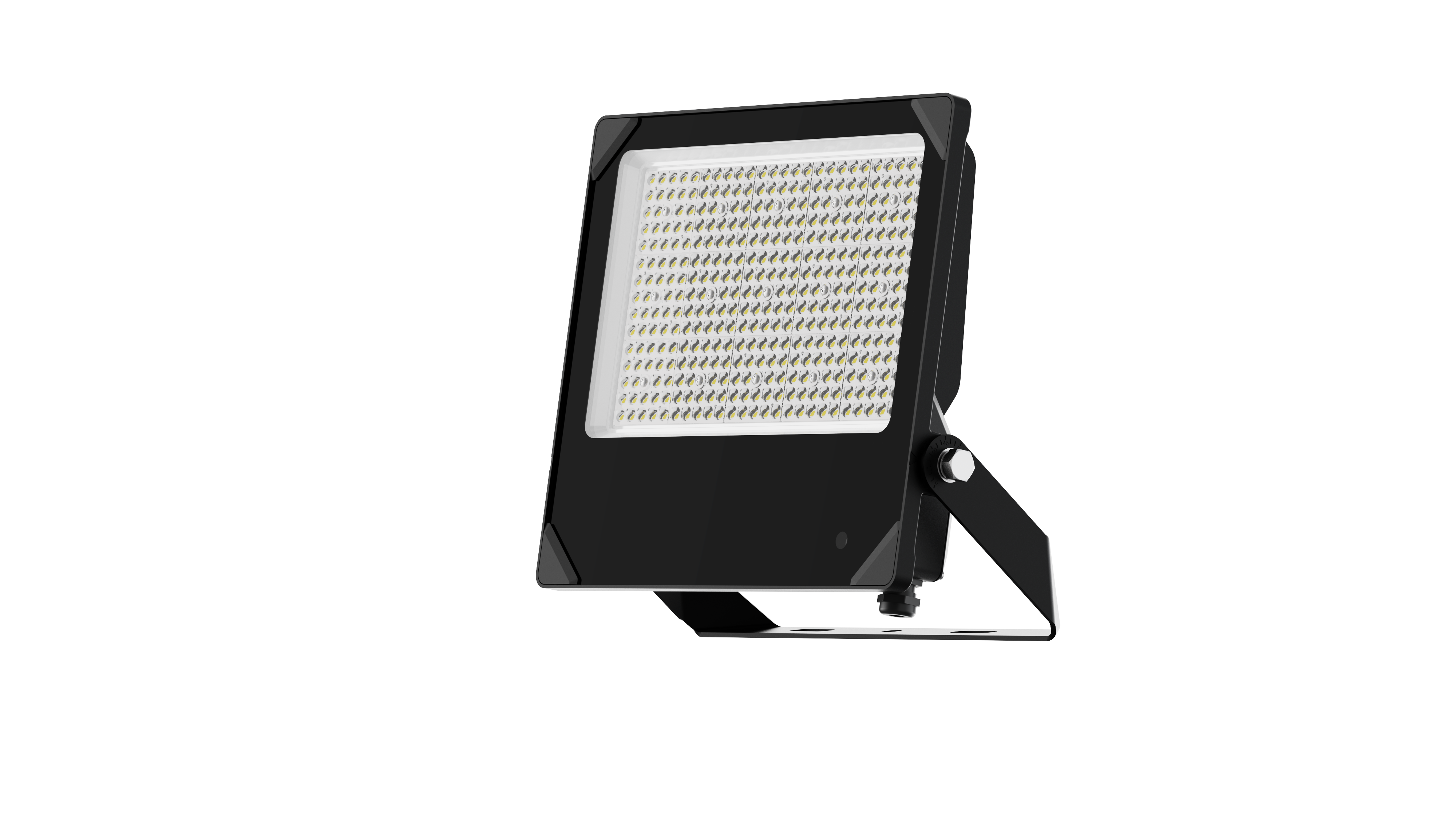
When facility managers and outdoor lighting designers evaluate fixtures for demanding installations, the performance of an LED flood light in harsh weather environments becomes a central concern. Whether a site faces torrential rain, extreme heat, sub-zero cold, or relentless coastal humidity, the LED flood light must continue operating reliably without compromising safety or visibility. Understanding how these fixtures are engineered to withstand environmental stress is essential for making the right procurement decision.
A well-specified LED flood light is not simply a lamp placed inside a weatherproof shell. Its performance depends on a combination of thermal management, ingress protection ratings, material selection, and driver electronics that together determine how the fixture survives and delivers consistent output across a wide range of real-world conditions. This article explores the core factors that define LED flood light performance in challenging outdoor environments.
Protection Ratings and What They Mean for Outdoor Use
Understanding IP Ratings for an LED Flood Light
The ingress protection rating, commonly known as the IP rating, is the most direct indicator of how well an LED flood light resists moisture and dust. An LED flood light rated IP65 is fully dust-tight and protected against directed water jets, making it suitable for most outdoor installations exposed to rain. An LED flood light rated IP66 or IP67 offers even stronger protection, withstanding powerful water jets or temporary immersion, which is critical in flood-prone zones or car wash facilities. Choosing an LED flood light with the correct IP rating for the installation environment is not optional — it directly affects product lifespan and maintenance cost.
Beyond the IP rating, an LED flood light intended for harsh locations should also carry an IK rating indicating mechanical impact resistance. Sites near traffic, industrial operations, or high-wind debris zones require an LED flood light that can physically withstand collision forces without cracking the housing or compromising the seal. A combination of high IP and IK ratings provides the most comprehensive protection for an LED flood light deployed in demanding outdoor scenarios.
Corrosion Resistance in Humid and Coastal Environments
Coastal installations introduce salt-laden air that aggressively corrodes standard aluminum housings. An LED flood light engineered for marine or coastal use typically features a die-cast aluminum body with a specialized anti-corrosion coating or anodized finish. Stainless steel mounting hardware prevents rust from forming at connection points, which is often where corrosion begins. When evaluating an LED flood light for port facilities, offshore platforms, or beachfront applications, verifying the corrosion protection specification is just as important as checking the lumen output.
Thermal Performance Across Temperature Extremes
How Heat Affects LED Flood Light Output and Longevity
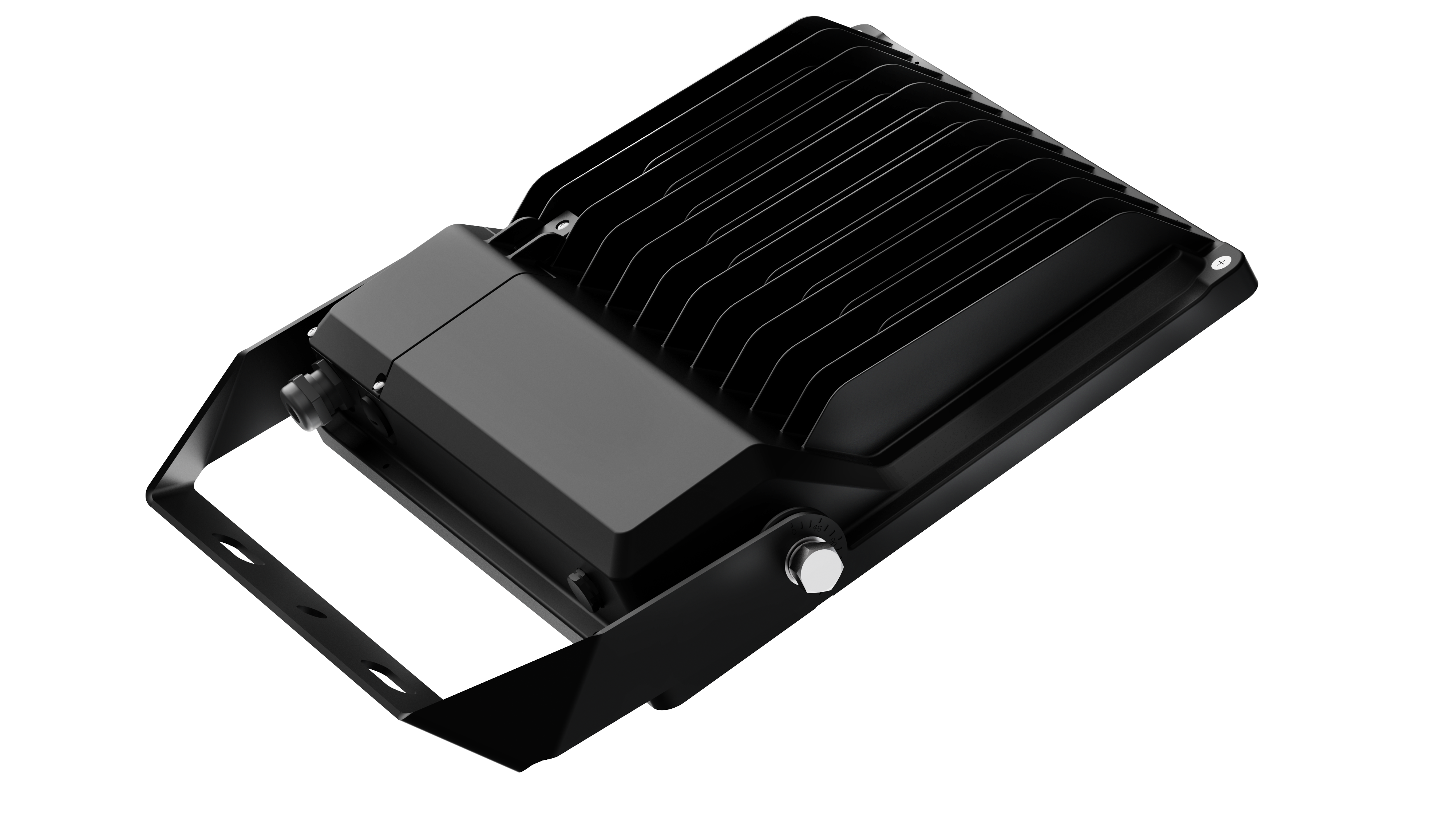
Heat is one of the primary enemies of LED technology. An LED flood light operating in high-temperature climates, such as desert regions or rooftop installations with direct sun exposure, must manage junction temperature carefully. When the LED junction temperature rises beyond acceptable limits, the LED flood light experiences lumen depreciation, color shift, and reduced operational life. Quality LED flood light products address this through optimized heat sink designs, thermally conductive materials, and driver circuits that reduce heat generation at the source. The thermal resistance pathway from the LED chip to the ambient air must be engineered with precision to keep the LED flood light performing consistently in summer heat.
An LED flood light with passive cooling through fin-structured aluminum heat sinks generally outperforms alternatives that rely on sealed housing without airflow channels. Passive thermal management ensures that the LED flood light maintains stable output even after extended run times in hot environments. Buyers should request lumen maintenance data at elevated ambient temperatures to compare how different LED flood light products actually perform under real operating conditions.
Cold Weather Operation and Driver Reliability
At the other extreme, an LED flood light deployed in cold climates faces different challenges. LED chips themselves tend to perform better at lower temperatures, but the driver electronics inside an LED flood light can be vulnerable to cold-start failures or capacitor degradation in sub-zero conditions. A well-designed LED flood light will specify a minimum operating temperature, often as low as minus 40 degrees Celsius for industrial-grade products. Selecting an LED flood light with a wide operating temperature range ensures reliable ignition and stable operation in freezing warehouses, outdoor stadiums, mining sites, and alpine infrastructure.
Wind Load, Mounting Integrity, and Long-Term Structural Reliability
Structural Design for High-Wind Installations
An LED flood light mounted on a pole or building facade in a high-wind region must be engineered to resist wind load without loosening, vibrating excessively, or failing at the bracket. The LED flood light housing profile, mounting bracket design, and fastener specification all contribute to wind resistance. A compact, low-profile LED flood light body naturally presents less wind resistance than a bulky alternative, which reduces mechanical stress on the mounting structure over time. For installations in cyclone-prone areas or elevated positions, requesting wind load certification or structural calculation data from the LED flood light supplier is a reasonable due diligence step.
Vibration Resistance in Industrial and Traffic Environments
Industrial sites, bridges, railways, and highways expose an LED flood light to continuous vibration. Repeated mechanical shock can loosen internal components, fracture solder joints, or cause optical misalignment in an LED flood light not designed for such conditions. Vibration-resistant LED flood light products feature potted or mechanically secured driver assemblies, reinforced lens attachments, and thread-locking hardware. Verifying vibration resistance specifications helps procurement teams avoid premature failures in high-vibration deployments where access for maintenance is difficult and costly.
FAQ
What IP rating should an LED flood light have for outdoor use in heavy rain?
For outdoor environments exposed to heavy rain or water jets, an LED flood light should have a minimum rating of IP65. For more severe conditions such as flooding or high-pressure wash-down areas, an LED flood light rated IP66 or IP67 provides stronger protection and longer operational reliability.
Can an LED flood light operate reliably in very cold temperatures?
Yes, a quality LED flood light designed for cold climates can operate reliably in temperatures as low as minus 40 degrees Celsius. The key factor is the driver specification. Always verify the minimum operating temperature listed in the LED flood light datasheet before deploying in freezing environments.
How does high ambient temperature affect the lifespan of an LED flood light?
Elevated ambient temperature increases the LED junction temperature inside an LED flood light, which accelerates lumen depreciation and shortens the rated lifespan. Choosing an LED flood light with an optimized heat sink design and requesting lumen maintenance data at high ambient temperatures helps ensure the fixture meets its performance expectations over its full service life.