
 EN
EN
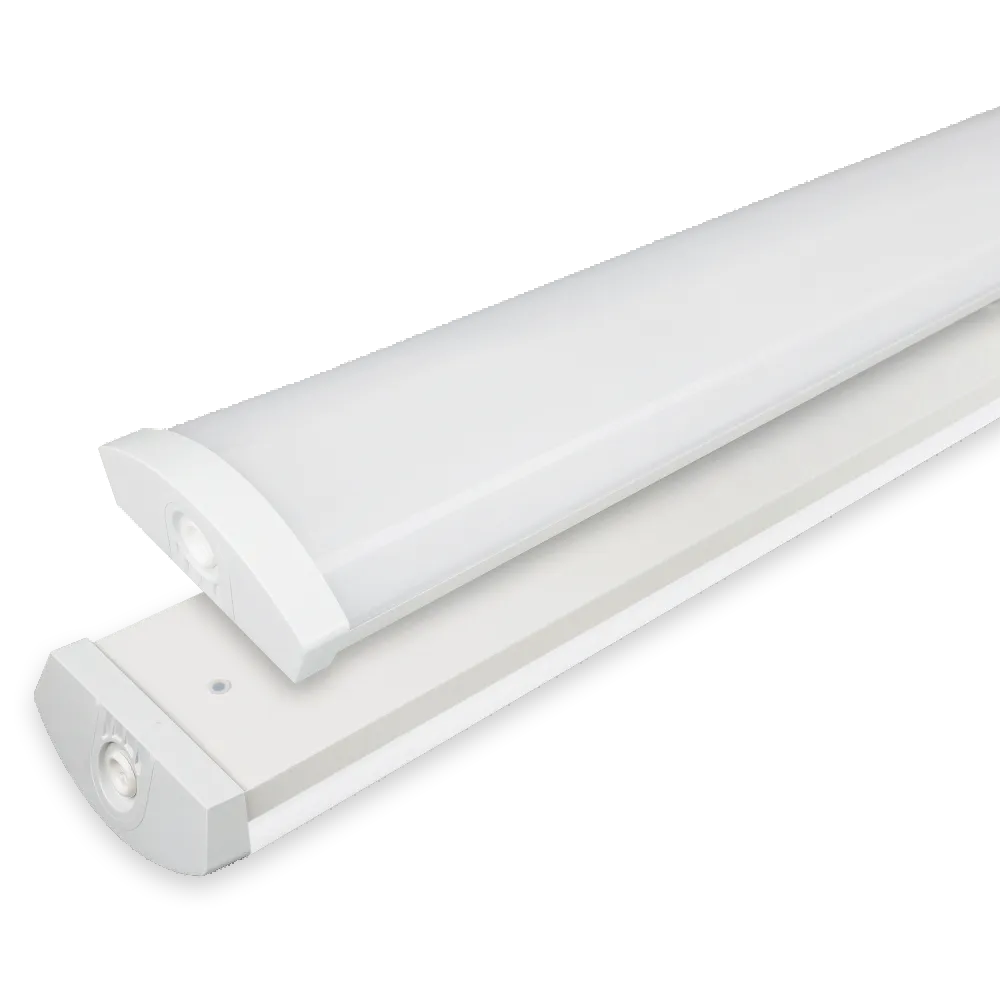
Modern buildings are increasingly sophisticated in their approach to performance optimization, with commercial lighting serving as a critical component in achieving energy efficiency, occupant comfort, and operational cost reduction. The strategic implementation of advanced commercial lighting systems enables facility managers to create environments that not only reduce energy consumption by up to 75% compared to traditional lighting but also enhance productivity, safety, and overall building value. Understanding how contemporary structures leverage commercial lighting technology provides valuable insights for property owners, architects, and facility managers seeking to maximize building performance while minimizing operational expenses.
The transformation of building performance through commercial lighting optimization involves multiple interconnected systems working in harmony to deliver measurable results across energy consumption, maintenance costs, and occupant satisfaction metrics. Modern commercial lighting solutions integrate seamlessly with building management systems, creating intelligent environments that adapt to occupancy patterns, natural light availability, and specific functional requirements throughout different zones of the facility. This comprehensive approach to lighting optimization represents a fundamental shift from traditional illumination practices toward data-driven, performance-focused lighting strategies that deliver quantifiable returns on investment.
Energy Management Through Advanced Commercial Lighting Systems
Smart Controls Integration and Automation
Modern buildings achieve significant energy optimization through the integration of intelligent commercial lighting controls that respond dynamically to environmental conditions and occupancy patterns. These sophisticated systems utilize occupancy sensors, daylight harvesting technology, and programmable scheduling to ensure that commercial lighting operates only when needed and at optimal intensity levels. The automation capabilities of contemporary commercial lighting systems enable buildings to reduce energy consumption by automatically adjusting light output based on available natural light, occupancy status, and predetermined operational schedules.
Advanced commercial lighting management platforms provide facility managers with granular control over lighting zones, allowing for precise energy allocation based on specific area requirements and usage patterns. These systems continuously monitor and analyze commercial lighting performance, generating detailed reports that identify opportunities for further energy optimization and cost reduction. The integration of artificial intelligence and machine learning algorithms enables commercial lighting systems to learn from occupancy patterns and environmental conditions, automatically optimizing performance without manual intervention.
LED Technology Implementation and Efficiency Gains
The adoption of LED-based commercial lighting represents one of the most significant contributors to building energy optimization, delivering efficiency improvements that range from 50% to 80% compared to traditional fluorescent and incandescent technologies. Modern LED commercial lighting fixtures provide superior lumens per watt ratios while maintaining consistent color temperature and light quality throughout their extended operational lifespan. The inherent efficiency of LED commercial lighting technology, combined with advanced driver systems and thermal management, enables buildings to achieve substantial reductions in both energy consumption and cooling loads.
Contemporary LED commercial lighting solutions offer enhanced controllability through dimming capabilities and color tuning features that were previously unavailable with traditional lighting technologies. This controllability enables building operators to fine-tune commercial lighting performance based on specific task requirements, time of day, and occupant preferences, further optimizing energy consumption while maintaining optimal illumination levels. The rapid payback periods associated with LED commercial lighting upgrades, typically ranging from two to five years, make these investments financially attractive while delivering immediate energy performance improvements.
Occupant Comfort and Productivity Enhancement
Circadian Rhythm Support and Human-Centric Design
Modern buildings optimize performance by implementing human-centric commercial lighting designs that support natural circadian rhythms and enhance occupant wellbeing throughout the workday. These advanced commercial lighting systems automatically adjust color temperature and intensity levels to mimic natural daylight patterns, promoting alertness during peak productivity hours and supporting relaxation during evening periods. The implementation of tunable white commercial lighting technology enables buildings to create dynamic lighting environments that actively contribute to occupant health and cognitive performance.
Research demonstrates that properly designed commercial lighting systems can improve occupant productivity by 15% to 25% while reducing eyestrain, headaches, and fatigue commonly associated with poor lighting conditions. Modern commercial lighting installations incorporate individual zone controls and personal adjustment capabilities, allowing occupants to customize their lighting environment based on personal preferences and task requirements. This personalization aspect of commercial lighting optimization contributes significantly to overall building performance by enhancing occupant satisfaction and retention rates.
Visual Comfort and Glare Management
Contemporary commercial lighting optimization strategies prioritize visual comfort through advanced glare control techniques and uniform light distribution patterns that eliminate harsh shadows and bright spots. Modern commercial lighting fixtures incorporate sophisticated optics and diffusion technologies that deliver comfortable illumination levels while minimizing visual discomfort and eye strain. The strategic placement and selection of commercial lighting fixtures ensures optimal light distribution across work surfaces while maintaining appropriate contrast ratios and visual hierarchy throughout the space.
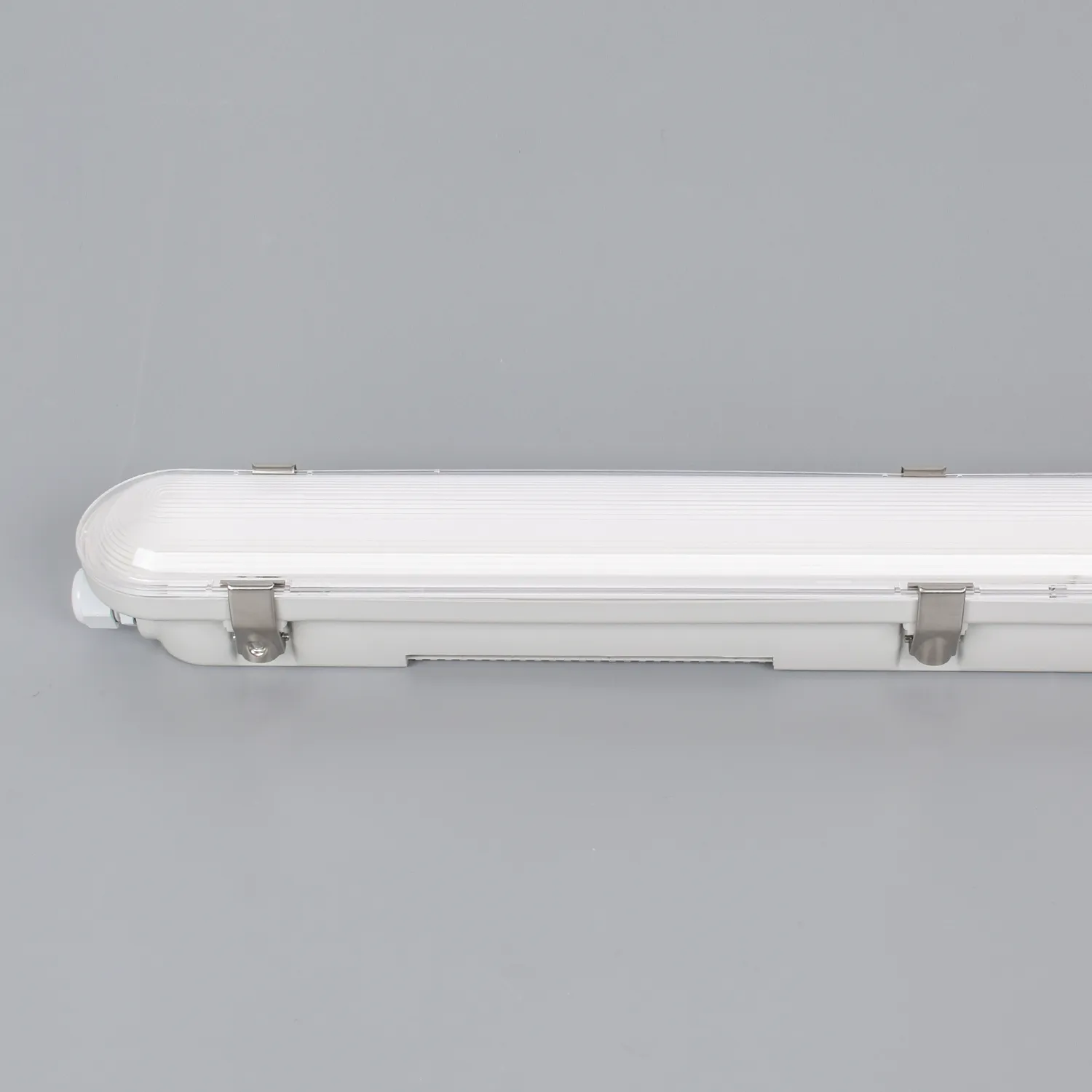
Advanced commercial lighting design methodologies utilize photometric analysis and computer modeling to predict and optimize light distribution patterns before installation, ensuring that visual comfort objectives are achieved while maintaining energy efficiency targets. The integration of daylight-responsive commercial lighting controls helps manage glare from natural light sources while supplementing illumination levels as needed throughout the day. These comprehensive approaches to visual comfort optimization contribute to improved occupant satisfaction and productivity while supporting overall building performance objectives.
Maintenance Cost Reduction and Operational Efficiency
Extended Lifespan and Reliability Benefits
Modern commercial lighting systems contribute to building performance optimization through significantly reduced maintenance requirements and extended operational lifecycles that minimize disruption and labor costs. Contemporary LED commercial lighting fixtures typically provide 50,000 to 100,000 hours of operation, representing a five to ten-fold improvement over traditional lighting technologies and dramatically reducing replacement frequency and associated maintenance expenses. The solid-state nature of LED commercial lighting eliminates the fragile components found in fluorescent and incandescent systems, resulting in improved reliability and reduced failure rates.
Advanced commercial lighting management systems provide predictive maintenance capabilities through continuous monitoring of fixture performance and automatic alerting when maintenance intervention is required. This proactive approach to commercial lighting maintenance enables facility managers to schedule repairs and replacements during planned maintenance windows, minimizing operational disruptions and optimizing labor efficiency. The reduced maintenance burden associated with modern commercial lighting systems frees up facility management resources for other critical building operations and improvement initiatives.
Centralized Monitoring and Diagnostic Capabilities
Contemporary buildings optimize performance through centralized commercial lighting monitoring systems that provide real-time visibility into fixture status, energy consumption, and performance metrics across entire facilities or building portfolios. These comprehensive monitoring platforms enable facility managers to identify and address commercial lighting issues before they impact occupant comfort or energy efficiency targets. The diagnostic capabilities of modern commercial lighting systems include automatic fault detection, performance degradation alerts, and detailed reporting on energy consumption patterns and optimization opportunities.
Remote monitoring and control capabilities of advanced commercial lighting systems enable facility managers to optimize performance across multiple buildings from centralized locations, reducing travel time and enabling more efficient resource allocation. The integration of commercial lighting data with other building systems provides comprehensive insights into facility performance and helps identify opportunities for coordinated optimization initiatives. These centralized management capabilities contribute significantly to operational efficiency improvements and cost reduction across large commercial building portfolios.
Building Value Enhancement and Sustainability Performance
Green Building Certification and Rating Improvements
Modern commercial lighting optimization strategies contribute significantly to building performance ratings and green certification achievements through measurable improvements in energy efficiency, occupant comfort, and environmental impact reduction. Advanced commercial lighting systems help buildings achieve higher scores in LEED, BREEAM, and other sustainability rating systems through documented energy savings, reduced carbon footprints, and enhanced indoor environmental quality metrics. The integration of daylight harvesting and occupancy-based commercial lighting controls directly supports sustainability objectives while demonstrating measurable performance improvements to certification authorities.
The documentation and verification capabilities of modern commercial lighting management systems provide the detailed performance data required for green building certifications and ongoing compliance monitoring. These systems generate comprehensive reports on energy consumption, demand reduction, and efficiency improvements that support sustainability reporting requirements and demonstrate actual performance achievements. The ability to document and verify commercial lighting performance improvements provides building owners with valuable marketing advantages and tenant attraction benefits.
Property Value and Market Positioning
The implementation of advanced commercial lighting systems contributes to enhanced property values through improved energy performance ratings, reduced operating costs, and enhanced tenant desirability. Modern commercial lighting installations demonstrate building owner commitment to sustainability and operational efficiency, factors that increasingly influence tenant selection decisions and rental rate negotiations. The quantifiable energy savings and operational improvements achieved through commercial lighting optimization provide building owners with competitive advantages in increasingly sustainability-focused commercial real estate markets.
Contemporary commercial lighting systems support building modernization initiatives and technology infrastructure improvements that enhance long-term property value and market positioning. The integration of smart commercial lighting platforms provides the foundation for additional building automation and IoT implementations, creating technology-forward environments that attract premium tenants and command higher rental rates. These strategic investments in commercial lighting optimization deliver both immediate operational benefits and long-term property value enhancement that supports building owner financial objectives.
Integration with Building Automation and IoT Systems
Networked Infrastructure and Data Analytics
Modern buildings achieve optimal performance by integrating commercial lighting systems with comprehensive building automation platforms that enable coordinated control and optimization across multiple building systems. These networked commercial lighting installations provide valuable data on occupancy patterns, energy consumption trends, and space utilization metrics that inform broader facility management decisions and optimization strategies. The integration of commercial lighting data with HVAC, security, and other building systems creates opportunities for coordinated efficiency improvements and enhanced operational performance.
Advanced analytics capabilities of modern commercial lighting platforms enable building operators to identify trends, predict maintenance needs, and optimize performance based on historical data and machine learning algorithms. These sophisticated commercial lighting management systems provide actionable insights that support data-driven decision making and continuous performance improvement initiatives. The wealth of operational data generated by networked commercial lighting systems contributes to comprehensive building performance optimization and supports strategic facility management planning.
Scalability and Future Technology Integration
Contemporary commercial lighting optimization strategies prioritize scalable infrastructure and open-protocol compatibility that enables seamless integration with emerging building technologies and future system upgrades. Modern commercial lighting platforms support standard communication protocols and API integrations that facilitate connectivity with third-party systems and enable continuous technology evolution without major infrastructure overhauls. This forward-thinking approach to commercial lighting implementation ensures that building performance optimization capabilities can expand and improve over time.
The modular nature of advanced commercial lighting systems enables phased implementation strategies that allow building owners to optimize performance incrementally while managing capital investment requirements. These flexible commercial lighting deployment approaches support gradual facility modernization initiatives and enable building operators to realize performance benefits throughout the implementation process. The ability to expand and enhance commercial lighting capabilities over time provides building owners with sustainable paths to continuous performance improvement and technology advancement.
FAQ
What specific energy savings can buildings expect from commercial lighting optimization?
Buildings typically achieve energy savings of 50% to 75% through comprehensive commercial lighting optimization initiatives that include LED fixture upgrades, intelligent controls implementation, and daylight harvesting systems. The actual savings depend on existing lighting infrastructure, building usage patterns, and the specific commercial lighting technologies implemented. Most commercial lighting optimization projects provide payback periods of two to five years through reduced energy consumption and maintenance costs.
How do modern commercial lighting systems integrate with existing building management platforms?
Contemporary commercial lighting systems utilize standard communication protocols such as BACnet, Modbus, and wireless mesh networks to integrate seamlessly with existing building automation systems. These commercial lighting platforms provide open APIs and standardized data formats that enable real-time monitoring, control, and analytics integration with facility management software. The interoperability of modern commercial lighting systems ensures compatibility with both current and future building technology investments.
What maintenance advantages do optimized commercial lighting systems provide?
Optimized commercial lighting systems deliver significant maintenance advantages through extended fixture lifecycles of 50,000 to 100,000 hours, predictive maintenance capabilities, and centralized monitoring systems that enable proactive intervention before failures occur. These commercial lighting platforms reduce maintenance labor requirements by 60% to 80% compared to traditional lighting systems while providing detailed performance monitoring and diagnostic capabilities that optimize maintenance scheduling and resource allocation.
How do commercial lighting improvements impact building certification and sustainability ratings?
Commercial lighting optimization contributes significantly to green building certifications through documented energy efficiency improvements, enhanced indoor environmental quality metrics, and reduced carbon footprint measurements. Modern commercial lighting systems provide the detailed performance data and verification capabilities required for LEED, BREEAM, and other sustainability rating systems. These commercial lighting improvements typically contribute 15 to 25 points toward overall certification scores while supporting ongoing compliance monitoring and reporting requirements.
Table of Contents
- Energy Management Through Advanced Commercial Lighting Systems
- Occupant Comfort and Productivity Enhancement
- Maintenance Cost Reduction and Operational Efficiency
- Building Value Enhancement and Sustainability Performance
- Integration with Building Automation and IoT Systems
-
FAQ
- What specific energy savings can buildings expect from commercial lighting optimization?
- How do modern commercial lighting systems integrate with existing building management platforms?
- What maintenance advantages do optimized commercial lighting systems provide?
- How do commercial lighting improvements impact building certification and sustainability ratings?