
 EN
EN
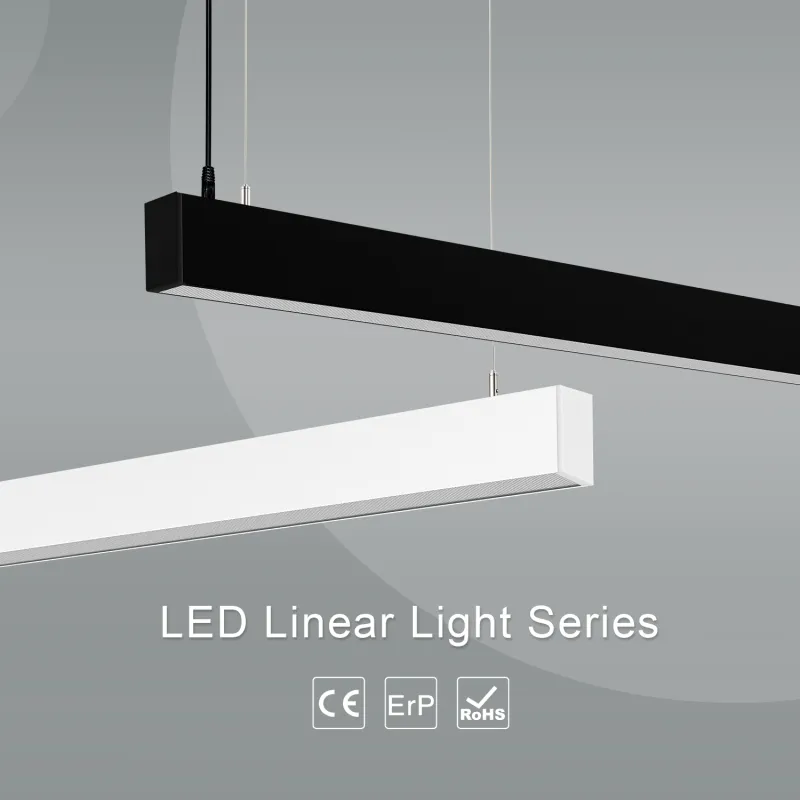
The relationship between indoor lighting and human psychology has become increasingly recognized as a fundamental aspect of home design that directly impacts our daily well-being. The quality, intensity, and color temperature of indoor lighting systems can dramatically alter how we feel, think, and perceive our living spaces, making lighting choices far more significant than simple illumination needs.
Understanding how indoor lighting influences mood and visual experience requires examining the complex interplay between light characteristics and human circadian rhythms, emotional responses, and cognitive function. Modern residential lighting design goes beyond basic functionality to create environments that actively support mental health, productivity, and overall quality of life through carefully orchestrated illumination strategies.
The Science Behind Indoor Lighting and Human Psychology
Circadian Rhythm Regulation Through Light Exposure
Indoor lighting serves as a primary environmental cue for regulating our internal biological clock, with different light wavelengths triggering distinct physiological responses throughout the day. Blue-rich light exposure during morning and daytime hours helps maintain alertness and cognitive performance by suppressing melatonin production and promoting cortisol release. Conversely, warm-toned indoor lighting in evening hours supports natural melatonin production, facilitating better sleep quality and emotional regulation.
The intensity of indoor lighting also plays a crucial role in circadian alignment, with research indicating that exposure to bright light of at least 1000 lux during daytime hours can significantly improve mood regulation and energy levels. Poor indoor lighting conditions, characterized by insufficient brightness or inappropriate color temperatures, can disrupt these natural rhythms and contribute to seasonal affective disorder, sleep disturbances, and general mood instability.
Neurological Responses to Different Light Qualities
The human brain processes various aspects of indoor lighting through specialized photoreceptors that directly influence neurotransmitter production and emotional states. Bright, well-distributed indoor lighting stimulates the production of serotonin, often called the happiness hormone, which promotes feelings of well-being and mental clarity. Additionally, proper indoor lighting reduces eye strain and visual fatigue, preventing the headaches and irritability commonly associated with poor illumination conditions.
Color temperature variations in indoor lighting systems trigger different psychological responses, with cooler temperatures around 5000K-6500K promoting focus and alertness, while warmer temperatures between 2700K-3000K encourage relaxation and social interaction. This understanding has led to the development of tunable indoor lighting solutions that can adapt throughout the day to support optimal psychological functioning.
Visual Comfort and Perception Enhancement
Contrast and Depth Perception in Residential Spaces
Effective indoor lighting design creates visual hierarchy and spatial depth through strategic contrast management, making rooms appear larger, more organized, and visually appealing. Layered indoor lighting approaches, combining ambient, task, and accent lighting, provide the visual cues necessary for comfortable navigation and activity performance while reducing eye strain and visual fatigue.
The positioning and direction of indoor lighting sources significantly impact how we perceive textures, colors, and spatial relationships within our homes. Properly angled indoor lighting can highlight architectural features, artwork, and furnishings while minimizing harsh shadows that create visual discomfort and contribute to feelings of unease or claustrophobia.
Color Rendering and Material Perception
High-quality indoor lighting with excellent color rendering properties allows for accurate perception of colors, textures, and materials, contributing to overall visual satisfaction and emotional comfort. Poor color rendering in indoor lighting systems can make spaces feel dull, unwelcoming, or artificially sterile, negatively impacting mood and the perceived quality of the living environment.
The spectral composition of indoor lighting affects how we perceive and interact with our belongings, from the vibrancy of artwork to the appetizing appearance of food. This perception quality directly influences our emotional attachment to our living spaces and overall satisfaction with our home environment.
Mood Regulation Through Strategic Lighting Design
Creating Emotional Ambiance with Light Control
Dimming capabilities and adjustable indoor lighting systems provide homeowners with the ability to create specific emotional atmospheres suitable for different activities and times of day. Bright indoor lighting during morning routines can energize and motivate, while gradually dimming lights in the evening supports relaxation and preparation for sleep, creating a natural transition between active and restful periods.
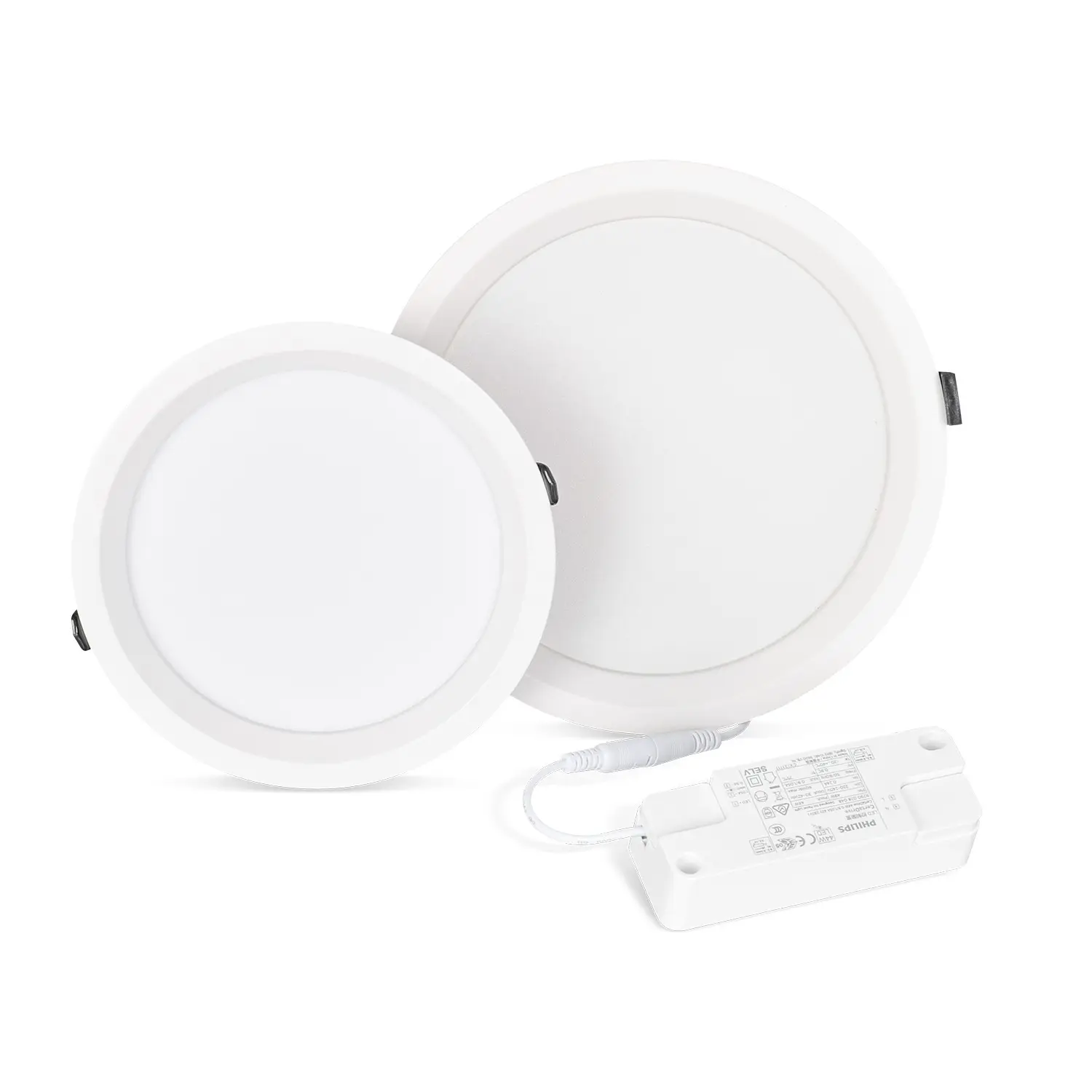
The psychological impact of controllable indoor lighting extends to social situations, where appropriate illumination levels can encourage conversation and intimacy or provide the bright, cheerful atmosphere needed for entertaining guests. This flexibility in indoor lighting control allows residents to actively manage their emotional environment and support their psychological well-being through intentional light manipulation.
Seasonal Affective Responses and Light Therapy
Indoor lighting becomes particularly crucial during winter months or in homes with limited natural light access, where inadequate illumination can contribute to seasonal depression and mood disorders. Strategic placement of bright indoor lighting fixtures can compensate for reduced daylight exposure and help maintain stable emotional states throughout darker seasons.
The therapeutic benefits of properly designed indoor lighting systems extend beyond basic mood support to include improved cognitive function, better sleep patterns, and enhanced overall mental health. Regular exposure to appropriate indoor lighting intensities and color temperatures can serve as a non-pharmaceutical intervention for mild depression and anxiety symptoms.
Practical Applications for Home Lighting Optimization
Room-Specific Lighting Strategies for Optimal Mood
Different rooms within the home require tailored indoor lighting approaches to support their specific functions and the emotional states they should promote. Kitchen areas benefit from bright, cool indoor lighting that enhances food preparation safety and creates an energizing atmosphere, while bedrooms require warm, dimmable indoor lighting options that support relaxation and intimate conversations.
Living spaces and family rooms need versatile indoor lighting systems that can adapt to various activities, from reading and working to socializing and entertainment. The ability to adjust both intensity and color temperature in these multipurpose areas allows families to create appropriate atmospheres for different times of day and activities.
Integration of Natural and Artificial Light Sources
Successful indoor lighting design considers the interplay between natural daylight and artificial illumination, creating seamless transitions that support circadian rhythms while providing consistent visual comfort throughout the day. Window treatments, reflective surfaces, and strategic fixture placement can maximize natural light benefits while ensuring adequate indoor lighting during darker hours.
The coordination of natural and artificial indoor lighting sources requires careful planning to avoid conflicts between different color temperatures and intensity levels that could create visual discomfort or disrupt the intended mood enhancement effects. Smart indoor lighting systems can automatically adjust to complement available natural light, maintaining optimal illumination conditions regardless of external weather or time constraints.
Technology Integration and Future Trends
Smart Indoor Lighting Systems for Automated Mood Support
Advanced indoor lighting technologies now include automated systems that can adjust color temperature, intensity, and distribution patterns based on time of day, occupancy sensors, and user preferences. These intelligent indoor lighting solutions can gradually shift from energizing morning light to relaxing evening tones without requiring manual intervention, supporting natural circadian rhythms and mood regulation.
Integration with home automation systems allows indoor lighting to respond to other environmental factors such as outdoor weather conditions, seasonal changes, and even personal biometric data from wearable devices. This level of sophistication in indoor lighting control represents a significant advancement in creating truly responsive living environments that actively support occupant well-being.
Emerging Research and Future Developments
Ongoing research in photobiology and environmental psychology continues to reveal new insights into how indoor lighting affects human behavior, cognitive performance, and emotional health. Future developments in indoor lighting technology may include personalized spectral tuning based on individual genetic factors and real-time physiological monitoring to optimize light exposure for maximum psychological benefit.
The evolution of indoor lighting design is moving toward more holistic approaches that consider not just illumination needs but also the psychological and physiological impacts of light on human health. This trend suggests that future homes will feature increasingly sophisticated indoor lighting systems designed specifically to enhance mood, productivity, and overall quality of life through scientifically informed illumination strategies.
FAQ
What color temperature is best for improving mood in living spaces?
For optimal mood enhancement, indoor lighting should use warm color temperatures between 2700K-3000K in the evening to promote relaxation, and cooler temperatures around 4000K-5000K during daytime hours to maintain alertness and energy. The key is having adjustable indoor lighting systems that can change throughout the day to support natural circadian rhythms.
How bright should indoor lighting be to positively affect mood?
Indoor lighting for mood improvement should provide at least 500-1000 lux for general activities, with higher levels up to 2500 lux available for morning routines or when combating seasonal depression. The brightness should be adjustable, allowing for dimmer indoor lighting in the evening to support relaxation and sleep preparation.
Can poor indoor lighting actually cause depression or anxiety?
Yes, inadequate indoor lighting can contribute to mood disorders, particularly seasonal affective disorder, by disrupting circadian rhythms and reducing serotonin production. Insufficient indoor lighting exposure can lead to fatigue, irritability, and depression symptoms, especially during winter months or in homes with limited natural light access.
What's the difference between task lighting and mood lighting in homes?
Task lighting provides focused, bright indoor lighting for specific activities like reading or cooking, while mood lighting creates ambient illumination that influences emotional atmosphere. Effective indoor lighting design incorporates both types, using bright task lighting when needed and softer mood lighting to create comfortable, relaxing environments that support psychological well-being.