
 EN
EN
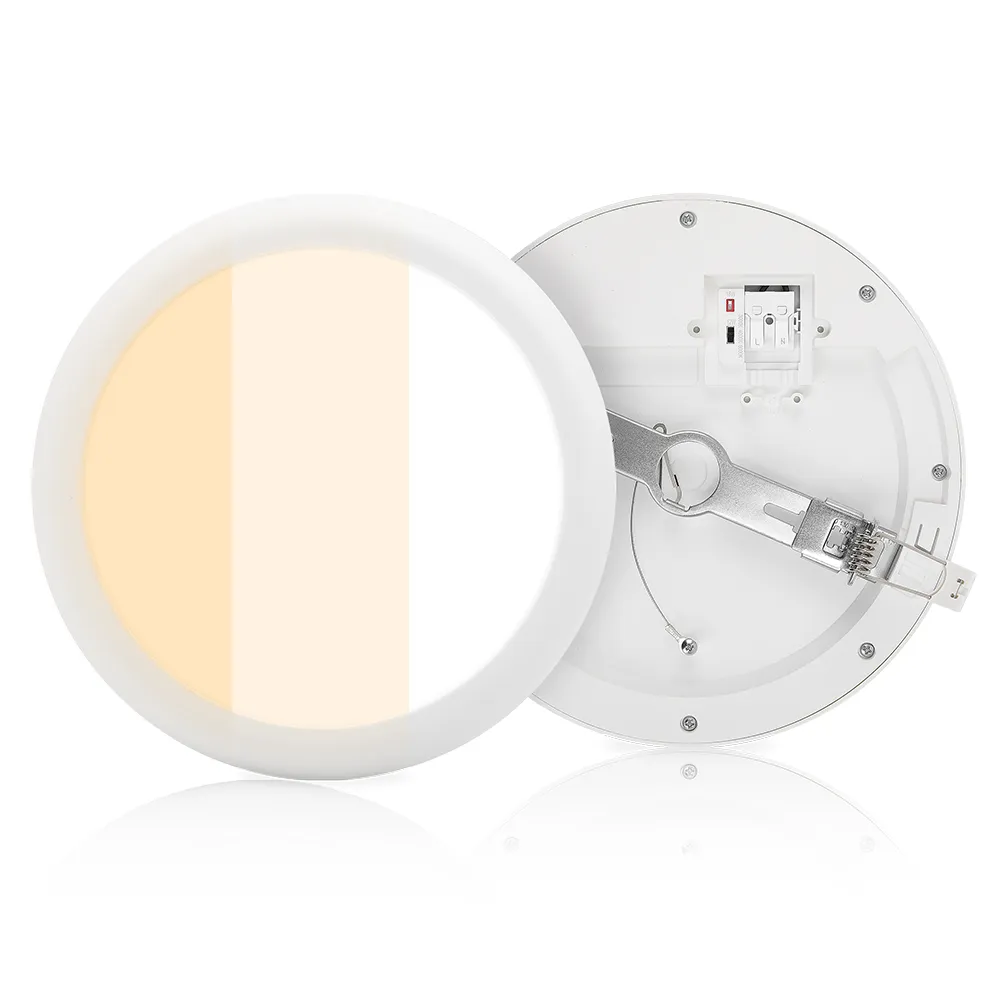
Indoor lighting serves as the foundation of human comfort and performance in modern workspaces, residential environments, and commercial facilities. The way light interacts with our biological systems, visual perception, and psychological well-being directly influences how effectively we function throughout the day. Understanding these mechanisms reveals why strategic lighting design has become essential for creating spaces that support both comfort and productivity in our increasingly indoor-focused lifestyles.
Modern research demonstrates that indoor lighting quality affects everything from circadian rhythm regulation to cognitive performance and emotional stability. When lighting systems are properly designed and implemented, they create environments where occupants experience reduced eye strain, improved focus, enhanced mood regulation, and better overall physiological comfort. This comprehensive approach to lighting design recognizes that illumination is not merely about visibility, but about creating conditions that support human health and optimize performance across diverse activities and time periods.
The Science Behind Lighting's Impact on Human Comfort
Circadian Rhythm Regulation Through Light Exposure
Indoor lighting directly influences the body's internal clock through specialized photoreceptors in the eyes that respond to different light wavelengths and intensities. These photoreceptors send signals to the suprachiasmatic nucleus in the brain, which controls the production of melatonin and cortisol, hormones that regulate sleep-wake cycles and alertness levels. When indoor lighting systems provide appropriate spectral content and timing, they help maintain healthy circadian rhythms even in environments with limited natural light exposure.
Research shows that exposure to cooler, blue-rich light during morning and daytime hours helps suppress melatonin production and promotes alertness, while warmer light in the evening supports the natural transition toward sleep. Modern indoor lighting systems can dynamically adjust color temperature throughout the day, supporting these natural biological processes and helping occupants maintain consistent energy levels and sleep quality.
Visual Comfort and Eye Health Considerations
Proper indoor lighting reduces visual fatigue by providing adequate illumination levels without creating glare, harsh shadows, or excessive brightness contrasts. The human visual system performs most efficiently when lighting is evenly distributed and appropriately matched to the visual tasks being performed. This includes consideration of both horizontal illuminance for general activities and vertical illuminance for computer work and reading tasks.
Quality indoor lighting systems minimize flicker, which can cause headaches and eye strain even when not consciously perceived. LED-based lighting solutions with appropriate drivers eliminate the visible and invisible flicker associated with older fluorescent systems, creating more stable visual conditions. Additionally, proper color rendering ensures that colors appear natural and accurate, reducing the visual stress associated with poor color perception and supporting more comfortable extended visual tasks.
Psychological and Emotional Responses to Light Quality
Indoor lighting significantly influences mood and emotional well-being through both direct physiological pathways and psychological associations. Bright, well-distributed lighting tends to promote positive emotions and energy levels, while dim or poorly designed lighting can contribute to feelings of depression, lethargy, and discomfort. The psychological impact of lighting is particularly important in spaces where people spend extended periods, such as offices, schools, and healthcare facilities.
The ability to control lighting conditions also contributes to psychological comfort by giving occupants a sense of environmental control. Adjustable indoor lighting systems that allow individuals to modify brightness and sometimes color temperature according to personal preferences and task requirements create more satisfying and comfortable environments. This control aspect is especially important in shared spaces where different individuals may have varying lighting preferences and visual needs.
Productivity Enhancement Through Strategic Lighting Design
Task-Specific Illumination Requirements
Different activities require different lighting conditions to optimize performance and minimize fatigue. Detail-oriented tasks such as reading, writing, and precision work benefit from higher illumination levels and focused task lighting, while collaborative activities and general movement may be better served by more ambient lighting approaches. Understanding these task-specific requirements allows for the design of indoor lighting systems that adapt to changing space usage throughout the day.
Computer-based work presents unique lighting challenges that require careful balance between screen visibility and ambient conditions. Indoor lighting for digital workspaces should provide adequate ambient illumination to prevent excessive contrast between bright screens and dark surroundings, while avoiding direct glare on computer monitors. Properly designed lighting systems often combine overhead ambient lighting with adjustable task lighting to accommodate both computer work and paper-based tasks.
Cognitive Performance and Alertness Enhancement
Research demonstrates that appropriate indoor lighting can improve cognitive performance across various measures including attention span, memory recall, processing speed, and decision-making accuracy. Higher illumination levels, particularly during periods when natural alertness tends to decline, can help maintain cognitive performance throughout extended work periods. However, the relationship between light and performance is not simply linear – excessive brightness can create discomfort and actually reduce performance.

The spectral composition of indoor lighting also influences cognitive function, with cooler color temperatures generally promoting alertness and focused attention, while warmer temperatures may be more suitable for creative and collaborative activities. Dynamic lighting systems that adjust both intensity and color temperature throughout the day can help optimize cognitive performance for different types of work and support natural biological rhythms that influence mental acuity.
Workplace Satisfaction and Performance Metrics
Studies in office environments consistently show correlations between lighting quality and measurable productivity outcomes including reduced absenteeism, decreased error rates, improved work quality, and higher employee satisfaction scores. These improvements appear to result from the combination of reduced physical discomfort, better visual conditions for task performance, and enhanced psychological well-being associated with quality indoor lighting environments.
The economic impact of improved indoor lighting extends beyond direct productivity measures to include reduced healthcare costs associated with eye strain, headaches, and mood disorders. Organizations that invest in quality lighting systems often report improved employee retention and recruitment success, suggesting that lighting quality has become an important factor in workplace attractiveness and competitive advantage.
Modern Technologies Enabling Adaptive Comfort Solutions
LED Systems and Dynamic Control Capabilities
Contemporary LED technology has revolutionized indoor lighting by providing precise control over both light output and spectral characteristics while maintaining energy efficiency and long operational life. Unlike traditional lighting technologies, LED systems can be dimmed smoothly across their full range without changes in color temperature unless specifically designed to do so, allowing for fine-tuned adjustment of lighting conditions throughout the day.
Advanced LED indoor lighting systems incorporate tunable white technology that allows adjustment of color temperature from warm (2700K) to cool (6500K) or beyond, supporting circadian rhythm regulation and task-specific optimization. These systems can be programmed to follow predetermined schedules or respond to occupancy sensors, daylight sensors, and individual user preferences to maintain optimal lighting conditions automatically.
Smart Integration and Responsive Control Systems
Modern indoor lighting systems integrate with building automation platforms and smart control systems to provide responsive, adaptive lighting that adjusts based on occupancy patterns, daylight availability, and specific activity requirements. These systems use sensors to monitor ambient light levels, occupant presence, and even activity types to optimize lighting conditions continuously without requiring manual intervention.
Smartphone apps and wireless control interfaces allow individual users to customize their lighting environment within broader system parameters, creating personalized comfort zones while maintaining overall energy efficiency and system coordination. This technology enables the creation of indoor lighting environments that respond to both collective needs and individual preferences, maximizing both comfort and productivity outcomes.
Daylight Integration and Hybrid Approaches
Sophisticated indoor lighting systems now integrate seamlessly with available daylight to maintain consistent illumination levels and color temperatures while maximizing energy efficiency. Daylight sensors monitor natural light availability and automatically adjust artificial lighting output to supplement rather than compete with natural illumination, creating more stable and comfortable lighting conditions throughout the day.
These hybrid approaches recognize that the combination of natural and artificial light often provides the most comfortable and productive indoor lighting environments. By carefully balancing daylight contribution with electric lighting, modern systems can provide the benefits of natural light exposure while maintaining the consistency and control needed for optimal task performance and visual comfort.
Implementation Strategies for Different Space Types
Office and Commercial Workspace Applications
Office environments require indoor lighting solutions that support diverse activities from focused individual work to collaborative meetings and presentations. Successful implementations typically combine general ambient lighting with adjustable task lighting and accent lighting to create layered lighting schemes that can adapt to changing space usage throughout the day. Open office designs particularly benefit from indirect lighting approaches that minimize glare on computer screens while providing adequate illumination for all work areas.
Meeting rooms and conference spaces need indoor lighting systems that support both presentation activities and face-to-face collaboration, often requiring higher vertical illumination levels to ensure clear facial visibility for video conferencing and in-person meetings. Adjustable lighting scenes allow these spaces to transition quickly between different usage modes while maintaining appropriate comfort levels for all participants.
Residential and Home Environment Considerations
Home indoor lighting systems must balance aesthetic appeal with functional performance across diverse activities including cooking, reading, entertainment, and relaxation. Residential applications benefit from layered lighting approaches that combine ambient, task, and accent lighting with dimming controls to create appropriate atmospheres for different times of day and activities.
Bedroom indoor lighting requires particular attention to circadian rhythm support, with systems that provide bright, cool light for morning activities and warm, dim light for evening wind-down periods. Kitchen and bathroom lighting must provide excellent task visibility while maintaining comfortable ambient conditions, often requiring a combination of focused task lighting and general illumination.
Educational and Healthcare Facility Requirements
Educational environments need indoor lighting systems that support learning activities while accommodating diverse age groups and visual capabilities. Classrooms benefit from uniform illumination that eliminates shadows on whiteboards and work surfaces while providing adequate light for reading and writing tasks. The ability to adjust lighting for different activities such as presentations, group work, and individual study enhances the versatility of educational spaces.
Healthcare facilities require indoor lighting that supports both staff productivity and patient comfort, often with special consideration for night-time activities that should not disrupt sleep patterns. Patient rooms benefit from lighting systems that provide bright, energizing light during day hours to support healing and circadian rhythm maintenance, while offering warm, dim lighting for evening comfort and nighttime navigation.
FAQ
What color temperature is best for indoor lighting in work environments?
For most work environments, color temperatures between 3000K and 5000K provide the best balance of comfort and productivity. Cooler temperatures (4000K-5000K) are ideal for tasks requiring high concentration and alertness, while warmer temperatures (3000K-3500K) work better for collaborative and creative activities. Dynamic systems that adjust color temperature throughout the day often provide the most comprehensive benefits.
How does indoor lighting affect sleep quality and energy levels?
Indoor lighting directly influences circadian rhythm regulation through its impact on melatonin production. Exposure to bright, cool light during daytime hours helps maintain alertness and supports healthy sleep patterns, while warm, dim lighting in the evening promotes natural melatonin production and better sleep quality. Poor lighting can disrupt these natural cycles, leading to decreased energy levels and sleep difficulties.
What are the key factors to consider when upgrading office indoor lighting?
Key considerations include current illumination levels, glare control, color rendering quality, flicker elimination, energy efficiency, and control flexibility. Assess task-specific lighting needs, integration with daylight, occupant control preferences, and maintenance requirements. Consider systems that offer dimming capabilities, adjustable color temperature, and integration with building automation systems for optimal results.
Can poor indoor lighting actually reduce productivity and cause health issues?
Yes, inadequate indoor lighting can significantly impact both productivity and health. Poor lighting contributes to eye strain, headaches, fatigue, and mood disorders while reducing cognitive performance, accuracy, and work quality. Long-term exposure to inappropriate lighting can disrupt sleep patterns, contribute to depression, and exacerbate existing vision problems. Investing in quality lighting systems typically provides measurable returns through improved performance and reduced health-related costs.