
 EN
EN
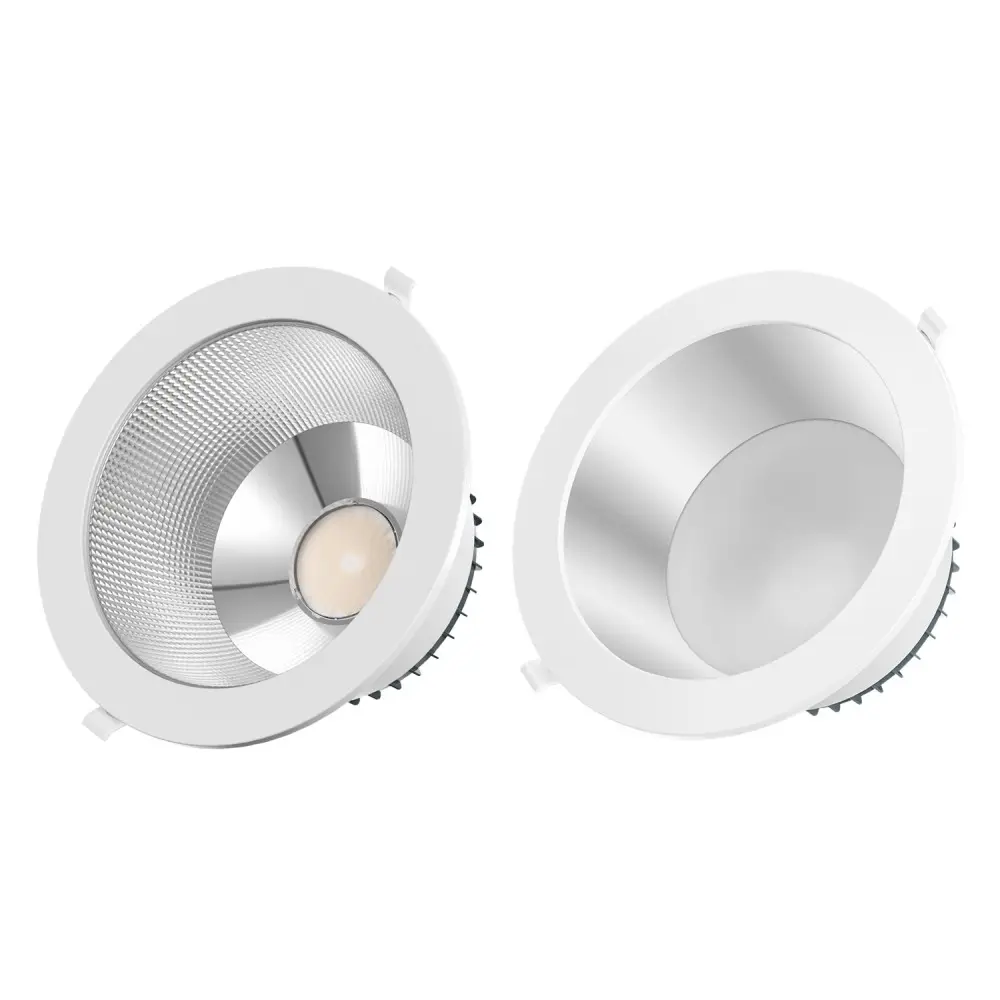
Large facilities face unique challenges when it comes to maintaining optimal lighting conditions across expansive spaces. From warehouses and manufacturing plants to retail centers and distribution facilities, the demand for consistent, dependable illumination directly impacts operational efficiency, safety standards, and overall business performance. Reliable commercial lighting serves as the foundation for creating productive work environments where employees can perform their duties effectively while maintaining the highest safety standards.
The importance of reliable commercial lighting extends far beyond basic visibility requirements. Modern large facilities operate around the clock, supporting critical supply chains, manufacturing processes, and service operations that cannot afford lighting-related disruptions. When lighting systems fail unexpectedly or provide inconsistent performance, the resulting operational interruptions can lead to significant financial losses, safety incidents, and reduced productivity levels that affect the entire organization's bottom line.
Operational Continuity and Business Performance
Preventing Costly Production Interruptions
Large facilities depend on uninterrupted operations to meet production schedules, fulfill customer orders, and maintain competitive advantage in their respective markets. Reliable commercial lighting ensures that manufacturing processes, quality control inspections, and material handling activities can continue without lighting-related delays. When lighting systems experience unexpected failures, production lines may need to halt operations, leading to missed deadlines and potential contract penalties.
The financial impact of lighting-related downtime extends beyond immediate production losses. Facilities must often pay overtime wages to compensate for lost production time, while delayed shipments can damage customer relationships and result in lost future business opportunities. Reliable commercial lighting systems with extended lifespans and consistent performance characteristics help facilities avoid these costly interruptions and maintain smooth operational flow.
Modern industrial facilities increasingly rely on automated systems and precision equipment that require stable lighting conditions for optimal performance. Computer vision systems, barcode scanners, and quality inspection equipment all depend on consistent illumination levels to function properly. Unreliable lighting can cause these automated systems to malfunction, leading to production errors, quality defects, and additional operational complications.
Supporting 24/7 Operations
Many large facilities operate continuously to maximize equipment utilization and meet customer demand across different time zones. Reliable commercial lighting becomes even more critical during night shifts when natural light is unavailable, and workers depend entirely on artificial illumination to perform their duties safely and effectively.
Night shift operations present unique challenges for facility lighting systems. Workers must maintain the same productivity levels and quality standards as day shift personnel, despite working in artificially lit environments. Reliable commercial lighting systems provide consistent color temperature and illumination levels that help workers maintain alertness and reduce eye strain during extended night shifts.
Emergency situations and urgent production requirements often necessitate extended operating hours beyond normal schedules. Reliable commercial lighting enables facilities to respond quickly to these demands without worrying about lighting system limitations or potential failures that could compromise worker safety or operational effectiveness during critical periods.
Worker Safety and Regulatory Compliance
Meeting Occupational Safety Standards
Workplace safety regulations establish minimum lighting requirements for different types of industrial activities, and reliable commercial lighting systems help facilities maintain consistent compliance with these standards. Inadequate or unreliable lighting creates hazardous working conditions that can result in accidents, injuries, and regulatory violations that expose facilities to significant legal and financial liabilities.
Heavy machinery operations, material handling activities, and precision assembly work all require specific lighting levels to ensure worker safety. Reliable commercial lighting provides the consistent illumination necessary for workers to identify potential hazards, read safety warnings, and operate equipment according to established safety protocols. Inconsistent lighting can create shadows, glare, or dark spots that obscure potential dangers and increase accident risk.
Safety inspections and regulatory audits evaluate lighting adequacy as part of overall workplace safety assessments. Facilities with unreliable lighting systems may face citations, fines, or operational restrictions that can significantly impact business operations. Investing in reliable commercial lighting demonstrates commitment to worker safety and helps facilities maintain positive relationships with regulatory agencies.
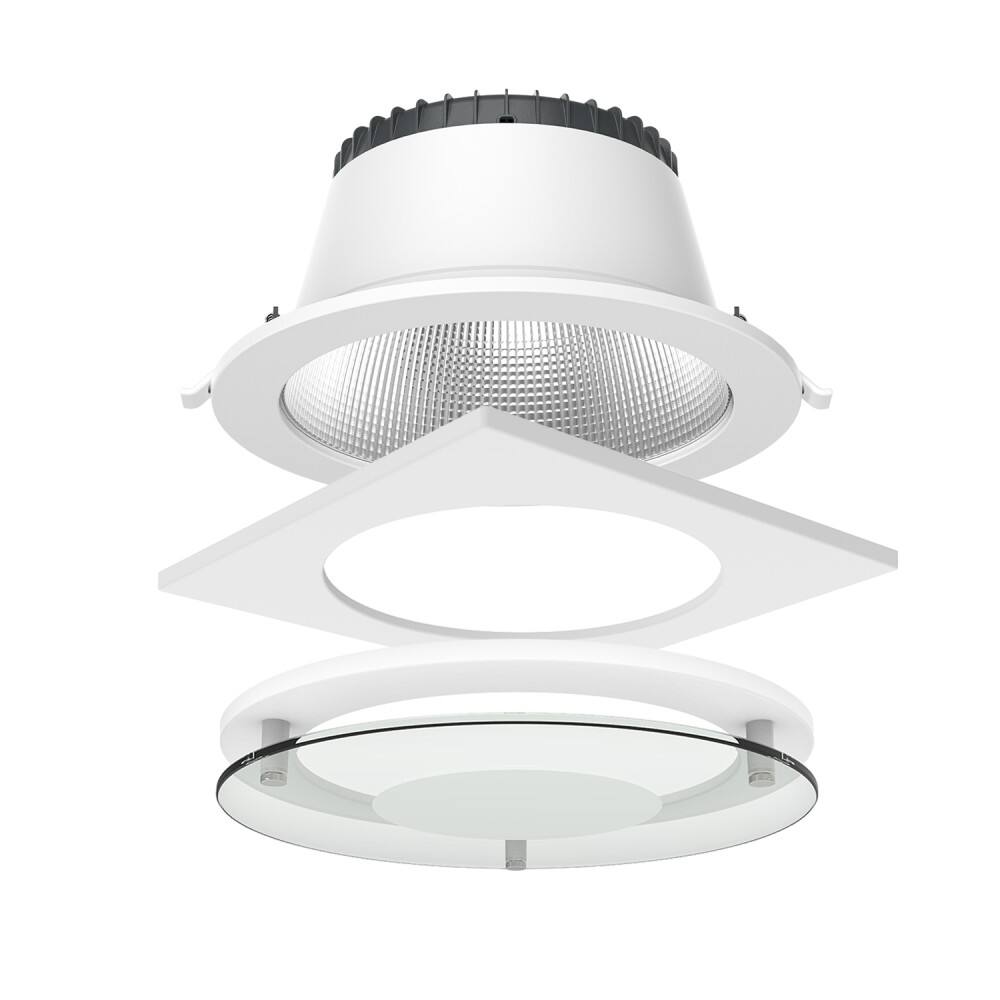
Emergency Preparedness and Evacuation Safety
Large facilities must maintain reliable emergency lighting systems that automatically activate during power outages or emergency situations. These systems guide workers to safety exits and enable emergency response personnel to navigate facility layouts effectively during crisis situations. Reliable commercial lighting infrastructure supports these emergency systems by providing dependable power distribution and control mechanisms.
Emergency evacuation procedures depend on adequate lighting to prevent panic and ensure orderly exit from large facility spaces. Workers must be able to see clearly marked exit routes, identify potential obstacles, and move safely through corridors and stairwells during emergency situations. Unreliable lighting systems may fail during critical moments when dependable illumination is most needed for life safety purposes.
Fire safety systems, security cameras, and communication equipment all require reliable electrical power to function properly during emergencies. Robust commercial lighting infrastructure often shares electrical systems with these critical safety components, making lighting reliability an integral part of overall emergency preparedness planning for large facilities.
Energy Efficiency and Cost Management
Reducing Long-term Operating Costs
Reliable commercial lighting systems typically incorporate energy-efficient technologies that reduce electricity consumption while maintaining consistent performance over extended periods. LED lighting systems, smart controls, and automated dimming features help large facilities minimize energy costs without compromising lighting quality or operational requirements.
Energy costs represent a significant portion of operating expenses for large facilities, particularly those operating around the clock. Reliable commercial lighting systems with high energy efficiency ratings can substantially reduce monthly utility bills while providing superior lighting performance compared to older, less efficient systems. These cost savings accumulate over time, providing significant return on investment for facility owners.
Maintenance costs associated with unreliable lighting systems can quickly escalate due to frequent bulb replacements, emergency repairs, and system downtime. Reliable commercial lighting systems require less frequent maintenance interventions and provide predictable replacement schedules that enable better budget planning and resource allocation for facility management teams.
Supporting Sustainability Initiatives
Corporate sustainability goals increasingly emphasize energy reduction and environmental responsibility, making reliable commercial lighting an important component of broader sustainability strategies. Energy-efficient lighting systems reduce carbon footprint while supporting corporate environmental commitments and regulatory compliance requirements.
Reliable commercial lighting systems with extended lifespans reduce waste generation by minimizing the frequency of component replacements and system upgrades. This supports circular economy principles and helps facilities achieve sustainability targets while maintaining operational excellence and cost effectiveness.
Green building certifications and environmental audits often evaluate lighting efficiency and reliability as key factors in overall facility sustainability assessments. Reliable commercial lighting systems contribute to higher certification scores and demonstrate environmental stewardship to customers, investors, and regulatory agencies.
Technology Integration and Future Readiness
Supporting Smart Building Systems
Modern large facilities increasingly integrate lighting systems with building automation platforms that monitor energy usage, optimize performance, and provide predictive maintenance capabilities. Reliable commercial lighting systems serve as the foundation for these smart building technologies by providing stable platforms for sensors, controls, and communication networks.
Internet of Things sensors and data analytics systems depend on reliable power and communication infrastructure to collect and transmit facility performance data. Integrated lighting systems provide convenient mounting points and power sources for these technologies while maintaining consistent operational performance that supports accurate data collection and analysis.
Predictive maintenance systems use lighting performance data to identify potential issues before they cause system failures or operational disruptions. Reliable commercial lighting systems with built-in monitoring capabilities enable facility managers to optimize maintenance schedules, reduce emergency repairs, and extend equipment lifespans through proactive intervention strategies.
Scalability and Adaptability
Large facilities often undergo expansions, renovations, or operational changes that require lighting system modifications to accommodate new requirements. Reliable commercial lighting systems with modular designs and standardized components enable cost-effective modifications without requiring complete system replacements or major infrastructure changes.
Changing operational requirements, new equipment installations, and evolving safety standards may necessitate lighting adjustments throughout facility lifecycles. Reliable commercial lighting systems provide the flexibility needed to adapt to these changes while maintaining consistent performance standards and operational continuity during transition periods.
Future technology upgrades and system enhancements become more feasible when built upon reliable commercial lighting infrastructure that provides stable power distribution, standardized mounting systems, and compatible control interfaces. This future-readiness helps facilities avoid costly system replacements and enables gradual technology adoption strategies.
FAQ
How does reliable commercial lighting impact worker productivity in large facilities?
Reliable commercial lighting directly enhances worker productivity by providing consistent illumination that reduces eye strain, improves visual accuracy, and maintains alertness throughout work shifts. Proper lighting enables workers to perform detailed tasks more efficiently, identify potential quality issues quickly, and maintain focus during repetitive operations. Studies show that facilities with reliable, well-designed lighting systems experience higher productivity rates, fewer errors, and reduced absenteeism compared to facilities with inadequate or inconsistent lighting.
What are the main consequences of lighting system failures in large industrial facilities?
Lighting system failures can cause immediate production shutdowns, safety hazards, and significant financial losses in large facilities. When lighting fails unexpectedly, manufacturing processes must halt until repairs are completed, resulting in missed production targets and potential customer delivery delays. Additionally, inadequate lighting creates unsafe working conditions that increase accident risk and may violate safety regulations, exposing facilities to legal liability and regulatory penalties.
How do reliable commercial lighting systems contribute to regulatory compliance?
Reliable commercial lighting helps facilities maintain consistent compliance with occupational safety standards, building codes, and industry-specific lighting requirements. These systems provide the minimum illumination levels required for different work activities while maintaining consistent performance that satisfies regulatory inspection criteria. Reliable lighting also supports emergency preparedness requirements by ensuring that exit lighting and safety systems function properly during power outages or emergency situations.
What role does lighting reliability play in facility maintenance planning?
Reliable commercial lighting systems enable predictable maintenance schedules and reduce the need for emergency repairs that disrupt operations. Facilities can plan maintenance activities during scheduled downtime periods rather than responding to unexpected lighting failures during production hours. This predictability helps optimize maintenance resources, control costs, and minimize operational disruptions while extending overall system lifespans through proper preventive maintenance practices.
Table of Contents
- Operational Continuity and Business Performance
- Worker Safety and Regulatory Compliance
- Energy Efficiency and Cost Management
- Technology Integration and Future Readiness
-
FAQ
- How does reliable commercial lighting impact worker productivity in large facilities?
- What are the main consequences of lighting system failures in large industrial facilities?
- How do reliable commercial lighting systems contribute to regulatory compliance?
- What role does lighting reliability play in facility maintenance planning?