
 EN
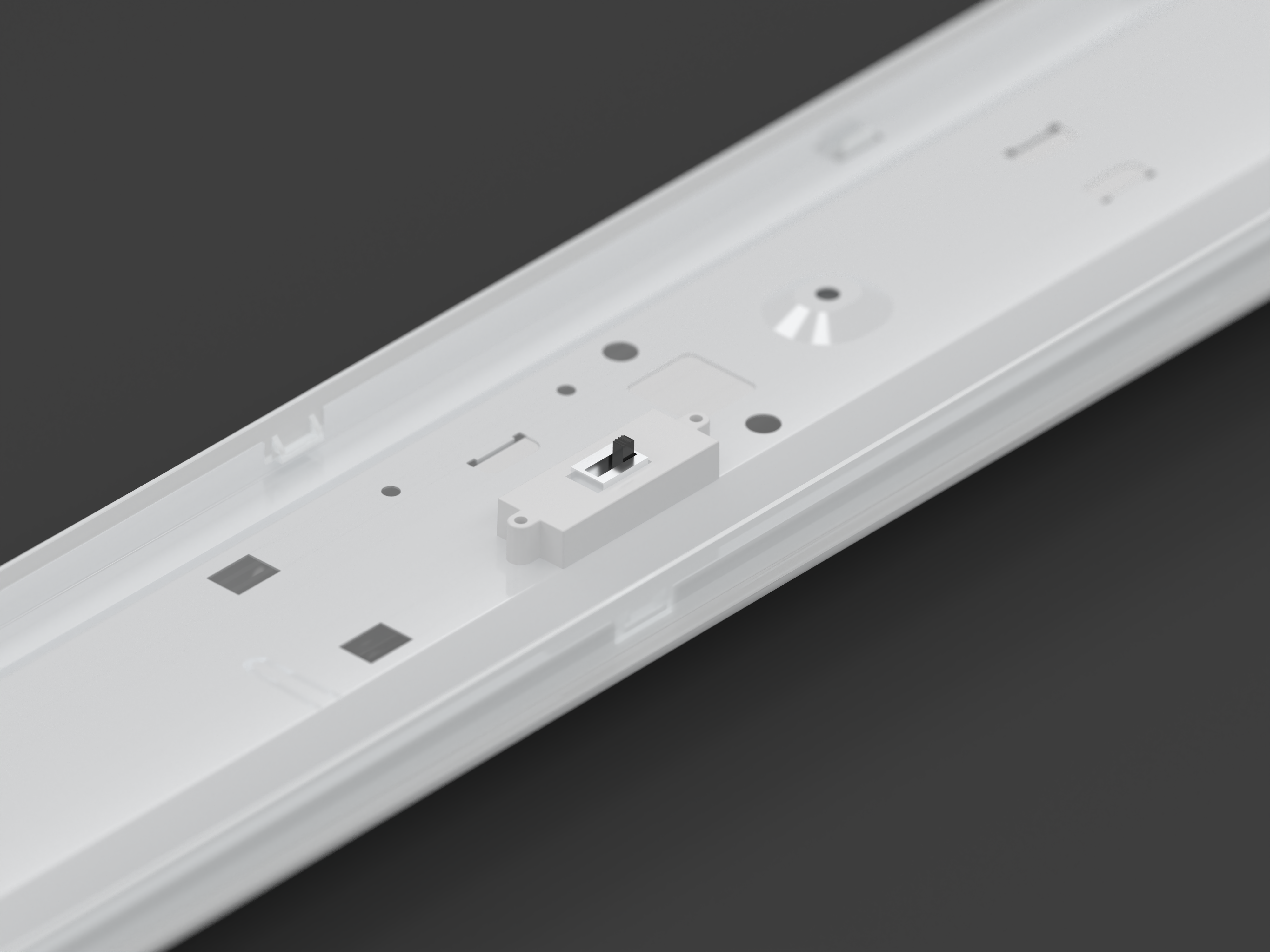
Humid environments present unique challenges for traditional lighting solutions. Standard fixtures corrode, fail prematurely, and create safety hazards when exposed to moisture, salt spray, and chemical vapors. A tri-proof light solves this problem by combining specialized materials, sealed construction, and advanced engineering to deliver reliable illumination where conventional systems cannot survive. Understanding how a tri-proof light operates in these demanding conditions reveals why it has become the standard choice across industries dealing with moisture-heavy operations.
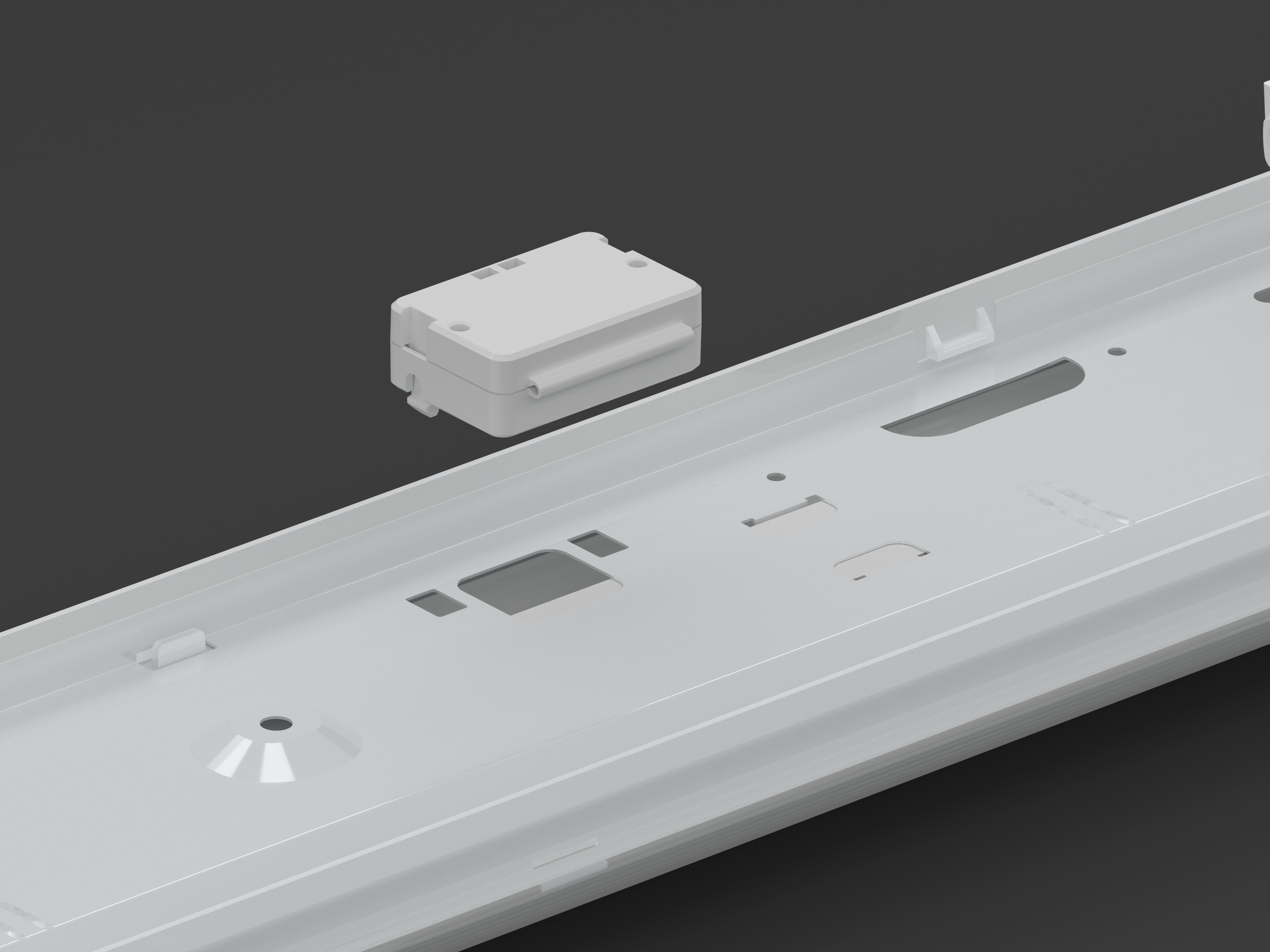
The term 'tri-proof' refers to triple protection against moisture, dust, and corrosion—three critical failure modes in humid settings. A tri-proof light integrates sealed optical chambers, corrosion-resistant materials, and precision manufacturing to maintain performance in extreme conditions. Whether installed in food processing facilities, chemical storage areas, coastal industrial zones, or swimming pool surrounds, a tri-proof light consistently outperforms conventional fixtures by preventing water ingress and maintaining electrical safety standards.
Moisture Protection Mechanisms in Tri-Proof Light Design
Sealed Optical Construction
The core advantage of a tri-proof light lies in its hermetically sealed optical chamber. Unlike standard fixtures where moisture can accumulate inside the housing, a tri-proof light uses precision-molded housings with gasket seals that prevent water vapor and condensation from entering the internal electronics and light source. This sealed design ensures that even when ambient humidity reaches near-saturation levels, the sensitive components inside the tri-proof light remain completely dry and protected from corrosion.
The gasket materials used in a tri-proof light are typically silicone or synthetic rubber compounds rated for temperature extremes and chemical resistance. These gaskets maintain their elasticity even when exposed to UV radiation, industrial cleaning solvents, and thermal cycling. When a tri-proof light undergoes this level of material engineering, the result is a fixture capable of functioning reliably for fifteen years or longer in harsh humid environments where standard lights fail within two to three years.
Ventilation Control and Condensation Prevention
A tri-proof light uses specialized ventilation ports fitted with hydrophobic membranes that allow air pressure equalization while blocking liquid water. This intelligent design prevents pressure buildup inside the fixture while ensuring that a tri-proof light remains protected from spray, splash, and humidity ingress. The hydrophobic membranes are microscopic structures that allow water vapor to pass through in gaseous form but reject liquid water droplets, making a tri-proof light resistant to both steady-state humidity and transient water exposure.
Temperature fluctuations in humid facilities create condensation risk inside any sealed fixture. A tri-proof light addresses this by using ceramic or metal condensation collectors that direct any trace moisture that enters toward drain channels, preventing pooling on electrical contacts. This feature means a tri-proof light maintains performance even during rapid temperature swings, such as when switching between climate-controlled warehouse zones and outdoor loading docks.
Material Composition and Corrosion Resistance
Stainless Steel and Polycarbonate Integration
A high-quality tri-proof light combines 304 or 316 stainless steel housings with impact-resistant polycarbonate optical covers. Stainless steel resists salt spray and chlorine exposure, making a tri-proof light ideal for coastal facilities, swimming pool areas, and salt-storage warehouses. The polycarbonate lens used in a tri-proof light is treated with UV stabilizers and anti-fog coatings, ensuring that optical clarity remains intact throughout the fixture's service life. This material pairing makes a tri-proof light fundamentally different from painted steel fixtures, which rust within months in these environments.
Fasteners in a tri-proof light are also stainless steel or coated with nickel-plated finishes to prevent corrosion. Even small details like cable entry glands and mounting brackets in a tri-proof light receive the same corrosion-resistant treatment, ensuring that a tri-proof light functions as a complete system rather than failing at its weakest component.
Electrical Component Protection
Inside a tri-proof light, all electrical connections are potted in epoxy resin that encapsulates wiring, terminal blocks, and driver circuits. This potting process makes a tri-proof light resistant to moisture migration along conductor surfaces, a failure mode that causes electrical shorts in non-potted fixtures. The epoxy used in a tri-proof light is formulated for thermal cycling and remains flexible enough to prevent stress cracking when the fixture expands and contracts due to temperature changes.
LED drivers and power conversion components inside a tri-proof light are selected specifically for humidity-resistant operation. Conformal coating is applied to circuit boards in a tri-proof light to create a hydrophobic barrier that resists moisture penetration even if condensation forms on internal surfaces. This multi-layer protection strategy is what distinguishes a tri-proof light from consumer-grade or commercial-grade fixtures.
Performance Standards and Reliability in Humid Environments
IP Rating and Ingress Protection
A tri-proof light typically achieves IP65 to IP68 ingress protection ratings, meaning it resists dust completely and withstands water jets or temporary submersion. The IP rating system directly applies to how a tri-proof light performs in humid locations because it quantifies the barrier effectiveness of a tri-proof light against both particulate matter and moisture. An IP65-rated tri-proof light is resistant to water spray from any direction, while an IP68-rated tri-proof light can survive brief submersion, offering additional safety margins for facilities prone to occasional flooding or high-pressure wash-down cycles.
Thermal and Humidity Testing Standards
Certified tri-proof light products undergo rigorous testing protocols including cyclic humidity testing at 95 percent relative humidity over extended periods. These tests validate that a tri-proof light maintains electrical safety and light output across temperature ranges from minus ten to plus sixty degrees Celsius. Salt-spray testing ensures that a tri-proof light resists corrosion when exposed to simulated coastal conditions, while condensation cycling confirms that a tri-proof light manages moisture ingress without electrical failure.
Real-world deployment data from food processing plants, chemical facilities, and aquatic centers consistently demonstrates that a tri-proof light maintains ninety-five percent light output and zero electrical failures over ten-year operating periods in high-humidity settings. In contrast, standard fixtures typically experience fifty percent light output degradation within five years due to corrosion and moisture damage.
FAQ
What environments benefit most from tri-proof light installation?
A tri-proof light delivers maximum value in food and beverage processing facilities where regular washdowns occur, pharmaceutical warehouses with strict humidity control requirements, swimming pool and spa areas exposed to chlorine and salt spray, chemical and petrochemical plants with vapor exposure, coastal industrial facilities subject to salt air, agricultural storage with high moisture levels, and maritime vessel lighting applications. Any facility where moisture, dust, or chemical exposure would compromise standard lighting should consider upgrading to a tri-proof light for superior reliability.
How does tri-proof light compare to sealed waterproof fixtures?
While both a tri-proof light and sealed waterproof fixtures block moisture ingress, a tri-proof light adds the dual dimensions of dust and corrosion resistance through specialized material selection and design features. A tri-proof light combines absolute sealing with stainless steel construction and anti-corrosion potting, whereas many waterproof-only fixtures use mild steel or aluminum that corrode over time despite water protection. A tri-proof light is engineered specifically for harsh industrial environments, making it more durable and cost-effective than upgrading waterproof fixtures every few years.
What is the typical lifespan of tri-proof light in humid locations?
A properly installed tri-proof light typically achieves fifteen to twenty years of reliable service in humid industrial environments, compared to two to five years for standard fixtures. The lifespan of a tri-proof light depends on specific environmental factors—coastal salt spray exposure, chemical vapor intensity, and washdown frequency—but the inherent design of a tri-proof light consistently extends operating life by a factor of three to five. LED-based tri-proof light models further extend lifespan by eliminating tube degradation issues and reducing heat stress on sealing components.