
 EN
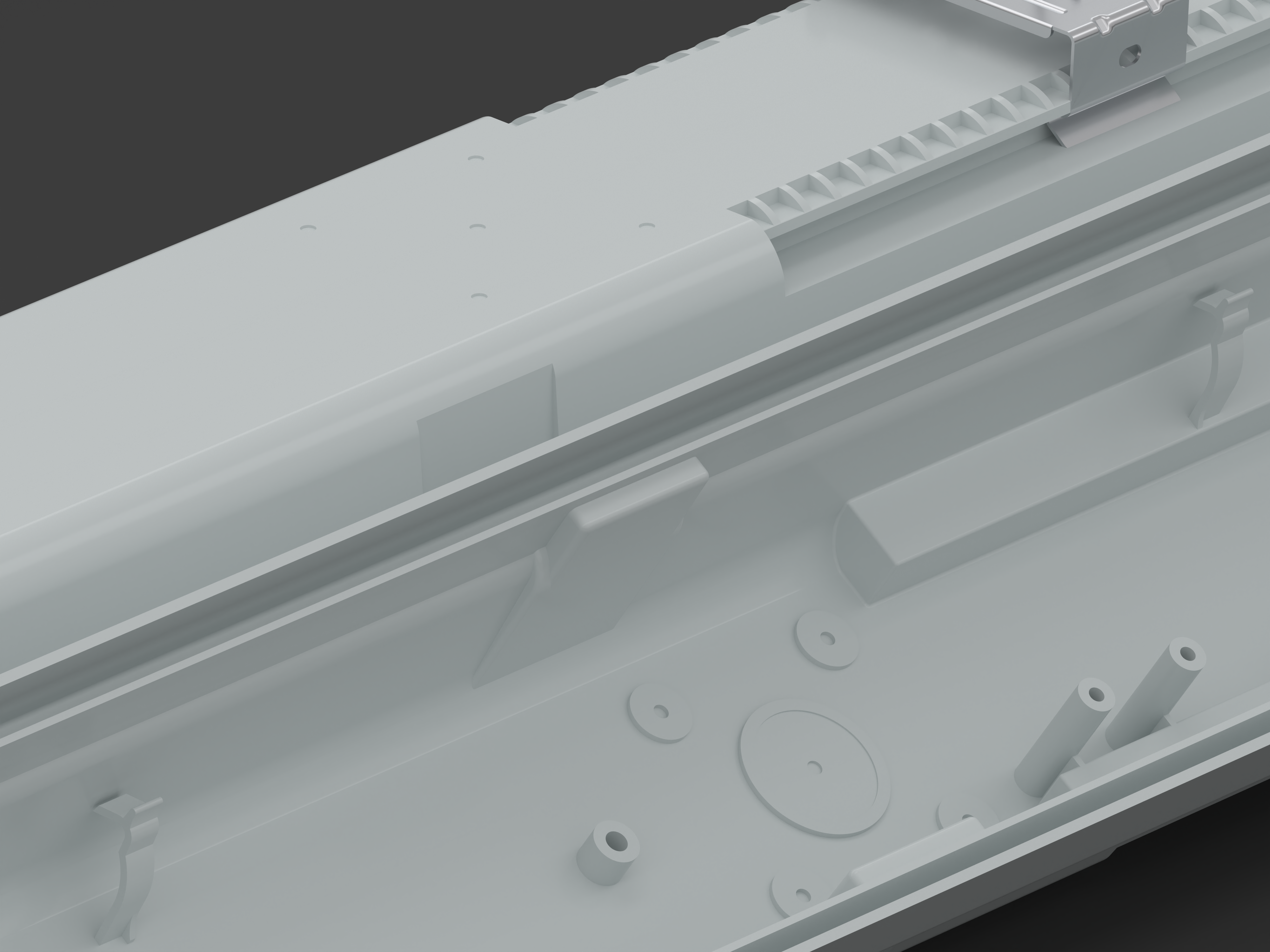
Construction environments present some of the most challenging conditions for lighting systems. Dust, moisture, extreme temperatures, and physical impact threaten standard fixtures, making reliable illumination a critical safety and productivity concern. The tri-proof light has emerged as the industry standard solution because it addresses these specific environmental hazards while delivering consistent, long-lasting performance across diverse construction scenarios.
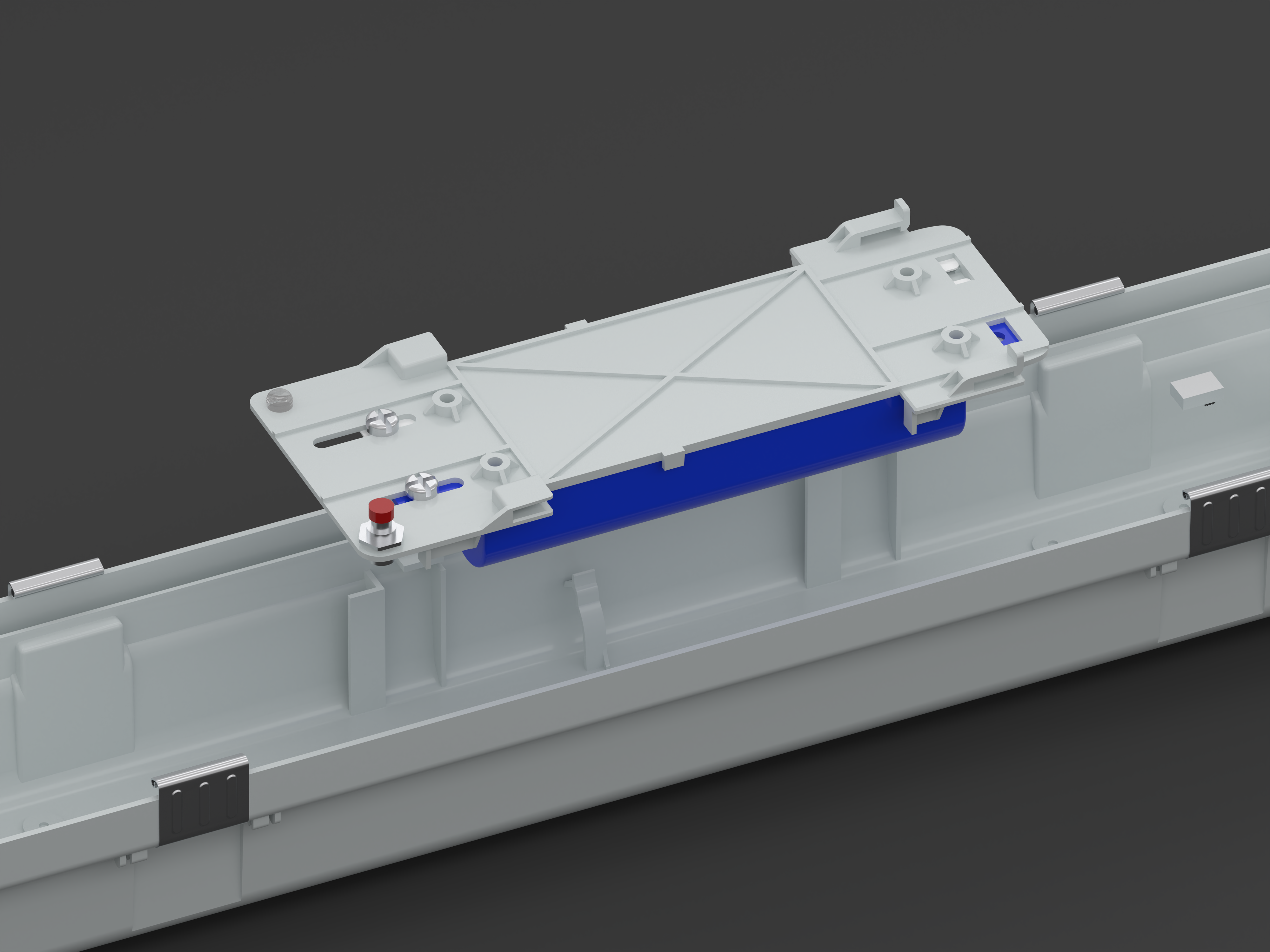
Construction projects demand more than basic lighting fixtures. A tri-proof light integrates three essential protective features that safeguard against dust infiltration, water intrusion, and impact damage, which are the primary failure points for conventional lighting. Understanding why construction projects require durable tri-proof light solutions reveals the direct connection between proper illumination infrastructure and project success, worker safety, and operational efficiency.
The Triple Protection Framework Behind Tri-Proof Light Design
Dust Resistance and Environmental Sealing
Construction sites generate substantial dust from concrete cutting, demolition, material handling, and excavation activities. Standard lighting fixtures allow dust to accumulate on bulbs and internal components, reducing light output and creating fire hazards through thermal buildup. A tri-proof light features sealed optical components and protective gaskets that prevent dust particles from entering the fixture housing. This design ensures that the tri-proof light maintains consistent lumen output throughout extended project phases, protecting both the light source and the electrical connections from contamination-related failures.
Moisture and Water Protection
Water exposure represents a critical threat on construction sites, whether from rain, concrete washdown, cleaning procedures, or accidental water spray. A durable tri-proof light incorporates high-IP-rated enclosures that prevent water ingress while maintaining ventilation for thermal management. The tri-proof light design typically includes silicone gaskets and stainless steel hardware that resist corrosion from prolonged moisture exposure. This multi-layer moisture barrier ensures that electrical components remain protected while the fixture continues operating reliably in wet conditions, reducing replacement frequency and maintenance costs associated with water damage.
Impact Resistance and Structural Durability in Active Work Zones
Physical Resilience Under Heavy Use
Construction equipment, falling objects, and worker contact create constant impact stress on site lighting infrastructure. Standard fixtures with plastic housings or exposed components fail quickly under these conditions. The tri-proof light incorporates reinforced polycarbonate or aluminum housings specifically engineered to absorb shock without cracking or misalignment. This robust tri-proof light construction method prevents light output disruption when fixtures encounter falling debris, machinery contact, or accidental strikes, maintaining illumination continuity critical for worker safety and scheduling compliance.
Thermal Management in Extreme Conditions
Construction sites experience temperature swings that stress lighting systems, particularly in enclosed structures, underground applications, or high-altitude locations. A tri-proof light balances protective sealing with effective thermal dissipation through engineered ventilation pathways and thermally conductive housings. This ensures the tri-proof light operates within safe temperature ranges despite environmental extremes, preventing premature component failure and maintaining consistent color rendering and lumen output across seasonal and operational variations.
Operational and Economic Benefits of Investing in Tri-Proof Light Solutions
Extended Service Life and Reduced Replacement Cycles
Construction budgets depend on predictable equipment costs and minimal unplanned maintenance. Durable tri-proof light systems deliver significantly longer operational life than standard fixtures because they eliminate premature failures caused by environmental exposure. A tri-proof light rated for five or more years of continuous use outperforms conventional fixtures lasting six to twelve months on comparable sites. This extended longevity reduces procurement overhead, minimizes production disruptions from lighting failures, and lowers total cost of ownership across multi-year projects.
Safety and Productivity Alignment
Reliable lighting directly impacts worker safety by ensuring visibility during hazardous tasks, preventing accidents, and supporting compliance with occupational health regulations. When a tri-proof light maintains consistent illumination throughout project phases, crews maintain focus, accuracy, and situational awareness essential for injury prevention. Additionally, tri-proof light reliability eliminates unexpected darkness that could halt operations or create emergency conditions, supporting project schedules and workforce productivity targets that drive profitability.
Regulatory Compliance and Site Certification
Modern construction standards increasingly mandate specific lighting performance and durability requirements for different site classifications. A tri-proof light meets NEMA, IEC, and regional certification standards that inspectors and auditors verify during project handovers. Specifying tri-proof light solutions from the planning phase ensures compliance documentation, reduces certification delays, and demonstrates professional site management. This compliance posture protects project stakeholders from liability while supporting insurance coverage and bonding requirements that modern construction projects require.
FAQ
What specific environmental conditions does a tri-proof light protect against?
A tri-proof light provides comprehensive protection against three primary environmental threats: dust contamination from construction activity, water intrusion from rain and washdown procedures, and physical impact from equipment or falling debris. These three protection modes combine to create a lighting solution suited specifically for construction environments where standard fixtures would fail within weeks of deployment.
How does tri-proof light construction compare to standard industrial lighting for long-term cost efficiency?
Tri-proof light solutions cost more initially but deliver superior cost efficiency over project lifecycles. A tri-proof light eliminates premature replacement expenses, reduces maintenance labor, and prevents production disruptions that inflate overall project costs. On multi-year construction programs, tri-proof light investments typically recover their premium pricing within the first project phase through operational savings and schedule protection.
Can a tri-proof light be used in indoor and outdoor construction areas interchangeably?
Yes, a tri-proof light is engineered for flexible deployment across both indoor and outdoor construction zones. The tri-proof light design handles outdoor weather exposure while performing equally well inside structures, underground work areas, and enclosed spaces where environmental controls may be limited. This versatility makes tri-proof light systems cost-effective because a single fixture type supports multiple site locations and project phases without specification changes.