
 EN
Selecting the right ceiling light for your project requires careful evaluation of multiple technical and design factors. Whether you're planning a commercial office renovation, industrial facility upgrade, or residential installation, the choice of ceiling light directly impacts energy consumption, worker productivity, visual comfort, and long-term maintenance costs. Making an informed decision about ceiling light specifications ensures your project meets performance goals while staying within budget constraints.
A ceiling light solution must balance aesthetic appeal with functional requirements specific to your space. Different environments demand different approaches. An industrial warehouse requires durable, high-lumen ceiling light fixtures that withstand temperature fluctuations and dust exposure. A modern office needs energy-efficient ceiling light systems that minimize eye strain while maintaining professional ambiance. Understanding these distinctions before purchasing ensures your ceiling light investment delivers value across its entire operational lifespan.
Brightness and Luminous Output Specifications
Determining Required Lumen Levels
Lumen output is the primary metric for evaluating ceiling light performance. Different spaces require different illumination levels measured in lumens per square foot or lux. A standard office environment typically needs 30 to 50 foot-candles, while precision work areas require 75 to 100 foot-candles. When selecting a ceiling light fixture, multiply your room's square footage by the required foot-candles and divide by the fixture's lumen output to determine how many units you need. This calculation prevents under-lighting situations where ceiling light fails to provide adequate visibility, compromising safety and productivity.
Color Temperature and Rendering Index
Color temperature, measured in Kelvin, fundamentally affects how ceiling light interacts with your space. Warm white ceiling light (2700K to 3000K) creates comfortable, inviting atmospheres suitable for residential and hospitality applications. Neutral white ceiling light (4000K to 4100K) balances functionality with comfort, making it ideal for offices and retail environments. Cool white ceiling light (5000K to 6500K) maximizes alertness and is preferred in industrial, medical, and technical spaces. Color Rendering Index (CRI) above 90 ensures ceiling light accurately displays object colors, critical for design work, retail display, and healthcare facilities. Your ceiling light selection must align with the specific visual tasks performed in the space.
Energy Efficiency and Operating Costs
LED Technology and Consumption Rates
LED ceiling light technology has revolutionized commercial and residential lighting by dramatically reducing energy consumption compared to traditional incandescent or fluorescent fixtures. Modern LED ceiling light systems consume 75 to 80 percent less electricity than equivalent incandescent ceiling light while delivering superior brightness and longevity. When evaluating ceiling light options, examine the watts-per-lumen ratio, typically expressed as lumens per watt. A quality LED ceiling light should deliver at least 100 lumens per watt, ensuring maximum efficiency. Over a five-year period, choosing high-efficiency ceiling light fixtures can reduce electricity costs by thousands of dollars for medium to large installations.
Heat Generation and Cooling Requirements
Heat output from ceiling light fixtures directly impacts your building's climate control needs. Traditional incandescent ceiling light generates excessive heat, increasing air conditioning load during warm months and creating thermal comfort issues. LED ceiling light produces minimal heat, reducing cooling requirements and supporting energy conservation goals. In facilities with limited HVAC capacity, selecting low-heat ceiling light becomes essential for maintaining comfortable indoor temperatures. This factor is particularly important in server rooms, data centers, and retail spaces where heat accumulation affects equipment performance and customer comfort.
Physical Design and Installation Compatibility
Form Factor and Aesthetic Integration
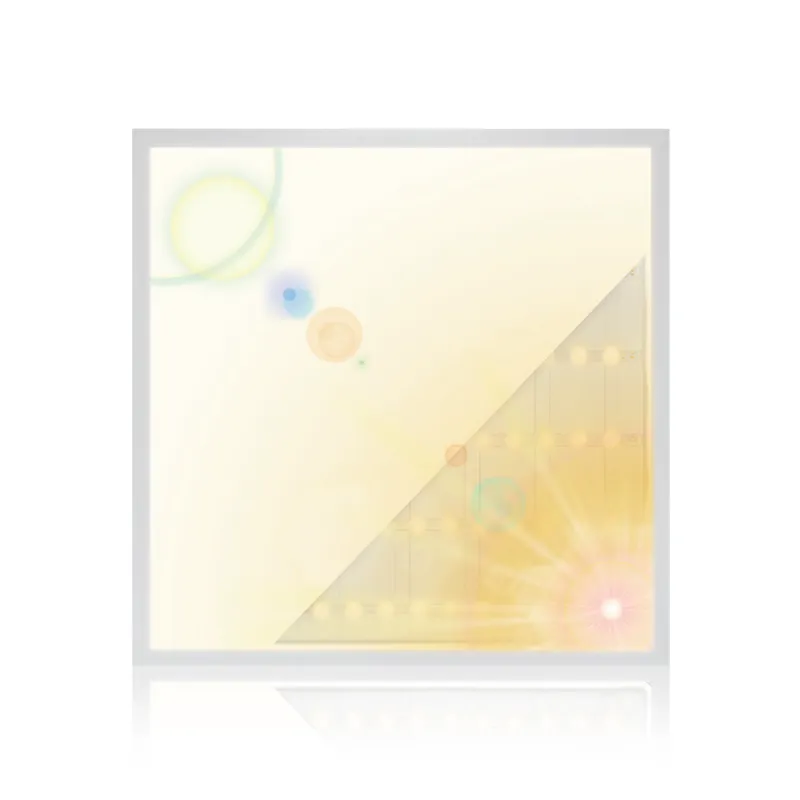
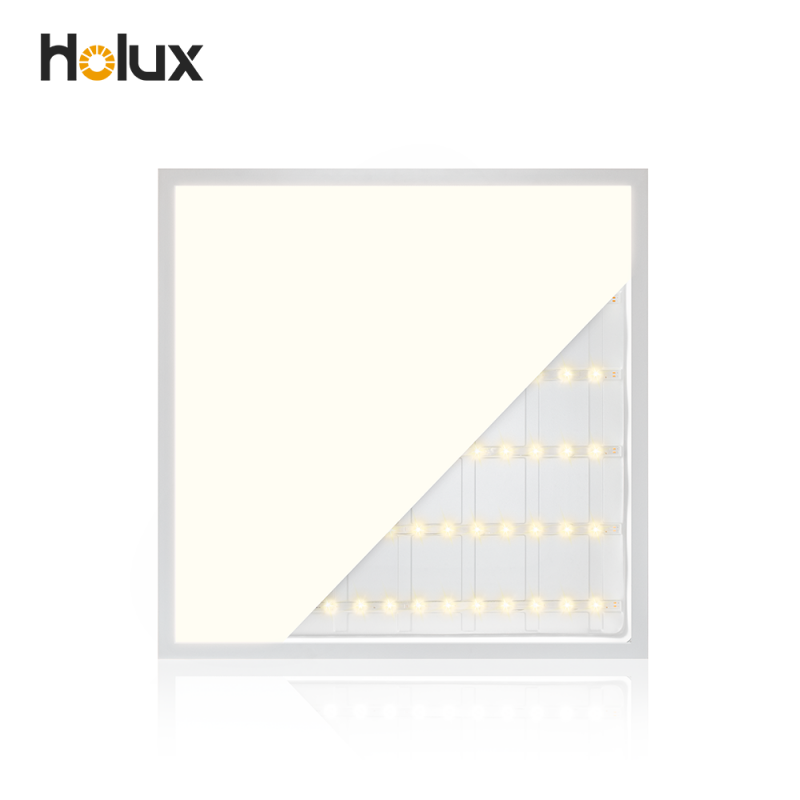
Ceiling light comes in diverse physical formats, each serving different architectural and functional needs. Recessed ceiling light fixtures integrate flush with ceiling surfaces, creating clean, minimalist appearances suitable for modern offices and residential spaces. Panel-style ceiling light provides flat, diffused illumination across large areas, ideal for open-plan offices and commercial environments. Pendant ceiling light hangs below the ceiling structure, offering design flexibility and focused task illumination. Surface-mounted ceiling light attaches directly to the ceiling, simplifying installation in retrofit applications. Your selected ceiling light format must complement your existing architectural style while fitting within spatial constraints and mounting system compatibility.
Mounting Systems and Electrical Requirements
Installation compatibility determines whether your chosen ceiling light fits your space's existing infrastructure. Standard drop-ceiling installations accommodate various recessed ceiling light options without structural modification. Drywall ceilings require different mounting hardware than suspended ceiling systems. Voltage requirements vary significantly among ceiling light models, with most commercial fixtures operating on 120V or 277V systems. Some advanced ceiling light solutions include dimming capabilities, occupancy sensors, or daylight harvesting controls that require additional wiring infrastructure. Before finalizing your ceiling light selection, verify that your electrical system supports the fixture's power requirements and that your ceiling structure accommodates the mounting method without modifications exceeding your project budget.
Durability, Maintenance, and Total Cost of Ownership
Lifespan and Replacement Frequency
Long operational lifespan directly correlates to reduced total cost of ownership for ceiling light installations. Quality LED ceiling light fixtures typically last 40,000 to 100,000 hours, translating to 10 to 25 years of continuous operation. Traditional fluorescent ceiling light lasts 10,000 to 15,000 hours, necessitating more frequent replacements. Extended ceiling light lifespan reduces labor costs associated with maintenance visits and minimizes business disruption caused by installation work. When comparing ceiling light options, calculate replacement frequency over your planning horizon to understand true operational costs beyond initial purchase price.
Environmental Conditions and Material Durability
Environmental factors determine which ceiling light solutions will maintain performance throughout their operational life. Humid environments like kitchens and bathrooms require ceiling light fixtures with corrosion-resistant materials and sealed components to prevent moisture damage. Industrial facilities with dust, chemical vapors, or temperature extremes need robust ceiling light designs with reinforced housings and premium optical components. Vibration-prone spaces such as factories with heavy machinery require ceiling light fixtures with secure mechanical construction preventing component loosening or misalignment. By selecting ceiling light rated for your specific environmental conditions, you avoid premature degradation and unexpected replacement costs.
FAQ
What makes a good quality ceiling light fixture?
A quality ceiling light combines high lumen output with low energy consumption, extended lifespan, and appropriate color temperature for its intended application. The best ceiling light fixtures offer CRI values above 90, demonstrate thermal stability, include protective components for harsh environments, and integrate seamlessly with your space's electrical and structural systems. Premium ceiling light options provide dimming capabilities, motion sensors, or smart controls enabling flexible use patterns.
How do I calculate how many ceiling light fixtures I need?
Multiply your room's square footage by the required illumination level (measured in foot-candles) to determine total lumens needed. Divide this total by your chosen ceiling light fixture's lumen output. For example, a 500-square-foot office requiring 40 foot-candles needs 20,000 total lumens. If each ceiling light provides 2,000 lumens, you need 10 fixtures. This calculation ensures your ceiling light selection provides adequate brightness throughout your space.
Are LED ceiling light fixtures worth the investment?
Yes, LED ceiling light represents a sound investment due to dramatically lower energy costs, extended lifespan reducing replacement frequency, and improved light quality. Although initial ceiling light purchase prices exceed traditional options, the energy savings and reduced maintenance quickly offset higher upfront costs. Over their operational lifetime, LED ceiling light systems typically deliver positive return on investment within two to five years while providing superior performance and environmental benefits.