
 EN
EN
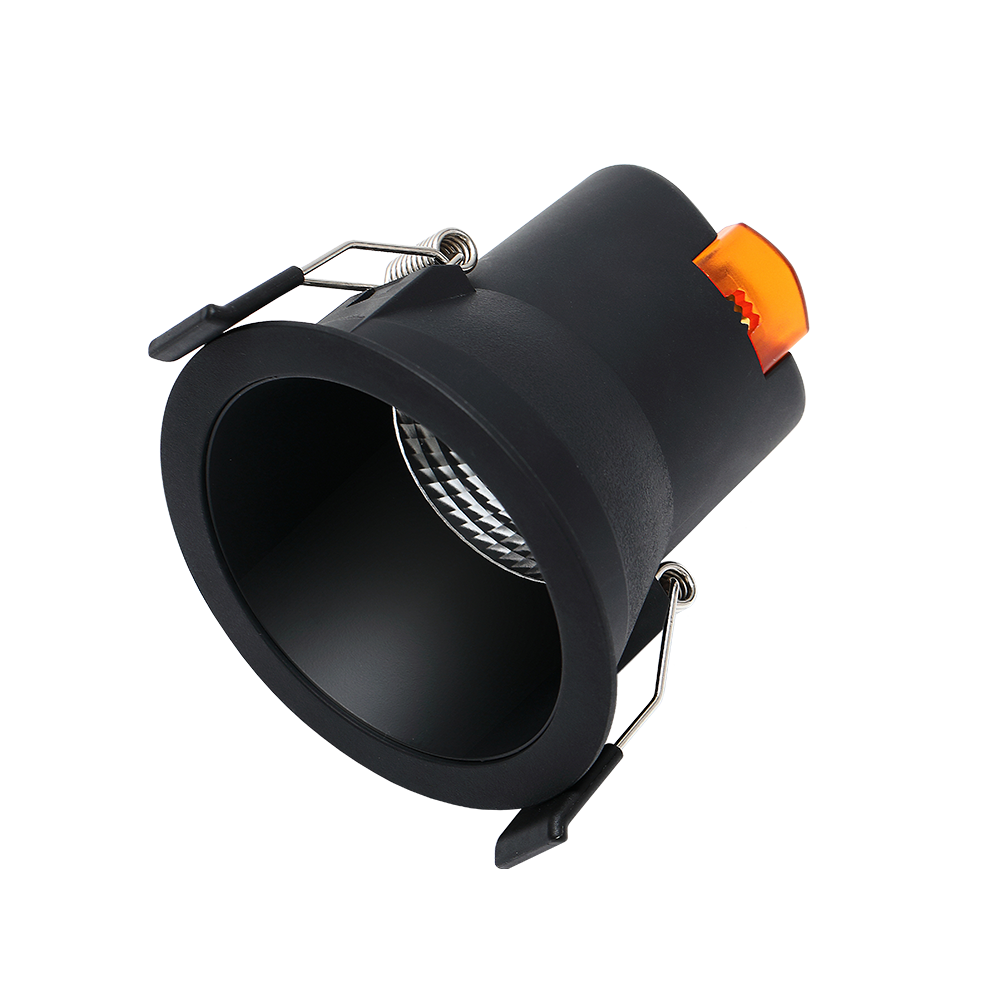
When it comes to presenting products with precision and visual impact, lighting is never an afterthought. A well-chosen LED spotlight does more than illuminate a shelf — it shapes perception, draws attention to key items, and elevates the overall aesthetic of any display environment. Whether you are outfitting a luxury retail boutique, a museum exhibit case, or a commercial product showcase, the right lighting solution defines how your audience experiences what they see.
The LED spotlight has become the preferred lighting format for display cabinets and product showcases across a wide range of professional environments. Its combination of directional precision, low heat emission, energy efficiency, and color accuracy makes it uniquely suited to environments where every visual detail counts. Understanding why the LED spotlight holds this advantage requires a closer look at the functional demands of showcase lighting and how this technology meets them.
The Functional Demands of Display Cabinet Lighting
Directional Control and Focused Illumination
Display cabinets present a specific lighting challenge: the light source must be compact enough to fit within or adjacent to the enclosure, yet powerful enough to create a clear visual hierarchy. A LED spotlight addresses this directly through its inherently directional beam. Unlike diffuse sources that scatter light across an entire room, the LED spotlight concentrates output onto a targeted area, ensuring that the featured product receives maximum visual emphasis.
This focused output is especially valuable in multi-shelf cabinets where each level must be lit independently without spilling unwanted light onto adjacent displays. The narrow beam angle characteristic of a quality LED spotlight allows installers to precisely define the lit zone, creating clean separations between product zones and preventing the washed-out appearance that poorly directed lighting produces.
In high-end retail and luxury environments, that precision directly influences the perceived value of the product. Customers associate crisp, intentional lighting with quality, and the LED spotlight delivers that impression consistently across every installation.
Low Heat Output in Enclosed Spaces
One of the most practical reasons the LED spotlight dominates in display cabinet applications is its thermal profile. Traditional halogen spotlights generate significant infrared heat, which accumulates rapidly inside enclosed glass or acrylic cabinet spaces. Over time, this heat can damage delicate merchandise, fade fabric and paper products, and create an uncomfortable browsing environment.
The LED spotlight generates far less heat at the beam target, directing the vast majority of its energy into visible light rather than radiated warmth. This makes it safe for use in close proximity to temperature-sensitive items including jewelry, cosmetics, food products, collectibles, and fine textiles. For display environments where product integrity is non-negotiable, this thermal advantage is not a minor feature — it is a core requirement.
Beyond product safety, lower heat output also reduces the cooling load on climate-controlled retail spaces, contributing to overall energy management and comfort for both staff and customers.
Color Accuracy and Its Role in Product Presentation
Color Rendering Index and Visual Truthfulness
A LED spotlight designed for showcase use typically delivers a high Color Rendering Index, commonly abbreviated as CRI. This metric measures how accurately a light source reveals the true colors of objects compared to natural daylight. For product displays, accurate color rendering is not cosmetic — it is commercial. When a customer sees a product under lighting that distorts its actual color, the disconnect between display and reality undermines trust and increases the likelihood of returns.
High-CRI LED spotlight solutions, particularly those rated at CRI 90 or above, reproduce color with a fidelity that allows materials like leather, gemstones, fabrics, ceramics, and fresh foods to appear as they genuinely are. This builds purchase confidence, reduces post-sale dissatisfaction, and reinforces the credibility of the brand presentation.
For display cabinet applications in sectors such as jewelry retail, cosmetics, gourmet food, and premium electronics, specifying a LED spotlight with documented CRI performance is a professional standard rather than an optional upgrade.
Color Temperature Selection for Showcase Environments
The LED spotlight is available across a broad range of color temperatures, giving designers and retailers precise control over the visual atmosphere of the showcase. Warm white temperatures in the 2700K to 3000K range create an intimate, premium feel well suited to jewelry, luxury goods, and hospitality environments. Neutral white settings around 4000K deliver a clean, clinical appearance appropriate for electronics, medical products, and contemporary retail formats.
This flexibility is one of the reasons the LED spotlight has replaced halogen and fluorescent alternatives in professional showcase design. Specifiers can align the color temperature of the lighting to the brand's identity, the product category, and the intended customer experience — all within a single lamp format that maintains consistent quality across the installation.
When the color temperature of a LED spotlight is matched correctly to the merchandise and the overall interior design, the result is a coherent visual environment that feels intentional and authoritative rather than improvised.
Energy Efficiency and Long-Term Cost Logic
Wattage Reduction Without Sacrificing Output
Display environments are often lit for extended hours — sometimes twelve to sixteen hours daily in commercial retail settings. Under these conditions, the energy consumption of each individual light source accumulates into substantial operating costs. The LED spotlight significantly reduces this burden by delivering high lumen output relative to its wattage draw. A compact LED spotlight rated at 6 watts, for example, can produce luminous flux levels that previously required halogen sources consuming 35 to 50 watts.
Across a showcase installation with dozens of individual light points, this efficiency gap translates into meaningful reductions in electricity expenditure. For large-format retail environments, exhibition halls, and multi-cabinet showroom configurations, the cumulative savings from switching to LED spotlight solutions can offset the initial installation cost within a relatively short operating period.
This makes the LED spotlight not only an aesthetic choice but a financially rational one — a characteristic that resonates strongly with facility managers, procurement specialists, and sustainability-focused brands.
Lifespan and Maintenance Reduction
The operational lifespan of a quality LED spotlight far exceeds that of halogen or compact fluorescent alternatives. While halogen lamps in showcase fixtures typically require replacement every 1,000 to 2,000 hours of use, modern LED spotlight products routinely deliver 25,000 to 50,000 hours of rated life under normal operating conditions. For display installations that run continuously during business hours, this means years of operation before the first replacement cycle.
Reduced replacement frequency directly lowers maintenance labor costs and eliminates the operational disruption of re-lamping display cases, which in customer-facing retail environments must typically be performed outside business hours. For showcase environments where consistent lighting quality matters — such as permanent museum installations or high-traffic retail floors — the reliability of the LED spotlight is a significant operational advantage.
Longer lifespan also reduces waste generation, aligning with the environmental responsibility commitments that many brands now communicate to their customers as part of their broader values positioning.
UGR Compliance and Visual Comfort in Showcase Settings
Understanding Glare Control in Display Environments
Glare is a persistent problem in display lighting. When light sources are visible within a customer's field of view, the resulting discomfort reduces dwell time and diminishes the viewing experience. The Unified Glare Rating, or UGR, provides a standardized measure of the glare potential of a luminaire in a given installation context. A LED spotlight with a low UGR value — such as UGR16 or below — produces minimal glare, allowing customers to focus on the displayed product rather than being distracted or fatigued by the light source itself.
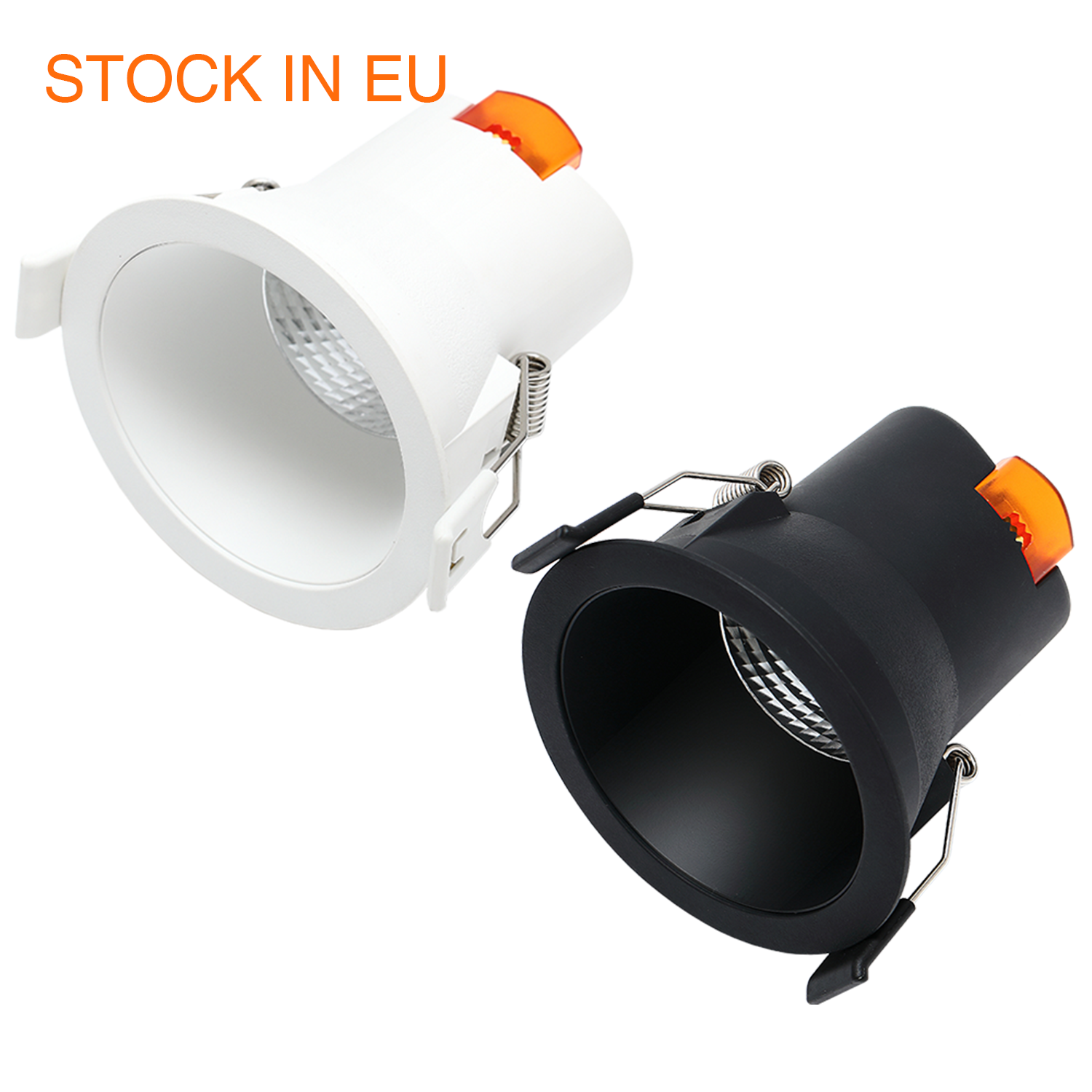
In display cabinet and showcase applications, where viewers are often in close proximity to the light sources, glare control is particularly important. A well-engineered LED spotlight achieves low UGR values through optical design elements such as recessed lamp positioning, anti-glare baffles, and diffused lens surfaces that prevent direct visibility of the light-emitting components without compromising beam intensity.
Specifying a LED spotlight with documented UGR performance is especially relevant for galleries, museums, and high-end retail formats where the quality of the viewing experience directly reflects on the brand and institution.
IP Rating Considerations for Enclosed and Humid Environments
Many display cabinet environments — particularly those housing food products, fresh flowers, cosmetics, or items in humid retail spaces — require lighting fixtures with appropriate ingress protection ratings. A LED spotlight rated at IP44 or higher offers protection against solid particle ingress and water splashing, making it suitable for semi-enclosed cabinet environments where condensation or cleaning moisture may be present.
This practical protection ensures that the LED spotlight maintains performance integrity over time without corrosion damage to internal components or degraded optical output caused by moisture infiltration. For retail operators managing large-scale installations across multiple locations, specifying an IP-rated LED spotlight eliminates a common source of premature luminaire failure and the associated replacement costs.
The availability of IP-rated options within compact LED spotlight formats means that protection and performance no longer require a compromise, allowing designers to specify the same product family across both standard and demanding display environments.
Installation Flexibility and Design Integration
Compact Form Factor for Cabinet-Scale Applications
Display cabinets impose strict physical constraints on lighting fixtures. The available mounting space is typically limited, and fixture depth must be managed carefully to avoid visual intrusion into the display zone or interference with product placement. The LED spotlight is designed with these constraints in mind, offering a compact form factor that integrates cleanly into ceiling recesses, track systems, and cabinet-mounted channels without dominating the visual composition.
This compactness also facilitates retrofitting existing cabinet installations. Many older display environments were originally designed around halogen downlights or fluorescent tubes, and upgrading to LED spotlight solutions typically requires only standard mounting hardware adjustments. The dimensional compatibility of modern LED spotlight products with legacy fixture housings simplifies the upgrade process and reduces installation time.
For designers and store planners working to refresh the appearance of an existing retail environment, the ability to upgrade to LED spotlight performance within the existing architectural framework is a significant practical benefit.
Dimmability and Dynamic Lighting Control
Display environments often require variable lighting intensity to accommodate different product presentations, time-of-day atmospheres, or special event configurations. A dimmable LED spotlight integrates with standard phase-cut and DALI dimming systems, allowing operators to adjust output levels smoothly without color shift or flicker. This dynamic control capability enables the same physical installation to support both everyday retail browsing and focused product highlight scenarios.
The ability to dim a LED spotlight without compromising color accuracy or creating visual instability is a technical requirement that earlier LED generations sometimes struggled to meet. Current LED spotlight products designed for professional showcase use consistently deliver stable, flicker-free dimming performance across their full output range, making them reliable components in sophisticated lighting control systems.
For luxury retail, showroom, and museum environments where lighting scenarios change frequently, the dimmability of the LED spotlight is as important as its optical or thermal characteristics.
FAQ
What makes a LED spotlight better than a halogen spotlight for display cabinets?
A LED spotlight outperforms halogen in display cabinet applications primarily because of its lower heat output, higher energy efficiency, longer operational lifespan, and superior color rendering consistency. Halogen sources generate significant infrared heat that can damage sensitive merchandise and increase cooling demands, while the LED spotlight keeps the cabinet environment stable and product-safe. The LED spotlight also maintains consistent color temperature and output quality throughout its lifespan, whereas halogen lamps shift in color and dim as they age.
What CRI level should I look for in a LED spotlight for product showcases?
For professional product showcase applications, a LED spotlight with a CRI of 90 or above is the recommended standard. This level of color rendering ensures that materials, finishes, and colors appear true to life, which is critical for customer purchase confidence and accurate product representation. In sectors such as jewelry, cosmetics, and fine food retail, a high-CRI LED spotlight is effectively a commercial requirement rather than a preference.
Does IP rating matter when choosing a LED spotlight for display cabinets?
Yes, IP rating is relevant whenever the display cabinet is located in a humid environment, houses fresh or refrigerated products, or is subject to regular cleaning with liquid products. A LED spotlight rated at IP44 or higher provides sufficient protection against moisture and particulate ingress for most semi-enclosed cabinet applications. In dry, climate-controlled showroom environments, a standard LED spotlight without elevated IP protection is typically adequate, but specifying an IP-rated version adds a practical margin of durability.
Can a LED spotlight be used in small or narrow display cases without causing overheating?
A compact LED spotlight is well suited for use in small and narrow display cases precisely because its thermal output is substantially lower than equivalent halogen sources. While adequate ventilation around any luminaire is always good practice, the reduced heat generation of the LED spotlight means that enclosed cabinet installations carry far less risk of thermal accumulation than they would with traditional lamp technologies. Always verify the fixture's thermal specifications against the cabinet's ventilation characteristics for demanding or fully enclosed installations.
Table of Contents
- The Functional Demands of Display Cabinet Lighting
- Color Accuracy and Its Role in Product Presentation
- Energy Efficiency and Long-Term Cost Logic
- UGR Compliance and Visual Comfort in Showcase Settings
- Installation Flexibility and Design Integration
-
FAQ
- What makes a LED spotlight better than a halogen spotlight for display cabinets?
- What CRI level should I look for in a LED spotlight for product showcases?
- Does IP rating matter when choosing a LED spotlight for display cabinets?
- Can a LED spotlight be used in small or narrow display cases without causing overheating?