
 EN
EN
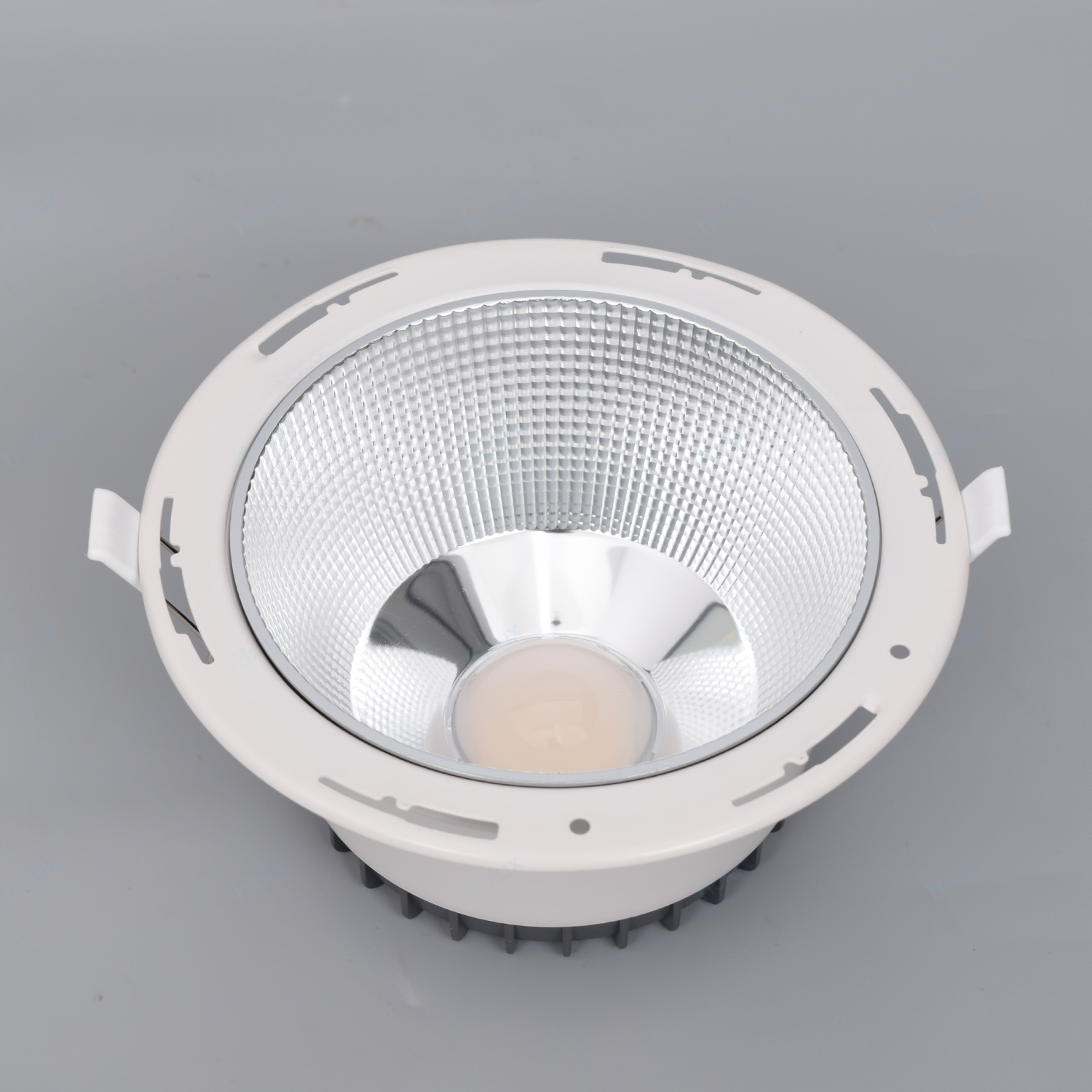
In modern interior design, the ceiling is no longer just a structural surface — it is a canvas for atmosphere, proportion, and visual calm. Among all the lighting solutions available today, the down light has emerged as the preferred choice for designers and architects who prioritize clean lines, uncluttered surfaces, and a refined aesthetic. Its flush or recessed installation eliminates visual noise on the ceiling plane, making it uniquely suited to spaces where simplicity is a design principle rather than a compromise.
Understanding what makes a down light genuinely ideal for minimalist ceiling design requires looking beyond its basic function. It is not simply about hiding a light fixture inside the ceiling — it is about how the down light contributes to spatial coherence, light quality, and the overall sensory experience of a room. This article explores the specific characteristics, design logic, and practical advantages that position the down light as the definitive lighting form for clean and minimalist interiors.
The Architectural Logic Behind the Down Light
Flush Integration with the Ceiling Plane
One of the most fundamental reasons the down light excels in minimalist design is its ability to integrate seamlessly into the ceiling without protruding into the room's visual field. Unlike pendant lights or surface-mounted fixtures, a properly installed down light sits flush with the ceiling, preserving the continuity of the overhead plane. This continuity is essential to minimalist aesthetics, where any visual interruption — even a small one — can disrupt the sense of calm and order that the design is intended to create.
The recessed form of a down light means that attention stays on the space itself, the furniture, the materials, and the human occupants rather than on the light fixture. In minimalist design philosophy, the best fixture is often the one that disappears. The down light achieves this with precision, becoming part of the architecture rather than an object placed within it.
This architectural integration also allows designers to control ceiling rhythm. By spacing down light units at deliberate intervals, a designer can create a sense of proportion and repetition that reinforces the spatial geometry of a room. The ceiling becomes a structured, intentional surface rather than a neglected overhead plane.
Reduction of Visual Clutter
Minimalist spaces are defined by the absence of excess. Every element present in such a space must justify its presence through function, beauty, or both. The down light satisfies both criteria simultaneously: it provides functional illumination while contributing almost nothing to visual clutter. There are no hanging cables, no decorative shades, no exposed bulb housings, and no elaborate mounting hardware. Just a clean aperture in the ceiling and a beam of light.
This reduction in visual complexity has a measurable psychological effect. Spaces with fewer visual interruptions are perceived as larger, calmer, and more organized. For commercial interiors such as high-end retail environments, corporate offices, or hospitality spaces, this perception directly influences how clients and visitors experience the brand environment. The down light is therefore not merely a lighting choice — it is a spatial strategy.
Compared to track lighting or decorative pendants, the down light imposes the smallest visual footprint possible. When multiple down light fixtures are required to illuminate a large area, they can be arranged in a grid or pattern that feels deliberate and geometric, reinforcing the minimalist character of the space rather than undermining it.
Light Quality and Its Role in Minimalist Spaces
Controlled Beam and Glare Management
A down light does not simply emit light — it directs it. The recessed housing of a down light naturally limits the spread of light to a downward cone, which gives designers precise control over where light falls and where it does not. This directional quality is fundamental in minimalist spaces, where even the behavior of light must be intentional. Pools of light can define zones, highlight materials, or draw the eye toward focal points, all without requiring any additional hardware or visible accessories.
Glare control is another area where the down light proves its value in clean interior design. High-quality down light units are engineered with low UGR (Unified Glare Rating) values — some achieving UGR16 or below — which means that the light source itself is shielded from direct view at normal angles. In a minimalist space with smooth, reflective surfaces such as polished concrete, marble floors, or lacquered furniture, uncontrolled glare would immediately destroy the sense of serenity that the design works to achieve. A well-specified down light prevents this by containing the light source within a deep-set housing.
The optical precision of a modern down light also allows for narrow or wide beam angles depending on the application. A narrow beam works beautifully for accent lighting on artwork or architectural features, while a wider beam provides ambient illumination without harsh transitions. This flexibility makes the down light a versatile tool in the minimalist designer's repertoire.
Color Temperature and Surface Rendering
In minimalist interiors, materials are often the most expressive design elements. Rough concrete, natural timber, woven textiles, and smooth stone all communicate texture, warmth, and character. The down light plays a critical role in making those materials visible and legible. A down light with a high Color Rendering Index (CRI) — typically 90 or above — ensures that colors and textures appear true to life, revealing the nuance in natural materials rather than flattening them under poor-quality light.
Color temperature selection also matters significantly. In residential minimalist spaces, warm white temperatures around 2700K to 3000K create an inviting and relaxed atmosphere while maintaining visual crispness. In commercial or office environments designed with minimalist principles, neutral white temperatures around 4000K provide clarity and focus without introducing a clinical harshness. The down light, by its nature, delivers this focused color temperature directly to surfaces and task areas, making the color temperature selection more impactful than it would be with diffused ambient sources.
This precise rendering of surface quality is one reason why premium architectural photographers consistently prefer down light illumination when shooting minimalist interiors. The light models surfaces honestly and creates gentle shadows that reveal depth, giving the photography — and the space itself — a sense of tactile richness within a visually restrained environment.
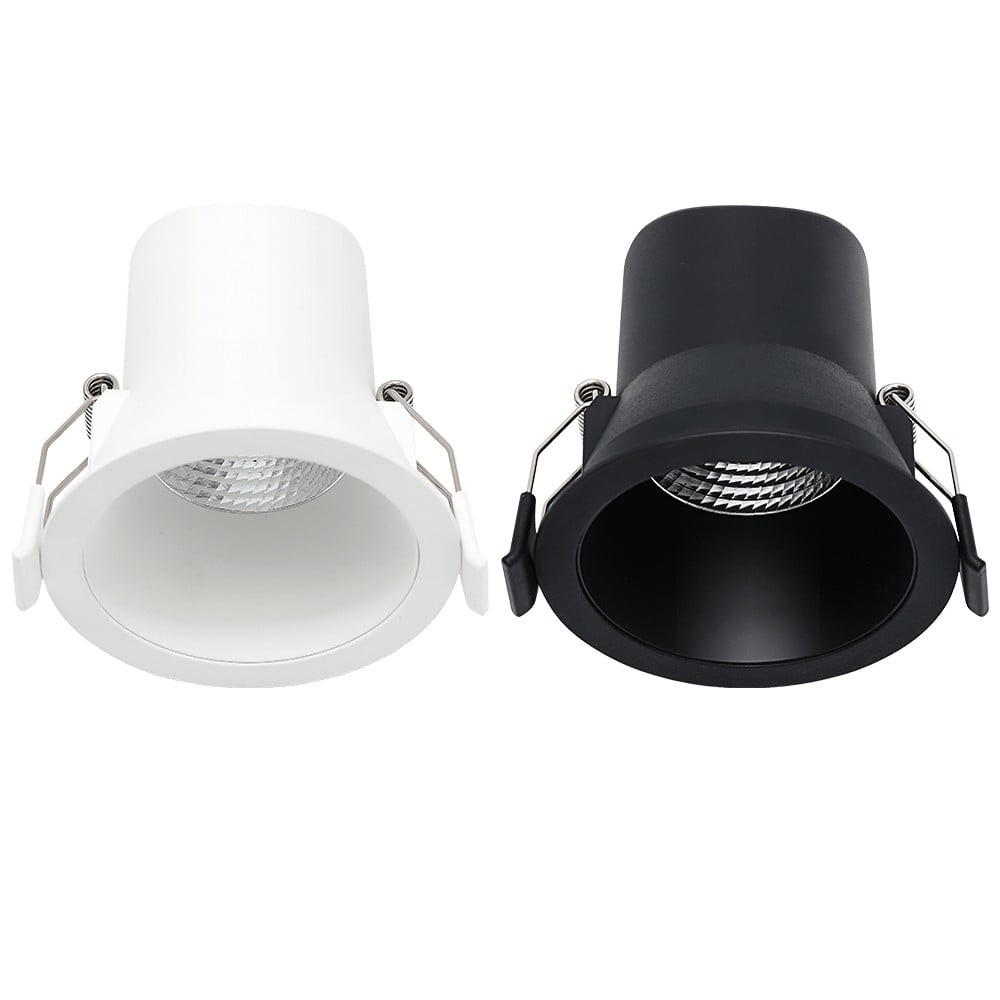
Practical Performance Advantages for Clean Ceiling Design
IP Rating and Suitability Across Spaces
Minimalist design often extends beyond living rooms and offices into bathrooms, kitchens, and other moisture-prone environments. One of the practical strengths of the modern down light is its availability with IP44 or higher ingress protection ratings, making it suitable for areas exposed to splashing water or high humidity. This means designers can maintain a consistent ceiling aesthetic throughout an entire property — including wet areas — without introducing visually incompatible fixture types.
A down light with IP44 protection sits flush in a bathroom ceiling just as cleanly as it does in a bedroom or corridor. The visual language remains uninterrupted across rooms, which is a significant advantage for projects where spatial coherence is a primary design goal. This consistency reinforces the minimalist ethos: one unified design language from room to room, without visual exceptions or compromises forced by functional requirements.
The durability of an IP-rated down light also reduces long-term maintenance concerns. In commercial applications particularly, the reliability of ceiling fixtures directly affects operational costs. A down light designed for wet environments with robust internal components maintains its performance over time, which means fewer replacements and fewer disruptions to the ceiling's clean appearance.
Energy Efficiency and Thermal Discretion
LED technology has transformed the down light from a high-consumption halogen fixture into an energy-efficient workhorse. A modern LED down light delivering 480 lumens at just 6 watts demonstrates the efficiency ratio now achievable — bright, focused light with minimal power draw and negligible heat emission. In minimalist spaces where every detail is considered, the absence of heat from the lighting system is both a comfort benefit and a practical one, as it reduces the load on climate control systems.
The compact LED driver and heat-sink design of contemporary down light products allow them to fit within shallow ceiling voids, making them practical even in retrofit situations where ceiling depth is limited. This means that converting an existing space to a cleaner, more minimalist ceiling aesthetic is achievable without major structural alteration. The down light adapts to the architecture rather than demanding that the architecture adapts to it.
Long LED lifespan also contributes to the minimalist value proposition. A down light rated for 30,000 to 50,000 hours of operation means years of maintenance-free performance. In commercial settings such as retail stores or office buildings, this translates to significantly reduced maintenance cycles and a ceiling that remains clean, consistent, and uninterrupted over the long term.
For specifiers who demand verified quality and supply chain reliability, our down lights are ENEC certified, delivering up to 160 lm/w while offering field‑adjustable power and colour temperature — allowing both brightness and CCT to be tuned on site to meet changing spatial requirements. IP65 and IP54 rated versions provide robust protection against moisture and dust, making them suitable for bathrooms, kitchens, covered exteriors, and other demanding environments. Both recessed (embedded) and surface‑mounted versions are available to accommodate different ceiling constructions without compromising the clean aesthetic. To support European projects, fast shipping from a German warehouse is backed by a local warranty, ensuring minimal downtime and simplified lifecycle management.
Design Scenarios Where the Down Light Excels
Residential Interiors with Minimalist Ambitions
In private homes, the down light is most impactful in open-plan living areas, bedrooms, hallways, and bathrooms where a calm, unobtrusive ceiling is desired. Homeowners who invest in minimalist interior design typically do so to create a sense of retreat from the visual complexity of everyday life. The down light supports this goal by keeping the overhead plane neutral and free from decoration, allowing the furnishings, artwork, and architectural features at eye level to carry the visual interest.
In bedrooms particularly, the down light positioned thoughtfully over reading areas, wardrobes, or bedside zones provides targeted functionality without the visual weight of bedside lamps or ceiling fixtures with visible shades. The result is a room that feels airy and unencumbered even when fully lit. When combined with dimmer compatibility, the down light can shift the bedroom atmosphere from functional to atmospheric with a simple adjustment, supporting the multiple moods a bedroom serves throughout the day.
Kitchen design has also embraced the down light as a primary functional and aesthetic tool. Over countertops and islands, down light provides even, shadow-reducing task illumination that suits both cooking and dining. The clean ceiling above a kitchen island fitted with recessed down light fixtures communicates a level of refinement that pendant lights, however stylish, cannot match when minimalism is the design direction.
Commercial and Hospitality Applications
The case for the down light in commercial environments is equally strong. In high-end retail, the down light illuminates merchandise without introducing competing visual elements that distract the customer from the products on display. A luxury boutique, for example, relies on the interplay of light and product — the ceiling should disappear entirely so that the merchandise and brand environment command full attention. The down light makes this possible by becoming invisible in service of the overall atmosphere.
In corporate office design, the trend toward clean, activity-based work environments has driven growing adoption of the down light as the primary ceiling fixture. Open-plan offices with exposed concrete ceilings or smooth plasterboard benefit enormously from the geometric precision of evenly spaced down light arrays. The lighting feels deliberate and structured, which subtly communicates organizational clarity and focus — qualities that align with the brand values of professional service firms, technology companies, and financial institutions.
Hospitality spaces such as hotel lobbies, corridor systems, and spa environments have long recognized the down light as the ceiling fixture of choice for premium guest experiences. In these settings, the down light delivers controlled illumination that creates intimate pools of light across reception desks, seating areas, and passageways, guiding guests through space with light rather than signage — a deeply minimalist approach to spatial navigation.
FAQ
What ceiling depth is needed to install a down light?
Most recessed down light models require a ceiling void of between 80mm and 150mm depending on the housing design and driver placement. Shallow-profile down light units are available for situations where ceiling depth is limited, such as retrofit projects or rooms with low floor-to-ceiling height. Always check the product's installation depth specification before selecting a down light for any given application.
Can a down light be used in a bathroom ceiling?
Yes, provided the down light carries an appropriate IP rating. For bathroom zones where water splashing is possible, an IP44-rated down light is the minimum recommended specification. For areas directly above a shower or bath, an IP65 rating is typically required. An IP-rated down light maintains the same flush, clean appearance as a standard model while providing the moisture protection necessary for safe use in wet environments.
How many down light fixtures are needed to illuminate a room adequately?
The number of down light units required depends on the lumen output of each fixture, the ceiling height, the room's reflectance values, and the desired illuminance level. As a general guideline, a 6W down light producing 480 lumens is well suited to accent and task lighting, while ambient room lighting may require a calculated array of multiple down light fixtures spaced according to a lighting design plan. For commercial projects, a formal lux calculation is recommended to ensure compliance with relevant standards.
Is a down light compatible with dimmer switches?
Many modern LED down light products are compatible with leading-edge or trailing-edge dimmer switches, though compatibility must be confirmed for each specific product and dimmer combination. Dimming capability is particularly valuable in minimalist interiors where the same space must serve different functions throughout the day — transitioning from bright task illumination to a softer, more atmospheric level in the evening. Always verify the dimmer compatibility listed in the down light product specifications before purchasing dimmer hardware.