Flexible Design Integration and Smart Controls
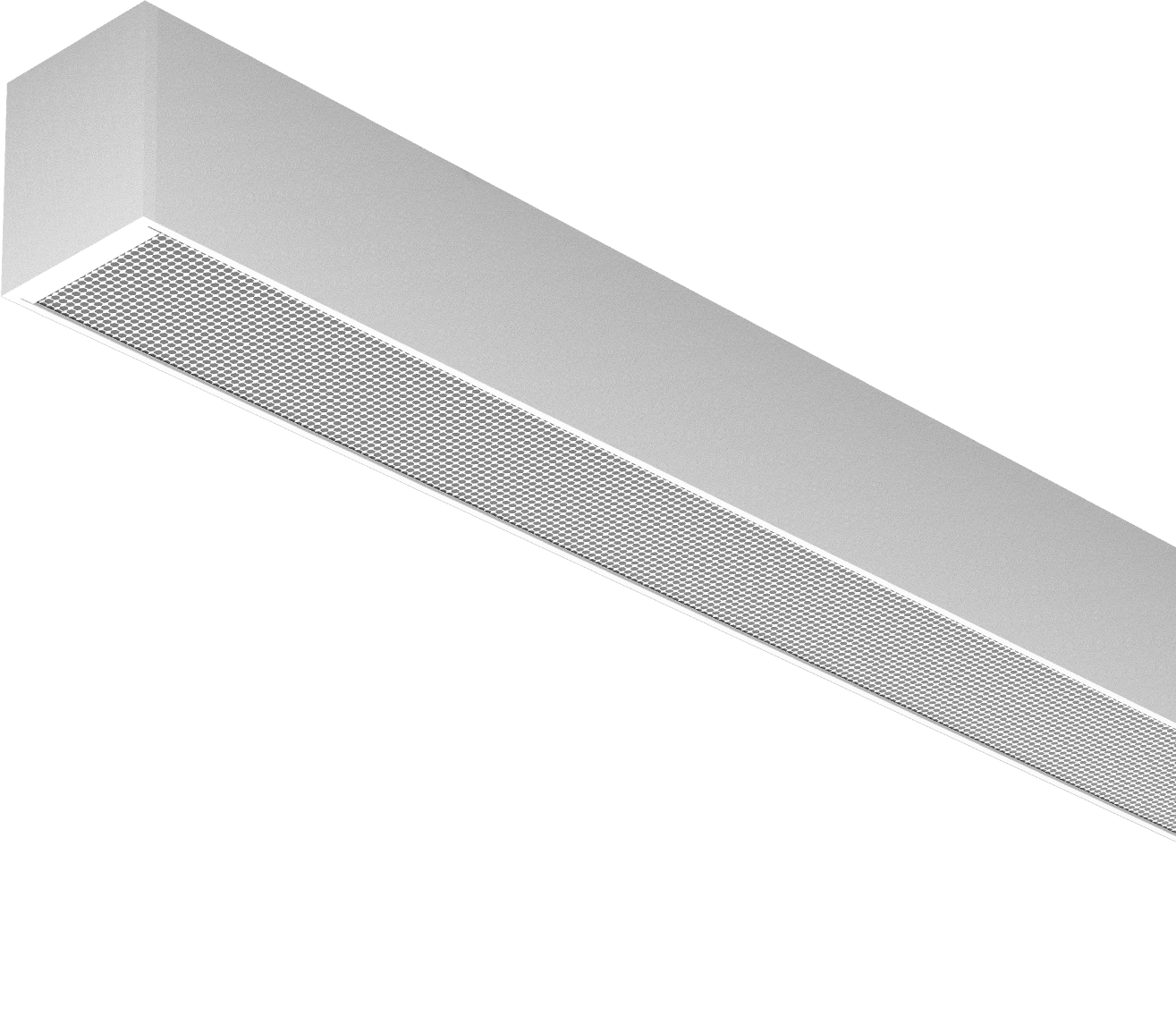
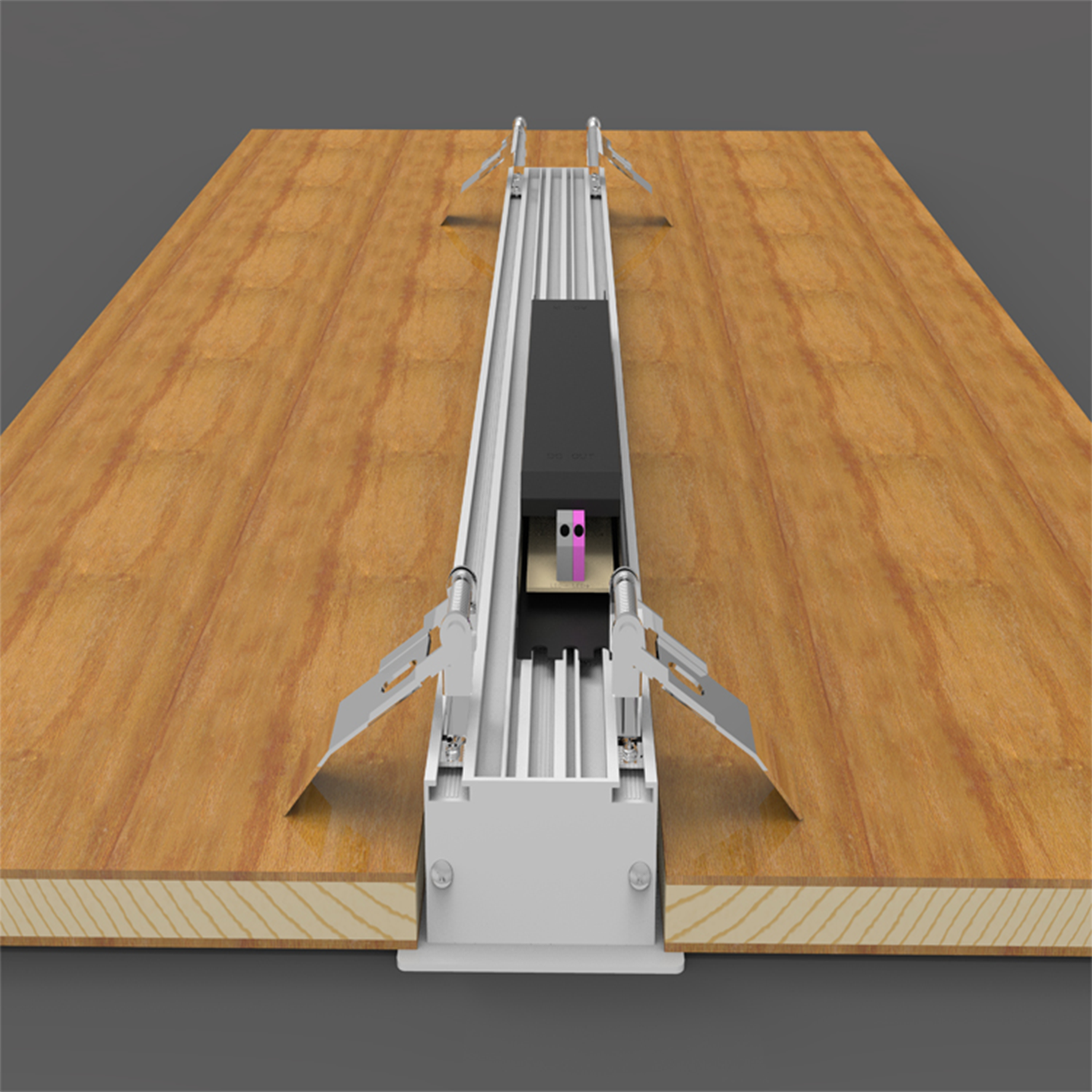
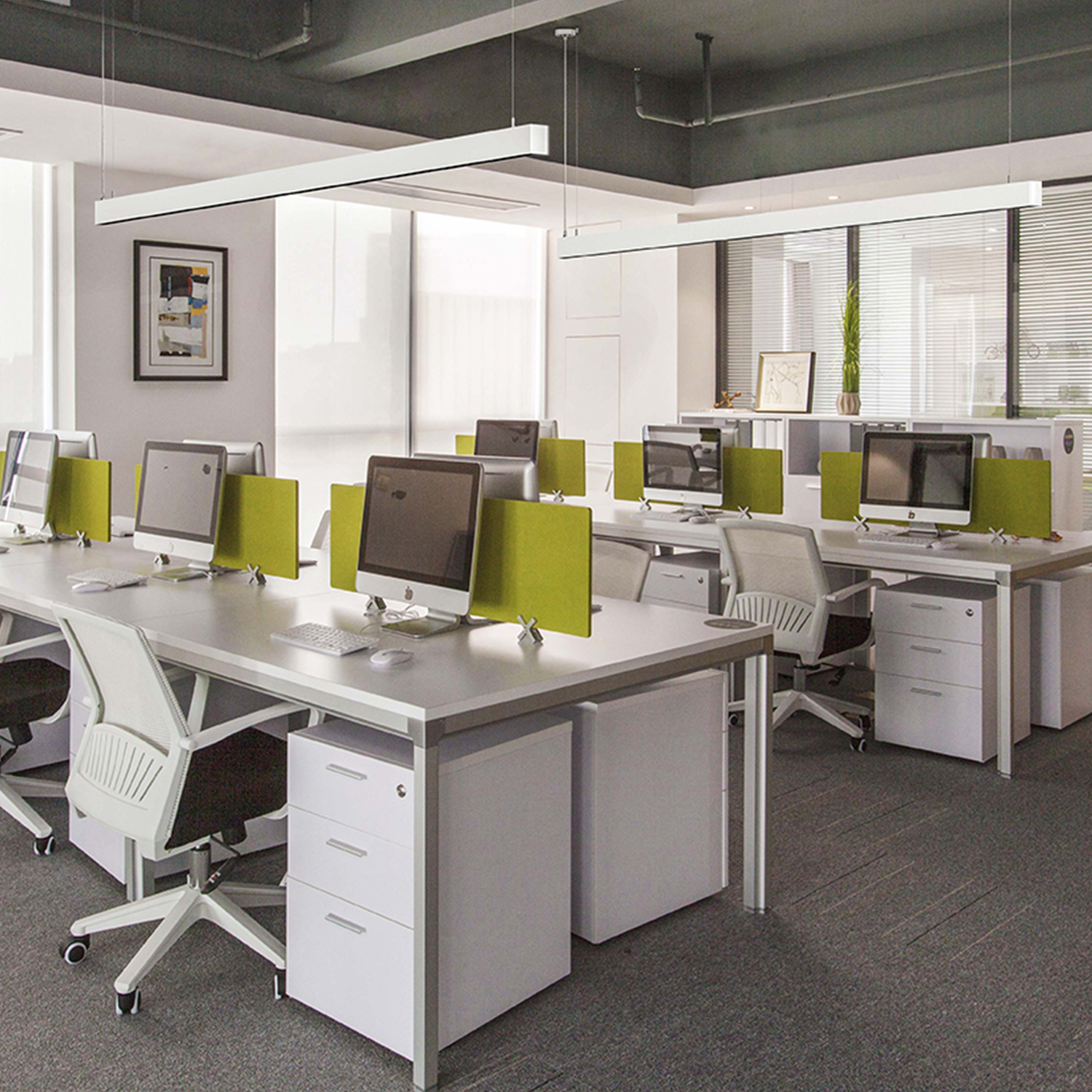
Office linear light exemplifies the convergence of architectural aesthetics and functional performance, offering unprecedented design flexibility that empowers architects, designers, and facility managers to create lighting solutions perfectly tailored to specific spatial requirements and organizational needs. The inherently modular nature of office linear light systems allows for virtually limitless configuration possibilities, from simple single-fixture installations to complex continuous runs spanning entire rooms, creating dramatic visual effects while providing practical illumination. The slim, unobtrusive profiles characteristic of contemporary office linear light designs complement modern architectural trends favoring clean lines and minimalist aesthetics, allowing the fixtures to either blend seamlessly into ceiling planes or serve as intentional design elements that define and organize spaces. Installation versatility represents a key advantage, with office linear light available in surface-mounted, suspended, and recessed configurations, each offering distinct aesthetic effects and practical benefits suited to different architectural conditions and design intentions. Suspended office linear light creates floating planes of illumination that add visual interest and dimension to spaces while providing excellent light distribution, particularly effective in environments with high ceilings or where creating distinct zones within open areas proves desirable. The integration capabilities of modern office linear light extend to advanced control systems that transform static lighting installations into dynamic, responsive environments that adapt to changing conditions and user needs throughout the day. Smart controls enable office linear light to respond to occupancy sensors, automatically adjusting or switching off illumination in unoccupied areas, generating substantial energy savings without requiring any conscious effort or behavior changes from building occupants. Daylight harvesting features allow office linear light systems to dim automatically in response to available natural light, maintaining consistent illumination levels at work surfaces while minimizing artificial light usage and associated energy consumption during daylight hours. The integration with building management systems provides centralized monitoring and control of entire lighting installations, enabling facility managers to implement sophisticated scheduling strategies, respond quickly to maintenance needs, and analyze energy consumption patterns to identify further optimization opportunities. Wireless control protocols and smartphone applications put lighting control directly in the hands of users, allowing individuals or teams to adjust brightness and sometimes color temperature to suit personal preferences and specific task requirements, supporting the trend toward personalized workplace environments. The continuous technological advancement in office linear light systems includes emerging features such as Li-Fi capabilities that transmit data through light waves, potentially transforming lighting infrastructure into high-speed communication networks, and advanced sensors that monitor air quality, temperature, and occupancy patterns, converting lighting fixtures into multifunctional nodes within intelligent building ecosystems that optimize not just lighting but overall environmental conditions for occupant comfort, health, and productivity.

 EN
EN