Linkable Linear Light: Scalable, Energy-Efficient LED Lighting for Every Space

Get a Free Quote

Our representative will contact you soon.
Email
Name
Company Name
Message
0/1000

linkable linear light

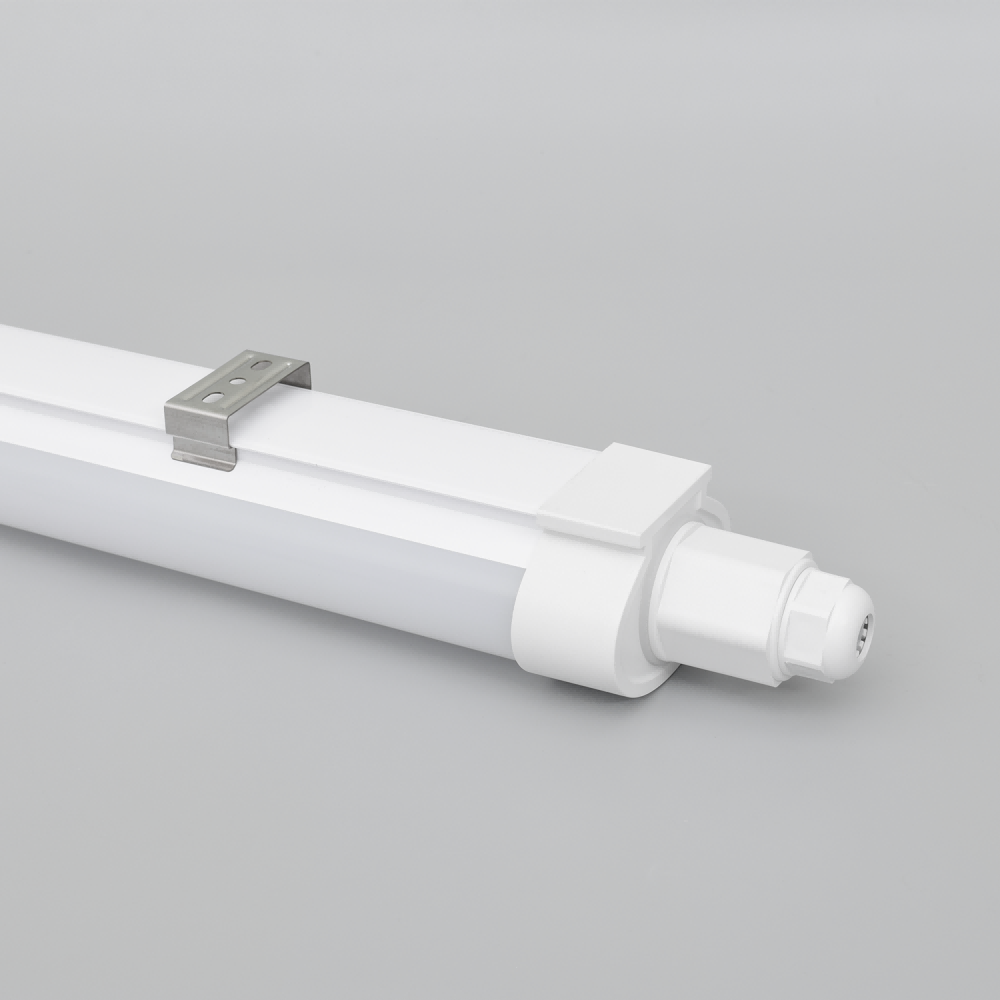
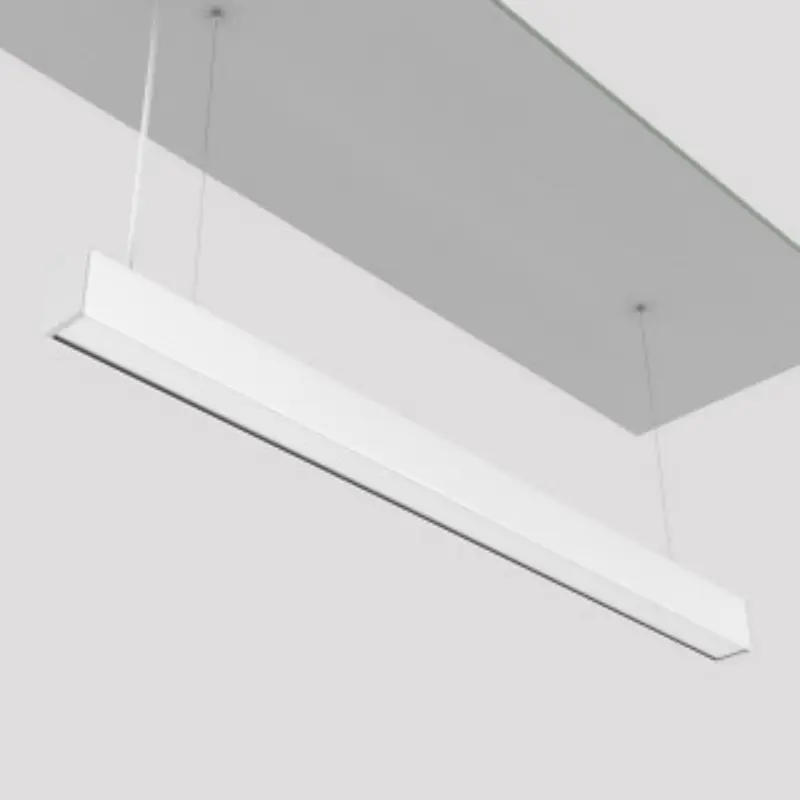
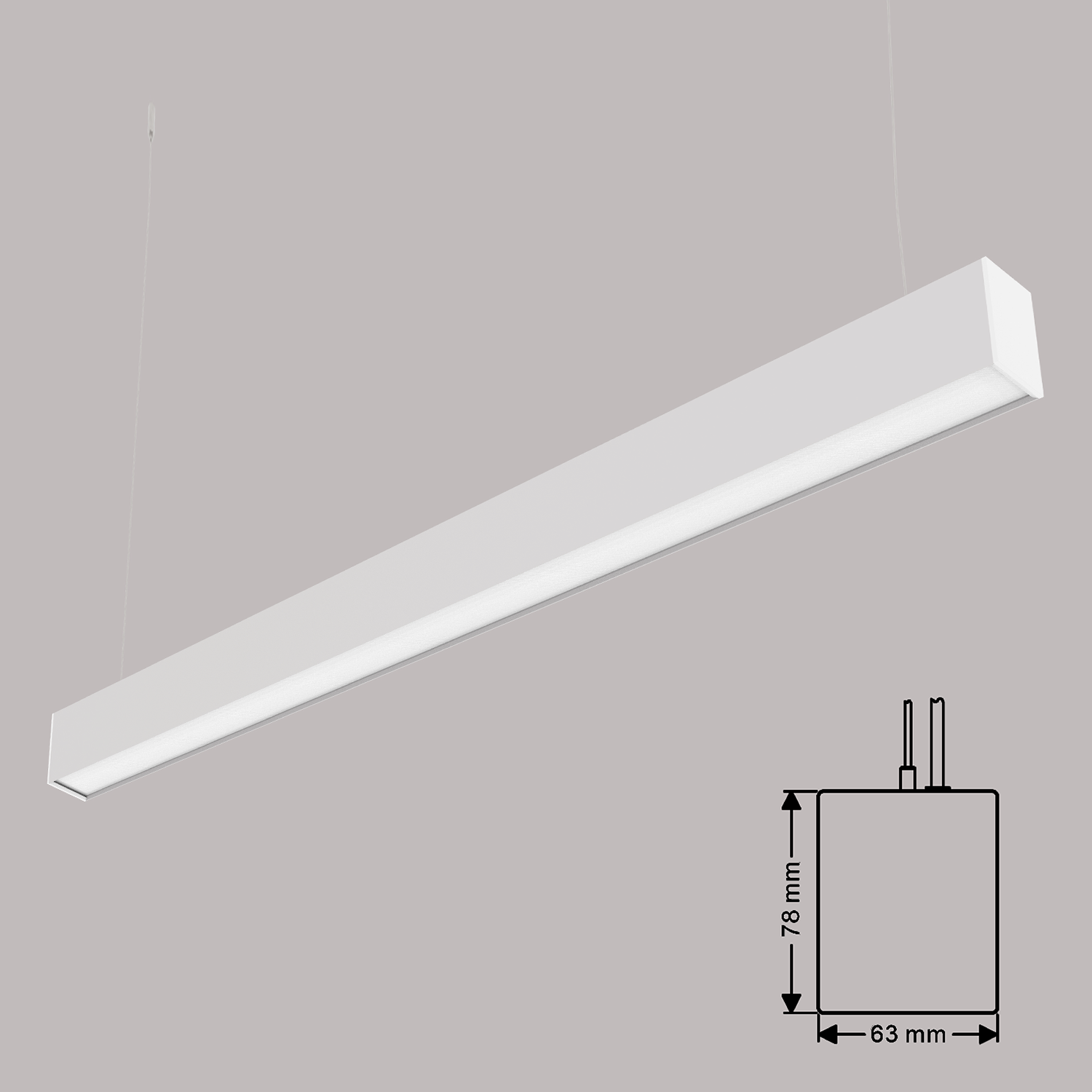
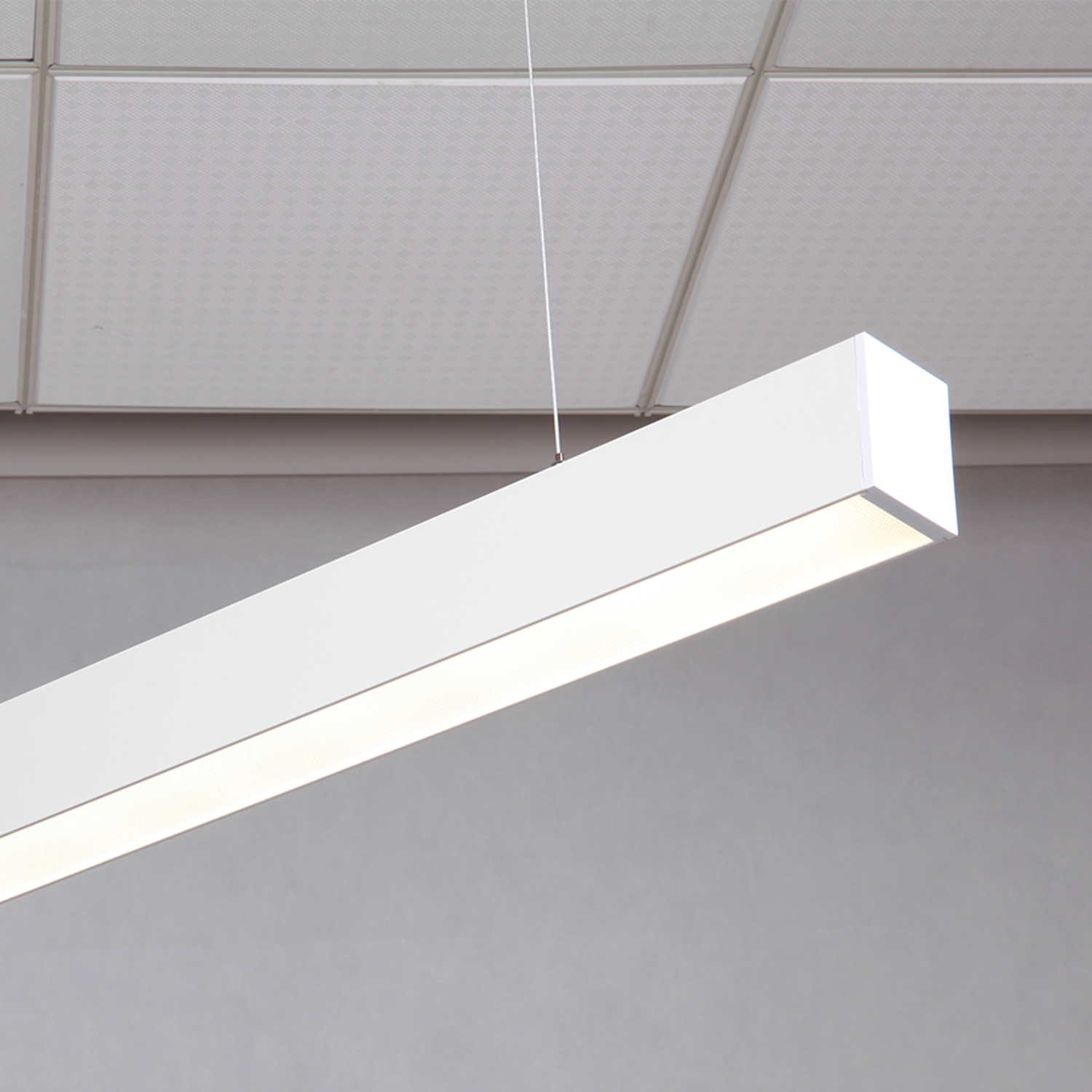
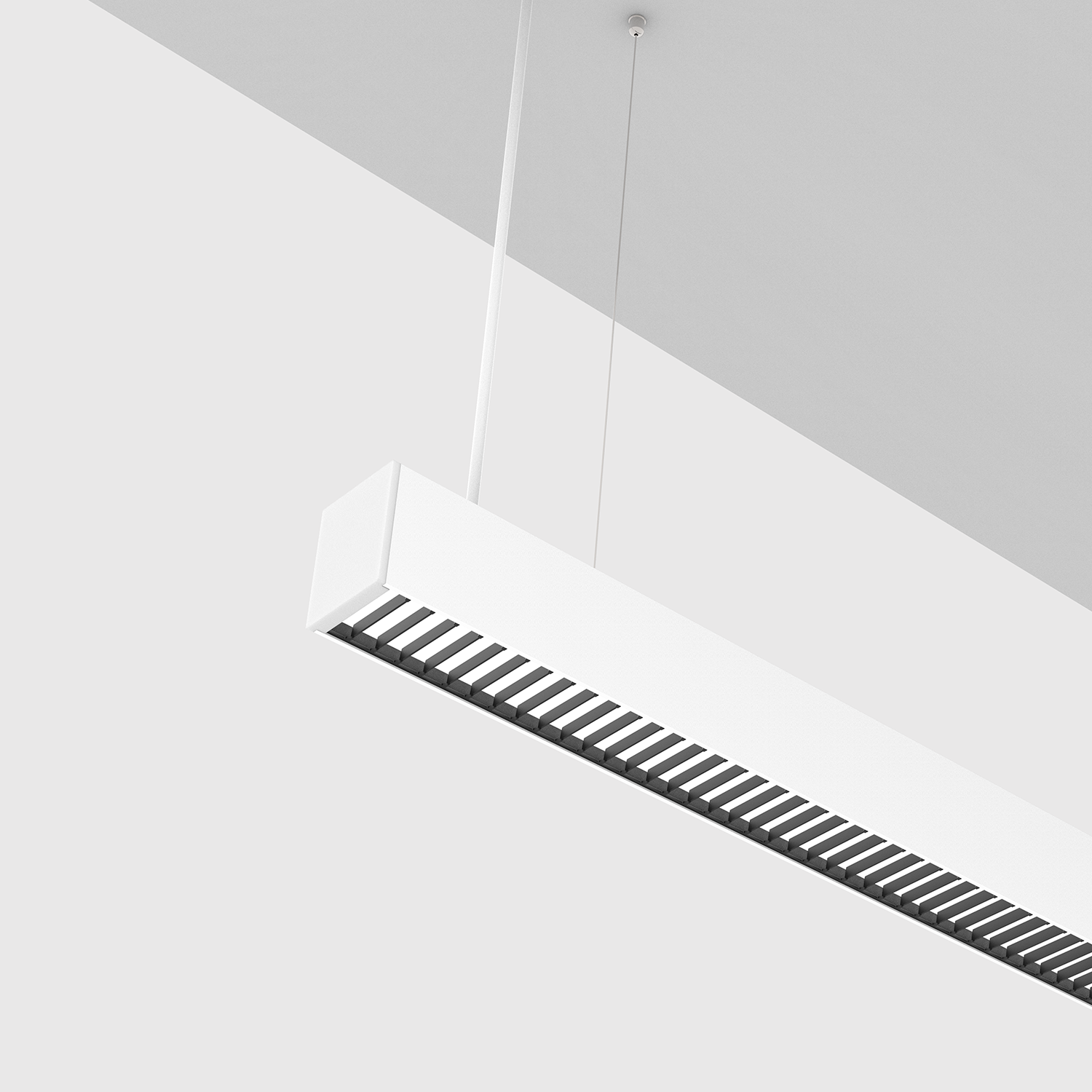
Linkable linear light is a versatile and modern lighting solution designed to meet the demands of both commercial and residential environments. At its core, a linkable linear light is a fixture that can be connected end-to-end with other units, forming a continuous, seamless line of illumination that adapts to virtually any space or layout. This flexibility makes it one of the most practical and scalable lighting systems available on the market today. The primary function of a linkable linear light is to deliver uniform, high-quality illumination across large or irregularly shaped areas without the need for multiple separate fixtures or complex wiring setups. By simply connecting units together using integrated connectors or linking cables, installers can extend the light run to match the exact dimensions of a room, corridor, warehouse, retail floor, or workspace. Most linkable linear lights are built on LED technology, which provides significant advantages in energy efficiency, lifespan, and light quality. LED-based linkable linear lights typically consume up to 60 percent less energy than traditional fluorescent tube systems while delivering superior lumen output and color rendering. Many models offer a color rendering index of 80 or above, ensuring that colors appear natural and accurate under the light. Technologically, linkable linear lights often feature driver-integrated designs that eliminate the need for external ballasts, reducing installation complexity and maintenance overhead. Some advanced models include dimming compatibility, allowing users to adjust brightness levels to suit different tasks or times of day. Others support emergency backup modules, motion sensors, or smart controls that integrate with building management systems. In terms of applications, linkable linear lights are widely used in supermarkets, warehouses, parking garages, offices, schools, hospitals, and industrial facilities. Their ability to create continuous light lines makes them ideal for aisle lighting, task lighting over workbenches, under-cabinet lighting in kitchens, and accent lighting in retail displays. The clean, linear aesthetic also suits modern architectural interiors where visual consistency and minimalism are priorities. Whether the goal is to illuminate a 10-foot closet or a 500-foot production floor, the linkable linear light system scales effortlessly to meet the requirement.


New Product Releases

Linkable linear light systems offer a range of practical benefits that make them a smart choice for anyone looking to upgrade their lighting setup, whether at home, in a retail store, or across a large commercial facility. Here is a clear look at what makes these fixtures stand out from conventional lighting options. First, installation is straightforward and fast. Because linkable linear lights are designed to connect directly to one another, you do not need to run separate wiring for each fixture. You connect the first unit to a power source, then link additional units in sequence. This dramatically cuts down on labor time and reduces the cost of installation, especially in long runs like warehouse aisles or office ceilings. Even someone with basic electrical knowledge can set up a linkable linear light system without calling in a specialist for every step. Second, you get consistent, even light across the entire run. Traditional fixtures placed at intervals often leave dark spots between them. A linkable linear light eliminates this problem by creating a continuous line of illumination. This is especially valuable in workspaces where uneven lighting causes eye strain, in retail environments where product presentation depends on consistent brightness, and in corridors or parking areas where safety requires reliable visibility at every point. Third, linkable linear lights save energy without sacrificing performance. LED technology at the heart of these fixtures means you use significantly less electricity compared to older fluorescent or incandescent systems. Lower energy consumption translates directly into reduced utility bills, and the long operational lifespan of LED components means you spend less on replacement bulbs and maintenance over time. For a business running lights across thousands of square feet, these savings add up quickly and deliver a strong return on investment. Fourth, the system is highly adaptable. If your space changes, your lighting can change with it. You can add more linkable linear light units to extend a run, remove sections when reconfiguring a layout, or reposition fixtures without major rewiring. This flexibility is a genuine advantage for businesses that frequently update their floor plans, such as retail stores, exhibition spaces, and co-working facilities. Fifth, linkable linear lights support a cleaner, more professional appearance. The continuous line design eliminates the cluttered look of multiple individual fixtures and creates a polished, modern aesthetic that suits contemporary interiors. For retail brands and hospitality businesses, the visual impression of a well-lit space directly influences how customers perceive the environment and the products within it. Sixth, many linkable linear light models are compatible with dimmer switches and smart controls, giving you precise control over light levels throughout the day. You can set brighter levels for active work periods and reduce intensity during quieter hours, which further reduces energy use and creates a more comfortable atmosphere. Taken together, these advantages make the linkable linear light a practical, cost-effective, and future-ready lighting solution for a wide range of settings.

Tips And Tricks

Why Is Reliable Commercial Lighting Important for Large Facilities?

01

Apr

Why Is Reliable Commercial Lighting Important for Large Facilities?

Large facilities face unique challenges when it comes to maintaining optimal lighting conditions across expansive spaces. From warehouses and manufacturing plants to retail centers and distribution facilities, the demand for consistent, dependable il...
View More
How Can Grille Light Support Efficient Lighting Layouts in Buildings?

01

May

How Can Grille Light Support Efficient Lighting Layouts in Buildings?

Efficient lighting layouts in modern buildings require careful consideration of both functional illumination and energy performance, and grille light fixtures have emerged as a cornerstone solution for architects and facility managers seeking optimal...
View More
What Factors Affect the Lifespan of a High-Quality LED Bulb?

08

May

What Factors Affect the Lifespan of a High-Quality LED Bulb?

Understanding the LED bulb lifespan is essential for facility managers, procurement specialists, and business owners who seek to optimize lighting investments while reducing operational costs. While manufacturers often advertise impressive longevity ...
View More
How Does LED Bulb Brightness Compare with Conventional Bulbs?

13

May

How Does LED Bulb Brightness Compare with Conventional Bulbs?

Understanding LED bulb brightness in relation to conventional lighting technologies remains a critical consideration for facility managers, procurement specialists, and industrial operations planning lighting upgrades or retrofits. The transition fro...
View More

Get a Free Quote

Our representative will contact you soon.
Email
Name
Company Name
Message
0/1000

linkable linear light

Seamless Connectivity for Scalable Lighting Layouts

Seamless Connectivity for Scalable Lighting Layouts

One of the most compelling features of the linkable linear light is its ability to connect multiple units into a single, uninterrupted lighting run. This seamless connectivity is not just a convenience during installation. It fundamentally changes how you can design and manage lighting in any space. Traditional lighting setups require each fixture to be individually wired back to a junction box or power source. This means more cable, more conduit, more labor, and more potential points of failure. With a linkable linear light system, you wire in the first unit and then daisy-chain subsequent units using integrated connectors or short linking cables. The result is a clean, efficient installation that takes a fraction of the time and cost of conventional approaches. The scalability this enables is genuinely useful across a wide range of real-world scenarios. In a warehouse, you might start with a single row of linkable linear lights over one aisle and expand the system as the facility grows, simply by adding more units to the existing run. In a retail store, you can configure the lighting to follow the exact path of a display wall or product gondola, ensuring every item is evenly lit without gaps or shadows. In an office, you can create a continuous overhead lighting grid that covers the entire floor plate with consistent illumination, improving both productivity and visual comfort for everyone working in the space. The connectors used in quality linkable linear light systems are designed for durability and ease of use. They lock securely to prevent accidental disconnection and are rated to handle the electrical load of extended runs without overheating or voltage drop. Some systems include flexible linking cables that allow units to be offset or angled, giving designers the freedom to create L-shaped, U-shaped, or custom configurations that follow the architecture of the space rather than being constrained by it. Beyond the physical installation, the scalability of a linkable linear light system also makes it easier to manage lighting zones. You can power different runs from separate circuits, allowing you to turn on only the sections you need at any given time. This zoned approach to lighting control is a practical energy-saving strategy that also extends the lifespan of the fixtures by reducing unnecessary operating hours. For facility managers, contractors, and interior designers, the seamless connectivity of the linkable linear light represents a meaningful improvement in how lighting projects are planned, executed, and maintained over the long term.
Superior Energy Efficiency Backed by Advanced LED Technology

Superior Energy Efficiency Backed by Advanced LED Technology

At the heart of every high-quality linkable linear light is a carefully engineered LED system that delivers exceptional light output while consuming a fraction of the energy required by older lighting technologies. This energy efficiency is not a minor incremental improvement. It represents a fundamental shift in the economics of lighting for homes, businesses, and industrial facilities alike. LED technology works by converting electrical energy directly into light through a semiconductor process, rather than heating a filament or exciting a gas as fluorescent and incandescent systems do. This direct conversion is far more efficient, meaning a much higher percentage of the electricity consumed actually becomes useful light rather than wasted heat. A typical linkable linear light using LED technology can produce the same lumen output as a fluorescent tube fixture while using 40 to 60 percent less electricity. For a single fixture, this difference might seem modest. But when you scale up to a warehouse with hundreds of fixtures running 10 to 16 hours a day, the cumulative energy savings become substantial and directly impact operating costs. The lifespan of LED components in a linkable linear light is another major economic advantage. While a standard fluorescent tube might last 10,000 to 15,000 hours before needing replacement, a quality LED linkable linear light is typically rated for 50,000 hours or more. This means years of operation without the cost and disruption of replacing lamps, and significantly lower maintenance labor expenses over the life of the installation. Color quality is another area where LED-based linkable linear lights excel. High color rendering index values, often 80 or above and reaching 90 or higher in premium models, ensure that the light produced accurately represents the true colors of objects and surfaces beneath it. This matters enormously in retail environments where product color accuracy influences purchasing decisions, in healthcare settings where accurate color perception supports clinical tasks, and in any workspace where visual precision is important. Many linkable linear light models also support dimming, which adds another layer of energy management. By reducing light output during periods of lower activity, you can cut energy consumption further without compromising the quality of illumination when full brightness is needed. Some systems integrate with occupancy sensors or daylight harvesting controls that automatically adjust output based on real-time conditions, pushing efficiency even higher. Choosing a linkable linear light with strong LED credentials is one of the most impactful decisions you can make when planning a lighting upgrade, delivering measurable financial returns alongside environmental benefits.
Versatile Applications Across Commercial, Industrial, and Residential Spaces

Versatile Applications Across Commercial, Industrial, and Residential Spaces

The linkable linear light is not a one-size-fits-all product in the limiting sense. Rather, it is a genuinely adaptable system that performs with equal effectiveness across an impressive range of environments and use cases. This versatility is one of the primary reasons why linkable linear lights have become a preferred choice for architects, lighting designers, facility managers, and homeowners who want a single lighting solution that can serve multiple purposes without compromise. In commercial retail environments, the linkable linear light excels at creating bright, consistent illumination that enhances product visibility and encourages customer engagement. Retailers know that how a product is lit directly affects how it is perceived. A linkable linear light positioned above a display shelf or along a product wall delivers even, shadow-free light that makes merchandise look its best. The ability to extend or reconfigure the lighting run as store layouts change means the investment in a linkable linear light system continues to pay dividends through multiple store resets and seasonal changes. In industrial and warehouse settings, the linkable linear light addresses the challenge of illuminating large, high-ceiling spaces efficiently and reliably. Long runs of linkable linear lights installed along aisle ceilings provide the consistent, high-lumen output needed for safe forklift operation, accurate inventory picking, and quality control inspections. The robust construction of industrial-grade linkable linear light fixtures ensures they can withstand the dust, vibration, and temperature variations common in these environments. In office and educational settings, the linkable linear light contributes to a productive and comfortable environment by delivering uniform illumination that reduces glare and eye strain. Studies consistently show that good lighting quality improves concentration, reduces errors, and supports the wellbeing of people who spend long hours under artificial light. A well-designed linkable linear light installation in an office or classroom creates a visually comfortable environment that supports the work being done within it. In residential applications, linkable linear lights are increasingly popular in kitchens, garages, workshops, and utility rooms where task lighting is essential. Under-cabinet linkable linear light installations in kitchens provide bright, directed light exactly where food preparation happens, eliminating the shadows cast by overhead fixtures. In garages and workshops, a run of linkable linear lights across the ceiling transforms a dim, difficult-to-work-in space into a well-lit, functional area. The combination of practical performance, aesthetic flexibility, and installation simplicity makes the linkable linear light a genuinely versatile solution that delivers value across every environment it serves.

Get a Free Quote

Our representative will contact you soon.
Email
Name
Company Name
Message
0/1000