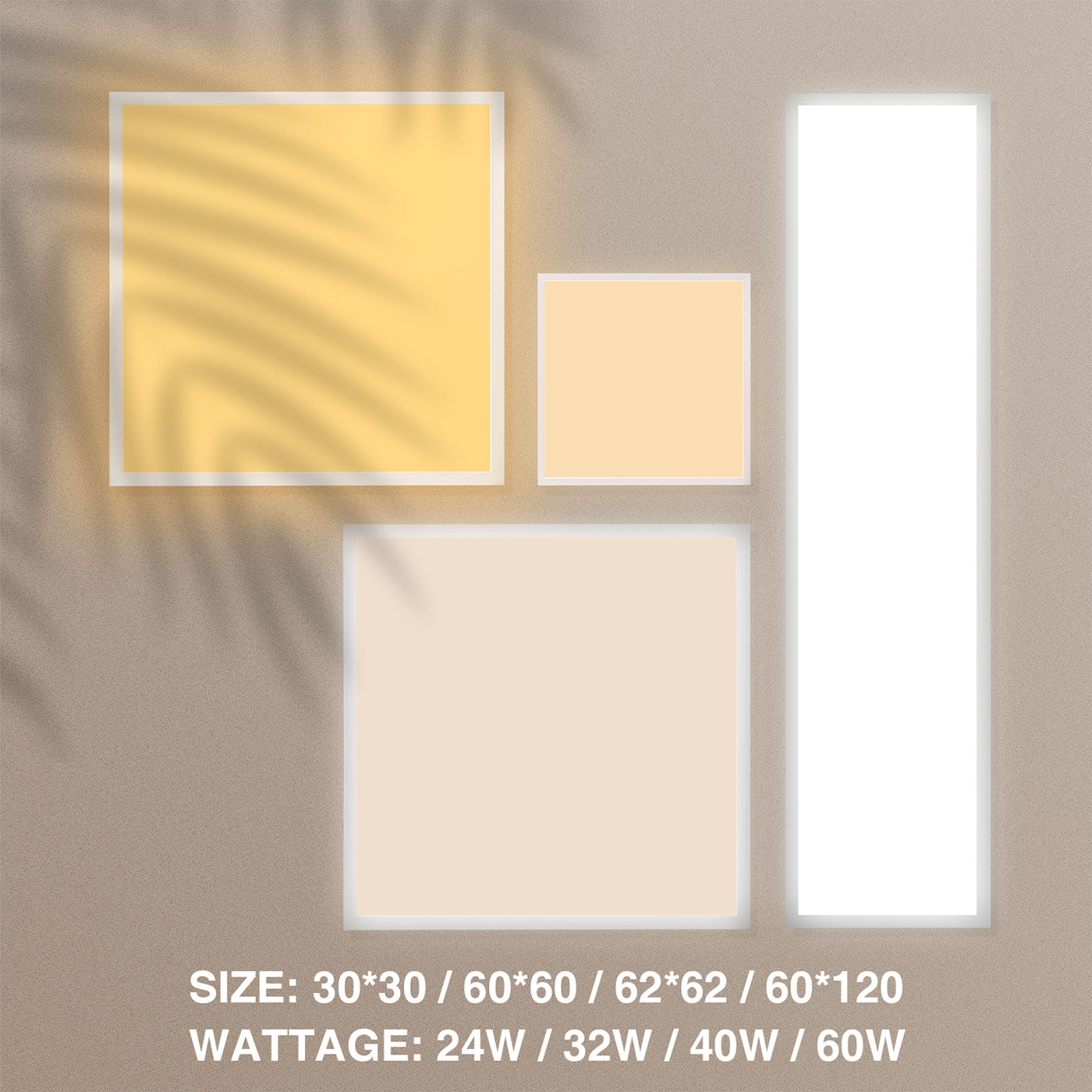
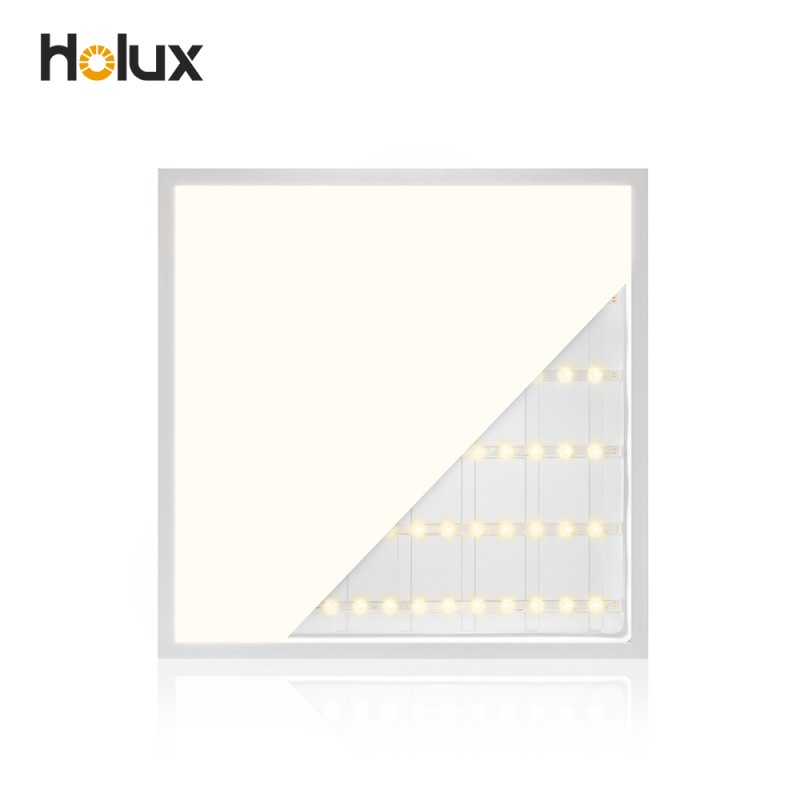
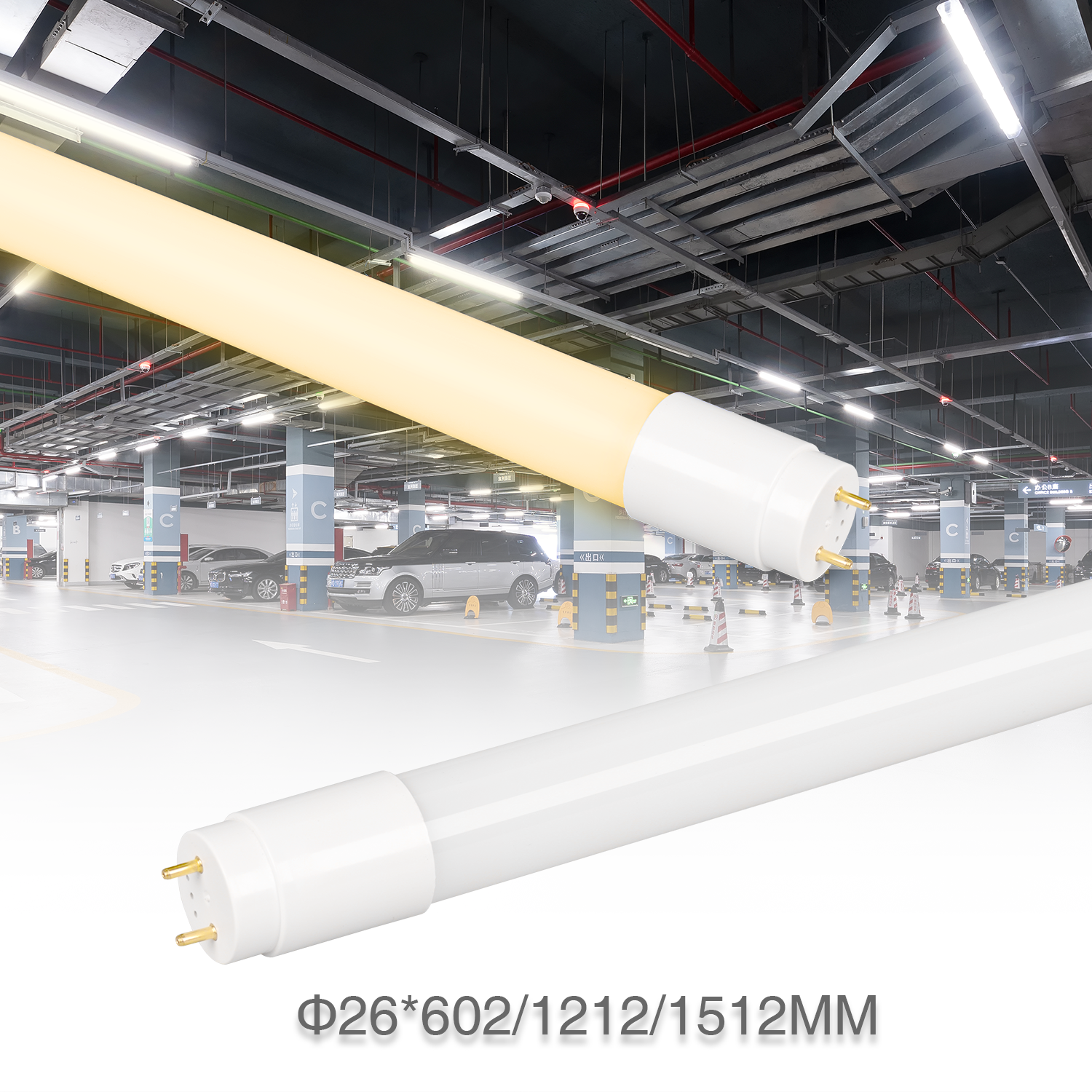
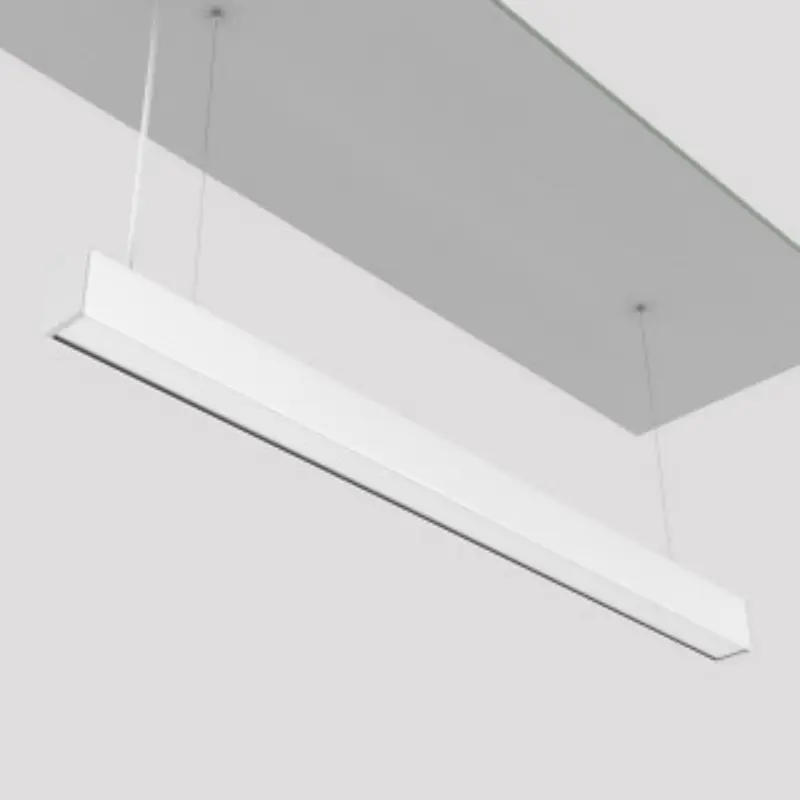
Residential and Commercial Lighting Solutions: Smart, Efficient, and Beautifully Designed

Get a Free Quote

Our representative will contact you soon.
Email
Name
Company Name
Message
0/1000

residential and commercial lighting

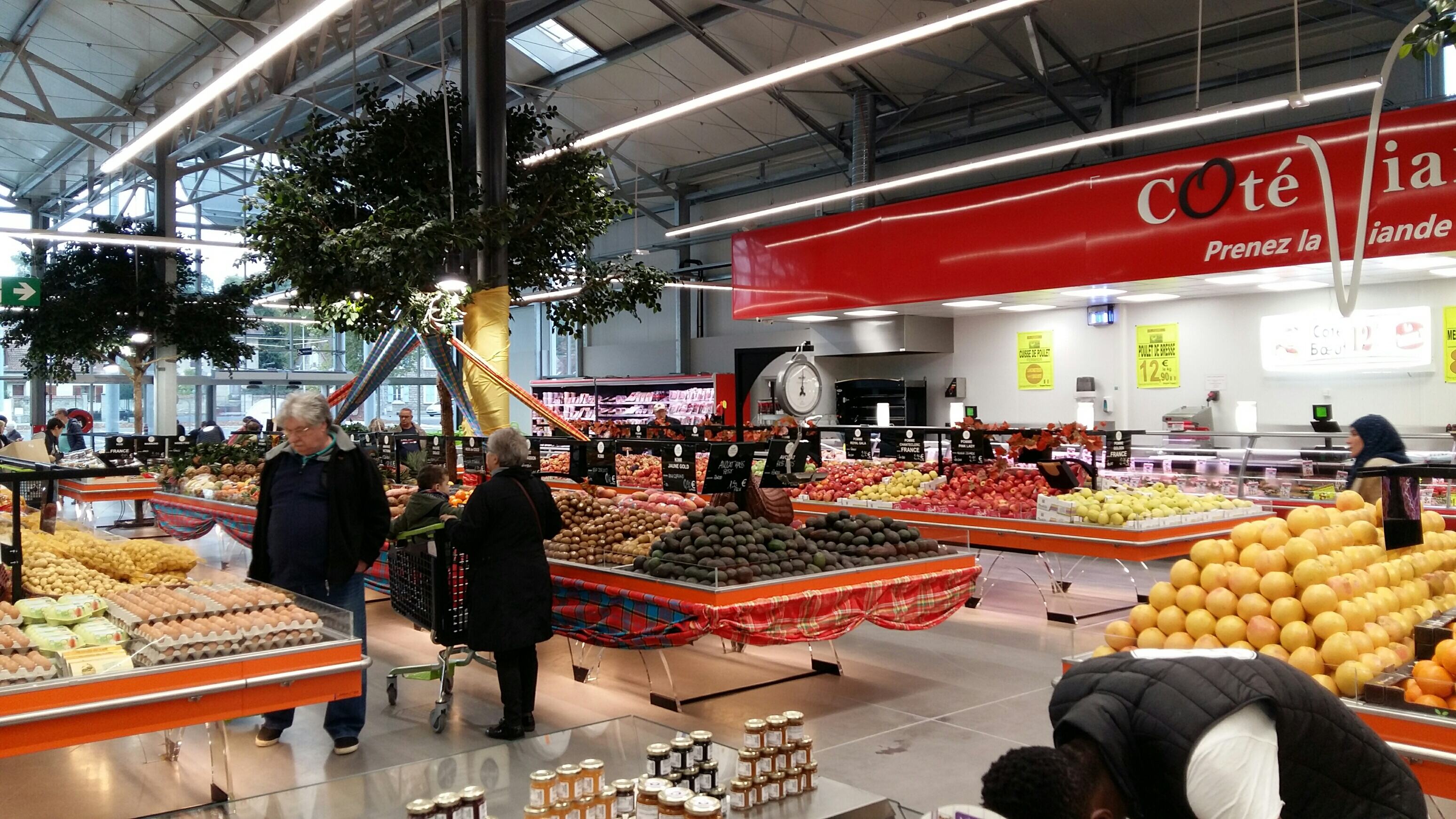
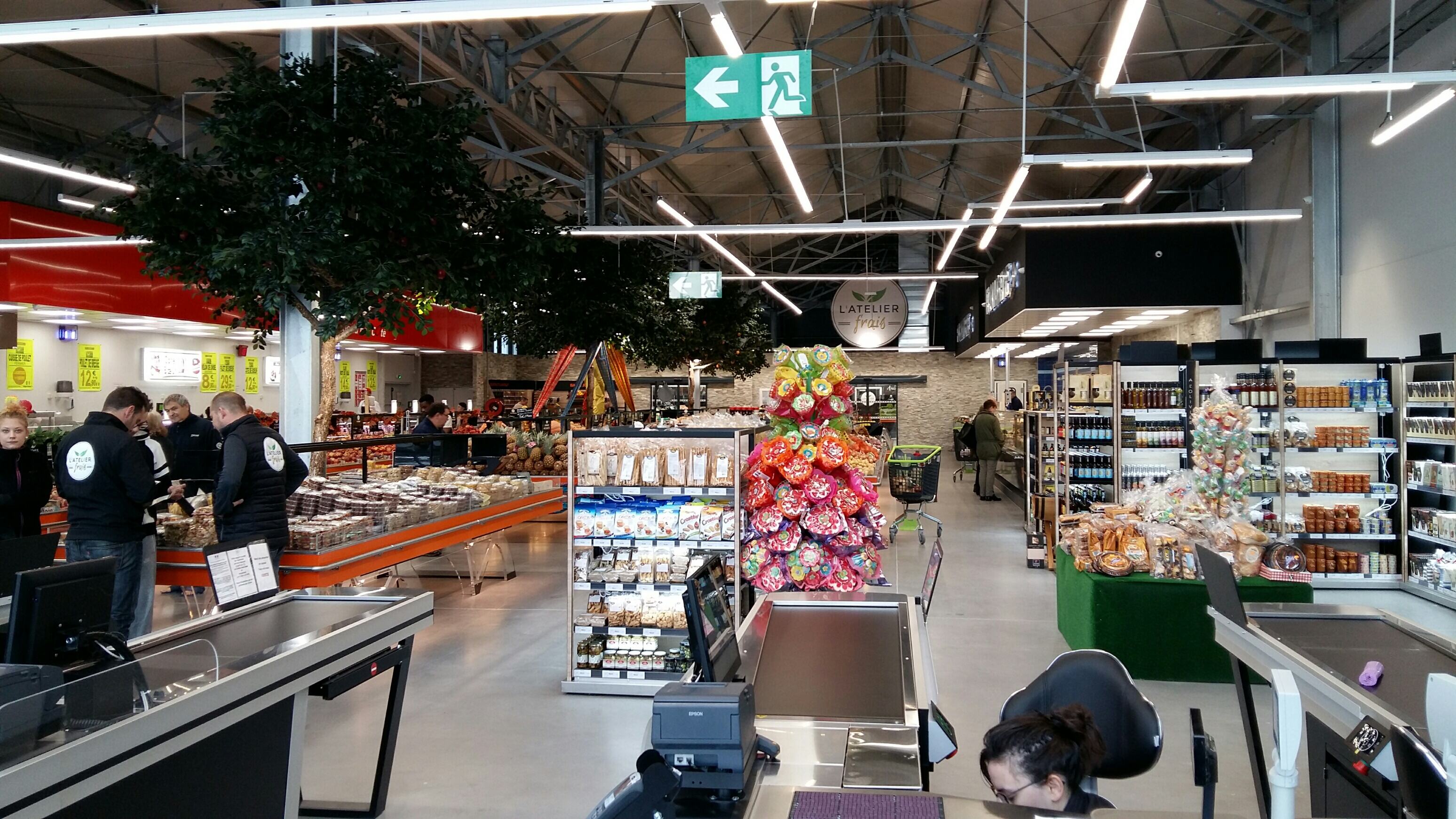
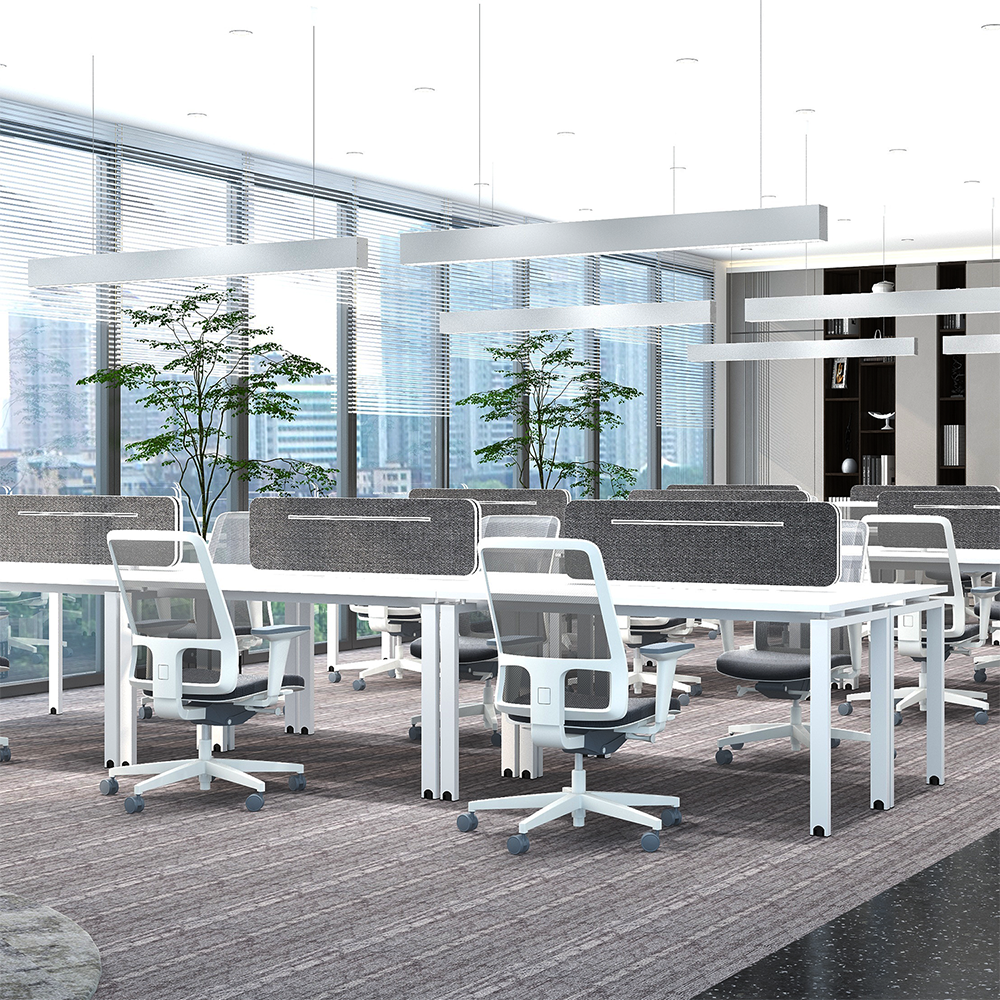
Residential and commercial lighting plays a foundational role in how we experience and interact with the spaces around us. Whether it is the warm glow of a living room lamp or the crisp, even illumination of a retail showroom, lighting shapes mood, productivity, safety, and aesthetic appeal in equal measure. Modern residential and commercial lighting systems have evolved far beyond simple on-and-off switches, incorporating advanced technologies that give users precise control over brightness, color temperature, energy consumption, and even the timing of light cycles throughout the day. At its core, residential and commercial lighting serves three primary functions: task lighting, which directs focused light onto specific work areas; ambient lighting, which fills a space with general illumination; and accent lighting, which highlights architectural features, artwork, or merchandise. These three layers work together to create environments that are both functional and visually compelling. On the technology side, LED-based residential and commercial lighting has become the dominant standard, offering lifespans that can exceed 50,000 hours while consuming up to 80 percent less energy than traditional incandescent sources. Smart lighting platforms integrate seamlessly with building management systems, voice assistants, and mobile applications, allowing facility managers and homeowners alike to schedule scenes, monitor energy usage in real time, and adjust settings remotely. Tunable white technology lets users shift color temperature from warm amber tones in the evening to cool daylight spectrums during peak working hours, supporting human circadian rhythms and boosting alertness when it matters most. Applications span an enormous range of environments. In residential settings, lighting enhances kitchens, bathrooms, bedrooms, outdoor patios, and home offices. In commercial contexts, it serves retail stores, corporate offices, hospitality venues, healthcare facilities, warehouses, and public infrastructure. The versatility and adaptability of today's residential and commercial lighting solutions make them indispensable tools for architects, interior designers, facility managers, and homeowners who want spaces that perform as well as they look.


New Products

Choosing the right residential and commercial lighting solution delivers real, measurable benefits that go straight to the bottom line and improve daily life for everyone who uses the space. Here is a straightforward look at what modern lighting systems actually do for you. First, they cut energy costs significantly. LED-based residential and commercial lighting uses a fraction of the electricity that older fluorescent or incandescent systems require. For a business running lights across thousands of square feet for twelve or more hours a day, that difference translates into thousands of dollars saved annually. Homeowners see the impact on monthly utility bills almost immediately after switching. Second, maintenance becomes far less of a burden. Traditional bulbs burn out frequently, requiring regular replacement that costs both money and time. Modern residential and commercial lighting fixtures are engineered for longevity, with many LED products rated to last well over a decade under normal operating conditions. Facility managers can redirect maintenance budgets toward higher-priority tasks rather than constantly swapping out failed lamps. Third, lighting quality improves dramatically. Older lighting technologies often produce flickering, uneven coverage, or color rendering that makes products look dull and spaces feel uninviting. High-quality residential and commercial lighting delivers consistent, flicker-free illumination with excellent color rendering index scores, meaning colors appear true and vibrant. Retailers benefit because merchandise looks more appealing. Homeowners benefit because living spaces feel more comfortable and welcoming. Fourth, smart controls give you flexibility that older systems simply cannot match. Dimming, scheduling, occupancy sensing, and daylight harvesting all work together to ensure that lights are only on when and where they are needed. This further reduces energy waste and extends fixture life. Fifth, residential and commercial lighting upgrades can directly support sustainability goals. Many businesses and municipalities are under pressure to reduce carbon footprints, and lighting is one of the fastest and most cost-effective places to start. Switching to efficient, well-designed lighting systems contributes meaningfully to green building certifications such as LEED and BREEAM. Sixth, better lighting supports health and well-being. Tunable systems that shift color temperature throughout the day help regulate sleep cycles for residents and reduce fatigue for employees working long shifts. In healthcare and educational settings, this benefit is particularly significant. Seventh, installation and integration are simpler than ever. Modern residential and commercial lighting products are designed to work with existing wiring infrastructure and popular smart home or building automation platforms, reducing retrofit costs and minimizing disruption during upgrades. Taken together, these advantages make investing in quality residential and commercial lighting one of the most practical and impactful decisions a property owner or facility manager can make.

Tips And Tricks

How Does LED Panel Light Create Uniform and Comfortable Indoor Lighting?

03

Mar

How Does LED Panel Light Create Uniform and Comfortable Indoor Lighting?

Understanding how LED panel light technology creates uniform and comfortable indoor lighting requires examining the sophisticated optical engineering and design principles behind these modern illumination solutions. LED panel lights achieve superior ...
View More
Why Are More Businesses Choosing LED Panel Light for Large Projects?

17

Mar

Why Are More Businesses Choosing LED Panel Light for Large Projects?

The commercial lighting landscape has witnessed a dramatic transformation in recent years, with LED panel light technology emerging as the dominant choice for large-scale business projects. This shift represents more than just a trend—it signal...
View More
How Can T8 LED Tube Provide Long Lifespan in Continuous Lighting Use?

24

Mar

How Can T8 LED Tube Provide Long Lifespan in Continuous Lighting Use?

T8 LED tubes have revolutionized commercial and industrial lighting by offering exceptional longevity even under demanding continuous operation conditions. Unlike traditional fluorescent tubes that degrade rapidly when left on for extended periods, m...
View More
What Factors Affect the Lifespan of a High-Quality LED Bulb?

08

May

What Factors Affect the Lifespan of a High-Quality LED Bulb?

Understanding the LED bulb lifespan is essential for facility managers, procurement specialists, and business owners who seek to optimize lighting investments while reducing operational costs. While manufacturers often advertise impressive longevity ...
View More

Get a Free Quote

Our representative will contact you soon.
Email
Name
Company Name
Message
0/1000

residential and commercial lighting

Smart Control and Automation: Lighting That Works Around Your Life

Smart Control and Automation: Lighting That Works Around Your Life

One of the most transformative features of contemporary residential and commercial lighting is the integration of intelligent control systems that put complete command of your environment at your fingertips. Gone are the days when lighting meant walking to a wall switch and choosing between fully on or fully off. Today, smart residential and commercial lighting platforms connect to your smartphone, tablet, voice assistant, or building management system, giving you granular control over every fixture in your home or facility from anywhere in the world. The practical value of this capability is enormous. For homeowners, it means being able to set morning routines where lights gradually brighten to simulate a natural sunrise, easing the transition out of sleep without the jarring shock of sudden full illumination. It means creating evening scenes where warm, dimmed light signals to the body that it is time to wind down, supporting healthier sleep patterns. It means never worrying about whether you left the lights on when you left for work, because a quick check on your phone tells you instantly and lets you switch everything off remotely. For commercial operators, smart residential and commercial lighting control delivers even more substantial returns. Occupancy sensors detect when a room or zone is empty and automatically reduce or extinguish lighting, eliminating the waste that comes from lights burning in unused conference rooms, storage areas, or restrooms. Daylight harvesting sensors measure the amount of natural light entering a space and automatically dim artificial lighting to compensate, maintaining consistent illumination levels while minimizing electricity draw. Scheduling features allow facility managers to program lighting scenes for different times of day, days of the week, or seasonal changes without manual intervention. Integration with building management systems means that lighting, HVAC, and security can all respond to occupancy data in a coordinated way, maximizing efficiency across the entire facility. The result is a residential and commercial lighting ecosystem that is proactive rather than reactive, continuously optimizing itself to deliver the right light at the right time while keeping energy consumption as low as possible. For businesses pursuing sustainability certifications or trying to meet corporate environmental targets, this level of intelligent automation is not a luxury but a strategic necessity.
Superior Energy Efficiency: Doing More With Less Power

Superior Energy Efficiency: Doing More With Less Power

Energy efficiency sits at the heart of every well-designed residential and commercial lighting system, and the advances made in this area over the past decade have been nothing short of remarkable. The shift from incandescent and fluorescent technologies to high-performance LED sources has fundamentally changed the economics of lighting for both homeowners and businesses, making it possible to achieve better visual results while consuming dramatically less electricity. LED technology works by passing current through a semiconductor material that emits light directly, rather than heating a filament or exciting a gas to produce illumination. This process is inherently more efficient, converting a much higher percentage of electrical energy into visible light rather than wasting it as heat. The best modern residential and commercial lighting products achieve efficacy levels above 150 lumens per watt, compared to roughly 15 lumens per watt for a standard incandescent bulb. That tenfold improvement in efficiency means that a building can maintain the same light levels it had before while slashing its lighting energy budget by up to 80 percent. The financial implications are significant and immediate. A mid-sized retail store that replaces an outdated fluorescent system with a modern LED-based residential and commercial lighting installation can expect to recover the cost of the upgrade through energy savings within two to four years, after which the savings flow directly to the bottom line. For large commercial facilities such as warehouses, manufacturing plants, or office campuses, the payback period can be even shorter due to the sheer volume of fixtures involved. Beyond the direct energy savings, efficient residential and commercial lighting also reduces cooling loads in air-conditioned spaces. Because LED fixtures generate far less heat than their predecessors, air conditioning systems do not have to work as hard to maintain comfortable temperatures, creating a secondary layer of energy savings that compounds the primary benefit. Utility rebate programs in many regions further accelerate the financial return by offering cash incentives for switching to qualifying high-efficiency residential and commercial lighting products. Combined with the extended lifespan of LED technology, which reduces replacement frequency and associated labor costs, the total cost of ownership for a modern lighting system is substantially lower than that of any previous generation of technology.
Versatile Design and Customizable Ambiance: Light That Fits Every Space

Versatile Design and Customizable Ambiance: Light That Fits Every Space

The ability to tailor light to the specific needs of a space is one of the defining strengths of modern residential and commercial lighting, and it is a capability that has expanded enormously as technology has advanced. Today's lighting products come in an extraordinary range of form factors, color temperatures, beam angles, and control options, making it possible to design a lighting scheme that is perfectly matched to the architecture, function, and aesthetic of virtually any environment. In residential applications, this versatility means that a single home can have dramatically different lighting personalities in different rooms. A kitchen benefits from bright, cool-white task lighting that makes food preparation safe and easy, while the same home's dining room calls for warm, dimmable ambient light that creates an intimate atmosphere for meals. A home office needs lighting that minimizes glare on screens and supports concentration during long working hours, while a bedroom requires soft, low-intensity illumination that promotes relaxation. Modern residential and commercial lighting systems make all of these scenarios achievable within a single integrated platform, with the ability to switch between scenes at the touch of a button or a voice command. In commercial environments, the design flexibility of residential and commercial lighting is equally valuable. Retail spaces use carefully directed accent lighting to draw attention to featured products and create visual hierarchy that guides customers through the store. Hospitality venues rely on layered lighting schemes that shift from bright and energetic during daytime service to warm and atmospheric in the evening. Corporate offices use tunable white lighting to support employee focus and well-being throughout the workday, while healthcare facilities require lighting that meets strict clinical standards for color rendering and uniformity without creating discomfort for patients or staff. The availability of fixtures in a wide range of styles, from sleek recessed downlights to decorative pendants to industrial high-bay luminaires, means that residential and commercial lighting can enhance rather than compromise the visual identity of any space. Customizable optics allow designers to choose precise beam spreads that deliver light exactly where it is needed, minimizing spill and waste. Tunable color temperature options give operators the ability to shift the mood of a space dynamically, responding to the time of day, the nature of the activity taking place, or the preferences of the occupants. This depth of customization is what separates a truly well-designed residential and commercial lighting installation from a generic one-size-fits-all approach.

Get a Free Quote

Our representative will contact you soon.
Email
Name
Company Name
Message
0/1000