Advanced LED Technology That Delivers Superior Light Quality
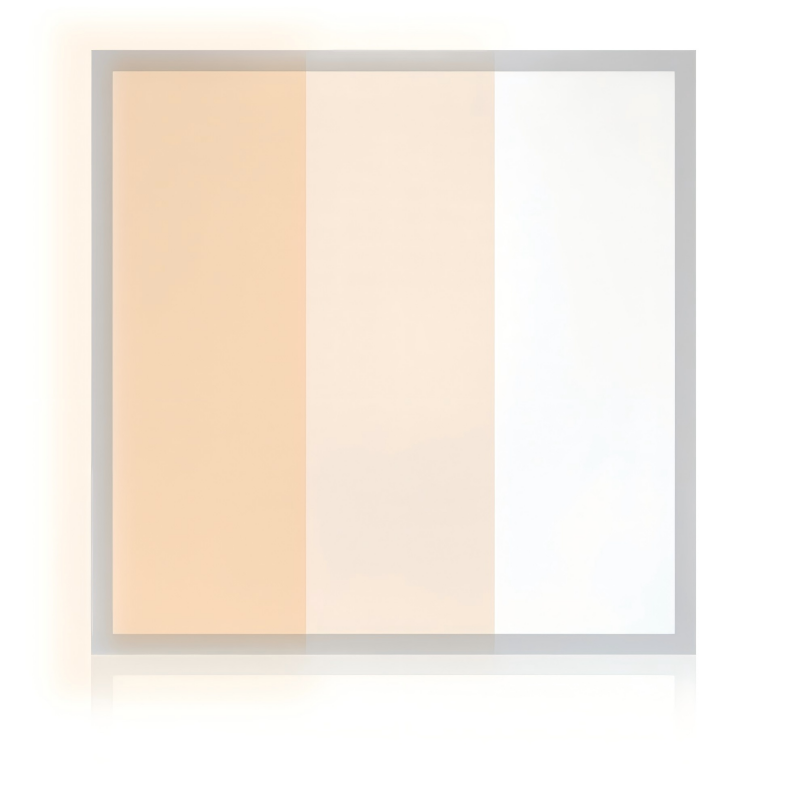
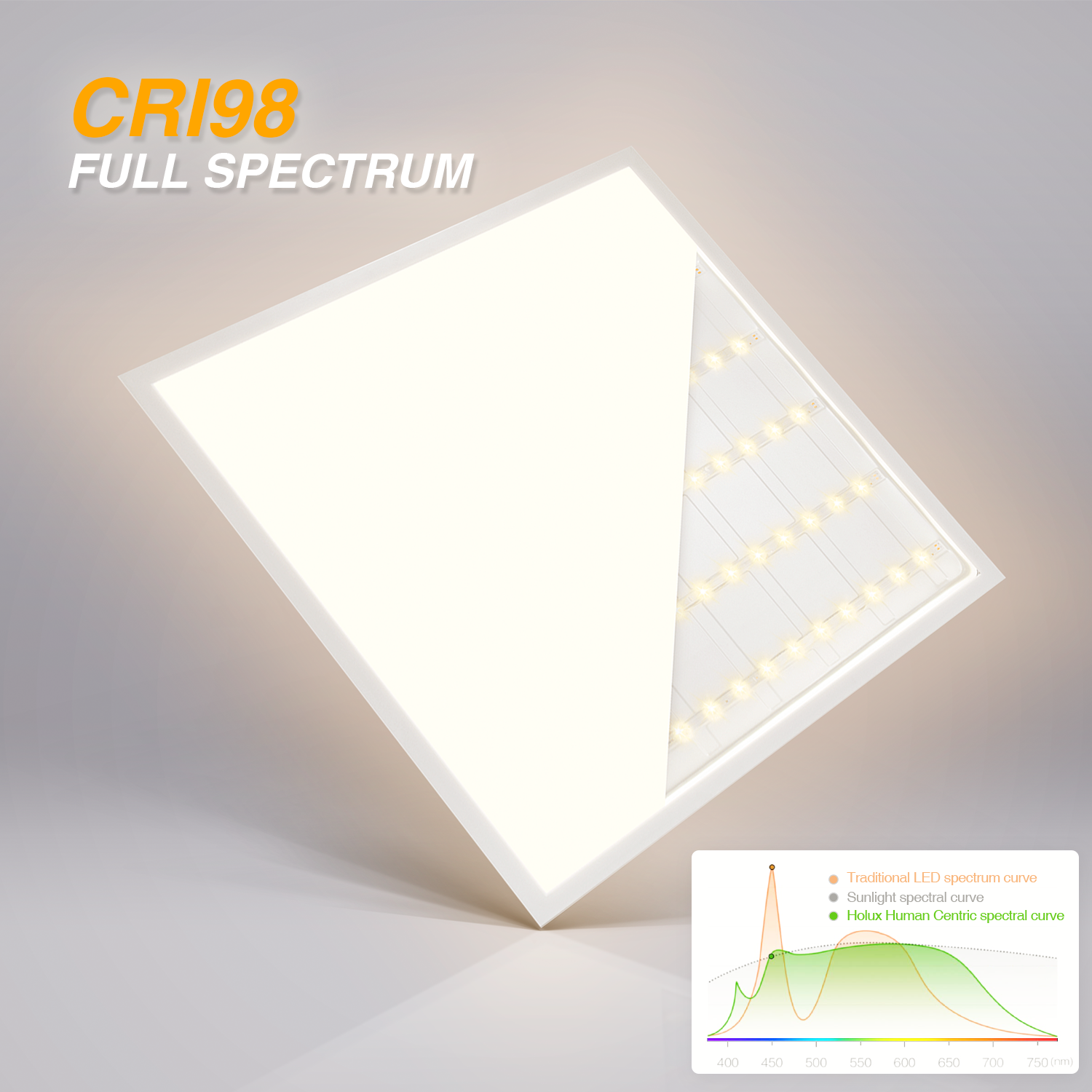
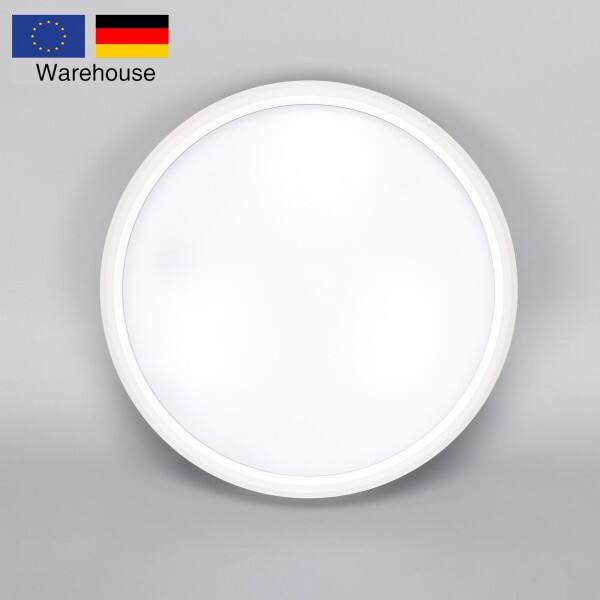
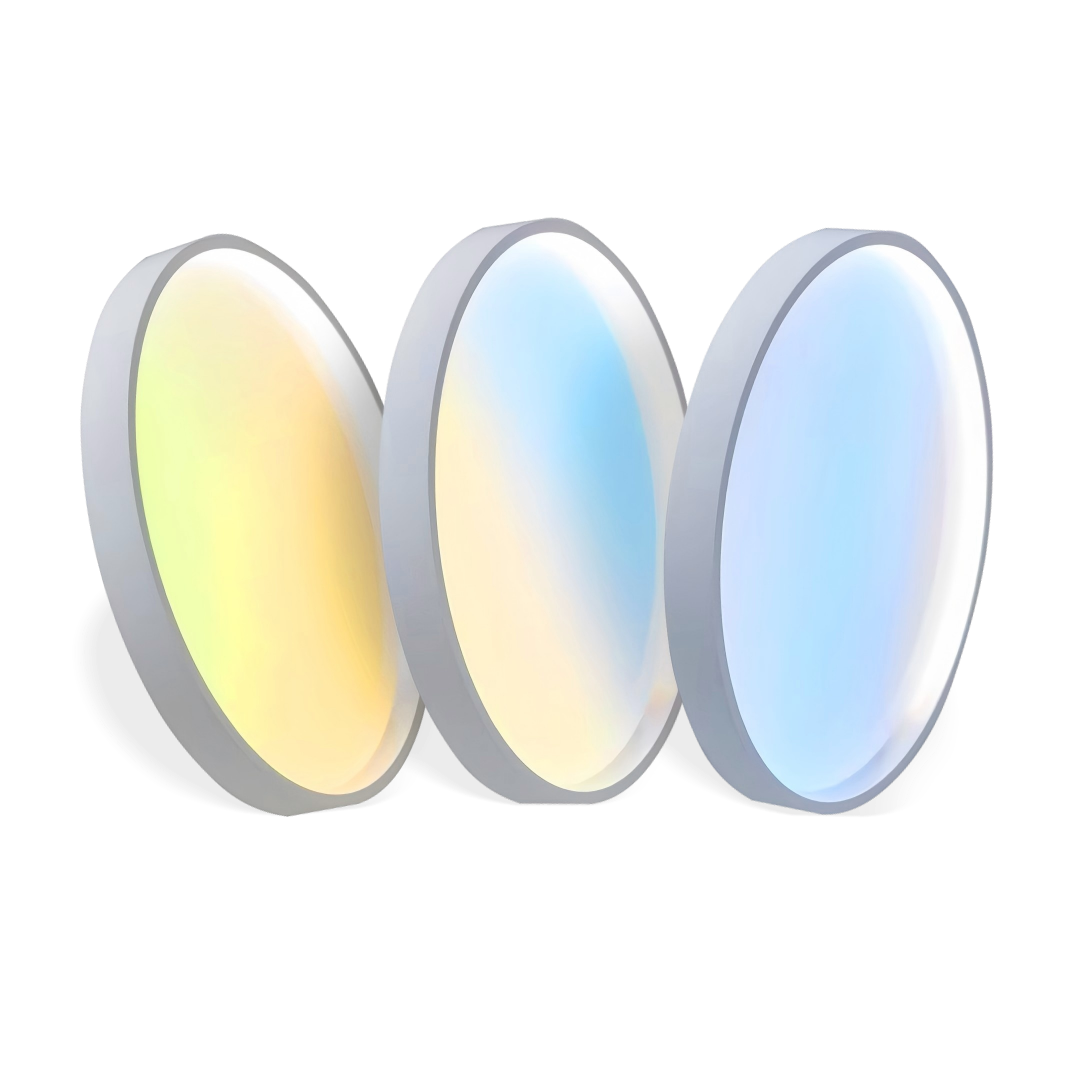
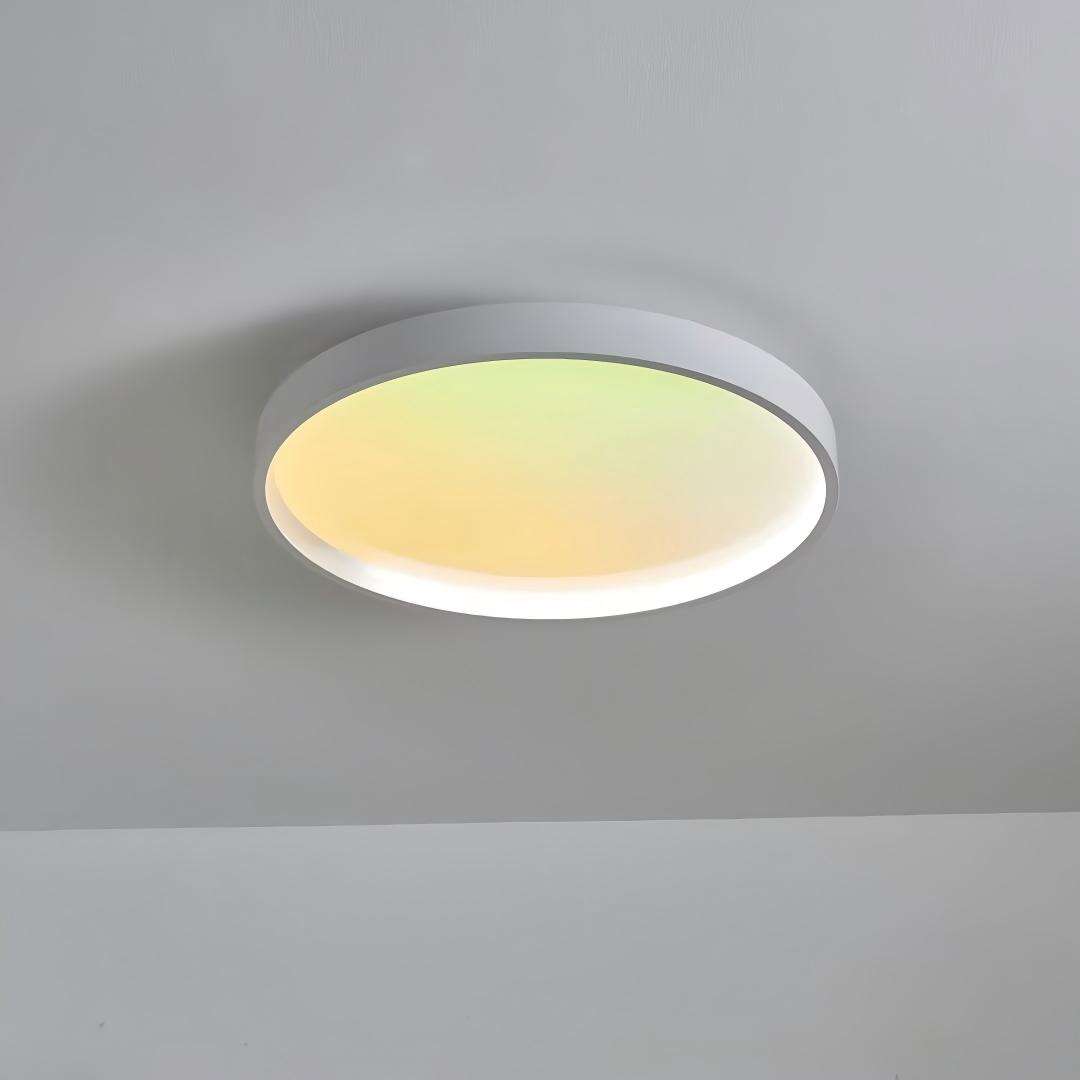
The ultra-thin ceiling light is not just about looks. Beneath its slim exterior lies a sophisticated lighting engine built around the latest LED technology, and the quality of light it produces sets it apart from older fixture types in ways that have a direct impact on how comfortable and productive you feel in your space. Light quality is often discussed in terms of two key metrics: Color Rendering Index and color temperature. The Color Rendering Index, or CRI, measures how accurately a light source renders the true colors of objects compared to natural daylight. A CRI of 100 represents perfect color rendering, and most ultra-thin ceiling light models achieve a CRI of 80 or above, with premium versions reaching 90 or higher. In practical terms, this means that the red in a painting looks genuinely red, the green of a plant looks naturally vibrant, and the skin tones of the people in your home look healthy and warm rather than washed out or sallow. This matters enormously in kitchens where you are assessing the freshness of food, in retail environments where product colors must look accurate to drive purchasing decisions, and in offices where prolonged exposure to poor-quality light contributes to eye strain and fatigue. Color temperature is the other critical dimension of light quality, and the ultra-thin ceiling light typically offers a range from warm white at around 3000K, which creates a cozy, relaxing atmosphere ideal for living rooms and bedrooms, to neutral white at 4000K, which suits kitchens and offices, to cool daylight at 5000K to 6500K, which maximizes alertness and visibility in task-intensive environments. Many models now offer tunable white technology, allowing users to adjust the color temperature via a remote control, a wall switch, or a smart home app, giving a single fixture the flexibility to serve multiple purposes throughout the day. Flicker-free operation is another technical advantage of the ultra-thin ceiling light that deserves specific mention. Older fluorescent fixtures and even some lower-quality LED products produce a rapid, often imperceptible flicker that has been linked to headaches, eye strain, and reduced concentration over extended periods. The ultra-thin ceiling light uses high-frequency driver circuits that eliminate this flicker entirely, creating a stable, consistent light output that is genuinely comfortable for long-term exposure. For families with children, professionals who work long hours under artificial light, and anyone who is sensitive to visual discomfort, this is a benefit that makes a real difference to daily wellbeing.

 EN
EN