
 EN
EN
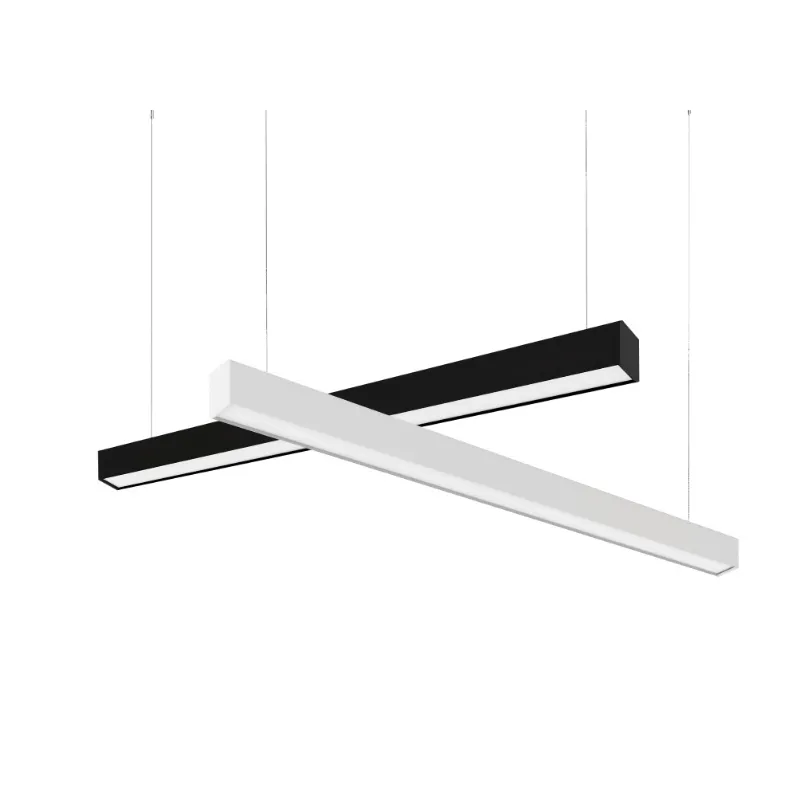
Modern commercial and industrial environments demand lighting solutions that combine simplicity with performance, and LED batten fixtures have emerged as a leading choice for spaces requiring straightforward yet effective illumination. These linear luminaires deliver exceptional energy efficiency, ease of installation, and reliable operation across diverse applications from warehouses and retail spaces to parking garages and educational facilities. Understanding why LED batten lighting has become the preferred solution for countless businesses requires examining the specific advantages these fixtures offer over traditional fluorescent battens and other lighting alternatives.
The fundamental design philosophy behind LED batten fixtures centers on eliminating complexity while maximizing functional performance. Unlike elaborate lighting systems requiring extensive planning and specialized installation expertise, LED batten units provide plug-and-play functionality that reduces both initial implementation costs and ongoing maintenance burdens. This combination of operational simplicity and technical efficiency explains why facility managers, architects, and lighting designers increasingly specify LED batten solutions when project requirements emphasize practicality, cost-effectiveness, and long-term reliability rather than decorative aesthetics or complex control systems.
Streamlined Installation Process That Reduces Implementation Costs
Simplified Mounting Systems Eliminate Installation Complexity
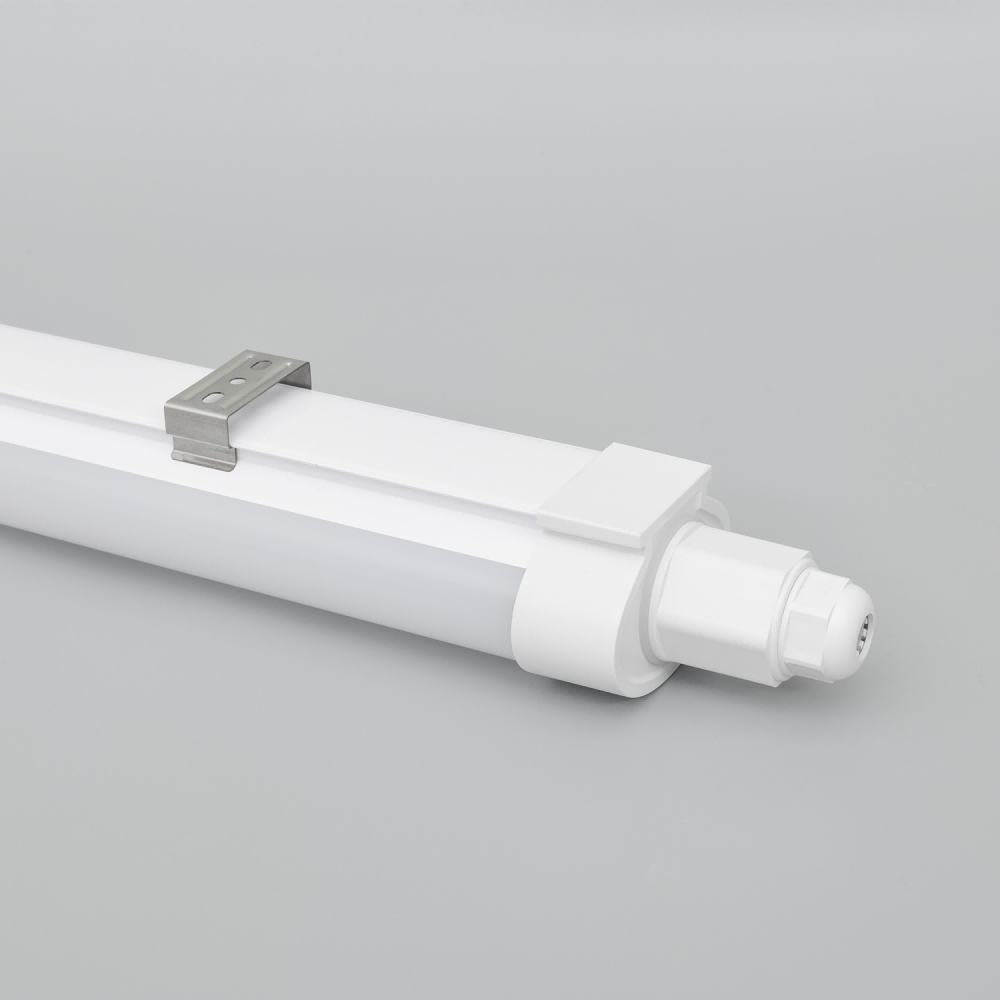
The installation advantages of LED batten fixtures begin with their straightforward mounting mechanisms that require minimal specialized knowledge or tools. Most LED batten units feature integrated mounting brackets or clips designed for surface mounting directly to ceilings or walls, eliminating the need for suspended hardware, junction boxes, or complex wiring configurations. This design approach means that a single technician can typically install multiple LED batten fixtures within an hour, compared to the extended timeframes required for traditional lighting systems involving separate ballasts, starters, and housing components.
The plug-and-play nature of modern LED batten designs further simplifies installation by incorporating all necessary electronic components within the fixture housing itself. Integrated drivers eliminate external control gear requirements, while quick-connect terminals or pre-wired cables reduce connection time and minimize potential wiring errors. This self-contained architecture means that installers need only secure the fixture mechanically and make basic electrical connections, significantly reducing labor costs compared to lighting systems requiring on-site assembly of multiple components.
For retrofit applications replacing existing fluorescent batten fittings, LED batten units often utilize compatible mounting footprints that allow direct replacement without ceiling modifications. This compatibility eliminates the need for patching, repainting, or structural alterations that would otherwise increase project costs and extend completion timelines. The ability to reuse existing mounting points while upgrading to superior LED technology represents a practical advantage that building owners particularly value during renovation projects with tight budgets and operational constraints.
Reduced Electrical Infrastructure Requirements
LED batten fixtures draw significantly less current than their fluorescent predecessors, reducing electrical infrastructure demands throughout the installation. Lower power consumption means that existing electrical circuits can often support more LED batten units than they could fluorescent fixtures, allowing facility expansions or lighting density increases without costly electrical upgrades. This electrical efficiency translates directly into reduced installation costs by eliminating the need for additional circuit breakers, heavier gauge wiring, or supplementary electrical panels in many applications.
The elimination of separate control gear represents another infrastructure simplification that LED batten designs provide. Traditional fluorescent battens require external ballasts that consume additional space, generate heat, and introduce potential failure points into the lighting system. By integrating driver electronics within the LED batten housing, manufacturers eliminate these external components and their associated wiring, conduit, and mounting requirements. This consolidation reduces material costs, simplifies troubleshooting, and creates cleaner installation aesthetics that facility managers appreciate.
Power factor correction and harmonic filtering capabilities built into quality LED batten drivers also reduce electrical system stress compared to older lighting technologies. High power factor ratings minimize reactive power losses and reduce demand charges on utility bills, while low harmonic distortion prevents interference with sensitive electronic equipment sharing the electrical system. These electrical characteristics mean that LED batten installations contribute to overall facility electrical efficiency rather than imposing additional burdens on building power systems.
Superior Energy Efficiency Delivering Operational Cost Savings
Exceptional Luminous Efficacy Reduces Energy Consumption
The primary reason LED batten fixtures deliver exceptional efficiency lies in their superior luminous efficacy, typically achieving 130 to 160 lumens per watt compared to 60 to 80 lumens per watt for fluorescent battens. This two-fold improvement in light output per unit of electrical input directly translates into reduced energy consumption for equivalent illumination levels. A warehouse requiring 500 lux illumination might achieve this target with 40 percent less installed wattage using LED batten fixtures compared to fluorescent alternatives, generating substantial energy cost savings over the fixtures' operational lifetime.
Advanced LED chip technology and optimized thermal management systems enable modern LED batten designs to maintain high efficacy throughout their rated lifespan. Unlike fluorescent lamps that experience significant lumen depreciation over time, quality LED batten fixtures typically retain 90 percent or more of their initial light output after 50,000 hours of operation. This sustained performance means that spaces remain properly illuminated without requiring over-lighting compensation at installation, further reducing unnecessary energy consumption throughout the system lifecycle.
The directional nature of LED light emission provides another efficiency advantage specific to LED batten applications. Whereas fluorescent tubes emit light omnidirectionally, requiring reflectors that absorb 10 to 20 percent of generated light, LED batten fixtures can direct light output precisely where needed without reflector losses. This optical efficiency means that more generated lumens reach the work plane, reducing the total light output required from the fixtures and correspondingly decreasing energy consumption for achieving specified illumination levels.
Reduced Cooling Load Lowers Total Facility Energy Costs
Beyond direct lighting energy consumption, LED batten fixtures reduce total facility energy costs by minimizing waste heat generation. Fluorescent battens typically convert 70 to 75 percent of input energy into heat rather than light, increasing cooling loads in conditioned spaces. LED batten units operating at higher efficacy convert 85 to 90 percent of input energy into light, dramatically reducing heat contribution to building spaces. This reduced thermal load translates into lower air conditioning costs, particularly significant in commercial environments where lighting operates during peak cooling demand periods.
Quantifying this cooling benefit reveals substantial additional savings beyond direct lighting energy reduction. In typical commercial office environments, every watt of lighting heat reduction saves approximately 0.25 to 0.35 watts of air conditioning energy, depending on climate zone and HVAC system efficiency. When a facility replaces 100 fluorescent battens consuming 58 watts each with LED batten fixtures consuming 28 watts each, the 3,000-watt lighting reduction generates an additional 750 to 1,050 watts of cooling energy savings, compounding the financial benefits of LED batten conversion.
This cooling load reduction delivers year-round benefits even in mixed climates. During heating seasons, reduced lighting heat might slightly increase heating requirements, but the efficiency of modern heating systems compared to resistance heating from lighting means overall energy consumption still decreases. More importantly, reducing peak cooling loads during summer months may allow facilities to downsize HVAC equipment during future replacements, creating additional capital cost savings beyond operational energy reductions.
Minimal Maintenance Requirements Reducing Operational Burden
Extended Lifespan Eliminates Frequent Replacement Cycles
LED batten fixtures typically offer rated lifespans of 50,000 to 70,000 hours compared to 15,000 to 20,000 hours for fluorescent tubes, dramatically reducing replacement frequency and associated maintenance costs. In a facility operating lighting 12 hours daily, LED batten units might function for 11 to 16 years before requiring replacement, compared to 3 to 4.5 years for fluorescent alternatives. This extended service life means that maintenance teams can focus resources on other facility needs rather than constantly replacing burned-out lamps across large commercial or industrial spaces.
The solid-state nature of LED technology eliminates catastrophic failure modes common in gas-discharge lighting technologies. Fluorescent tubes typically fail suddenly, leaving areas without illumination until replacement occurs. LED batten fixtures instead experience gradual lumen depreciation, maintaining functionality even as light output slowly decreases over many years. This graceful degradation pattern allows maintenance teams to plan replacements during scheduled maintenance windows rather than responding to emergency outages, reducing reactive maintenance costs and minimizing operational disruptions.
Reduced replacement frequency also decreases disposal costs and environmental impact associated with lighting maintenance. Fluorescent tubes contain mercury requiring specialized disposal procedures and generating hazardous waste handling costs. LED batten fixtures contain no hazardous materials, simplifying disposal while eliminating regulatory compliance burdens. Furthermore, longer replacement intervals mean fewer disposal events over facility lifetimes, reducing both direct disposal costs and administrative overhead associated with waste management documentation.
Robust Construction Withstands Demanding Environments
Industrial-grade LED batten designs incorporate durable materials and sealed construction that withstand challenging environmental conditions without degradation. Impact-resistant polycarbonate or aluminum housings protect internal components from mechanical damage, while IP65 or higher ingress protection ratings prevent dust and moisture infiltration that would compromise performance. This robust construction ensures reliable operation in warehouses, manufacturing facilities, parking structures, and other demanding applications where traditional lighting might require protective cages or frequent replacement due to environmental exposure.
The absence of fragile components like glass tubes and delicate electrodes further enhances LED batten durability. Solid-state LED chips and circuit boards withstand vibration, shock, and temperature fluctuations that would shorten fluorescent tube lifespan or cause premature failure. This inherent ruggedness makes LED batten fixtures particularly suitable for applications involving overhead crane operations, heavy machinery, or other sources of vibration and impact that create hostile operating environments for conventional lighting technologies.
Temperature tolerance represents another maintenance advantage offered by quality LED batten designs. While fluorescent lighting performance degrades significantly in cold environments, requiring specialized low-temperature ballasts, LED batten fixtures typically operate across wide temperature ranges from minus 20 to plus 50 degrees Celsius without performance loss. This thermal versatility eliminates the need for environment-specific lighting specifications and ensures consistent performance across diverse applications from refrigerated warehouses to unconditioned industrial spaces.
Functional Versatility Supporting Diverse Application Requirements
Configurable Light Output Matches Varied Space Needs
Modern LED batten fixtures offer selectable color temperatures and output levels that allow single fixture models to serve diverse application requirements. Switchable color temperature options, often including 3000K, 4000K, and 5700K settings, enable facility managers to optimize lighting characteristics for specific spaces without maintaining separate fixture inventories. Warehouses might select cooler 5700K output for visibility and alertness, while retail backrooms could use warmer 3000K lighting for more comfortable working environments, all using identical LED batten models with configuration switches.
Adjustable output capabilities available in some LED batten designs provide additional application flexibility. Fixtures offering high, medium, and low output modes allow users to balance illumination levels against energy consumption based on specific space requirements. Areas requiring high illumination for detailed work can operate at maximum output, while circulation corridors or storage areas needing lower light levels can use reduced output modes, optimizing energy efficiency across facility zones without requiring multiple fixture specifications.
The clean, uniform light distribution characteristic of quality LED batten fixtures suits applications ranging from general ambient lighting to task illumination. Linear form factors provide excellent coverage along aisles and corridors, while side-by-side mounting creates continuous light lines for broader area coverage. This geometric versatility means that LED batten solutions can address diverse lighting challenges using consistent fixture types, simplifying specification, procurement, and maintenance compared to facilities mixing multiple lighting technologies.
Integration Readiness for Smart Building Systems
LED batten fixtures equipped with dimming capabilities and control interfaces support integration with building automation systems and lighting control networks. DALI, 0-10V, and wireless control options enable sophisticated lighting management including occupancy-based dimming, daylight harvesting, and scheduled operation that further reduce energy consumption beyond inherent LED efficiency. These control capabilities allow facilities to implement advanced lighting strategies without replacing basic LED batten infrastructure, protecting lighting investment while enabling future functionality upgrades.
Emergency lighting variants of LED batten fixtures incorporate integrated battery backup systems that maintain illumination during power outages, eliminating separate emergency lighting fixtures and associated installation costs. Self-testing capabilities in advanced emergency LED batten models automatically verify battery and lamp functionality, generating compliance reports that reduce manual testing labor while ensuring regulatory compliance. This integrated emergency lighting approach simplifies system architecture and reduces total lighting system costs compared to separate normal and emergency lighting installations.
Sensor-equipped LED batten fixtures incorporating occupancy detection or daylight sensors enable autonomous lighting control without separate sensor infrastructure. Integrated sensors reduce installation costs, eliminate sensor-to-fixture wiring, and improve detection reliability by positioning sensors at optimal fixture-mounted locations. This self-contained intelligence allows even small facilities to implement energy-saving automated controls that might otherwise prove cost-prohibitive with separate sensor and control system installations.
Economic Value Proposition Justifying Initial Investment
Rapid Payback Periods Through Combined Savings
The cumulative financial benefits of LED batten lighting, including energy savings, maintenance reduction, and cooling load decreases, typically generate payback periods of two to four years depending on operating hours and electricity costs. Facilities operating lighting 16 hours daily with electricity costs above 12 cents per kilowatt-hour often achieve payback within 24 to 30 months, while operations running 24-hour lighting in high-cost electricity markets may recover initial investment within 18 months. These rapid payback periods make LED batten conversion financially attractive even for organizations with conservative capital investment criteria.
Avoided maintenance costs contribute substantially to LED batten financial value beyond energy savings alone. A facility with 500 fluorescent battens requiring lamp and ballast replacements every three years might spend $15,000 to $25,000 per replacement cycle including materials and labor. Converting to LED batten fixtures eliminates these recurring costs for 10 to 15 years, creating $50,000 to $125,000 in avoided maintenance expenses over the LED batten lifespan. This maintenance savings component often equals or exceeds energy cost reductions, particularly in facilities with high labor costs or difficult access conditions requiring lifts or scaffolding for lamp changes.
Utility rebate programs available in many jurisdictions further improve LED batten project economics by offsetting initial equipment costs. Rebates ranging from $10 to $50 per fixture are common, potentially covering 20 to 40 percent of total project costs in favorable utility territories. When combined with rapid operational savings, these incentives can reduce effective payback periods to 12 to 18 months, making LED batten conversion among the most financially attractive energy efficiency investments available to facility operators.
Long-Term Value Beyond Immediate Financial Returns
LED batten lighting provides operational benefits beyond quantifiable cost savings that enhance facility value and functionality. Improved light quality with high color rendering indices, flicker-free operation, and instant-on capability creates better working environments that may improve productivity, reduce errors, and enhance worker satisfaction. While difficult to quantify precisely, these qualitative benefits contribute to overall business performance and justify LED batten investment even in applications where pure financial payback might extend slightly beyond typical investment horizons.
Future-proofing value represents another consideration supporting LED batten adoption. As energy codes become progressively stricter and obsolete lighting technologies face regulatory phase-outs, facilities using LED batten technology avoid forced retrofits and ensure compliance with evolving standards. Early adoption positions organizations ahead of regulatory curves while avoiding rushed conversions during mandate-driven market demand spikes when contractor availability tightens and material costs increase.
Environmental benefits including reduced carbon emissions, eliminated mercury content, and decreased material consumption through extended product life align with corporate sustainability objectives increasingly important to stakeholders. Organizations committed to environmental stewardship find that LED batten conversion demonstrates tangible progress toward carbon reduction goals while generating positive financial returns, a rare combination where environmental and economic interests fully align. This dual benefit supports both sustainability reporting requirements and financial performance objectives simultaneously.
FAQ
How long do LED batten fixtures typically last compared to fluorescent alternatives?
Quality LED batten fixtures offer rated lifespans of 50,000 to 70,000 hours, which translates to 11 to 16 years of operation at 12 hours daily use. This represents approximately three to four times the lifespan of fluorescent tubes, which typically last 15,000 to 20,000 hours. The extended service life dramatically reduces replacement frequency and associated maintenance costs while ensuring consistent illumination over many years. Additionally, LED batten fixtures experience gradual lumen depreciation rather than sudden failure, maintaining functionality even as light output slowly decreases, which allows for planned replacement rather than emergency maintenance responses.
Can LED batten fixtures replace existing fluorescent battens without major modifications?
Yes, many LED batten fixtures are specifically designed for direct replacement of fluorescent battens, utilizing compatible mounting footprints and dimensions that allow installation using existing mounting points. This retrofit compatibility eliminates the need for ceiling modifications, patching, or repainting that would otherwise increase project costs and extend timelines. However, electrical connections require attention since LED batten fixtures bypass fluorescent ballasts, necessitating direct connection to line voltage. Most installations involve simple rewiring at the fixture location without requiring changes to upstream electrical infrastructure, making conversion straightforward for qualified electricians while avoiding costly electrical system upgrades.
Do LED batten fixtures work in cold environments like refrigerated warehouses?
LED batten fixtures excel in cold environments where fluorescent lighting struggles, operating effectively across temperature ranges typically from minus 20 to plus 50 degrees Celsius without performance degradation. Unlike fluorescent tubes that require specialized low-temperature ballasts and still experience reduced light output in cold conditions, LED batten technology maintains full brightness and efficacy regardless of ambient temperature. This cold-weather performance makes LED batten fixtures ideal for refrigerated warehouses, cold storage facilities, outdoor canopies, and unheated industrial spaces where temperature extremes would compromise conventional lighting performance and reliability.
What color temperature should I choose for LED batten fixtures in commercial applications?
Color temperature selection depends on the specific application and desired atmosphere. Industrial and warehouse environments typically benefit from cooler color temperatures around 5000K to 5700K, which provide crisp, bright illumination that enhances visibility and promotes alertness. Retail spaces and offices often use neutral white around 4000K, which balances visibility with comfortable ambiance suitable for extended occupancy. Some facilities prefer warmer 3000K lighting in break rooms or customer-facing areas for more relaxed environments. Many modern LED batten fixtures offer selectable color temperature options, allowing a single fixture model to serve multiple applications by adjusting an integrated switch, providing specification flexibility without maintaining separate inventory for different color requirements.
Table of Contents
- Streamlined Installation Process That Reduces Implementation Costs
- Superior Energy Efficiency Delivering Operational Cost Savings
- Minimal Maintenance Requirements Reducing Operational Burden
- Functional Versatility Supporting Diverse Application Requirements
- Economic Value Proposition Justifying Initial Investment
-
FAQ
- How long do LED batten fixtures typically last compared to fluorescent alternatives?
- Can LED batten fixtures replace existing fluorescent battens without major modifications?
- Do LED batten fixtures work in cold environments like refrigerated warehouses?
- What color temperature should I choose for LED batten fixtures in commercial applications?