
 EN
EN
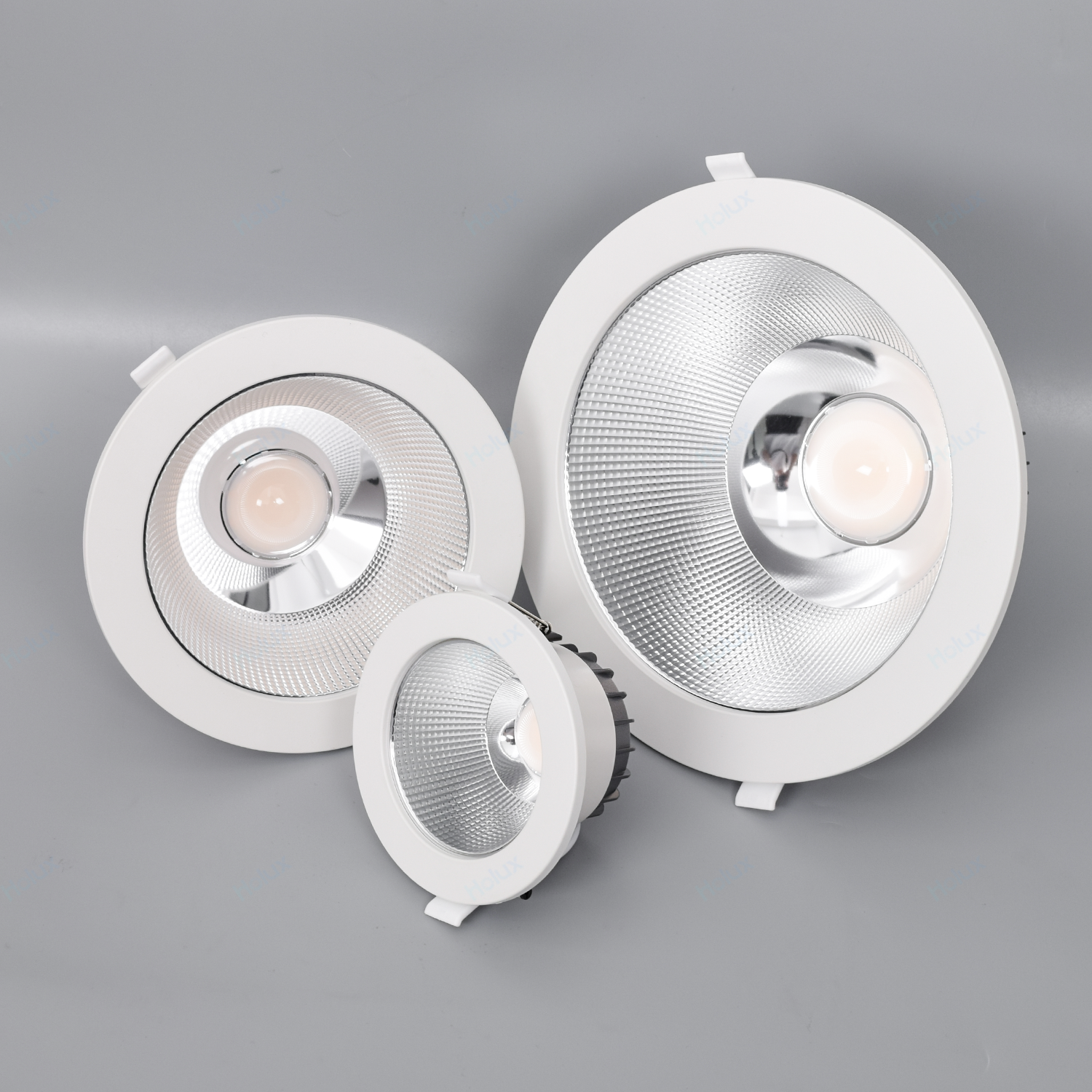
When evaluating lighting systems for commercial, industrial, or residential spaces, the comparison between LED linear light and traditional fixtures reveals significant differences in how light is distributed. LED linear light technology has fundamentally changed expectations around uniformity, consistency, and overall lighting quality. Traditional fixtures, while still functional, often fall short in delivering the even light distribution that modern applications demand. This article explores whether LED linear light truly provides better uniform lighting than traditional fixtures and what factors make the difference.
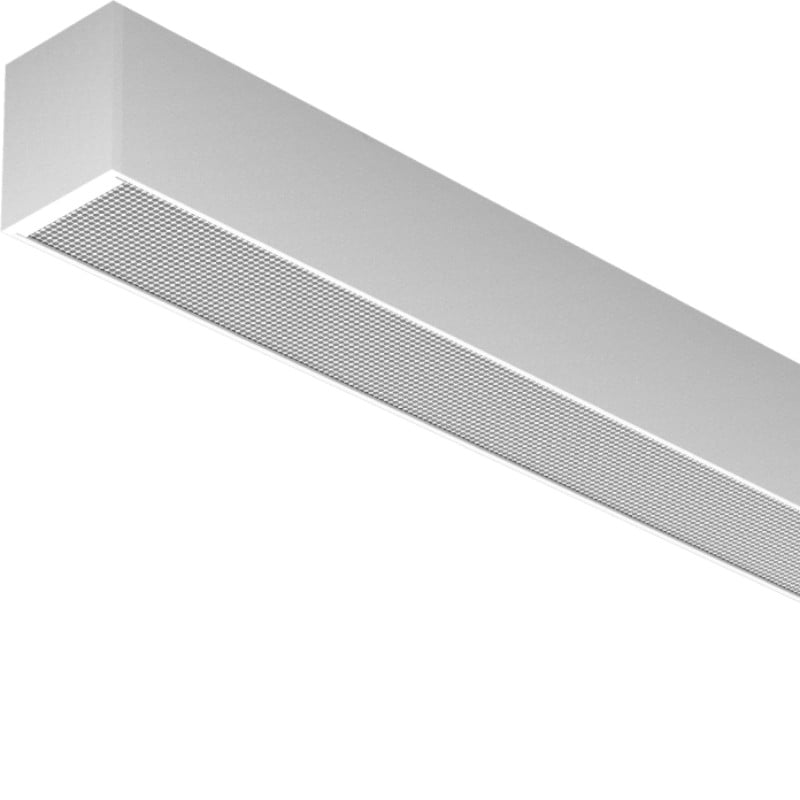
The lighting landscape has shifted dramatically over the past decade. Businesses and facility managers increasingly recognize that LED linear light systems offer measurable advantages in uniformity metrics that traditional fixtures struggle to match. The difference is not merely aesthetic but rooted in physics, design, and optical engineering. Understanding these distinctions helps decision-makers select lighting solutions that meet both performance requirements and long-term operational goals.
How LED Linear Light Achieves Superior Uniformity
Optical Design and Light Distribution Mechanics
LED linear light excels in uniform light distribution because of its inherent design philosophy. Unlike traditional point-source fixtures that emit light from a single concentrated location, LED linear light spreads luminous output across an extended form factor. This distributed architecture means light emanates from multiple points along a continuous line, creating what lighting professionals call 'longitudinal uniformity.' When LED linear light fixtures are installed, the light source itself becomes part of the architectural solution rather than an isolated component.
Traditional fixtures rely on reflectors and diffusers to spread light from a central bulb or lamp. This approach inherently creates hotspots directly beneath the fixture and darker zones between fixtures. In contrast, LED linear light distributes photons more evenly across the horizontal plane. The continuous nature of LED linear light means spacing between fixtures can be increased without sacrificing uniformity, reducing both material costs and installation complexity.
Beam Angle and Coverage Area Optimization
LED linear light systems are engineered with specific beam angles that optimize coverage for their intended application. Modern LED linear light designs incorporate precision optics that direct light more efficiently than the scattered approach typical of traditional fixtures. When LED linear light operates at standard mounting heights, its beam geometry ensures that overlapping light patterns create remarkably consistent illumination levels across the work plane.
Traditional fixtures typically produce a wider but less predictable light pattern. The variance in illumination from directly under the fixture to the periphery is more pronounced with traditional fixtures than with LED linear light. This inconsistency can create visual discomfort, reduce task performance, and compromise safety in areas where consistent lighting matters. LED linear light solutions minimize these variance issues through engineered photometric distributions.
Performance Metrics and Quantifiable Advantages
Uniformity Ratios and Measurement Standards
Professional lighting specifications use uniformity ratio as a key metric, defined as the ratio of minimum illuminance to average illuminance across a given area. Industry standards typically recommend uniformity ratios of 0.8 or higher for quality installations. LED linear light systems consistently achieve uniformity ratios in the 0.85 to 0.95 range, meaning light levels remain stable across the entire illuminated zone. Traditional fixtures often struggle to exceed 0.70 uniformity ratios without excessive fixture density.
This measurable difference translates to practical benefits. When LED linear light provides superior uniformity, facilities experience reduced eye strain, better task visibility, and more professional aesthetic results. For retail environments, manufacturing floors, offices, and healthcare settings, the uniformity advantage of LED linear light directly impacts occupant experience and operational effectiveness. Traditional fixture installations require closer spacing or supplementary fixtures to approximate the uniformity that LED linear light delivers inherently.
Color Temperature Consistency and Color Rendering
Beyond spatial uniformity, LED linear light excels in temporal and spectral consistency. Traditional fixtures experience color temperature drift as lamps age, creating visual inconsistency over time. LED linear light maintains stable color temperature and color rendering index throughout its operational life. This consistency matters significantly in environments like food retail, art galleries, healthcare facilities, and offices where color accuracy and visual coherence enhance the space.
LED linear light technology allows manufacturers to maintain strict binning tolerances, ensuring that adjacent LED linear light fixtures produce identical spectral output. Traditional fixtures, by contrast, rely on lamp replacement cycles that introduce variability. A facility relying on traditional fixtures may experience noticeable color shifts after lamp replacement or as fixtures age at different rates. LED linear light eliminates these inconsistencies entirely.
Practical Installation and Spacing Considerations
Fixture Density and Layout Efficiency
A critical advantage of LED linear light lies in spacing efficiency. Because LED linear light delivers more uniform light distribution, designers can space fixtures farther apart while maintaining required illumination levels. A typical office renovation using traditional fixtures might require one fixture every 6-8 feet to achieve acceptable uniformity. The same space with LED linear light may only need fixtures spaced 12-15 feet apart while achieving superior uniformity metrics.
This spacing advantage compounds across large installations. A warehouse, factory, or office tower benefits from needing fewer LED linear light units to cover the same area compared to traditional fixtures. Fewer fixtures mean lower material costs, reduced installation labor, simpler maintenance procedures, and less electrical infrastructure. Over a 10 to 15-year operational cycle, the efficiency gains from LED linear light spacing become substantial.
Mounting Flexibility and Design Integration
LED linear light fixtures adapt to various mounting configurations—recessed, surface-mounted, suspended, or integrated into architectural elements. This flexibility allows LED linear light to follow building geometry more naturally than traditional fixtures. Continuous LED linear light strips can be integrated into coves, soffits, and custom architectural features, creating seamless illumination that feels engineered rather than added-on.
Traditional fixtures demand more rigid installation patterns due to their point-source nature. The visual result often appears as an grid of individual light sources, whereas LED linear light systems create continuous planes of light. For contemporary buildings and modernized facilities, the aesthetic and functional superiority of LED linear light is apparent. The ability to achieve uniform lighting while maintaining architectural elegance gives LED linear light a decisive advantage.
Energy Efficiency and Total Cost of Ownership
Power Consumption and Operating Costs
LED linear light systems consume significantly less power than equivalent traditional lighting while delivering superior uniformity. A traditional fixture might require 400-600 watts to illuminate an area that LED linear light covers at 150-250 watts. This power reduction translates directly to lower energy bills, reduced HVAC cooling loads, and smaller electrical infrastructure requirements. Over decades of operation, the energy savings from LED linear light far exceed the initial premium cost.
Facilities switching from traditional fixtures to LED linear light typically experience 50-70% reductions in lighting energy consumption. Combined with the spacing efficiency of LED linear light, total installed wattage decreases even more dramatically. Utility rebates often support LED linear light upgrades, shortening payback periods to 3-5 years for most commercial applications. Beyond that point, LED linear light delivers pure cost savings.
Maintenance and Lifecycle Value
Traditional fixture maintenance requires regular lamp replacement, ballast servicing, and reflector cleaning to maintain performance. A facility with hundreds of traditional fixtures faces ongoing replacement cycles, labor costs, and disposal responsibilities. LED linear light eliminates most maintenance tasks through its 50,000+ hour rated life. Fewer replacements mean lower labor costs, reduced inventory management complexity, and simplified facility operations.
When calculating total cost of ownership, LED linear light demonstrates clear financial superiority. The combination of lower energy costs, minimal maintenance, longer lifespan, and better uniformity means LED linear light delivers measurable value beyond its initial purchase price. This economic reality increasingly drives facility managers toward LED linear light solutions even in price-sensitive budgets.
FAQ
Why is LED linear light more uniform than traditional point-source fixtures?
LED linear light distributes photons across an extended line rather than from a single point, creating more even coverage across the illuminated area. The geometry of LED linear light means overlapping light patterns deliver consistent illumination levels, while traditional fixtures create brighter zones directly beneath them and darker zones in between. LED linear light achieves uniformity ratios often 15-20% higher than traditional fixtures.
Can traditional fixtures be upgraded to match LED linear light performance?
Traditional fixtures cannot be retrofitted to match LED linear light's uniform distribution advantages because the fundamental design—point-source emission and reflector-based spreading—is inherent to their architecture. Some traditional fixtures accept LED retrofit bulbs, but this does not solve the underlying spatial uniformity limitations. Upgrading to dedicated LED linear light systems provides genuine performance improvements rather than incremental bulb-level modifications.
What spaces benefit most from LED linear light's superior uniformity?
LED linear light's uniformity advantages matter most in environments where visual consistency directly impacts performance or experience. Office buildings, retail stores, manufacturing facilities, healthcare settings, schools, and hospitality venues all benefit significantly. Any space where task lighting, color accuracy, or visual comfort is important sees measurable gains from LED linear light compared to traditional fixtures. Warehouses and high-bay applications also achieve substantial efficiency and safety improvements.