
 EN
EN
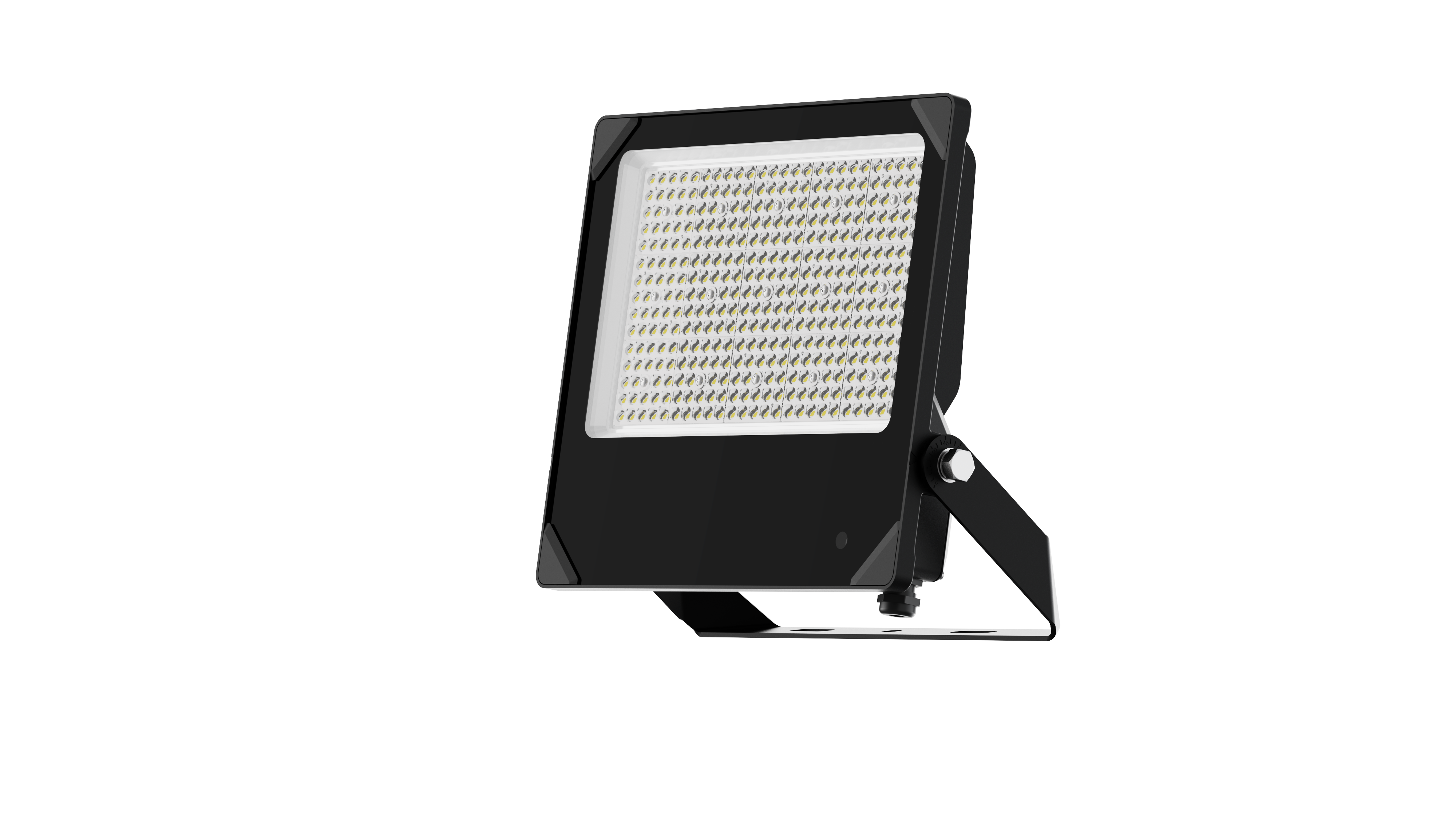
A LED flood light has become a central fixture in large-scale outdoor infrastructure, from parking lots and stadiums to industrial yards and logistics hubs. As facility managers and project engineers face growing pressure to control operational budgets, the question of whether a LED flood light can genuinely reduce maintenance costs deserves a thorough, data-grounded answer. The short answer is yes — but understanding exactly how and under what conditions requires a closer look at how LED flood light technology performs over time in demanding outdoor environments.
In large outdoor projects, maintenance is rarely just about changing a bulb. It involves labor scheduling, equipment rental such as cherry pickers or scaffolding, safety compliance, and downtime management. Every time a LED flood light fails or dims beyond acceptable levels, those hidden costs accumulate fast. The case for choosing a LED flood light is not purely about energy savings — it is deeply connected to how infrequently that LED flood light will need attention across its service life.
The Long Lifespan Advantage of LED Flood Light
Why Lifespan Directly Impacts Maintenance Frequency
A quality LED flood light typically delivers a rated lifespan of 50,000 hours or more, compared to 10,000 to 15,000 hours for traditional metal halide or high-pressure sodium alternatives. In a large outdoor project running lights for 12 hours per night, a LED flood light rated at 50,000 hours can operate for over 11 years before needing replacement. That same project using conventional fixtures would require multiple lamp replacements within the same period. Each replacement cycle for a conventional fixture involves direct material costs plus significant labor and access equipment costs that a LED flood light avoids entirely.
Reduced Failure Rates in Harsh Environments
Outdoor environments expose lighting fixtures to temperature swings, humidity, dust, and vibration. A well-engineered LED flood light is designed with solid-state construction that eliminates fragile filaments or arc tubes prone to failure under mechanical stress. Unlike legacy technologies, a LED flood light does not use glass envelopes that shatter on impact or seals that crack under thermal cycling. IP65 or IP66 rated LED flood light enclosures keep moisture and particulates out, further reducing unplanned maintenance interventions. When a LED flood light fails less often, the cumulative labor savings across a multi-fixture outdoor installation become substantial over a three- to five-year operational window.
Energy Efficiency and Its Connection to Maintenance Budgets
Lower Heat Generation Means Less Thermal Stress
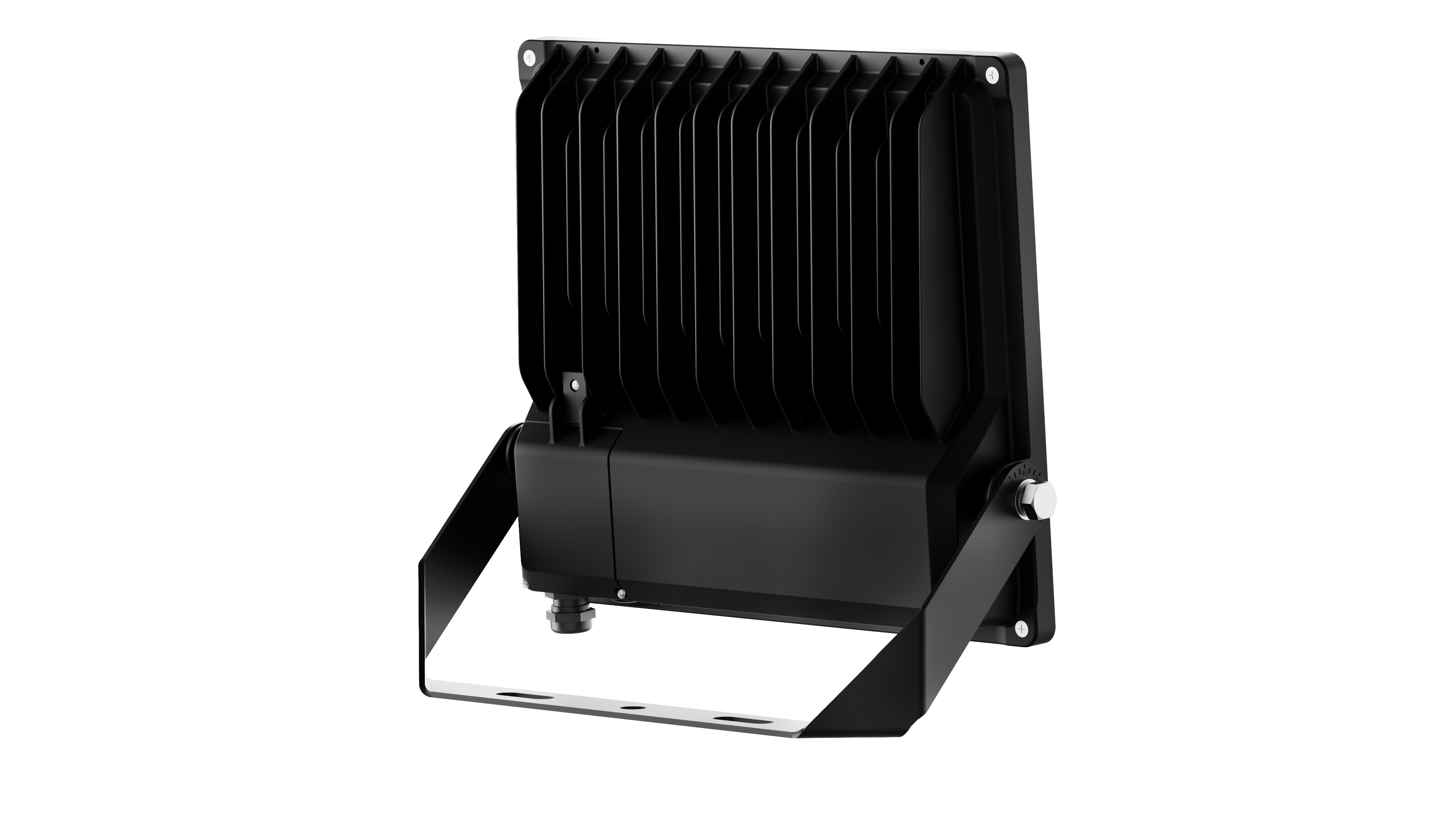
One often overlooked maintenance driver is heat. Traditional outdoor fixtures generate intense heat that degrades driver components, gaskets, and mounting hardware over time. A LED flood light converts a far greater proportion of input energy into visible light rather than heat, operating at significantly lower temperatures. This lower thermal output means that the internal components of a LED flood light age more slowly, driver circuits remain stable longer, and mounting brackets and enclosures retain their structural integrity across seasons. A LED flood light that runs cooler simply needs less corrective maintenance across its operational life.
Stable Lumen Output Reduces Premature Replacement
Conventional outdoor lamps suffer from rapid lumen depreciation, meaning their brightness drops significantly before they technically fail. Facility managers often replace these lamps early to maintain safety or regulatory lighting standards. A modern LED flood light maintains lumen output far more consistently over its rated life, with many products achieving L80 or L90 ratings — meaning 80 to 90 percent of initial output is retained at the end of the rated period. This consistency means a LED flood light does not need to be replaced ahead of schedule purely due to performance degradation, directly reducing the frequency and cost of maintenance visits in large outdoor projects.
Practical Maintenance Cost Reduction in Real Project Contexts
Access and Labor Cost Savings at Scale
In large outdoor projects such as airport aprons, port terminals, or sports facility perimeters, fixtures are often mounted at heights of eight to twenty meters or more. Accessing a LED flood light at these heights requires certified personnel and specialized lift equipment. Because a LED flood light lasts significantly longer than conventional alternatives, the number of access events per decade drops dramatically. A project deploying 200 LED flood light units at height might go from scheduling 12 to 15 maintenance interventions over ten years to scheduling just 2 or 3. Across a large outdoor project, that reduction in access events translates directly into tens of thousands of dollars in avoided labor, equipment, and compliance costs.
Smart Controls Compatibility Extends LED Flood Light Value
A modern LED flood light is compatible with smart lighting control systems that enable remote monitoring, dimming, and fault detection. When a LED flood light begins to degrade or develops a fault, smart-enabled systems can alert facility managers before the fixture fails entirely, enabling planned maintenance rather than emergency responses. This shift from reactive to predictive maintenance is a fundamental cost advantage of LED flood light technology in large outdoor deployments. Scheduling a LED flood light service visit during a planned maintenance window is far cheaper than responding to an unplanned outage in a critical area.
FAQ
How much can a LED flood light reduce maintenance costs compared to traditional outdoor lighting?
While exact savings depend on project scale, fixture mounting height, and local labor rates, switching to a LED flood light typically reduces lamp replacement frequency by 60 to 80 percent over a ten-year period. When access equipment and labor are factored in, total maintenance cost reductions from using LED flood light technology often range from 40 to 70 percent compared to conventional fixtures in equivalent large outdoor applications.
Does a LED flood light require any regular maintenance in outdoor installations?
A LED flood light does benefit from periodic cleaning of the lens and enclosure, particularly in dusty or polluted environments, to maintain optimal light output. However, the core components of a quality LED flood light — the LED chips, driver, and thermal management system — generally require no scheduled servicing for many years. Routine inspection during other planned maintenance visits is usually sufficient to keep a LED flood light performing at specification.
What specifications should a LED flood light have for large-scale outdoor cost reduction?
For large outdoor projects where maintenance cost reduction is a priority, look for a LED flood light with a minimum 50,000-hour L80 lifespan rating, an IP65 or higher ingress protection rating, a high-efficiency driver with surge protection, and compatibility with dimming or smart monitoring controls. A LED flood light meeting these criteria will deliver the longest intervals between maintenance events and the strongest long-term return on the initial investment.