
 EN
EN
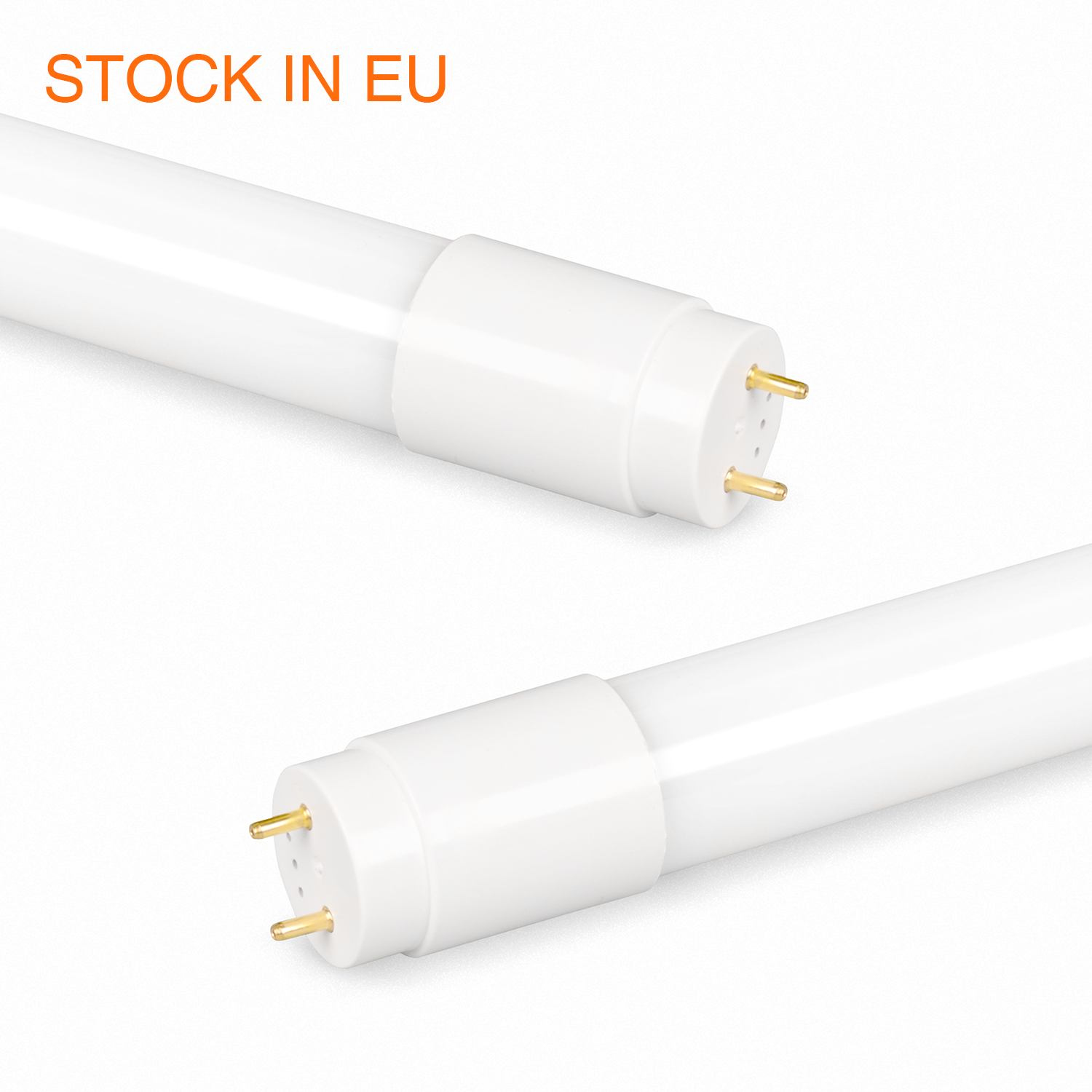
Creating visually stunning and functionally superior lighting environments demands precision, innovation, and strategic design thinking. LED linear light systems represent one of the most transformative technologies in modern illumination, enabling architects, designers, and facility managers to achieve seamless and continuous lighting effects that were previously impossible with traditional fixtures. The ability to blend light sources into uniform, uninterrupted lines transforms interior spaces, enhances architectural features, and establishes sophisticated visual hierarchies that draw the eye while maintaining comfort and energy efficiency. Understanding how LED linear light technology works, how to design with it effectively, and how to implement it successfully is essential for anyone seeking to create professional-grade lighting environments.
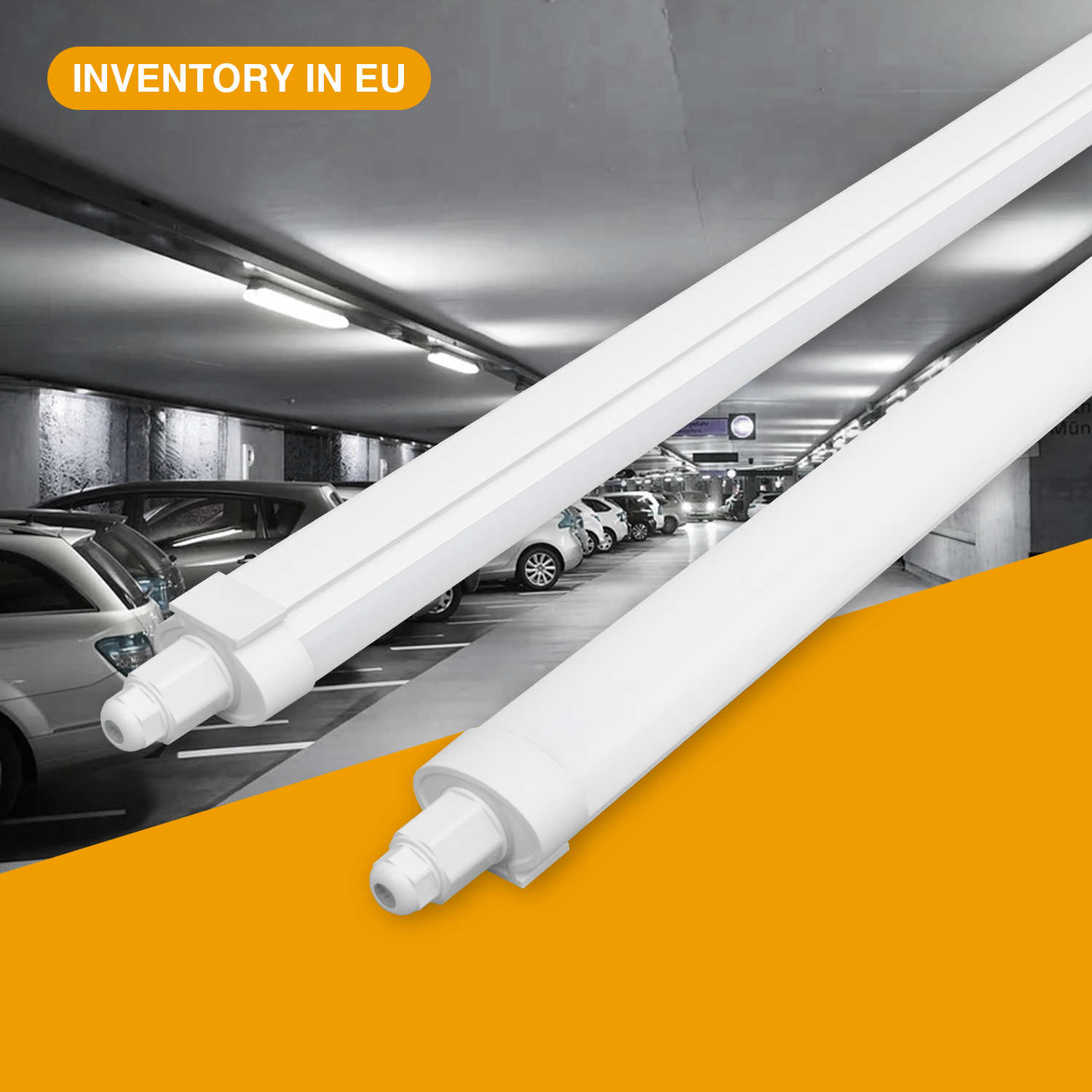
The fundamental appeal of LED linear light lies in its ability to eliminate the visual fragmentation caused by individual point sources. Traditional recessed or spot lighting creates pools of brightness separated by darker zones, generating a disjointed aesthetic and uneven illumination patterns. LED linear light systems, by contrast, distribute photonic output across extended, continuous pathways, creating a cohesive glow that feels integrated into the architecture itself. This seamless quality transforms how spaces feel, improving both aesthetics and functional lighting performance while delivering substantial energy savings compared to conventional technologies.
Understanding LED Linear Light Design Principles
How LED Linear Light Achieves Uniform Illumination
LED linear light achieves seamless and continuous lighting effects through several interconnected design strategies. The core principle involves placing high-efficiency diodes in closely spaced arrays along extended aluminum channels, ensuring that the spacing between individual LEDs remains below the threshold where the human eye perceives individual points of light. LED linear light fixtures typically employ advanced optics—including precisely angled lenses and reflective surfaces—that redirect and diffuse emitted photons across the entire illuminated surface. The result is a perception of unified, uninterrupted brightness rather than discrete light sources. Additionally, LED linear light systems incorporate sophisticated thermal management, allowing sustained operation at optimal color temperatures and intensity levels without the degradation common in older linear technologies.
Color Temperature and Continuous Effect Integration
Achieving seamless lighting effects with LED linear light requires careful attention to color temperature consistency and output uniformity. LED linear light products now support adjustable color temperature ranges—typically spanning from warm 2700K tones to cool 5000K+ specifications—enabling designers to create mood and atmosphere while maintaining visual continuity. Multi-channel LED linear light systems allow independent control of red, green, and blue diodes, facilitating dynamic color-shifting capabilities that enhance storytelling and environmental adaptation without breaking the continuous visual line. Premium LED linear light installations employ precision drivers and power distribution systems that ensure voltage consistency across extended runs, preventing the 'hot spots' or color drift that would interrupt the seamless appearance designers aim to achieve.
Installation and Implementation Strategies for LED Linear Light
Mounting Techniques That Preserve Seamless Aesthetics
The physical installation of LED linear light systems critically determines whether the final result achieves true seamless and continuous lighting effects. Professional LED linear light installations typically involve recessing fixtures into cove spaces, soffits, or architectural ledges where the light source itself remains hidden while the emitted photons illuminate visible surfaces. LED linear light channels must be installed with precision alignment to ensure no visible gaps or misalignment that would disrupt the continuous appearance. Advanced LED linear light systems feature modular segments with precision connectors, allowing installers to extend runs across complex architectural geometries without visual interruption. Proper installation also requires thermal considerations—adequate spacing from materials like insulation ensures LED linear light components maintain optimal operating temperatures, preserving output consistency and color fidelity throughout the fixture lifespan.
Electrical Integration and Control Systems
Seamless and continuous lighting effects from LED linear light installations depend heavily on intelligent control infrastructure. Modern LED linear light systems integrate with smart building management protocols, enabling coordinated dimming, color temperature adjustment, and intensity modulation across extended runs. Low-voltage configuration of LED linear light reduces electrical complexity and enhances installation flexibility, particularly in retrofit applications where existing infrastructure cannot accommodate high-voltage systems. LED linear light fixtures equipped with wireless or wired control interfaces allow occupants and automated systems to adapt lighting continuously throughout the day, supporting circadian rhythm alignment and energy optimization. Advanced LED linear light systems employ constant-current drivers that maintain photonic output at specified levels regardless of minor voltage fluctuations, ensuring the continuous visual quality remains undisturbed.
Applications and Design Scenarios for LED Linear Light
Commercial and Hospitality Environments
LED linear light technology excels in hospitality, retail, and commercial settings where sophisticated atmospherics drive customer perception and dwell time. High-end restaurants utilize LED linear light to create intimate dining environments, with warm continuous lighting accents that guide attention toward featured architectural or culinary elements. Retail installations employ LED linear light along ceilings, product displays, and architectural feature walls, with precise color rendering and seamless effects that enhance product visibility while establishing premium brand identity. LED linear light in lobby areas and corporate offices creates sophisticated wayfinding through continuous light lines that feel both modern and welcoming. The superior color rendering indices common in premium LED linear light products ensure merchandise and environments display with authentic vibrancy, driving customer confidence and purchase intent.
Residential and Specialty Applications
Residential applications increasingly leverage LED linear light for kitchen accent lighting, bedroom cove illumination, and architectural feature highlighting. LED linear light installed above kitchen islands or along soffit edges creates continuous visual interest while maintaining the soft, layered lighting approach preferred in contemporary home design. Spa, wellness, and entertainment venues employ LED linear light to establish immersive, mood-driven environments where seamless effects reinforce sensory experiences. Museum and gallery installations utilize LED linear light to illuminate artwork and architectural details with museum-grade color accuracy while creating invisible light sources that emphasize content rather than infrastructure. These diverse applications demonstrate how LED linear light adapts to virtually any environment where seamless and continuous lighting effects enhance functionality and aesthetics simultaneously.
FAQ
What makes LED linear light different from traditional linear lighting?
LED linear light surpasses traditional fluorescent or incandescent linear fixtures through superior energy efficiency, exceptional lifespan, advanced dimming capabilities, and dramatically improved light quality. LED linear light systems deliver 50-70% energy reductions compared to older technologies, operate for 50,000+ hours without significant degradation, and produce seamless effects through sophisticated optical design. Traditional fixtures generate heat, require frequent maintenance, and cannot achieve the precise color control and responsive automation capabilities modern LED linear light systems offer. Additionally, LED linear light produces zero flickering and negligible electromagnetic interference, creating healthier visual environments for occupants.
Can LED linear light be installed in existing spaces?
Yes, LED linear light retrofit installation is feasible in most existing environments, though complexity depends on structural and electrical conditions. Low-voltage LED linear light systems simplify retrofit applications by requiring minimal electrical infrastructure modification. Surface-mounted LED linear light options eliminate the need for cove construction or structural recessing, making upgrades practical in buildings where concealed installation proves difficult. Professional LED linear light installers assess existing ceiling geometry, electrical capacity, and aesthetic objectives to recommend optimal configurations. Retrofit LED linear light projects typically complete within days, minimizing disruption while delivering immediate performance and efficiency benefits.
How do you ensure uniform color across extended LED linear light runs?
Ensuring uniform color across extended LED linear light installations requires precision engineering, quality components, and professional installation. Premium LED linear light systems employ constant-current drivers that maintain consistent voltage and light output across the entire run, preventing the color drift common in poorly designed systems. Color-binned LEDs—where individual diodes are sorted by precise color specifications—guarantee that every LED linear light fixture operates within extremely tight chromaticity tolerances. Proper thermal management preserves LED linear light color fidelity by preventing temperature-induced shift in color output. Professional LED linear light commissioning includes field measurements to verify color consistency, allowing technicians to fine-tune settings before final handover.