
 EN
EN
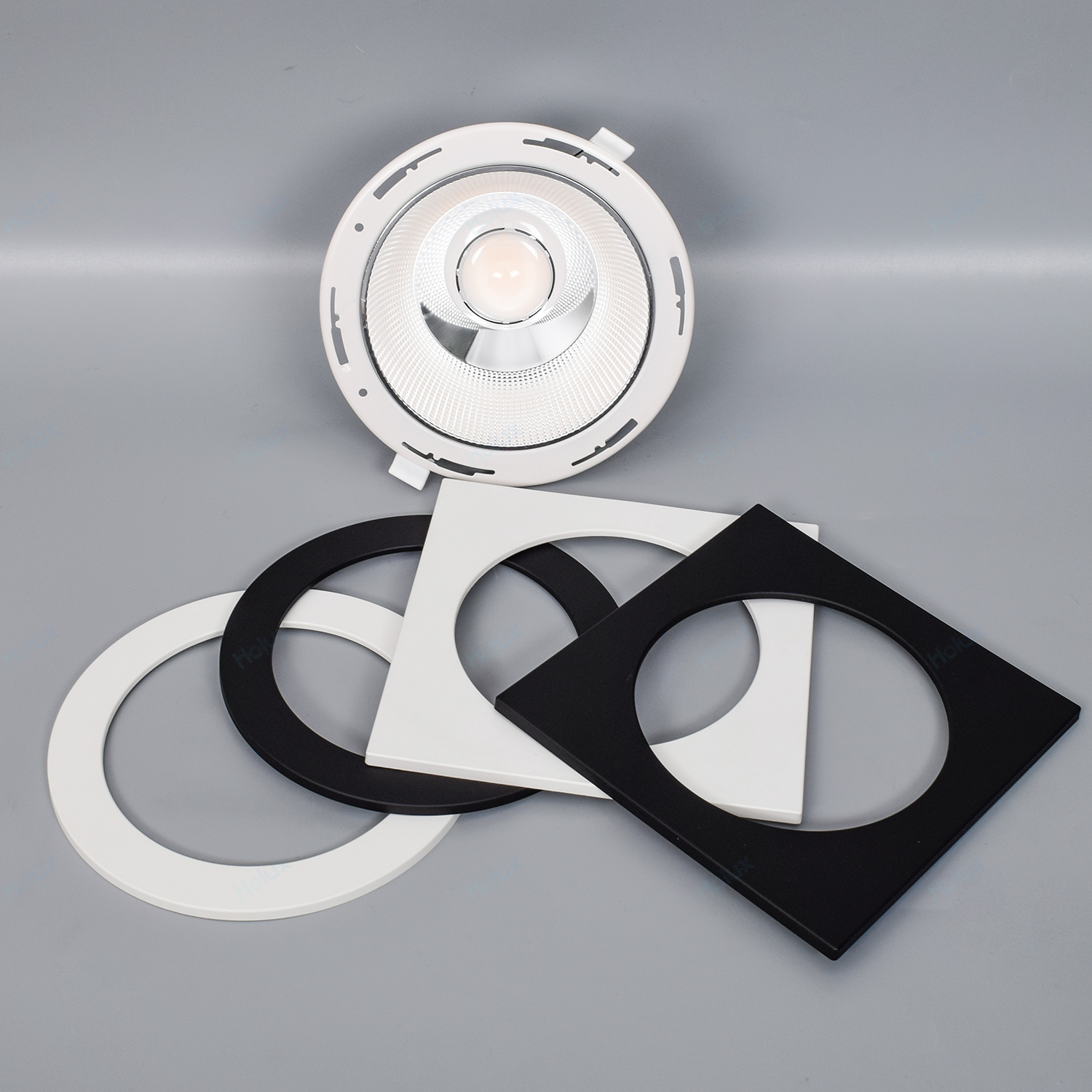
Achieving a beautifully balanced interior is rarely the result of a single overhead fixture flooding a room with uniform illumination. Truly compelling interiors are built through layers — distinct planes of light that work together to define space, highlight focal points, and guide the eye. The down light is one of the most versatile and professionally trusted tools available to designers, architects, and facility managers who want to build those layers with precision and control. Understanding how a down light functions within a layered lighting scheme transforms it from a basic ceiling fixture into a sophisticated design instrument.
Layered lighting in interiors combines three fundamental categories: ambient, task, and accent lighting. A strategically placed down light can contribute to all three of these categories depending on its beam angle, lumen output, and positioning relative to surfaces and occupants. Whether you are designing a corporate office, a retail environment, a hospitality space, or a residential interior, the down light plays a central structural role in making layered lighting schemes coherent, efficient, and visually rich. This article explores exactly how that contribution works and what factors determine whether a down light delivers its full potential within a layered design.
Understanding Layered Lighting and the Role of Down Light
The Three-Layer Lighting Framework
Layered lighting is a discipline built on intentional contrast. Ambient lighting provides the base level of illumination that fills a space and makes it functional. Task lighting targets specific zones — a workstation, a kitchen counter, a reading chair — where higher intensity and focused direction are necessary. Accent lighting creates drama and visual interest by drawing attention to architectural features, artwork, or decorative elements. Each layer depends on the others for balance, and the down light acts as an anchor across all three.
When a down light is used as part of the ambient layer, it is typically installed in a grid or pattern across a ceiling to establish a consistent base level of brightness without harsh contrast. The beam spread and lumen output are calibrated so the space feels comfortable and navigable rather than bright for brightness's sake. This foundational role is where most professionals begin when planning a layered scheme, since ambient coverage determines the visual canvas that all other layers work against.
Moving into task and accent applications, the down light becomes more targeted. Adjustable or directional versions allow the beam to be angled toward a specific surface or object, providing the concentrated illumination needed for productive work or dramatic emphasis. This flexibility is what makes the down light so consistently valuable across diverse interior typologies — from clean-lined minimalist apartments to complex commercial environments with multiple functional zones.
Why Down Light Is Preferred for Layered Schemes
The recessed form factor of a down light makes it architecturally discreet while still delivering significant photometric performance. Unlike pendant fixtures or surface-mounted luminaires, a down light integrates into the ceiling plane itself, allowing designers to add substantial light output without introducing visual clutter. This is particularly important in layered schemes where the fixtures themselves should recede so that the light — and what it reveals — becomes the focal point.
Modern LED down light products also offer considerable control over color temperature, which is critical for layering. Warm color temperatures in the 2700K–3000K range create intimacy and are ideal for residential or hospitality ambient layers, while cooler temperatures around 4000K support task-oriented environments such as offices or retail displays. Some advanced down light models offer tunable white capability, allowing a single installation to serve multiple lighting needs across different times of day or operational modes.
Dimming compatibility further extends the layering potential of a down light. When the ambient layer can be dimmed independently from the task or accent layers, designers gain the ability to shift the room's mood and functional priority without changing a single fixture. This dynamic interplay between independently controllable down light circuits is what separates sophisticated layered lighting from simple overhead illumination.
How Down Light Contributes to Ambient Lighting Layers
Establishing Even, Comfortable Base Illumination
The ambient role of a down light is about consistency and comfort. When positioned at the correct spacing relative to ceiling height and beam angle, a grid of down light fixtures produces a relatively uniform horizontal illuminance across the floor plane. This uniformity prevents harsh dark patches between fixtures and avoids the overly bright 'spotlight on floor' effect that results from poor spacing design. Getting the ambient layer right sets the quality standard for everything that follows.
Photometric data — including beam angle, candela distribution, and lumen output — should be used to model ambient performance before installation. A down light with a wide beam angle of 90 degrees or more spreads light across a broader area per fixture, reducing the number of units needed for uniform coverage. Narrower beam angles concentrate light more tightly, requiring closer fixture spacing to maintain uniformity but offering better vertical surface illumination in the process. The choice depends on ceiling height, room dimensions, and the desired visual character of the ambient layer.
In commercial interiors, the ambient down light grid must also meet regulatory requirements for average illuminance levels. Open-plan offices typically require between 300 and 500 lux at the working plane, while retail environments may target higher levels in key merchandise zones. Designing the ambient down light layout to meet these targets while leaving headroom for task and accent layers to contribute is a critical part of the specification process.
Avoiding Over-Illumination in the Ambient Layer
One of the most common errors in interior lighting is over-specifying the ambient layer — using too many down light fixtures at too high a lumen output, leaving no visual contrast for task or accent layers to work against. When every surface is uniformly bright, the layered effect collapses and the space becomes flat and institutional. The ambient down light layer should provide comfortable general illumination, not attempt to serve every lighting need simultaneously.
Dimming is the most practical solution to ambient over-illumination, but the right specification starts with selecting a down light that has appropriate lumen output for the space rather than defaulting to the highest available wattage. A well-specified down light at 500–1000 lumens in a residential setting provides ample ambient contribution while preserving contrast headroom. Higher-lumen models are appropriate for larger volumes or spaces with higher reflectance ceilings where significant light absorption occurs.
Using Down Light for Task and Accent Lighting Layers
Task Lighting Applications with Directional Down Lights
Task lighting requires concentrated, well-directed illumination at the specific plane where work or detailed activity occurs. An adjustable down light — one that allows the internal lamp or optic to be tilted or rotated — is particularly effective in this role because it can be aimed precisely at a desk surface, kitchen counter, or reading area without requiring a separate dedicated fixture. This integration of task functionality into a recessed ceiling format maintains the visual cleanliness that designers value while delivering the photometric performance that users need.
The beam angle of a task-oriented down light is typically narrower than its ambient counterpart, often in the 25–40 degree range. This concentration of light energy delivers higher illuminance levels on the target surface, enabling fine visual tasks without eye strain. However, it is important to position the down light correctly relative to the task plane — too far to the side can create unflattering shadows, while positioning directly overhead minimizes shadow formation and maintains comfortable contrast ratios between the task area and the surrounding ambient layer.
In retail environments, the task layer frequently becomes an 'emphasis layer' where the down light is used to spotlight merchandise, display cases, or featured products. Higher color rendering index values — ideally Ra 90 or above — are critical in these applications because accurate color reproduction directly influences how customers perceive products. A down light with high CRI and appropriate beam control can make merchandise appear vivid and appealing in ways that generic ambient lighting simply cannot achieve.
Accent Lighting and Architectural Drama
Accent lighting is the layer that gives interiors their personality and visual depth. By positioning a down light to graze a textured wall surface, illuminate a piece of art, or create a pool of warm light on a feature floor material, designers introduce shadow, dimensionality, and focal hierarchy that transform a space from functional to experiential. Accent applications require careful attention to the ratio between accent illuminance and the ambient layer — a commonly cited target is a 5:1 ratio, meaning the accented surface should be five times brighter than the surrounding ambient level.
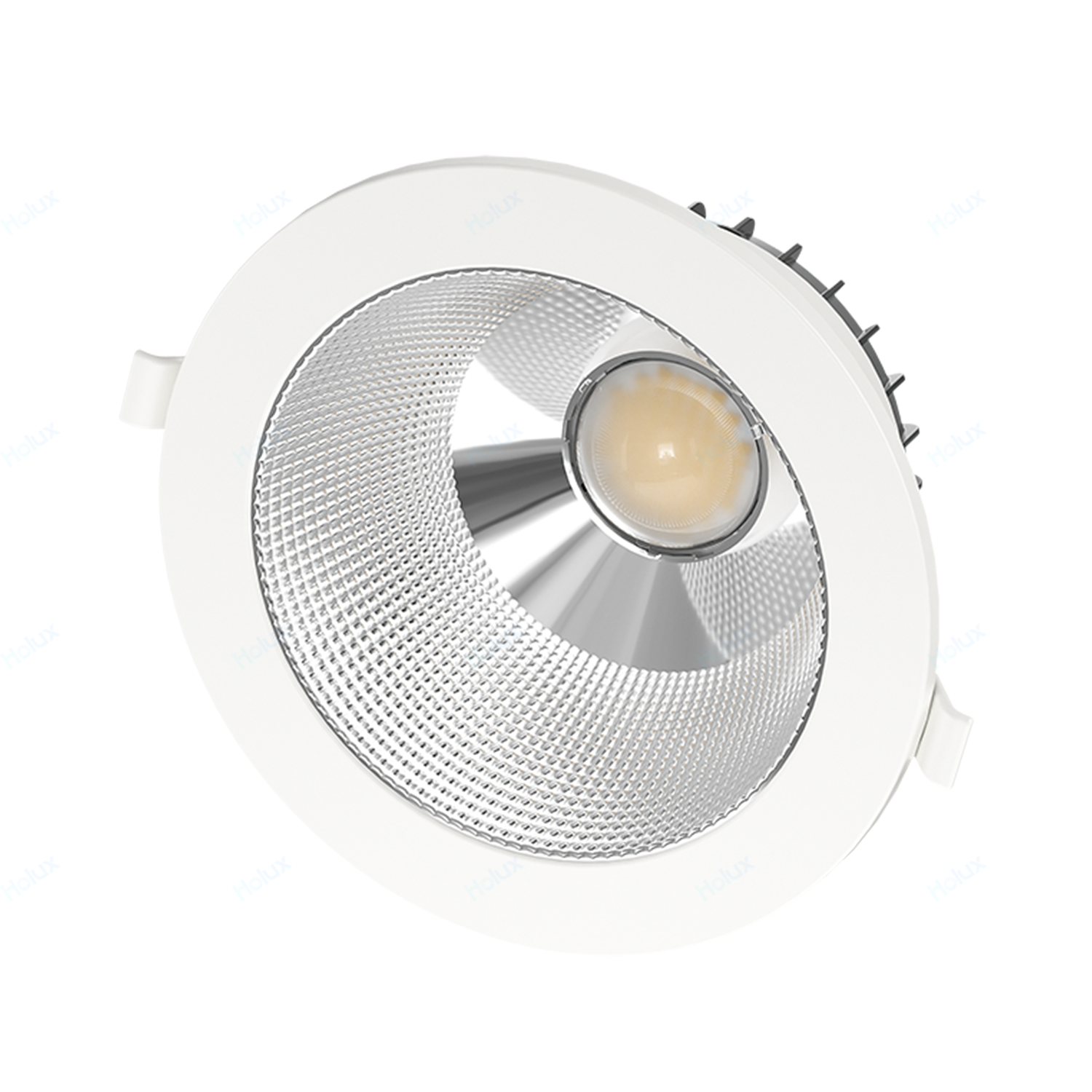
Wall washing is a specific accent technique where a down light is positioned close to a vertical surface and equipped with an asymmetric optic that distributes light evenly down the wall plane. This creates a glowing vertical surface that appears to expand the perceived volume of a space while drawing the eye toward architectural boundaries. The technique is widely used in hospitality, gallery, and high-end residential design to add visual warmth and a sense of scale without additional fixtures or complex wiring.
For maximum accent flexibility, the down light should ideally be on an independently dimmed circuit from the ambient layer. This allows the accent layer to be ramped up or down to suit the time of day, occasion, or desired atmosphere without affecting the base illumination. In sophisticated projects, the ambient, task, and accent down light circuits may all be independently addressable through a lighting control system, enabling dynamic scene-setting that genuinely transforms the character of an interior with a single command.
Specification and Installation Factors That Maximize Layering Effectiveness
Selecting the Right Down Light for Each Layer
Not every down light is equally suited to every layer within a scheme. The specification process should begin with a clear understanding of which layer the fixture will primarily serve, then match beam angle, lumen output, color temperature, CRI, and dimming compatibility to those requirements. A down light intended for the ambient layer should prioritize wide beam distribution and consistent color uniformity across a range of dimming levels. One intended for task or accent use needs tighter beam control and higher CRI.
Optical quality is another differentiating factor. Premium down light products often incorporate microprism diffusers, anti-glare baffles, or precision reflectors that control light distribution with greater accuracy than standard optics. These features reduce glare, improve uniformity, and ensure that the beam character remains consistent across the life of the fixture. In a layered scheme where visual quality is a primary design objective, optical performance often justifies the higher upfront cost of premium-specification down light products.
IP rating is also a practical specification consideration, particularly in bathrooms, kitchens, outdoor-adjacent spaces, or commercial facilities where moisture or dust exposure is a factor. A down light rated at IP44 or higher provides protection against splash water and particulate ingress, ensuring reliable performance in damp conditions without compromising the aesthetic integration that makes recessed lighting so valuable in layered schemes.
Installation Positioning and Circuit Planning
The physical placement of each down light within the ceiling plan is as important as the product specification itself. Ambient fixtures should be positioned to achieve the target uniformity ratio — typically a minimum:average ratio of 0.7 or above — while task and accent fixtures are located relative to the specific surfaces or objects they will serve. Spacing calculations using photometric data ensure that each down light contributes appropriately to its layer without creating overlap that results in hotspots or over-illumination.
Circuit planning should prioritize independent control of each lighting layer. This means running separate circuits for ambient, task, and accent down light groups even if all three layers use the same fixture type. Routing these circuits to separate dimmer channels — whether through conventional analog dimmers or digital lighting control systems — is what enables the full flexibility of a layered scheme to be realized in practice. Without independent control, the layers cannot be balanced dynamically and the design intent is partially lost.
Ceiling construction type also influences the installation approach. In suspended ceilings common to commercial interiors, the down light is typically installed into a standard grid module. In plasterboard or concrete ceilings, a recessed housing or housing kit is required, and the cutout dimensions must match the fixture's specifications precisely. Planning these details during the design stage — rather than retrofitting during construction — avoids costly delays and ensures the finished installation delivers the visual quality the layered scheme demands.
For professionals seeking verified quality and supply chain reliability, our down lights are ENEC certified, achieving up to 160 lm/w while offering field‑adjustable power and colour temperature — allowing both brightness and CCT to be tuned on site to match changing space requirements. IP65 and IP54 rated versions provide robust protection against moisture and dust, making them suitable for bathrooms, kitchens, and covered outdoor applications. Both recessed (embedded) and surface‑mounted versions are available to accommodate different ceiling constructions. To support European projects, fast shipping from a German warehouse is backed by a local warranty, ensuring minimal downtime and simplified lifecycle management.
FAQ
What beam angle should a down light have for ambient lighting in a layered scheme?
For ambient lighting, a down light with a wide beam angle — typically between 60 and 120 degrees — is recommended. Wider beams distribute light more evenly across the floor and wall planes, reducing the number of fixtures needed to achieve uniform coverage and minimizing harsh contrast between lit and unlit areas. The precise angle should be confirmed using photometric modeling based on ceiling height and room dimensions.
Can a single down light type serve multiple layers in the same interior?
Yes, in many cases a well-specified down light with adjustable beam optics and a wide dimming range can contribute to ambient, task, and accent layers within the same space. The key is independent circuit control — allowing fixtures in different positions or groups to be dimmed to different levels to serve different functions simultaneously. However, some specialized applications, such as high-CRI retail emphasis lighting or architectural wall washing, may benefit from dedicated down light products optimized for those specific roles.
How important is CRI when choosing a down light for interior layering?
Color rendering index is highly important, particularly for task and accent layers where the visual quality of illuminated surfaces and objects is a priority. A down light with CRI Ra 80 is generally acceptable for basic ambient applications, but Ra 90 or above is recommended wherever accurate color perception matters — in retail, hospitality, residential living areas, and any environment where art, materials, or merchandise are on display. High CRI also contributes to occupant comfort and wellbeing, which is an increasingly valued factor in commercial and institutional interiors.
What is the difference between a fixed and adjustable down light in a layered lighting design?
A fixed down light directs its beam straight downward and is best suited for ambient and general task applications where the target surface is directly below the fixture. An adjustable down light allows the light source or optic to be tilted or rotated, enabling the beam to be directed toward a wall, artwork, display surface, or angled architectural feature. Adjustable versions offer greater flexibility for accent and emphasis layers, while fixed versions are typically more cost-effective and easier to maintain in high-density ambient installations.
Table of Contents
- Understanding Layered Lighting and the Role of Down Light
- How Down Light Contributes to Ambient Lighting Layers
- Using Down Light for Task and Accent Lighting Layers
- Specification and Installation Factors That Maximize Layering Effectiveness
-
FAQ
- What beam angle should a down light have for ambient lighting in a layered scheme?
- Can a single down light type serve multiple layers in the same interior?
- How important is CRI when choosing a down light for interior layering?
- What is the difference between a fixed and adjustable down light in a layered lighting design?