
 EN
EN
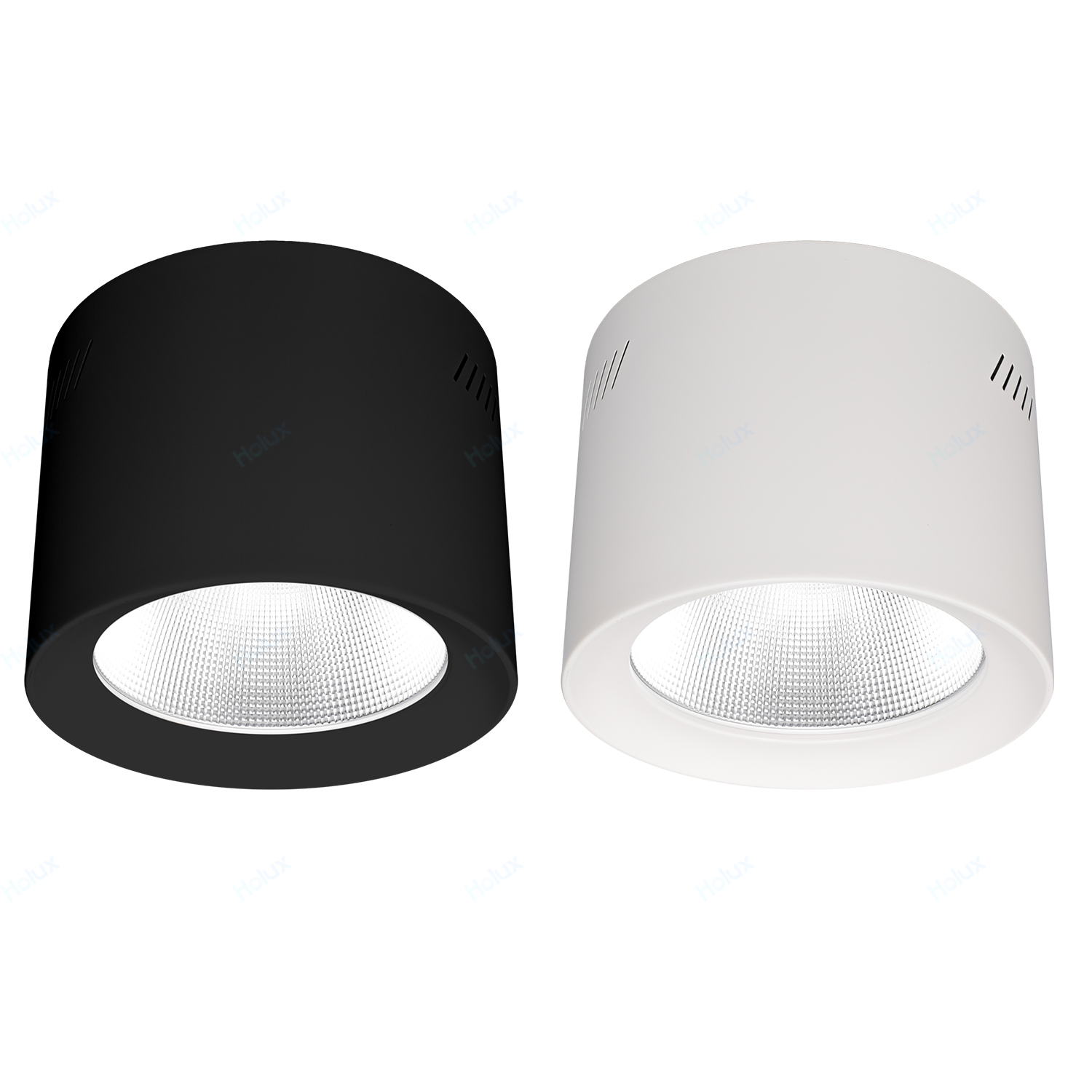
Visual comfort in the home is not simply about having enough brightness to see by. It is about how light interacts with surfaces, how it guides attention, how it reduces strain on the eyes, and how it shapes the overall feeling of a room. Among the many lighting solutions available for residential use, the down light stands out as one of the most effective and architecturally respectful options. Installed flush with or recessed into the ceiling, a down light delivers focused illumination downward, minimizing glare while creating a clean, uncluttered visual environment that modern homeowners increasingly value.
Understanding how a down light contributes to visual comfort requires looking beyond simple lumen counts. It involves examining beam angles, color rendering, diffusion technologies, placement strategy, and the relationship between artificial light and human biology. When these factors are aligned thoughtfully, a down light does far more than illuminate a room — it transforms the way occupants experience their living environment on a daily basis.
The Science Behind Visual Comfort and Why Down Lights Address It Well
What Visual Comfort Actually Means in Residential Lighting
Visual comfort refers to the condition in which a person can see clearly, without strain, discomfort, or distraction caused by the lighting environment. In residential spaces, poor visual comfort typically manifests as eye fatigue after extended time indoors, difficulty distinguishing colors or textures accurately, harsh shadows that create visual tension, and glare from exposed light sources that cause the pupils to constantly readjust.
A well-positioned down light directly addresses these issues by concealing the light source within or behind the ceiling plane. Because the luminaire itself is not exposed to the direct line of sight, it eliminates one of the most common sources of discomfort in home lighting: direct glare. Our ENEC‑certified down lights achieve up to 160 lm/W, and both power and colour temperature are field‑adjustable — brightness and CCT can be tuned on site as needs change. The light is delivered downward in a controlled cone, reducing the chance of unwanted reflections on walls, screens, or glossy surfaces.
Additionally, modern down light products with microprism or opal diffusers spread the output evenly across the beam, eliminating the bright hot-spot that older halogen equivalents produced. This softer, more uniform distribution is far easier for the human eye to process over extended periods.
Color Rendering and Its Role in Comfortable Home Environments
Color rendering index, commonly referred to as CRI, measures how accurately a light source reproduces the colors of objects compared to natural daylight. In a residential setting, high CRI output from a down light means that food looks appetizing in the kitchen, skin tones appear natural in bathrooms and dressing areas, and artwork or furnishings retain their intended visual character in living rooms.
A down light with a CRI of 90 or above allows occupants to perceive their surroundings with far greater richness and accuracy than a lower-CRI alternative. This has a measurable impact on comfort: rooms feel more 'real,' spaces feel larger and more inviting, and the lighting does not impose an artificial tint over daily life. For homeowners who invest in interior design, high-CRI down light output ensures that their design choices are visible as intended.
Correlated color temperature also plays a role here. A down light available in multiple CCT options — such as warm white at 2700K, neutral white at 3000K, or cool white at 4000K — allows residents to match the light character to the function of each room. Warm tones support relaxation in bedrooms and living areas, while cooler tones improve focus and clarity in kitchens and home offices.
How Placement Strategy Determines Comfort Outcomes
Grid-Based Versus Task-Focused Down Light Layouts
One of the most important decisions affecting visual comfort is how down light fixtures are arranged across the ceiling. A grid-based layout distributes fixtures at regular intervals, providing a consistent base level of illumination throughout the space. This approach works well in open-plan living areas, hallways, and multipurpose rooms where activity zones are flexible or undefined.
However, uniform grid layouts can sometimes produce flat, shadowless environments that feel monotonous. Comfort is enhanced when lighting has depth — when vertical surfaces receive some wash of light, when objects cast subtle shadows that reinforce their three-dimensional form, and when focal points in the room receive slightly stronger emphasis. A thoughtful down light placement strategy layers general illumination with accent positioning to achieve this balance.
Task-focused placement positions down light fixtures directly above areas of activity — over kitchen countertops, above bathroom vanities, beside reading chairs, or over dining tables. This ensures that critical visual tasks receive adequate light intensity without requiring the entire room to be brightly lit, which supports both comfort and energy efficiency.
Ceiling Height, Beam Angle, and the Quality of Illumination Below
The height of a ceiling fundamentally affects how a down light performs at floor level. In rooms with standard ceiling heights of around 2.4 to 2.7 meters, a down light with a medium beam angle of 60 to 90 degrees will typically spread light effectively across a comfortable working radius. In rooms with higher ceilings, a narrower beam angle concentrates the output to maintain adequate intensity at the working plane.
Selecting the wrong beam angle relative to ceiling height is a frequent source of discomfort. A narrow-beam down light in a low-ceilinged room creates harsh, small pools of intense light separated by relatively dim zones. Conversely, a wide-beam down light in a high-ceilinged room may scatter light so broadly that intensity at floor level is insufficient for comfortable task performance.
Matching beam angle to ceiling height is a technical step that significantly improves the lived experience of a lighting layout. When the down light is correctly specified for the geometry of the room, light transitions smoothly across surfaces without abrupt transitions from bright to dark that force the eye to readjust constantly.
Down Light Technologies That Directly Enhance Comfort
Microprism Diffusers and Glare Reduction
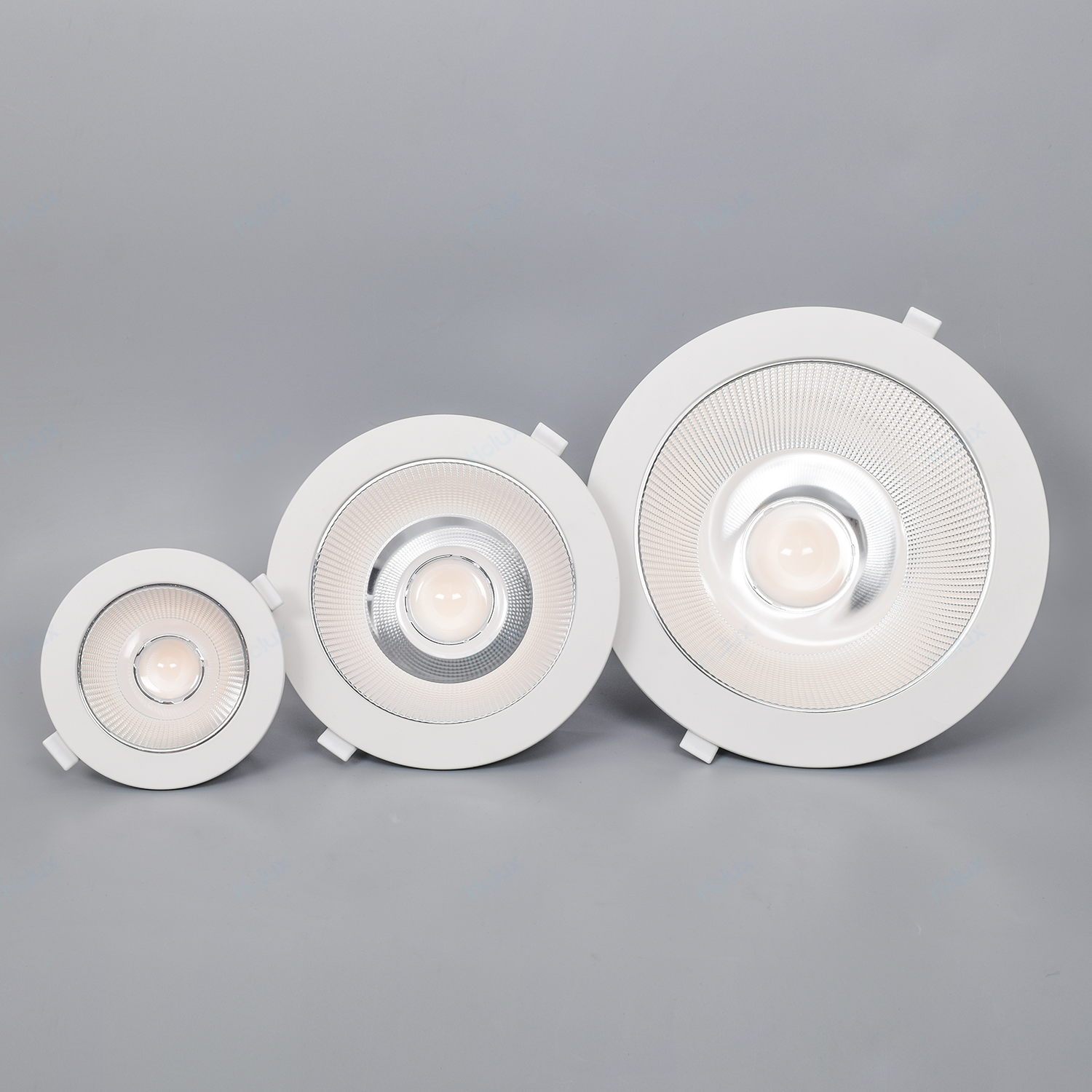
Among the technological advances that have made the modern down light far more comfortable than its predecessors, microprism diffuser technology deserves particular attention. A microprism lens consists of a precisely engineered optical surface with microscopic prismatic structures that redirect and diffuse light as it exits the fixture. The result is a highly uniform light output that eliminates the intense central bright spot typical of older reflector-based designs.
From the perspective of visual comfort, the microprism down light offers two key advantages. First, it significantly reduces the unified glare rating (UGR) of the fixture, making it far less likely to cause discomfort or distraction when seen in the peripheral vision while occupants move through or relax within the space. Second, it creates a more even distribution of light on horizontal surfaces, reducing the contrast variation that tires the eyes during extended activities such as reading, cooking, or detailed craft work.
Products such as the down light featuring a microprism diffuser design represent the practical application of these optical principles in a form suitable for residential installation. With output reaching 3500 lumens from a 35W LED source, this type of fixture achieves high efficacy while maintaining the soft, glare-controlled distribution that residential spaces require for genuine visual comfort. These fixtures are available with IP65 or IP54 ratings, and come in both recessed and surface‑mounted versions to suit different ceiling types.
CCT Flexibility and Its Impact on Daily Living
The ability to select or switch between correlated color temperatures gives a down light a level of adaptability that directly benefits occupant comfort across the full range of daily activities. Mornings in a kitchen might benefit from a crisp 4000K output that supports alertness and accurate food preparation, while evenings in the same space might call for a warmer 2700K tone that signals relaxation and supports the body's natural wind-down process.
3CCT-switchable down light products eliminate the need to install multiple fixture types or replace lamps when preferences or usage patterns change. This flexibility is particularly valuable in multi-purpose spaces — such as open-plan kitchen-dining-living areas — where a single lighting circuit serves multiple functions and moods throughout the day.
From a comfort standpoint, the alignment of color temperature with activity is not a luxury but a practical consideration. Research in human-centric lighting consistently shows that mismatched color temperature — cool light in relaxation zones or warm light in precision task areas — reduces comfort and performance simultaneously. A CCT-flexible down light solves this problem at the fixture level.
Moisture Resistance and Comfort in Wet Residential Zones
Why IP Rating Matters for Bathroom and Kitchen Down Lights
Visual comfort in bathrooms and kitchens depends not only on light quality but also on confidence that the fixtures are safe and stable in environments exposed to humidity, steam, and occasional splashing. A down light rated IP44 provides protection against solid particle ingress larger than 1mm and against water splashing from any direction, making it suitable for bathroom ceiling installation outside the immediate shower zone and for kitchen areas subject to cooking vapors.
An IP44 down light installed in a bathroom delivers consistent, reliable performance over time without the risk of moisture-induced degradation that can cause color shift, flickering, or premature failure in unrated luminaires. Consistency is itself a component of visual comfort: a light source that flickers intermittently, dims unpredictably, or shifts in color over time creates subtle but persistent visual stress that occupants often attribute to other causes.
By specifying a moisture-rated down light for wet and semi-wet zones, residential designers and homeowners ensure that the quality of illumination remains stable throughout the product's service life. This preserves the comfort conditions that were established at installation and avoids the disruptive cycle of premature replacement. For European projects, fast shipping from a German warehouse and a local warranty are included, ensuring quick support and minimal downtime.
Ceiling Integration and the Psychological Comfort of Clean Design
Beyond the purely optical dimensions of visual comfort, there is a psychological dimension that relates to how the ceiling looks and how unobtrusive the light sources appear. A flush-mounted or recessed down light integrates cleanly into the ceiling plane, contributing to a sense of openness and calm that is absent when pendant luminaires or surface-mounted fittings visually interrupt the overhead space.
In rooms with lower ceilings, this visual integration is especially important. A down light that sits flush with the ceiling surface does not reduce perceived ceiling height the way a hanging fixture might. The result is a room that feels taller, more spacious, and less visually busy — all of which contribute to psychological ease and comfort during extended periods at home.
For open-plan residential layouts, the consistent visual rhythm created by a series of recessed down light fixtures also establishes a sense of order and intentionality in the space. Rather than competing with furnishings, artwork, or architectural features, the lighting recedes into the background and allows the room's other design elements to speak for themselves.
FAQ
How many down lights do I need to achieve comfortable illumination in a living room?
The number of down light fixtures required depends on the room's floor area, ceiling height, the lumen output of each fixture, and the desired light level. As a general residential guideline, a living room typically benefits from approximately 300 to 500 lux at the working plane. For a 20 square meter room with a standard ceiling height, a 35W down light producing 3500 lumens may need to be supplemented by two to four additional fixtures arranged to achieve even coverage without dark zones between them.
Can a down light be used as the only light source in a bedroom?
A down light can serve as the primary light source in a bedroom, provided the layout is planned carefully and the color temperature is appropriate for a rest environment. Warm white output at 2700K to 3000K is generally preferred for bedrooms to support relaxation. Multiple down light fixtures on a dimmer circuit give occupants full control over intensity, allowing the same room to support activities ranging from reading to winding down before sleep. Supplementary bedside lighting is still recommended for focused reading tasks.
What is the difference between a standard recessed light and a microprism down light in terms of comfort?
A standard recessed light typically uses a reflector to direct output downward, which can produce a visible bright spot at the center of the beam and higher glare levels. A microprism down light uses an engineered optical diffuser to redistribute light more evenly across the entire beam width, significantly reducing central intensity and glare. The practical result is a gentler, more uniform light on surfaces below, which is considerably easier on the eyes during extended daily activities and in spaces where occupants are frequently seated beneath the fixtures.
Is an IP44-rated down light necessary for all bathroom installations?
IP44 is typically the minimum recommended rating for a down light installed in a bathroom, particularly in zones where the fixture may be exposed to steam or water splash. Installations directly above or within a shower enclosure usually require a higher IP rating such as IP65. In general bathroom ceiling areas outside the immediate shower zone, an IP44 down light provides adequate protection for safe and stable long-term performance. Always verify local electrical codes and regulations, as requirements can vary by region.
What certifications, efficiency, and protection ratings do these down lights offer for residential use?
They are ENEC certified, deliver up to 160 lm/w, and feature adjustable power and colour temperature for on‑site tuning. IP65/IP54 rated versions are available, along with both recessed and surface‑mount options. Fast shipping from a German warehouse and a local warranty are provided.
Table of Contents
- The Science Behind Visual Comfort and Why Down Lights Address It Well
- How Placement Strategy Determines Comfort Outcomes
- Down Light Technologies That Directly Enhance Comfort
- Moisture Resistance and Comfort in Wet Residential Zones
-
FAQ
- How many down lights do I need to achieve comfortable illumination in a living room?
- Can a down light be used as the only light source in a bedroom?
- What is the difference between a standard recessed light and a microprism down light in terms of comfort?
- Is an IP44-rated down light necessary for all bathroom installations?
- What certifications, efficiency, and protection ratings do these down lights offer for residential use?