
 EN
EN
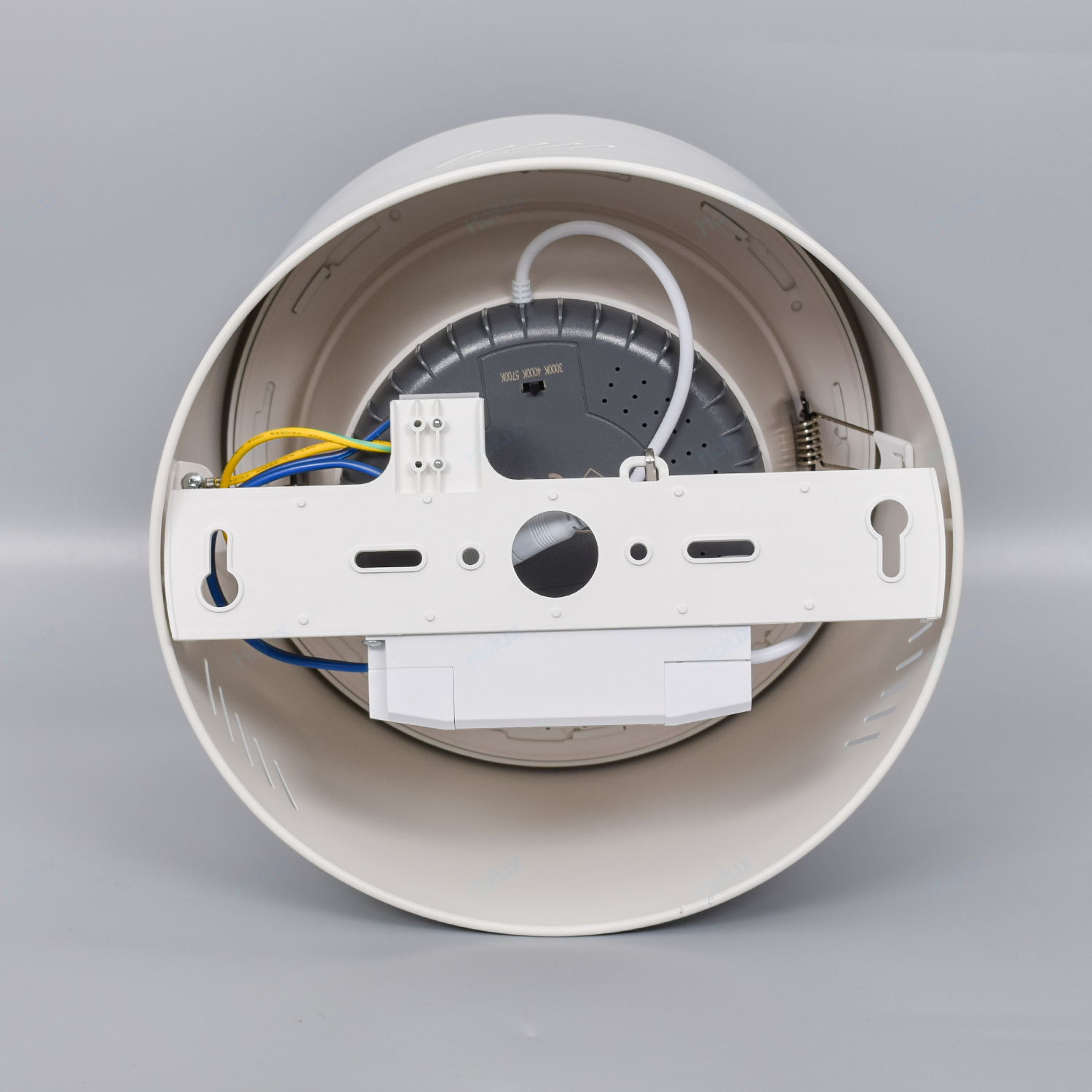
Commercial builders face mounting pressure to deliver projects that balance upfront construction costs with long-term operational efficiency. High-efficiency downlight systems have become a cornerstone technology in modern commercial construction, directly addressing this challenge by reducing energy consumption while maintaining superior light quality and performance. These systems represent far more than a simple lighting upgrade; they reflect a fundamental shift in how the construction industry approaches building sustainability and profitability.
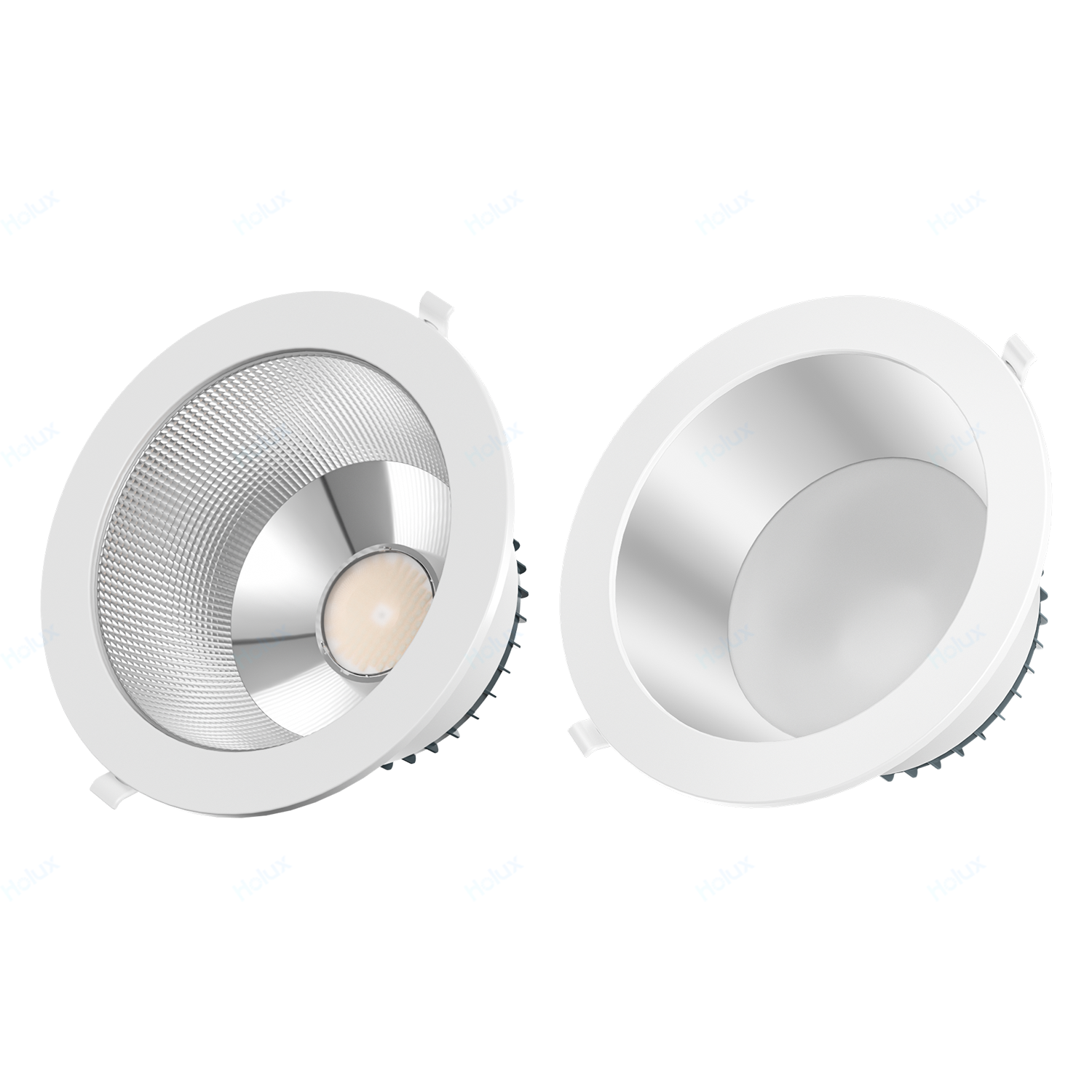
The preference for high-efficiency downlight systems among commercial builders is not accidental. It emerges from tangible operational advantages, measurable energy reductions, and increasingly strict building codes that mandate efficiency standards. Builders who specify high-efficiency downlight systems early in the design phase gain competitive advantage, meet regulatory requirements more easily, and deliver buildings that command premium lease rates and resale values. Understanding why commercial builders consistently choose high-efficiency downlight systems provides critical insight into modern construction best practices and investment priorities.
Energy Performance and Operating Cost Reduction
Direct Energy Consumption Savings
High-efficiency downlight systems consume significantly less electricity than traditional fluorescent or incandescent alternatives. A modern LED-based high-efficiency downlight system uses approximately 70 to 80 percent less energy than equivalent halogen fixtures, translating directly to reduced utility bills over the building's operational lifetime. Commercial facilities typically operate lighting systems 10 to 16 hours daily, making the cumulative energy savings substantial. When a building contains hundreds of downlights across multiple floors, the aggregate power draw reduction becomes a major line item in the facility's annual operating budget. This is precisely why commercial builders prioritize high-efficiency downlight systems during design and specification phases.
Extended Equipment Lifespan and Maintenance Efficiency
Traditional lighting solutions require frequent lamp replacements, often at significant labor cost in commercial settings where work must be scheduled during non-business hours. High-efficiency downlight systems, particularly those using advanced LED technology, operate for 50,000 to 100,000 hours or more before requiring replacement. This dramatically reduces maintenance cycles and associated labor expenses. For a commercial facility with hundreds of lighting fixtures, the difference between replacing lamps every two years versus every ten years represents tens of thousands of dollars in avoided labor and replacement costs. Builders specify high-efficiency downlight systems partly to reduce the total cost of building ownership, a metric increasingly important to institutional and corporate owners.
Regulatory Compliance and Code Adherence
Building Energy Performance Standards
Most modern building codes and energy standards now include specific requirements for lighting efficiency. Standards such as ASHRAE 90.1, Title 24 in California, and equivalent codes in many international jurisdictions mandate minimum efficiency levels for commercial lighting installations. High-efficiency downlight systems are designed from inception to exceed these thresholds, ensuring straightforward compliance during permit review and final inspection. Builders who select systems that barely meet minimum standards risk project delays, code reviews, or required system modifications late in construction. Conversely, specifying high-efficiency downlight systems provides a comfortable margin above regulatory minimums, reducing compliance risk and accelerating project approval timelines.
LEED and Sustainability Certification Benefits
Many commercial developers pursue LEED certification or equivalent sustainability credentials to increase property value and appeal to tenants. High-efficiency downlight systems contribute directly to lighting efficiency credits and overall energy performance scoring within these frameworks. Buildings featuring high-efficiency downlight systems achieve higher certification levels, qualify for potential tax incentives, and attract corporate tenants with sustainability mandates. Builders recognize that specifying high-efficiency downlight systems is a cost-effective strategy for achieving certification targets while simultaneously delivering the operational cost savings that justify higher construction budgets to ownership and financing partners.
Light Quality, Flexibility, and Performance Features
Superior Light Distribution and Uniformity
Modern high-efficiency downlight systems employ advanced optical engineering to deliver consistent, flicker-free light distribution across work surfaces. Unlike older fluorescent systems that degrade over time or incandescent fixtures with uneven beam patterns, high-efficiency downlight systems maintain consistent color rendering and lumen output throughout their operational life. Microprism diffusers and precision reflectors common in contemporary high-efficiency downlight systems eliminate hot spots and shadows, creating work environments with superior visual comfort. Commercial tenants directly experience and value this light quality, making it a selling point for leasing agents. Builders understand that high-efficiency downlight systems contribute to tenant satisfaction and retention, directly affecting a building's revenue potential.
Adaptability and Control Integration
High-efficiency downlight systems integrate seamlessly with modern building automation systems, occupancy sensors, and daylight harvesting controls. These systems can be dimmed, color-tuned, and scheduled with granular precision, enabling facility managers to optimize light levels for specific tasks and occupancy patterns. The ability to control high-efficiency downlight systems intelligently further reduces energy consumption beyond the baseline efficiency of the fixtures themselves. Builders appreciate this flexibility because it allows designs to adapt to tenants' evolving needs without requiring fixture replacement or rewiring. A high-efficiency downlight system specified today can serve multiple tenant configurations over its operational lifetime, increasing the building's adaptability and commercial value.
FAQ
What makes high-efficiency downlight systems superior to traditional lighting options?
High-efficiency downlight systems deliver 70 to 80 percent lower energy consumption compared to halogen or fluorescent alternatives, extended operational lifespans of 50,000 to 100,000 hours, superior light quality with consistent color rendering, and seamless integration with smart building controls. These combined advantages result in lower operational costs, reduced maintenance requirements, better visual environments, and simplified code compliance, making high-efficiency downlight systems the preferred choice for modern commercial construction.
Do high-efficiency downlight systems increase initial construction costs?
High-efficiency downlight systems typically carry a higher upfront purchase price per fixture compared to older technologies. However, when builders and owners calculate total cost of ownership over a building's 20 to 30 year operational life, the energy savings, maintenance reductions, and extended equipment life of high-efficiency downlight systems result in lower net costs. Many financing structures and building energy performance contracts also help offset the initial premium, making high-efficiency downlight systems a financially sound investment from project inception.
Are high-efficiency downlight systems compatible with existing building infrastructure?
High-efficiency downlight systems, particularly LED-based options, are designed to fit standard downlight openings and compatible with existing electrical wiring in many cases. During new construction, builders specify high-efficiency downlight systems from the design phase, ensuring optimal infrastructure compatibility. For retrofit applications, evaluation of existing wiring, voltage compatibility, and thermal management is recommended, but most modern high-efficiency downlight systems integrate with standard commercial building systems without requiring extensive modifications.