
 EN
EN
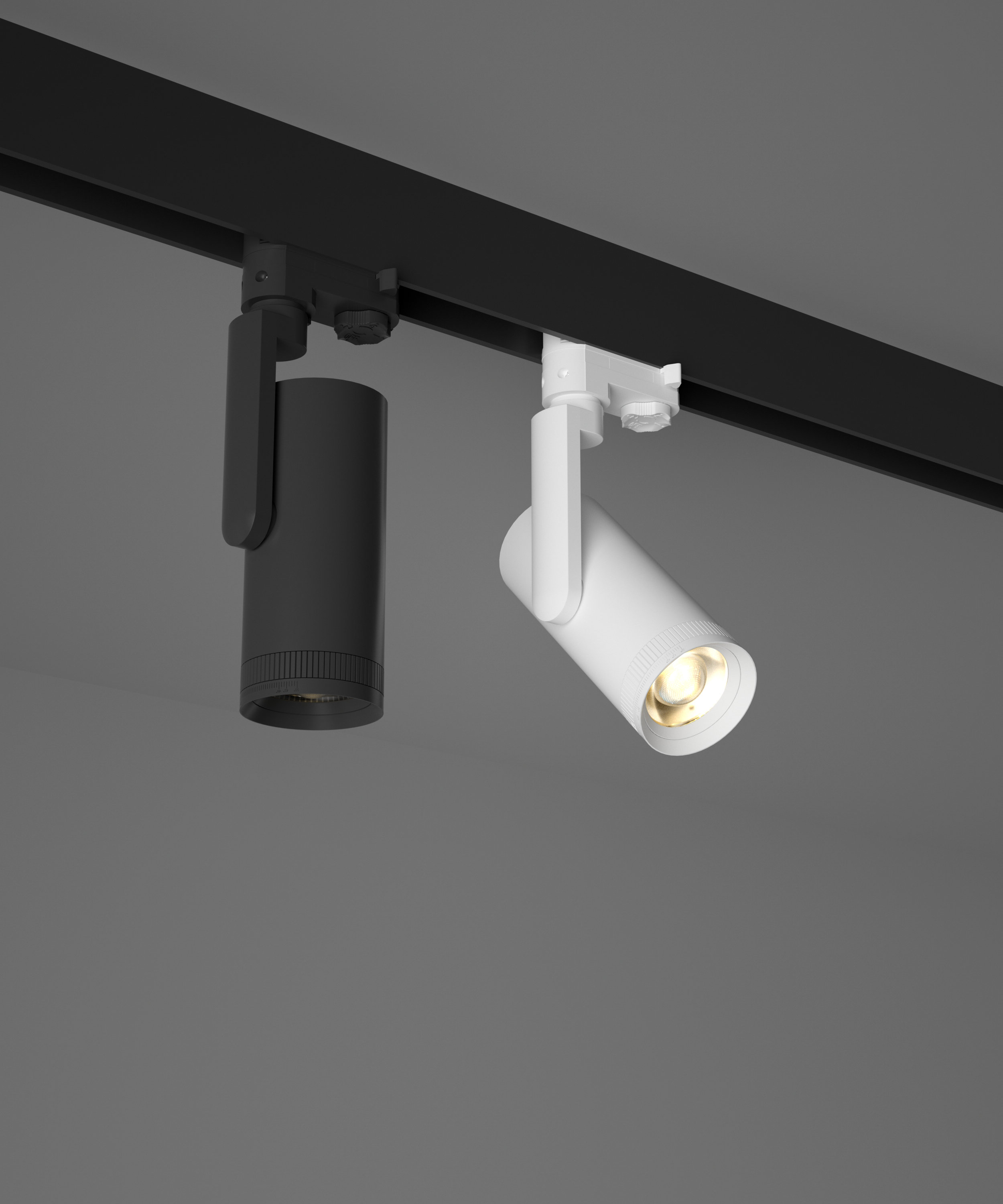
In commercial interiors, directing attention is just as important as illuminating a space. An LED track light is one of the most effective tools a designer or facility manager can use to control exactly where the eye travels. Unlike fixed ceiling fixtures, an LED track light can be repositioned, angled, and layered to create deliberate visual hierarchy across any commercial setting.
Understanding how an LED track light influences visual focus requires looking beyond brightness levels. The way an LED track light shapes, aims, and delivers light directly determines which surfaces, products, or architectural features draw the human eye. This article explores the mechanisms behind that influence and explains why the LED track light has become an essential component in professional commercial lighting design.
The Mechanics of Visual Focus in Commercial Lighting
How Contrast and Beam Angle Work Together
Visual focus is fundamentally driven by contrast. When one surface is significantly brighter than those surrounding it, the human eye naturally moves toward it. An LED track light delivers concentrated, directional light that creates exactly this kind of contrast. By selecting an LED track light with a narrow beam angle, a designer can spotlight a product display, a reception desk, or a key piece of artwork, making it stand out without disturbing the ambient environment. The LED track light becomes a tool for guiding subconscious attention rather than simply filling a room with light.
Beam angle selection in an LED track light matters enormously. A wider beam angle from an LED track light spreads illumination across a larger surface area, suitable for softly highlighting a broad merchandising wall. A tighter beam angle from an LED track light creates a more dramatic focus point, ideal for individual product highlights or signage. Understanding this relationship allows commercial designers to use each LED track light placement as a deliberate visual cue for customers and visitors.
Color Temperature and Its Role in Drawing Attention
The color temperature of an LED track light also shapes how visual focus is created. A cool white LED track light, typically in the 4000K to 6500K range, produces crisp, energetic light that makes surfaces appear vivid and sharp. This type of LED track light is commonly used in retail environments where product color accuracy and visual pop are critical. In contrast, a warm white LED track light in the 2700K to 3000K range creates a more intimate, inviting atmosphere, often used in hospitality settings to draw attention through warmth rather than intensity. Choosing the right color temperature for an LED track light ensures that visual focus aligns with the mood and purpose of the commercial space.
Flexibility and Positioning as Strategic Advantages
Adjustable Mounting for Precise Aiming
One of the defining strengths of an LED track light is its adjustability. Unlike a recessed downlight, an LED track light can be rotated horizontally and tilted vertically, allowing precise aiming at any target within a space. This flexibility means an LED track light can be redirected whenever a retail layout changes, a display is refreshed, or a new focal point needs to be emphasized. The ability to reposition an LED track light without rewiring makes it a practical long-term investment for commercial interiors that evolve over time.
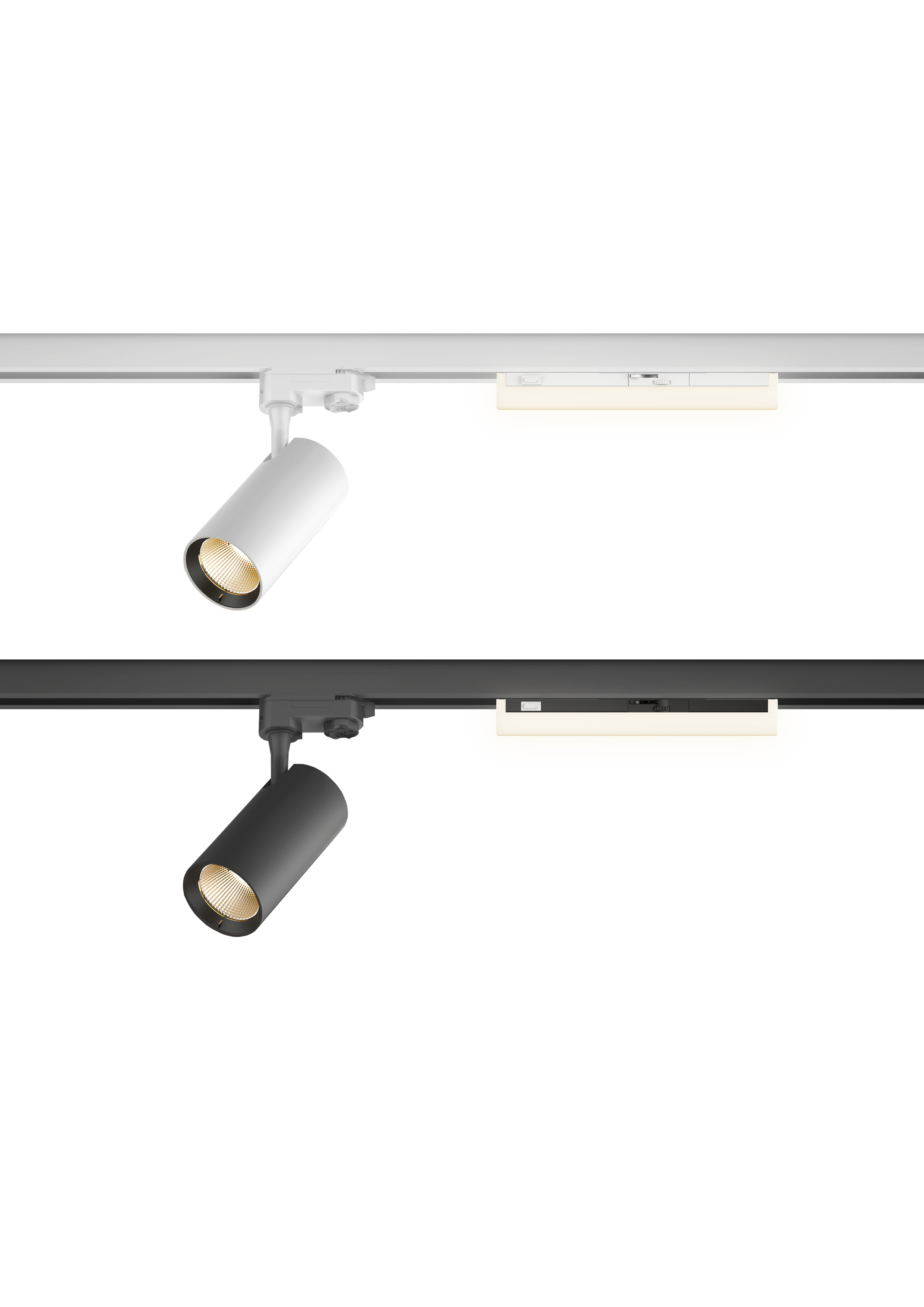
The track system itself adds another dimension of adaptability. Multiple LED track light units can be added, removed, or repositioned along the same track rail, enabling a layered lighting strategy across an entire ceiling plane. A single track can support several LED track light fixtures, each aimed at a different area, creating a comprehensive visual focus map that guides customers through a retail journey or draws visitors through a corporate lobby. This multi-point precision is something few other lighting formats can match, making the LED track light uniquely suited for complex commercial interiors.
Layering LED Track Light with Ambient Lighting
Effective commercial lighting rarely relies on a single source. Pairing an LED track light with lower-level ambient lighting creates a strong luminance ratio that amplifies visual focus. When the ambient light level in a room is kept moderate and an LED track light is used to deliver accent illumination, the objects or areas lit by the LED track light appear to 'pop' visually. This layering technique is widely used in galleries, boutiques, and showrooms where the LED track light serves as the visual storytelling instrument while ambient light provides comfortable background illumination.
Commercial Applications Where LED Track Light Excels
Retail and Merchandise Highlighting
In retail environments, an LED track light is perhaps the most powerful tool for guiding purchasing decisions. By positioning an LED track light directly above key merchandise, retailers create luminance hotspots that attract shoppers instinctively. An LED track light with high color rendering index output ensures that products look accurate and appealing, which is critical for fashion, cosmetics, and specialty goods. Stores that invest in well-placed LED track light installations consistently report improved product visibility and a more professional shopping atmosphere. The LED track light essentially becomes a silent salesperson, directing attention before a customer consciously decides where to look.
Corporate and Hospitality Settings
Beyond retail, an LED track light is equally valuable in corporate offices, hotels, and restaurants. In a hotel lobby, an LED track light can highlight a feature wall, a floral arrangement, or a reception counter, immediately establishing the brand identity through light. In a restaurant, an LED track light positioned above tables creates an intimate dining experience by separating each table visually from the broader room. Corporate offices use an LED track light to draw attention to presentation areas, branding elements, or collaborative zones, reinforcing spatial hierarchy without construction changes. The LED track light adapts to each environment's unique visual communication needs.
FAQ
What beam angle should I choose for an LED track light in a retail store?
For individual product spotlighting, an LED track light with a beam angle between 15 and 25 degrees delivers the most focused highlight. For broader merchandise walls, an LED track light with a 36 to 45 degree beam angle provides even coverage while still creating contrast against surrounding areas.
How many LED track light fixtures are needed per meter of track?
The number of LED track light units per meter depends on the wattage and beam angle of each LED track light. For accent lighting purposes, one LED track light every 0.8 to 1.2 meters is a common starting point, but the final layout should always be validated against a lighting calculation to ensure adequate illuminance levels.
Can an LED track light work effectively in high-ceiling commercial spaces?
Yes, an LED track light designed for high-ceiling applications typically uses higher wattage output and a narrower beam angle to compensate for the increased mounting height. Selecting an LED track light with appropriate lumen output for the ceiling height ensures that visual focus is maintained effectively even in large-volume commercial interiors.