
 EN
EN
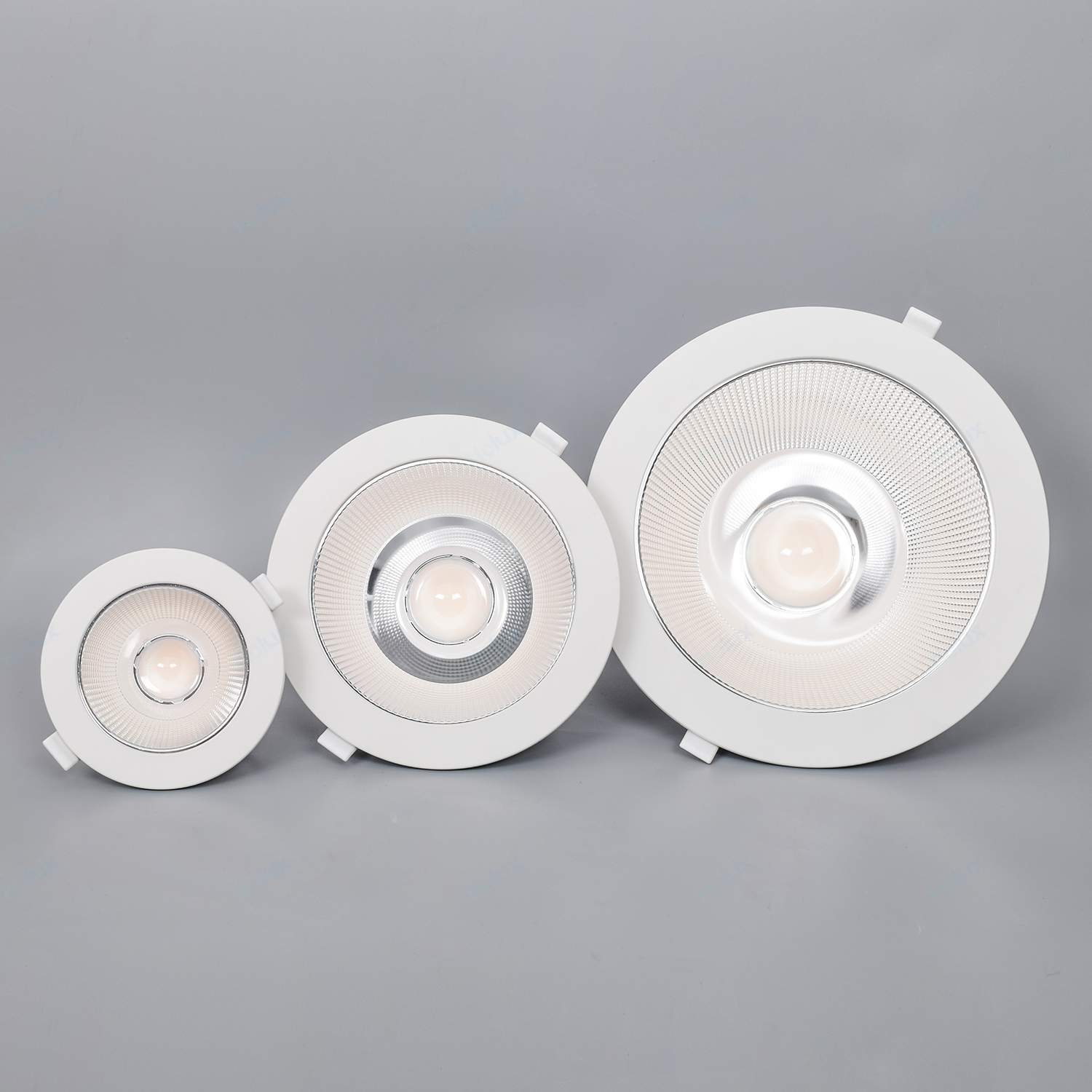
Achieving a well-balanced interior lighting scheme is one of the most important yet often overlooked aspects of architectural and interior design. Among all the lighting tools available, the down light stands out as a highly versatile and effective solution for creating even, layered illumination across both residential and commercial spaces. When placed thoughtfully, a down light can eliminate harsh shadows, reduce glare, and bring a sense of visual harmony to any room. Understanding the relationship between down light positioning and lighting balance is the first step toward designing spaces that feel both functional and aesthetically refined.
Many designers and facility managers underestimate how much a down light layout influences the overall perception of a space. A poorly planned layout leads to uneven illumination, bright hotspots, and dark corners that make interiors feel uncomfortable or poorly finished. In contrast, a carefully considered down light arrangement creates a consistent wash of light across work surfaces, floors, and vertical walls, all of which contribute to a space that feels open, inviting, and professionally lit. This article explores how proper down light layout decisions directly improve lighting balance and what principles should guide those decisions.
The Fundamentals of Lighting Balance and How Down Lights Contribute
Defining Lighting Balance in Interior Spaces
Lighting balance refers to the even distribution of luminous intensity across a defined area, ensuring that no single zone is excessively bright or noticeably darker than its surroundings. A balanced lighting scheme supports visual comfort, reduces eye strain, and reinforces the architectural intent of a space. It is not simply about placing enough fixtures to achieve adequate lux levels, but about managing the ratio between illuminated and shadowed areas so the human eye can move naturally through a room without fatigue.
When light sources are concentrated in one area and absent in others, the visual contrast becomes distracting rather than purposeful. This is a common problem in spaces where lighting planning was treated as an afterthought. Proper down light placement addresses this directly by distributing light output systematically across the ceiling plane, projecting illumination downward in controlled beam angles that overlap subtly to eliminate dark zones between fixtures.
A well-designed down light also contributes to the layering of light, working alongside accent and ambient sources to build depth and dimension. Rather than relying on a single central pendant or surface fixture, a grid or pattern of down lights delivers a base layer of ambient illumination that is far more consistent and controllable.
Why the Down Light Is Central to Ambient Illumination
The down light is uniquely suited to ambient lighting roles because it is recessed or semi-recessed into the ceiling, making it nearly invisible when not in use and unobtrusive even when active. This allows light to appear to emanate from the ceiling itself, which creates a clean, modern aesthetic while keeping the focus on the space rather than the fixture. The result is a base illumination layer that feels natural and fills the room without drawing attention to any single light source.
Unlike surface-mounted or suspended fixtures, a down light casts its beam in a defined cone pattern, which makes its contribution to the overall light field highly predictable. Designers can calculate overlap zones, average lux levels, and uniformity ratios with considerable precision when working with down light specifications. This predictability is what makes proper layout planning so effective, as each fixture's contribution can be modeled in advance and adjusted before installation.
In commercial environments such as offices, retail floors, and hospitality spaces, the down light is the workhorse of the ceiling plane. Its ability to deliver consistent color rendering, controlled beam spread, and dimmable output makes it adaptable to a wide range of functions within a single space.Our down lights are ENEC certified and deliver up to 160 lm/W. Both power and colour temperature are field‑adjustable, so brightness and CCT can be tuned on site as needs change.
Key Layout Principles That Determine Lighting Balance
Grid Spacing and Uniform Coverage
One of the most fundamental principles of down light layout planning is determining the correct spacing between fixtures to achieve uniform floor illumination. As a general rule, the spacing between each down light should not exceed the mounting height of the ceiling. For a standard ceiling height of 2.7 to 3 meters, fixtures spaced no more than 2.7 meters apart will typically provide good overlap between adjacent beam patterns. This overlap is what fills in the darker zones between cones and creates the even wash that characterizes a balanced lighting scheme.
Grid-based layouts are the most common approach in commercial applications because they ensure mathematical consistency across large areas. By aligning each down light in both the x and y axes of the floor plan, designers can guarantee that no area falls outside the illuminated zones. Adjustments can then be made at the perimeter to compensate for wall proximity, where a down light placed too close to a wall may produce an undesirable scalloping effect rather than a smooth vertical wash.
In residential spaces, the grid approach is often softened by furniture placement considerations. A down light should ideally be positioned above primary activity zones such as kitchen countertops, dining surfaces, reading areas, and circulation paths rather than simply filling the ceiling with an abstract pattern. This ensures that the light is delivered where it is functionally needed while still maintaining spatial balance.
Beam Angle Selection and Its Effect on Spread
The beam angle of a down light is one of the most influential variables in a lighting layout. A narrow beam angle of around 24 degrees concentrates light intensity in a tight cone, making it suitable for accent lighting or highlighting specific objects. A wide beam angle of 60 degrees or more distributes light across a much broader area but at lower peak intensity. For general ambient applications where balance is the goal, a medium beam angle of 36 to 45 degrees is usually the most practical choice.
Selecting the wrong beam angle for a given ceiling height and fixture spacing can cause both hotspots and dark zones simultaneously. If narrow-beam down lights are spaced too far apart, the cones do not overlap sufficiently, leaving dim corridors between lit areas. If wide-beam fixtures are used in a low-ceiling space with close spacing, the light may wash out wall details and reduce the sense of depth. Matching beam angle to spatial geometry is therefore as important as fixture quantity when planning a down light layout.
It is also worth noting that diffuser technology within the down light itself can significantly influence how beam edges behave. A microprism diffuser, for example, softens the cut-off at the edge of the beam cone, reducing the visible transition between illuminated and less-illuminated areas. This smoothing effect contributes directly to perceived lighting balance even when fixture spacing is not perfectly optimized.
Room-Specific Layout Strategies for Improved Balance
Lighting Balance in Open-Plan and Commercial Spaces
Open-plan offices, retail floors, and hospitality lobbies present some of the most demanding lighting balance challenges because they contain multiple activity zones with different illumination requirements within a single continuous space. A well-executed down light layout in these environments must account for workstation clusters, circulation corridors, reception areas, and display zones simultaneously, each of which may require a different lux level while still contributing to a coherent overall impression.
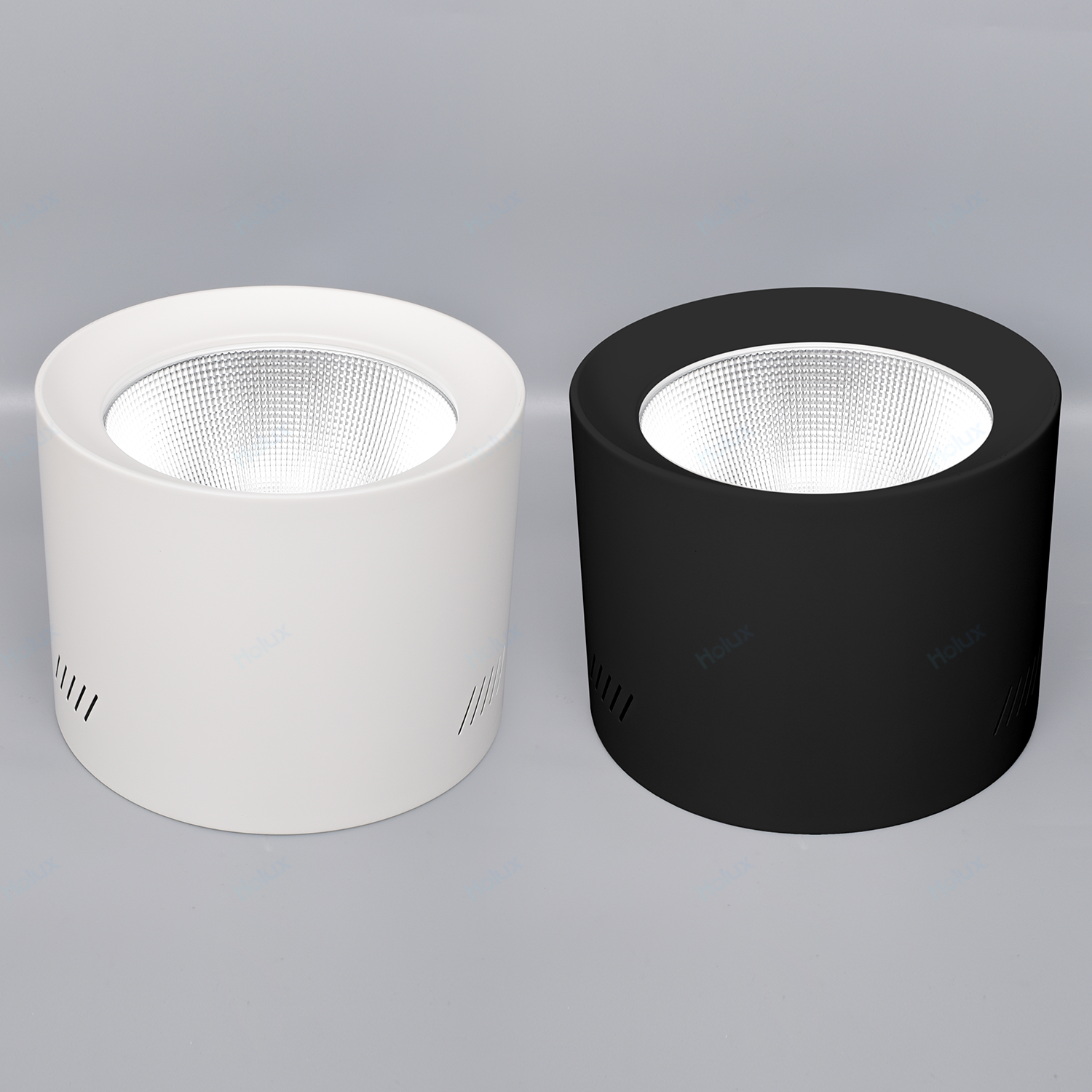
The standard approach in open commercial spaces is to establish a uniform base layer of ambient down light coverage across the entire floor plate, then supplement with task or accent fixtures in zones that require higher intensity. The base down light grid ensures that no area of the floor falls below minimum illumination standards, which is important for both safety compliance and visual comfort. Zone-specific additions then build on this base without disrupting the overall balance.
Ceiling zoning is another useful technique in large commercial spaces. By grouping down light circuits into controllable zones that correspond to different areas of the floor plan, facility managers can raise or lower illumination in specific sections independently. This allows the overall balance to be maintained even as occupancy patterns change throughout the day, which is particularly valuable in offices with flexible or hot-desk arrangements.
Achieving Balance in Residential and Hospitality Interiors
In residential interiors, lighting balance serves both functional and emotional purposes. A well-lit kitchen requires high, even illumination for food preparation safety, while a living room benefits from softer, more layered lighting that creates comfort and ambiance. The down light layout must therefore be tailored to each room's primary purpose rather than applied uniformly throughout the home. In the kitchen, fixtures above countertops and the island ensure task-level performance. In the living area, down lights placed along the perimeter walls and above seating zones create a gentle balance without overpowering the room.
Hospitality environments such as hotel lobbies, restaurant dining rooms, and spa reception areas rely heavily on lighting balance to reinforce brand atmosphere. A down light with good color rendering, typically a CRI of 90 or above, ensures that skin tones, textiles, and materials appear accurate and attractive. Even distribution prevents any guest from sitting in an uncomfortably bright or noticeably dim spot, which is critical for the perceived quality of the experience.
In both residential and hospitality contexts, dimmability is a key feature to look for in a down light. The ability to reduce output during evening hours or special events allows the same fixture layout to serve multiple mood settings without requiring physical reconfiguration. This flexibility is what makes a properly planned down light layout a long-term investment rather than a fixed, single-purpose installation.
Technical Considerations That Affect Layout Outcome
Lumen Output and Fixture Density
The lumen output of each down light directly determines how many fixtures are needed to achieve a target illuminance level. A higher-output fixture can cover a larger floor area from the same ceiling height, which means fewer units are needed to balance the space. However, simply reducing fixture count to save cost can lead to uneven coverage if the remaining fixtures are not repositioned to compensate. The relationship between lumen output and fixture density must always be considered together in layout planning.
For a standard office requiring around 500 lux at desk height, a down light producing 3500 lumens at a 36-degree beam angle from a 3-meter ceiling can typically cover a roughly 3-square-meter floor zone adequately. Accurate spacing calculations based on these parameters, sometimes called the 'lux calculation' method, are the foundation of any professional lighting layout. Ignoring this step and relying on rough estimates is a common cause of imbalanced outcomes.
It is also important to account for light loss factors over the fixture's service life. Lumen depreciation, lens soiling, and reflector degradation all reduce effective output over time. A well-designed down light with a high lumen maintenance rating ensures that the balance achieved at installation is preserved throughout the product's operational lifespan, reducing the need for re-layouts or supplemental fixture additions.These down lights are available with IP65 or IP54 ratings, making them suitable for damp or dusty environments. Both recessed and surface‑mounted versions are offered.
Color Temperature and Visual Consistency
Color temperature consistency across all fixtures in a down light layout is essential for achieving a visually unified interior. When fixtures from the same layout emit slightly different color temperatures due to manufacturing tolerances or mixed product batches, the ceiling plane appears uneven even if the lux distribution is mathematically correct. This visual inconsistency undermines the perception of balance regardless of how carefully the physical spacing was planned.
Specifying down lights with selectable or tunable color temperature, often described as CCT-switchable, gives designers and users the ability to adapt the light character to different times of day or seasonal conditions. A cooler color temperature of around 5000K is generally preferred for task-intensive daytime use, while a warmer tone of 2700 to 3000K supports relaxation in residential or hospitality settings after dark. Having this flexibility built into the down light itself means the layout does not need to be restructured when the lighting requirement changes.
High-quality down lights also maintain consistent color temperature across their dimming range, which is not always the case with lower-specification products. Color shift during dimming, where the light appears progressively yellowish as output is reduced, can disrupt the visual balance of a room even when the spatial distribution remains adequate. Specifying fixtures with verified color stability across the full dimming range is therefore an important quality criterion in layout planning. For European projects, fast shipping from a German warehouse and a local warranty are included, ensuring quick support and minimal downtime.
FAQ
How many down lights do I need to achieve good lighting balance in a standard room?
The number of down light fixtures needed depends on the room dimensions, ceiling height, target lux level, and the lumen output of each fixture. As a starting point, divide the total room area by the effective coverage area of a single down light at the specified mounting height, then verify the result against a lux calculation. For a typical residential room of around 20 square meters with a 2.7-meter ceiling, six to eight down lights of moderate output are usually sufficient to achieve even, balanced illumination without over-lighting the space.
Does the position of a down light relative to walls affect lighting balance?
Yes, wall proximity is one of the most common causes of imbalance in a down light layout. Fixtures placed too close to a wall, typically less than 500mm, tend to create a scalloping or hotspot effect on the wall surface rather than delivering useful floor illumination. The general recommendation is to position perimeter down lights at a distance from the wall equal to roughly half the spacing used for the main grid. This ensures that wall zones receive adequate light without the visual distraction of uneven wall wash patterns.
What beam angle is best for achieving uniform lighting balance across a large open area?
For large open areas with standard commercial ceiling heights of 2.7 to 3.5 meters, a down light with a beam angle of 36 to 45 degrees typically delivers the best balance between coverage area and intensity. This range provides enough spread to allow adjacent fixtures to overlap their beam footprints while maintaining sufficient intensity at floor level. For higher ceilings above 4 meters, a slightly narrower beam of around 30 degrees may be more appropriate to preserve adequate lux levels at floor height without requiring excessive fixture density.
Can a down light layout be retrofitted to improve balance in an existing space?
Yes, improving lighting balance in an existing installation is achievable without a full ceiling overhaul in many cases. If the existing down light grid has adequate fixture points but is producing uneven results, switching to fixtures with a wider beam angle or a microprism diffuser can significantly soften the light distribution and fill in dark zones. If the spacing is fundamentally inadequate, adding supplemental fixtures at strategic midpoints between existing units is another practical option. In both cases, ensuring that all fixtures in the updated layout share the same color temperature and dimming characteristics is essential for achieving a visually cohesive result.
What certifications, efficiency, and protection ratings do these down lights offer?
They are ENEC certified, achieve up to 160 lm/w, and feature adjustable power and colour temperature for on‑site tuning. IP65/IP54 versions are available, along with both recessed and surface‑mount options. Delivery is fast from a German warehouse and comes with a local warranty.
Table of Contents
- The Fundamentals of Lighting Balance and How Down Lights Contribute
- Key Layout Principles That Determine Lighting Balance
- Room-Specific Layout Strategies for Improved Balance
- Technical Considerations That Affect Layout Outcome
-
FAQ
- How many down lights do I need to achieve good lighting balance in a standard room?
- Does the position of a down light relative to walls affect lighting balance?
- What beam angle is best for achieving uniform lighting balance across a large open area?
- Can a down light layout be retrofitted to improve balance in an existing space?
- What certifications, efficiency, and protection ratings do these down lights offer?