
 EN
EN
Modern architectural and interior design demands lighting solutions that adapt to diverse spatial configurations and aesthetic requirements. LED linear light has emerged as a cornerstone technology enabling designers and architects to create flexible lighting layouts that respond to contemporary building standards and creative visions. Unlike traditional point-source lighting, LED linear light distributes illumination continuously along a linear path, offering unprecedented control over light distribution, intensity, and color temperature.
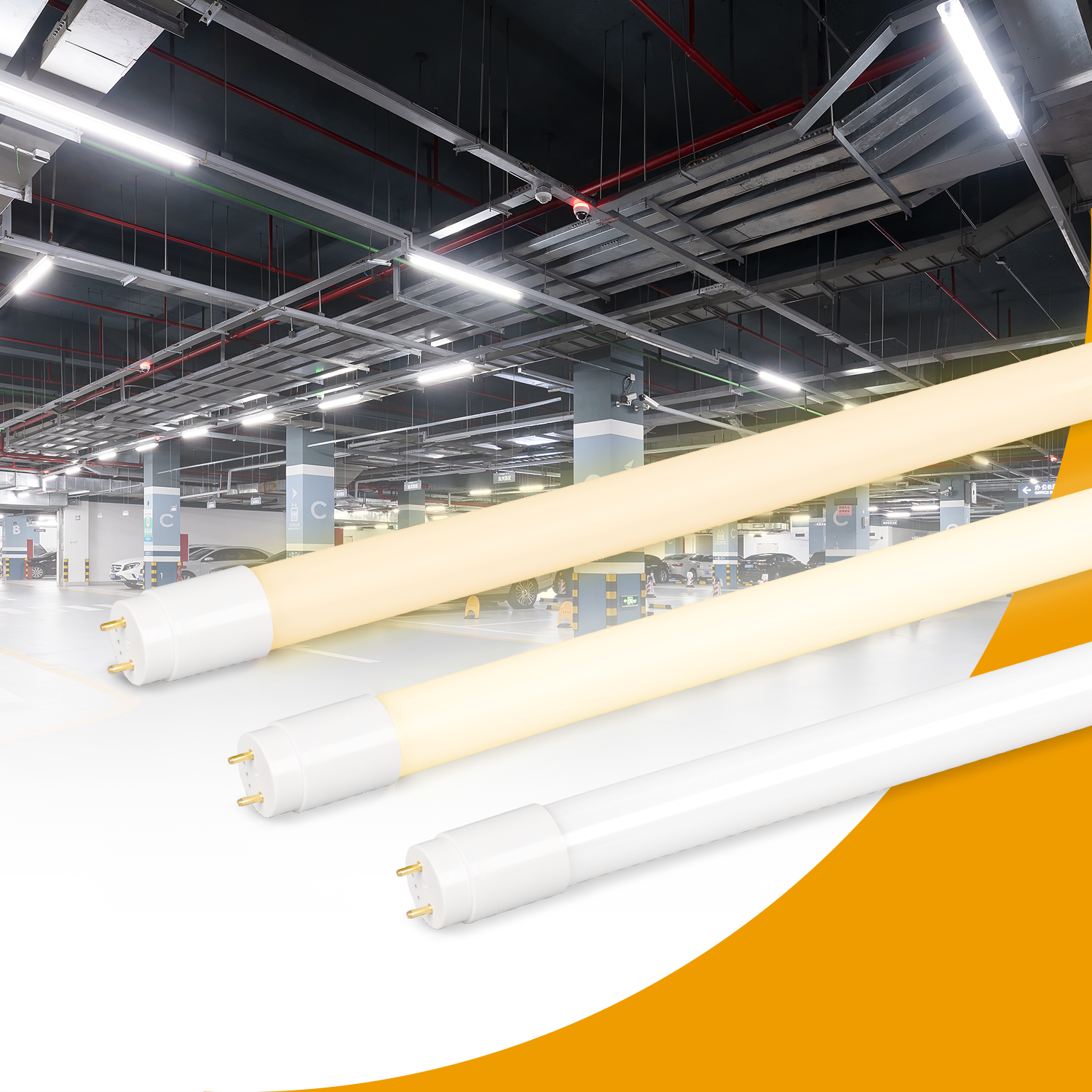
The versatility of LED linear light extends beyond simple illumination; it fundamentally reshapes how spaces can be organized, perceived, and experienced. By integrating LED linear light into modern design frameworks, architects and designers can achieve dynamic visual effects, improve spatial functionality, and support sustainable building goals simultaneously. Understanding how LED linear light supports flexible lighting layouts requires examining its technical capabilities, design integration methods, and practical applications across diverse project types.
Understanding LED Linear Light Technology and Design Flexibility
Core Advantages of LED Linear Light in Contemporary Layouts
LED linear light installations provide continuous illumination that eliminates shadows and harsh transitions characteristic of traditional downlighting. The linear format allows LED linear light to follow architectural edges, accent focal points, and create visual continuity across large open spaces. Modern design increasingly demands layered lighting that combines task, ambient, and accent functions—LED linear light excels at delivering all three simultaneously through dimming controls and color temperature adjustment capabilities.
Design flexibility is built into the physical structure of LED linear light systems. Unlike fixed fixtures, LED linear light can be mounted on ceilings, walls, or within architectural elements like cove spaces, soffits, and suspended ceiling grids. This adaptability means LED linear light configurations can evolve as spatial needs change, making it ideal for open-plan offices, retail environments, and residential areas that demand reconfigurable layouts.
Integration with Modern Architectural Elements
Contemporary buildings feature exposed concrete ceilings, minimalist frameworks, and open structural elements that demand equally refined lighting solutions. LED linear light integrates seamlessly into these modern architectural styles by following linear architectural lines and creating visual harmony rather than competing with the design aesthetic. When positioned strategically, LED linear light becomes an architectural element itself, enhancing rather than obscuring the building's design intent.
The compact profile of LED linear light allows it to fit into architectural details that traditional lighting cannot accommodate. This dimensional flexibility means LED linear light can be recessed into suspended ceiling systems, integrated into partition walls, or mounted along beam edges without disrupting the overall visual composition. Designers working with LED linear light gain the ability to transform spaces without major structural modifications.
Practical Applications of LED Linear Light in Flexible Layout Design
Office and Commercial Environments
Open-plan office design requires lighting that adapts to changing furniture configurations and work patterns throughout the day. LED linear light addresses this challenge by providing uniform illumination that maintains consistent light levels regardless of furniture placement. Because LED linear light distributes light continuously rather than from discrete points, employees experience reduced glare, improved color rendering, and better visual comfort across the entire workspace.
In commercial retail settings, LED linear light enables dynamic product display lighting that can be adjusted as merchandise arrangements change. The directional control possible with modern LED linear light systems allows retailers to highlight specific product zones while maintaining adequate ambient light for overall store navigation. This flexibility makes LED linear light particularly valuable in fashion retail, electronics showrooms, and hospitality venues where visual merchandising is critical.
Residential and Hospitality Design Solutions
Residential interiors benefit from LED linear light's ability to create mood and ambiance while supporting practical task lighting needs. In kitchens, LED linear light can illuminate countertops without creating shadows, while simultaneously providing accent lighting along upper cabinetry. Bedrooms and living areas leverage LED linear light for indirect ambient illumination that can be dimmed to support relaxation and social interaction.
Hospitality designers use LED linear light to create distinctive spatial experiences that differentiate properties and enhance guest perception. Hotel lobbies, corridors, and guest rooms benefit from the even light distribution and design flexibility that LED linear light provides. Because LED linear light systems support color temperature control and dimming, hospitality environments can adjust lighting atmospheres throughout the day to support guest comfort and operational efficiency.
Design Implementation Strategies for LED Linear Light Systems
Planning and Layout Considerations
Successful LED linear light implementation begins during the design phase, before construction commences. Architects and lighting designers must analyze spatial dimensions, natural light availability, and programmatic uses to determine optimal LED linear light positioning. The linear nature of LED linear light means careful planning of orientation and spacing is essential to avoid under-lighting or over-illumination in specific zones.
Modern design software enables visualization of LED linear light layouts before installation, allowing designers to test different configurations and predict light distribution patterns. This planning capability ensures that LED linear light systems deliver intended aesthetic and functional outcomes. Designers also consider how LED linear light will interact with variable control systems, allowing occupants to adjust brightness and color temperature based on time of day and activity type.
Control Systems and Smart Integration
LED linear light effectiveness depends significantly on integrated control systems that enable flexibility and user adaptation. Smart controls connected to LED linear light installations allow centralized management of lighting scenes, scheduling, and responsive operation based on occupancy or daylight sensors. This technological integration transforms LED linear light from static installations into dynamic systems that continuously optimize for energy efficiency and user experience.
Future-ready buildings increasingly integrate LED linear light into building management systems that coordinate with HVAC, security, and other building functions. This holistic approach maximizes the value of LED linear light investments while supporting broader sustainability and operational goals. Control flexibility ensures that LED linear light responds to changing spatial uses and evolving occupancy patterns without requiring physical modifications.
FAQ
What makes LED linear light different from traditional fluorescent linear fixtures?
LED linear light delivers superior energy efficiency, longer operational lifespan, better color rendering, and enhanced dimming capabilities compared to fluorescent systems. LED linear light also generates less heat, enabling closer proximity to sensitive materials or reduced cooling demands in climate-controlled spaces. The directional nature of LED linear light provides greater control over light distribution, allowing designers to create more sophisticated lighting effects impossible with fluorescent technology.
Can LED linear light be retrofitted into existing spaces with traditional lighting systems?
Yes, LED linear light retrofitting is feasible in many existing buildings, though complexity depends on electrical infrastructure and ceiling conditions. Spaces with suspended ceiling systems typically accommodate LED linear light installation more easily than those with structural ceilings. Professional assessment determines whether existing electrical systems can support LED linear light control requirements, and whether structural modifications are necessary for optimal positioning and performance.
How does LED linear light contribute to sustainable building design goals?
LED linear light systems consume 50–75% less energy than traditional linear fluorescent fixtures while delivering superior light quality and longer operational life. This energy reduction directly supports LEED certification requirements and corporate sustainability commitments. Additionally, LED linear light eliminates mercury and other hazardous substances, reducing environmental impact during manufacturing and end-of-life disposal, while dimming controls enable occupancy-responsive operation that further optimizes energy consumption.