
 EN
EN
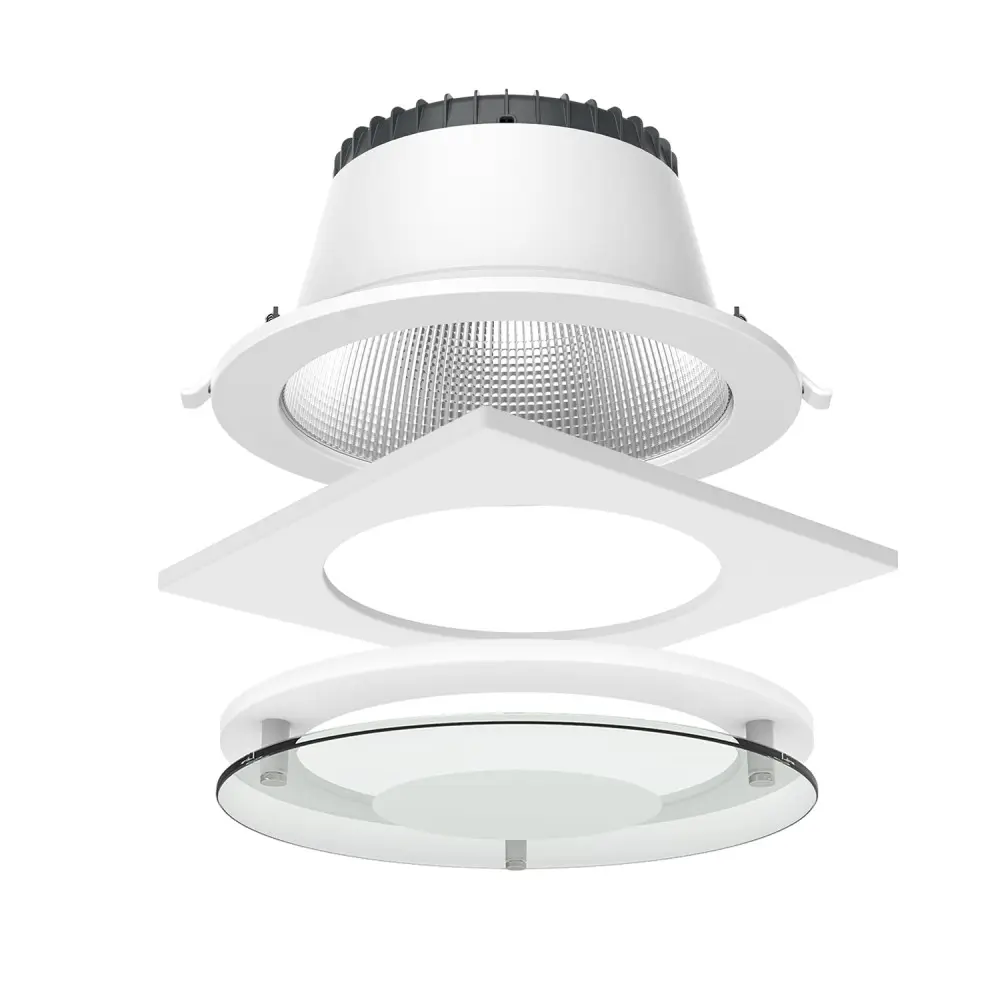
Modern commercial spaces demand lighting that balances aesthetic appeal, operational efficiency, and long-term cost savings. The downlight has emerged as the preferred choice across offices, hotels, and retail environments for compelling practical and financial reasons. A downlight provides focused illumination from ceiling-mounted fixtures, creating clean sightlines and professional ambiance while delivering measurable energy and maintenance benefits that traditional lighting cannot match.
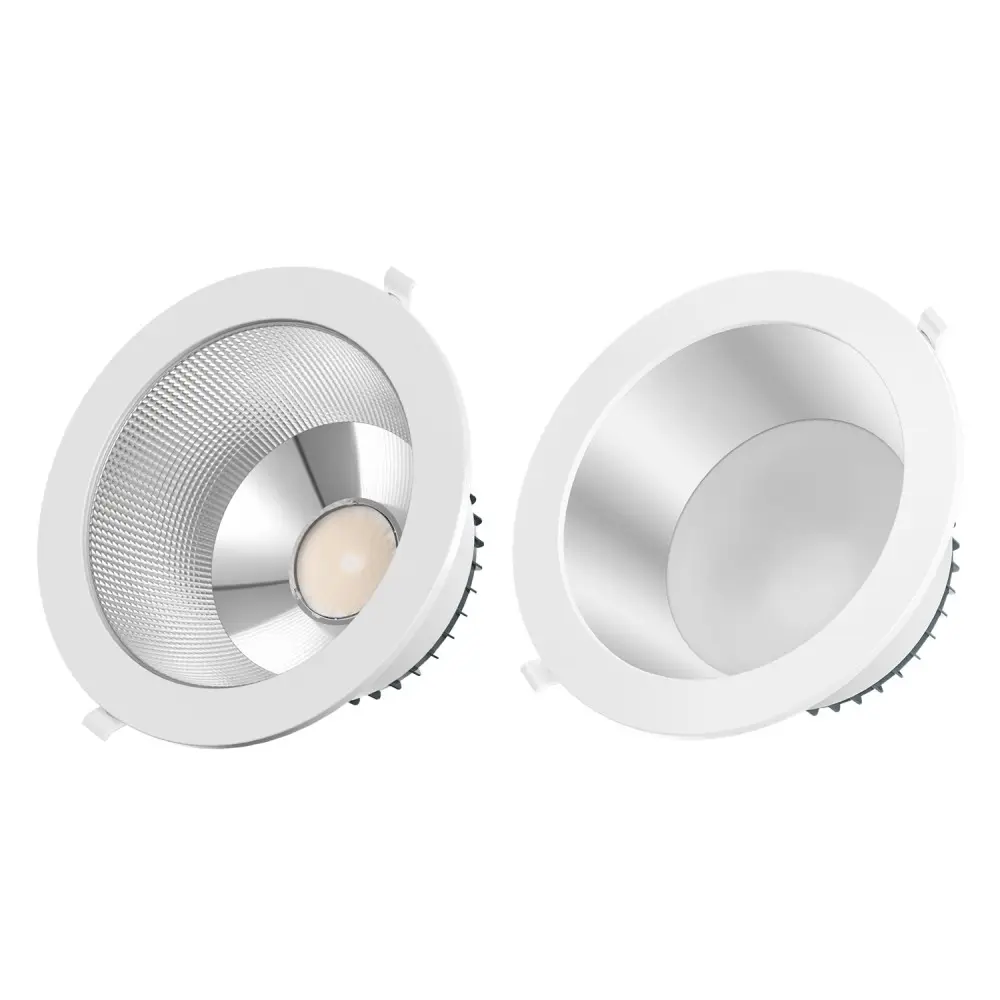
The rapid adoption of downlight technology reflects a fundamental shift in how commercial property managers and designers approach lighting strategy. A downlight installation eliminates visible fixtures and wiring clutter, delivering a seamless ceiling appearance that elevates interior design quality. Beyond aesthetics, the downlight's directional beam control, dimming compatibility, and tunable color temperature options enable businesses to create dynamic spaces that adapt to different times of day and operational needs, improving occupant comfort and productivity throughout the day.
Energy Efficiency and Operating Cost Reduction
Superior Performance Compared to Conventional Lighting
LED downlight fixtures consume 70 to 80 percent less energy than incandescent or halogen equivalents, directly reducing facility electricity consumption. A downlight with LED technology converts a higher percentage of input power into usable light rather than waste heat, which is why commercial properties see measurable reductions on utility bills within the first year of installation. When an office or retail space operates multiple downlight fixtures across thousands of square feet, the cumulative energy savings become substantial enough to justify retrofitting entire buildings.
Operating costs extend beyond electricity consumption to include maintenance labor and replacement frequency. A traditional downlight may require lamp replacement every 1000 to 2000 hours of operation, whereas an LED downlight typically delivers 25,000 to 50,000 hours or more before replacement becomes necessary. This extended lifespan reduces service calls, inventory requirements, and associated labor costs, making the downlight an economically logical choice for facility managers responsible for large building portfolios.
Alignment with Corporate Sustainability Goals
Corporations and hospitality brands increasingly commit to sustainability targets that directly influence facility decisions. Installing a downlight solution supports these commitments by reducing carbon footprint associated with energy consumption and manufacturing waste from frequent lamp replacements. A downlight retrofit often qualifies for utility rebates, tax incentives, or green building certification credits, providing additional financial justification beyond simple operational savings.
Design Flexibility and Aesthetic Integration
Seamless Architectural Integration
The downlight's recessed mounting approach allows architects and designers to create clean, minimalist ceiling designs that enhance spatial perception and visual appeal. Unlike bulky suspended fixtures, a downlight disappears into the ceiling plane, maintaining unobstructed sightlines and allowing accent colors, exposed structural elements, or architectural details to remain the visual focus. Hotels particularly favor the downlight for guest rooms and common areas because the fixture supports luxury aesthetics while delivering functional illumination.
Retail environments benefit tremendously from downlight placement because the fixture's directional beam can highlight merchandise displays, create depth through layered lighting, and guide customer movement through the store. A downlight positioned strategically over product zones creates visual interest and draws attention to high-margin items without the industrial appearance of track lighting or pendant systems.
Adaptive Lighting for Varied Commercial Needs
Modern downlight offerings include tunable color temperature options that shift from warm 2700K tones during evening hours to cooler 4000K or 5000K tones during daytime operations. This adaptive downlight capability aligns lighting conditions with natural daylight cycles, supporting circadian rhythm alignment for office workers and improving visual comfort during task-intensive work. Hotels use tunable downlight systems to adjust ambiance in guest rooms, restaurants, and lobbies, creating distinct atmospheres that enhance guest experience and perceived value.
Dimming-compatible downlight fixtures enable facility managers to modulate light levels based on occupancy sensors, time-of-day schedules, or manual controls. Conference rooms equipped with downlight systems allow presenters to optimize screen visibility by adjusting illumination, while offices adjust downlight intensity to reduce glare and eye strain during computer-focused work. This flexibility makes the downlight solution adaptable across diverse commercial activities within a single facility.
Performance, Reliability, and Total Cost of Ownership
Consistent Light Quality and System Longevity
LED downlight technology delivers stable, flicker-free illumination that maintains color consistency throughout the fixture's operational lifespan. Unlike traditional lamps that gradually dim before failure, a quality downlight maintains 90 percent of initial brightness for the majority of its life, ensuring predictable lighting conditions year after year. This reliability is critical in retail environments where consistent merchandise appearance drives purchasing decisions and in offices where fluctuating light levels cause occupant discomfort.
The downlight's solid-state construction eliminates moving parts and fragile filaments, making the fixture resistant to vibration, thermal stress, and mechanical failure common in traditional lamp-based systems. Commercial facilities in high-traffic areas or environments with vibration from mechanical equipment benefit from downlight robustness that reduces unexpected outages and maintenance emergencies.
Return on Investment and Financial Justification
A comprehensive downlight retrofit typically achieves return on investment within 2 to 4 years through combined energy savings, reduced maintenance costs, and potential utility incentives. Large commercial properties with hundreds or thousands of downlight fixtures in operation realize annual savings sufficient to justify phased replacement programs or complete facility conversions. Financial modeling shows that a downlight represents one of the highest-return capital improvement investments available to commercial property managers.
Beyond direct financial returns, the downlight investment improves tenant satisfaction in office buildings, enhances customer experience in retail locations, and supports guest comfort in hospitality settings. These secondary benefits translate into higher occupancy rates, increased dwell time, and improved sales performance that create value difficult to quantify in simple payback calculations but significant in competitive commercial markets.
FAQ
What makes a downlight more suitable for offices than other lighting types?
A downlight provides focused, glare-reduced illumination ideal for computer-intensive work environments where task lighting quality directly impacts productivity and occupant health. The downlight's recessed design eliminates reflections on screens, its dimming capability allows personalized light levels, and its ceiling integration maintains the professional, uncluttered aesthetic that modern office design demands. Additionally, downlight systems with occupancy sensors automatically reduce energy consumption in unoccupied spaces, a feature increasingly important for corporate sustainability initiatives.
Can a downlight system be retrofitted into existing commercial buildings?
Yes, downlight retrofitting is practical in most existing commercial spaces with standard suspended or drop ceilings. The downlight installation process involves cutting openings in ceiling panels, mounting the fixture housing, and connecting electrical supply—tasks that can be completed without major structural modifications. Retrofit projects are typically phased to minimize operational disruption, with downlight installation occurring during off-hours or in unoccupied zones. The downlight retrofit investment is one of the most accessible upgrade pathways for buildings seeking to improve energy performance and operational efficiency.
How does downlight color temperature selection impact different commercial spaces?
A downlight with warm color temperature (2700K) creates welcoming, intimate environments suited to hotel lobbies, restaurants, and retail showrooms where ambiance drives customer perception. A downlight offering cooler tones (4000K to 5000K) supports alertness and focus in office environments, task-intensive retail spaces, and hospitality back-of-house areas. Tunable downlight systems allow the same fixture to deliver both warm and cool tones on a schedule or manual control, maximizing flexibility across spaces with varying functional needs throughout the operational day and across seasons.