
 EN
EN
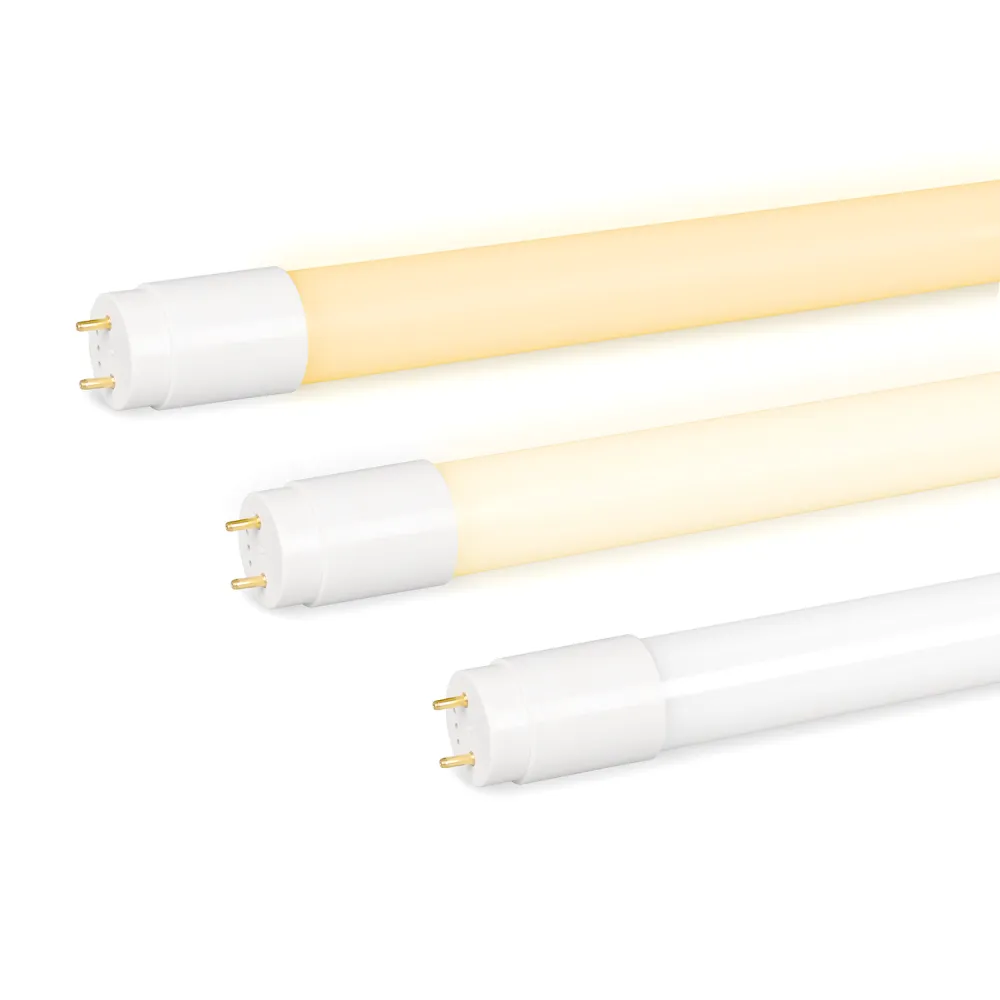
The transformation of commercial and industrial lighting over the past decade has been driven by technologies that combine energy efficiency with practical performance. Among these innovations, the LED batten has emerged as a dominant fixture in utility and functional lighting applications across warehouses, retail spaces, offices, parking structures, and industrial facilities. This widespread adoption reflects not merely a trend but a fundamental shift in how facility managers, electrical contractors, and building designers approach the challenge of delivering reliable, cost-effective illumination in environments where lighting serves primarily functional rather than decorative purposes.
Understanding why the LED batten has become the fixture of choice for utility lighting requires examining multiple dimensions of value that extend beyond simple energy savings. The reasons encompass operational economics, installation practicality, maintenance burden reduction, lighting quality improvements, and adaptability to diverse functional environments. Each of these factors contributes to a compelling business case that has driven replacement of traditional fluorescent battens and other legacy fixtures at an accelerating pace across commercial and industrial sectors worldwide.
Economic Value Proposition in Operational Environments
Energy Consumption Reduction and Demand Charge Impact
The primary economic driver behind LED batten adoption in utility lighting applications stems from dramatic energy consumption reductions compared to fluorescent predecessors. A typical LED batten delivering equivalent illumination to a dual-tube fluorescent fixture consumes approximately fifty to sixty percent less electricity, translating directly to lower operational costs over the fixture's lifespan. In large facilities operating lighting systems for extended hours, these savings compound significantly across hundreds or thousands of fixtures, often generating payback periods of two to four years even without utility incentives.
Beyond base energy consumption, the LED batten contributes to reduced electrical demand charges in commercial rate structures. The lower wattage draw per fixture decreases peak demand on electrical infrastructure, which can represent a substantial portion of commercial electricity costs in jurisdictions with demand-based billing. Facilities replacing legacy fluorescent systems with LED batten installations frequently observe demand charge reductions of twenty to thirty percent during operational hours, adding a secondary economic benefit that enhances overall return on investment calculations.
The economic advantage extends to reduced cooling loads in climate-controlled environments. Traditional fluorescent fixtures generate substantial heat as a byproduct of operation, increasing air conditioning requirements in warehouses, retail spaces, and offices. The LED batten produces significantly less waste heat per lumen delivered, reducing the burden on HVAC systems and creating an indirect energy savings component that becomes particularly significant in large facilities operating in warm climates where cooling represents a major operational expense.
Total Cost of Ownership Through Extended Lifespan
The extended operational life of LED batten technology fundamentally alters the total cost equation for functional lighting systems. While quality LED batten fixtures command higher initial purchase prices than fluorescent equivalents, their rated lifespans of fifty thousand to seventy thousand hours dwarf the eight thousand to twelve thousand hour expectancy of fluorescent tubes. This lifespan advantage translates to fewer replacement cycles over a facility's operational timeline, reducing both material costs and the labor expenses associated with maintenance activities.
In environments with difficult access conditions such as high-bay warehouses, manufacturing plants with elevated ceilings, or outdoor parking structures, the labor component of lamp replacement often exceeds the material cost. The LED batten eliminates the recurring expense of scissor lift rentals, production line shutdowns for maintenance access, and specialized contractor engagement for high-access locations. Facility managers report that maintenance labor savings alone can justify LED batten investments in applications where access requires specialized equipment or operational disruption.
The stability of LED batten performance over time provides additional economic value through consistent light output. Fluorescent fixtures exhibit significant lumen depreciation throughout their operational life, often losing thirty to forty percent of initial output before failure. This degradation forces initial over-specification to maintain adequate illumination near end-of-life, resulting in energy waste during early operational periods. The LED batten maintains more stable output over its lifespan, allowing more precise specification that matches actual illumination requirements without excessive safety margins.
Installation Practicality and Retrofit Compatibility
Simplified Installation Requirements and Electrical Integration
The design characteristics of LED batten fixtures facilitate straightforward installation procedures that reduce labor costs and technical complexity during both new construction and retrofit projects. Most LED batten products feature standardized mounting patterns compatible with existing fluorescent batten mounting points, allowing direct replacement without modification to mounting surfaces or structural supports. This compatibility enables rapid retrofit programs where existing fixtures can be removed and LED batten units installed using identical mounting hardware and locations.
Electrical integration represents another practical advantage driving LED batten adoption in utility lighting applications. Modern LED batten fixtures incorporate integrated drivers that eliminate the need for separate ballast installation and associated wiring complexity. This integration simplifies circuit design, reduces component count, and minimizes potential failure points in the lighting system. Electricians report significantly reduced installation time per fixture compared to fluorescent systems requiring separate ballast mounting and interconnection, translating to lower labor costs in large-scale installation projects.
The LED batten format accommodates various voltage compatibility options that enhance installation flexibility across different electrical systems. Many products accept wide voltage input ranges, functioning equally well on different regional electrical standards without requiring voltage-specific models or additional transformers. This versatility simplifies inventory management for electrical contractors serving diverse markets and reduces specification complexity for international facility operators implementing standardized lighting solutions across multiple geographic locations.
Retrofit Program Execution and Operational Continuity
The practical execution of large-scale lighting upgrades favors LED batten solutions due to installation speed and minimal operational disruption. In occupied facilities requiring continuous operation, the ability to replace fixtures rapidly during off-hours or with minimal production interruption represents a critical implementation consideration. The LED batten design enables single-person installation in most applications, with typical fixture replacement times of fifteen to twenty minutes including removal of legacy equipment, mounting of new fixtures, and electrical connection.
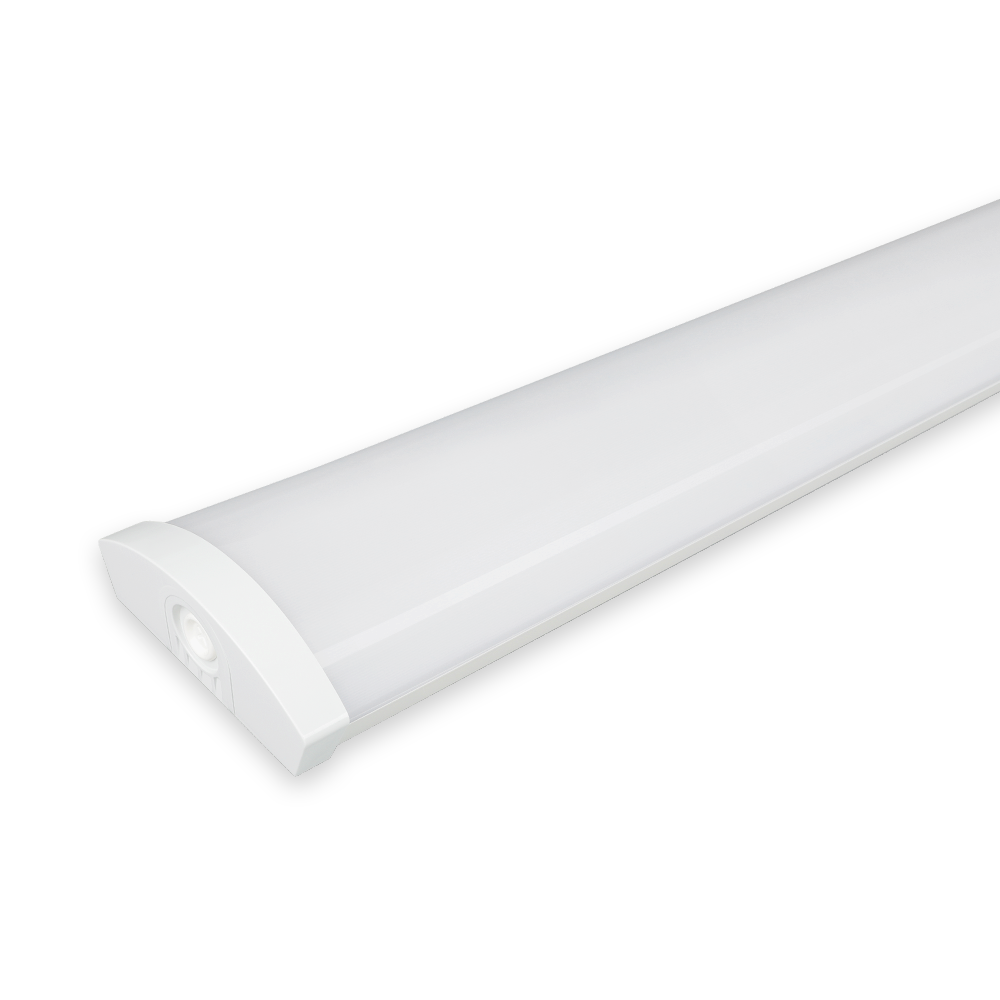
Retrofit compatibility extends to control system integration, where LED batten fixtures increasingly incorporate compatibility with lighting management systems through standard protocols. This integration capability allows facility operators to implement advanced lighting controls as part of LED batten upgrades, enabling occupancy sensing, daylight harvesting, and scheduling strategies that compound energy savings beyond the inherent efficiency of LED technology. The incremental cost of control-ready LED batten fixtures often proves justified by the additional operational savings and functional capabilities these features enable.
The standardized form factor of LED batten fixtures simplifies procurement and project planning processes for large facilities. Unlike custom lighting solutions requiring extensive design work and long lead times, LED batten products represent off-the-shelf solutions available through standard distribution channels with predictable pricing and availability. This accessibility enables rapid project execution from specification through installation, reducing the administrative burden and timeline uncertainty that can delay lighting upgrade initiatives in complex organizational environments.
Performance Characteristics for Functional Applications
Light Quality and Visual Environment Improvement
The lighting performance characteristics of LED batten technology deliver measurable improvements in visual environment quality compared to fluorescent predecessors, contributing to enhanced workplace safety, productivity, and operational efficiency. The instantaneous full-output capability of LED batten fixtures eliminates the warm-up period required by fluorescent systems, providing immediate illumination upon activation. This instant-on characteristic proves particularly valuable in applications with occupancy-based control strategies or emergency lighting requirements where immediate full illumination affects safety and operational continuity.
Color rendering performance represents another functional advantage driving LED batten adoption in utility lighting applications. Modern LED batten products achieve color rendering index values of eighty to ninety, significantly exceeding the sixty to seventy CRI typical of standard fluorescent tubes. This improved color rendering enhances visual task performance in environments requiring color discrimination such as quality inspection stations, retail merchandise areas, and healthcare facilities where accurate color perception affects operational outcomes and user satisfaction.
The directional nature of LED light output enables more efficient optical control in LED batten designs compared to omnidirectional fluorescent sources. Purpose-designed reflectors and lens systems in LED batten fixtures can direct light precisely where needed with minimal losses to fixture housings or unintended directions. This optical efficiency translates to higher effective illumination per watt consumed and more uniform light distribution patterns that reduce the contrast between bright and dim areas in functional spaces, improving visual comfort and task visibility.
Environmental Performance and Operating Range
The robust environmental performance characteristics of LED batten fixtures expand application possibilities in challenging conditions where traditional lighting technologies prove problematic or unreliable. The solid-state nature of LED technology eliminates fragile components sensitive to vibration and impact, making LED batten fixtures suitable for industrial environments with mobile equipment, mechanical vibration from production machinery, or other physical disturbance conditions that accelerate failure of fluorescent tubes and ballasts.
Temperature performance represents a critical functional advantage in many utility lighting applications. The LED batten maintains consistent operation across wide ambient temperature ranges, functioning reliably in cold storage facilities, outdoor parking structures, and unconditioned warehouse spaces where fluorescent fixtures experience reduced light output, starting difficulties, or premature failure. This temperature stability eliminates the need for specialized cold-weather ballasts or heated fixture enclosures required to maintain fluorescent system performance in extreme conditions.
The inherent durability of LED batten construction supports extended operation in harsh environments with dust, moisture, or corrosive atmosphere exposure. Many LED batten products achieve IP-rated enclosures that provide protection against water ingress and particulate contamination, enabling installation in food processing facilities, parking structures, outdoor covered areas, and other applications where environmental protection affects fixture longevity and maintenance frequency. This environmental capability expands the application scope for standardized LED batten products across diverse functional lighting requirements.
Adaptability Across Diverse Functional Contexts
Application Range and Configuration Flexibility
The versatile nature of LED batten design enables adaptation to an exceptionally broad range of functional lighting applications through variations in length, output, color temperature, and mounting options. This adaptability allows facility planners to implement standardized LED batten solutions across diverse spaces while optimizing specific characteristics to match particular functional requirements. The availability of multiple length options from two feet to eight feet enables precise matching to architectural dimensions and spacing requirements without custom fabrication or awkward fixture arrangements.
Output variation within the LED batten format accommodates different illumination requirements from low-level circulation lighting to high-output task illumination within a consistent fixture platform. This scalability simplifies specification processes and inventory management while maintaining visual consistency across facilities. The ability to specify appropriate output levels for specific applications prevents over-lighting that wastes energy while ensuring adequate illumination for safety and task performance, optimizing the balance between energy efficiency and functional requirements.
Color temperature selection in LED batten products enables optimization of lighting character to match application requirements and user preferences. Warehouse and industrial applications often favor neutral to cool color temperatures that enhance alertness and provide crisp visibility for detail work, while retail and commercial office environments may prefer warmer color temperatures that create more comfortable visual environments. Some LED batten products incorporate selectable color temperature features that allow field adjustment during installation, providing specification flexibility without requiring multiple product variants in inventory.
Integration with Building Systems and Control Strategies
The electronic nature of LED batten drivers facilitates integration with advanced lighting control systems that optimize energy consumption and functional performance through automated strategies. The inherent dimmability of LED batten technology enables implementation of daylight harvesting strategies in perimeter zones, reducing artificial lighting output in response to available natural light and generating additional energy savings beyond baseline LED efficiency. This control capability proves particularly valuable in facilities with significant skylight or window areas where natural light contribution varies throughout the day.
Occupancy-based control integration represents another dimension of LED batten adaptability that enhances application value in intermittently occupied spaces. The instant-on characteristic of LED batten fixtures eliminates the occupant annoyance associated with fluorescent warm-up delays, making occupancy sensing practical in applications where it would prove problematic with legacy technologies. Facilities implementing occupancy controls with LED batten systems report energy savings of thirty to fifty percent in spaces with irregular occupancy patterns such as storage areas, restrooms, and conference rooms.
The compatibility of LED batten fixtures with networked lighting control systems enables facility-wide management capabilities that extend beyond individual fixture operation. Building management system integration allows centralized monitoring of lighting system performance, automated scheduling aligned with operational patterns, and remote adjustment of illumination levels to match evolving requirements. These capabilities transform lighting from a static infrastructure element into a managed building system that can be continuously optimized for energy efficiency, occupant satisfaction, and operational alignment.
FAQ
What are the primary factors that make LED batten fixtures more economical than fluorescent alternatives in utility lighting applications?
The economic advantage of LED batten fixtures stems from multiple compounding factors rather than energy savings alone. Primary contributors include fifty to sixty percent lower energy consumption compared to fluorescent equivalents, extended lifespans of fifty thousand to seventy thousand hours that reduce replacement frequency and associated labor costs, reduced cooling loads in climate-controlled spaces, and lower electrical demand charges in commercial rate structures. In applications with difficult access requiring specialized equipment for maintenance, the reduction in replacement cycles often provides economic value exceeding the direct energy savings, particularly in high-bay warehouses, industrial facilities with elevated ceilings, and outdoor structures where lamp replacement requires significant labor investment.
How does the installation process for LED batten fixtures compare to fluorescent systems in retrofit applications?
LED batten installations typically proceed more rapidly and with less complexity than fluorescent systems due to integrated driver design that eliminates separate ballast mounting and associated wiring. Most LED batten products feature mounting patterns compatible with existing fluorescent fixture locations, enabling direct replacement without modification to mounting surfaces. Typical installation times range from fifteen to twenty minutes per fixture for single-person crews, compared to longer installation periods for fluorescent systems requiring ballast installation and more complex wiring. The standardized design also reduces the technical expertise required for installation, allowing broader contractor participation and more competitive labor pricing in large retrofit projects.
What performance characteristics of LED batten fixtures specifically benefit warehouse and industrial lighting applications?
LED batten fixtures deliver several performance advantages particularly relevant to warehouse and industrial environments. The instant full-output capability eliminates warm-up delays critical for occupancy-based controls and emergency situations. Robust construction tolerates vibration and impact from mobile equipment and machinery better than fragile fluorescent tubes. Wide operating temperature ranges maintain consistent performance in unconditioned spaces and cold storage facilities where fluorescent systems experience reduced output and starting difficulties. Improved color rendering with CRI values of eighty to ninety enhances visual task performance for quality inspection and merchandise handling. The directional light output enables more efficient optical control, delivering more uniform illumination patterns that reduce contrast and improve visual comfort in large open spaces typical of warehouse facilities.
Can LED batten fixtures integrate with existing lighting control systems and building automation platforms?
Modern LED batten fixtures increasingly incorporate compatibility with standard lighting control protocols including DALI, 0-10V dimming, and wireless control systems, enabling integration with both legacy and contemporary building automation platforms. This compatibility allows facilities to implement advanced control strategies such as occupancy sensing, daylight harvesting, and scheduled dimming that compound energy savings beyond baseline LED efficiency. Many manufacturers offer control-ready LED batten variants with minimal cost premium over basic models, making control integration economically accessible. The integration capability transforms LED batten installations from simple fixture replacements into comprehensive lighting system upgrades that provide ongoing optimization opportunities aligned with evolving operational patterns and energy management objectives throughout the facility lifecycle.
Table of Contents
- Economic Value Proposition in Operational Environments
- Installation Practicality and Retrofit Compatibility
- Performance Characteristics for Functional Applications
- Adaptability Across Diverse Functional Contexts
-
FAQ
- What are the primary factors that make LED batten fixtures more economical than fluorescent alternatives in utility lighting applications?
- How does the installation process for LED batten fixtures compare to fluorescent systems in retrofit applications?
- What performance characteristics of LED batten fixtures specifically benefit warehouse and industrial lighting applications?
- Can LED batten fixtures integrate with existing lighting control systems and building automation platforms?