LED Ceiling Light: Energy-Efficient, Long-Lasting Illumination for Every Space

Get a Free Quote

Our representative will contact you soon.
Email
Name
Company Name
Message
0/1000

led ceiling light

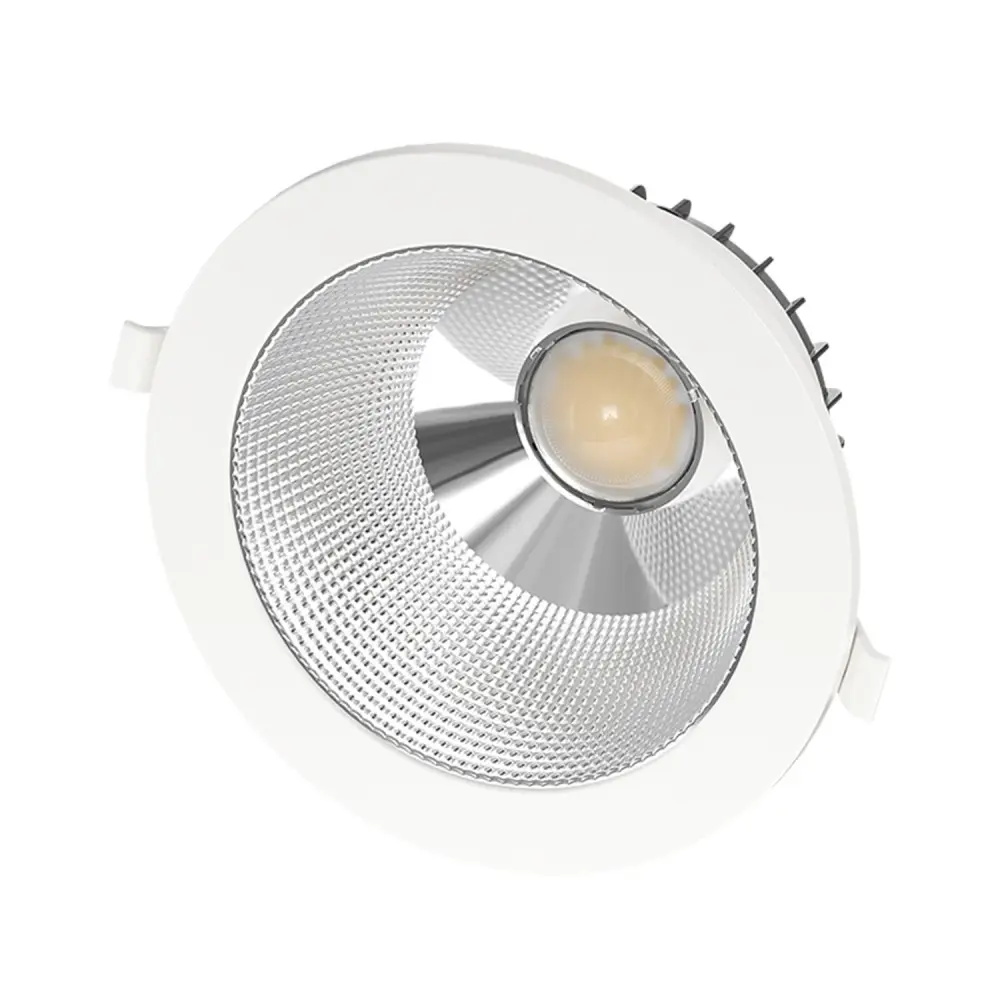
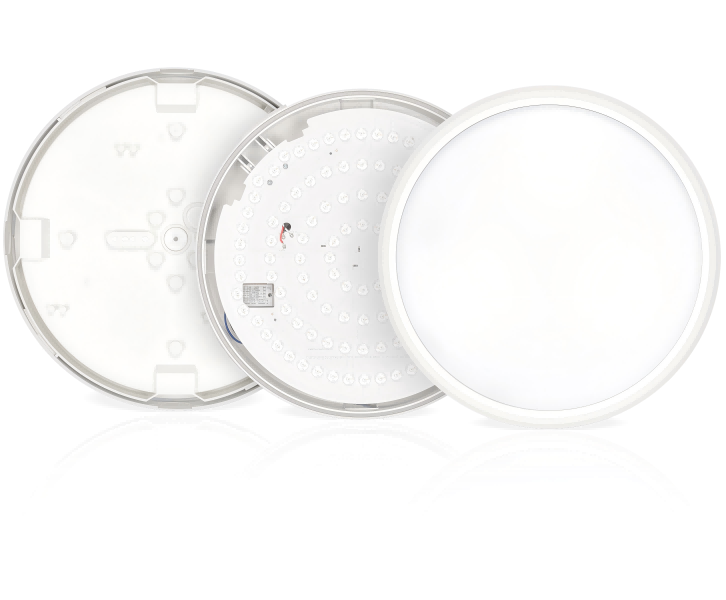
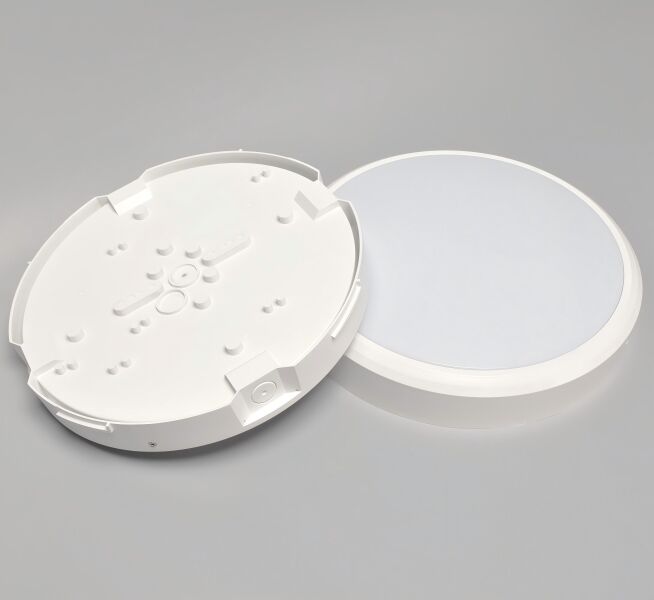
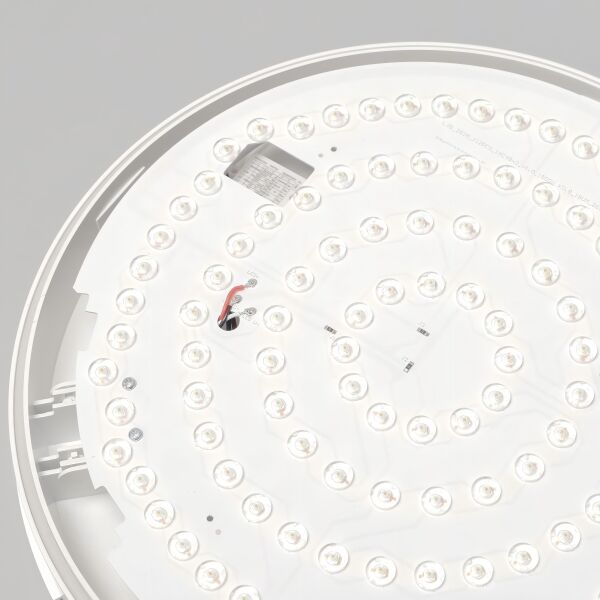
The LED ceiling light has transformed the way we illuminate our homes, offices, and commercial spaces. As one of the most versatile and energy-efficient lighting solutions available today, the LED ceiling light combines cutting-edge technology with practical design to deliver superior performance across a wide range of environments. Whether you are upgrading a residential living room, outfitting a modern office, or enhancing a retail space, the LED ceiling light offers a compelling combination of functionality, durability, and aesthetic appeal that traditional lighting simply cannot match. At its core, the LED ceiling light uses light-emitting diode technology to convert electrical energy into visible light with remarkable efficiency. Unlike incandescent or fluorescent alternatives, the LED ceiling light generates minimal heat during operation, which not only reduces energy consumption but also extends the lifespan of the fixture significantly. Most high-quality LED ceiling lights are rated for 25,000 to 50,000 hours of continuous use, meaning you can install one and enjoy years of reliable illumination without frequent bulb replacements. From a technological standpoint, the LED ceiling light incorporates several advanced features that set it apart. Many modern models include dimming capabilities, allowing users to adjust brightness levels to suit different moods and tasks. Color temperature options ranging from warm white to cool daylight give users precise control over the ambiance of any room. Smart-home compatibility is another growing feature, with many LED ceiling lights now supporting Wi-Fi or Bluetooth connectivity for voice control and app-based scheduling. The applications of the LED ceiling light are virtually limitless. In residential settings, it serves as a primary light source in kitchens, bedrooms, hallways, and living areas. In commercial environments, it provides consistent, glare-free illumination for offices, hospitals, schools, and retail stores. Industrial facilities also benefit from high-output LED ceiling lights designed to withstand demanding conditions. The LED ceiling light is not just a lighting product. It is a long-term investment in comfort, efficiency, and sustainability that delivers measurable value from the moment it is switched on.

New Product Releases

Choosing an LED ceiling light over conventional lighting options is one of the smartest decisions you can make for your space, and the reasons are both practical and financial. Let us walk through the real-world benefits that make the LED ceiling light a standout choice for homeowners, business owners, and facility managers alike. First and foremost, the LED ceiling light saves you money on your electricity bill. Traditional incandescent bulbs convert only about 10 percent of their energy into light, wasting the rest as heat. An LED ceiling light, by contrast, converts up to 90 percent of its energy into usable light. This dramatic improvement in efficiency means your monthly energy costs drop noticeably after switching. For a household running multiple fixtures, the savings add up quickly. For a business operating dozens of lights around the clock, the financial impact is even more significant. Beyond energy savings, the LED ceiling light lasts far longer than any conventional alternative. A standard incandescent bulb might last 1,000 hours. A fluorescent tube might reach 10,000 hours under ideal conditions. An LED ceiling light routinely delivers 30,000 to 50,000 hours of reliable performance. That means fewer replacements, less maintenance time, and lower long-term costs. For commercial and industrial users, reduced maintenance alone can justify the initial investment many times over. The LED ceiling light also performs better in terms of light quality. It produces consistent, flicker-free illumination that reduces eye strain during extended periods of reading, working, or studying. You can choose from a range of color temperatures to match the specific needs of each room. Warm white tones create a cozy, relaxing atmosphere in bedrooms and living rooms. Cool white or daylight tones boost alertness and focus in offices and workspaces. This level of control simply does not exist with older lighting technologies. Safety is another practical advantage of the LED ceiling light. Because it operates at a much lower temperature than incandescent or halogen fixtures, it significantly reduces the risk of heat-related damage to surrounding materials. This makes the LED ceiling light a safer choice for enclosed fixtures, low-clearance ceilings, and spaces where children or pets are present. The environmental benefits are equally compelling. The LED ceiling light contains no mercury or other hazardous materials, making disposal safer and reducing your environmental footprint. Lower energy consumption also means a smaller carbon footprint over the lifetime of the fixture. For anyone committed to sustainable living or green building standards, the LED ceiling light is the clear and responsible choice. Finally, the LED ceiling light is incredibly easy to install and maintain. Most models are designed as direct replacements for existing fixtures, requiring no special wiring or tools. Once installed, they simply work, day after day, year after year, without demanding attention. That combination of low effort and high reward makes the LED ceiling light one of the most practical upgrades available for any space.

Practical Tips

How Does LED Panel Light Create Uniform and Comfortable Indoor Lighting?

03

Mar

How Does LED Panel Light Create Uniform and Comfortable Indoor Lighting?

Understanding how LED panel light technology creates uniform and comfortable indoor lighting requires examining the sophisticated optical engineering and design principles behind these modern illumination solutions. LED panel lights achieve superior ...
View More
What Are the Key Advantages of LED Panel Light in Modern Office Lighting?

31

Mar

What Are the Key Advantages of LED Panel Light in Modern Office Lighting?

Modern office environments demand lighting solutions that balance energy efficiency, visual comfort, and professional aesthetics. Among the various lighting technologies available today, LED panel light systems have emerged as the preferred choice fo...
View More
How Can Grille Light Support Efficient Lighting Layouts in Buildings?

01

May

How Can Grille Light Support Efficient Lighting Layouts in Buildings?

Efficient lighting layouts in modern buildings require careful consideration of both functional illumination and energy performance, and grille light fixtures have emerged as a cornerstone solution for architects and facility managers seeking optimal...
View More
How Does LED Bulb Brightness Compare with Conventional Bulbs?

13

May

How Does LED Bulb Brightness Compare with Conventional Bulbs?

Understanding LED bulb brightness in relation to conventional lighting technologies remains a critical consideration for facility managers, procurement specialists, and industrial operations planning lighting upgrades or retrofits. The transition fro...
View More

Get a Free Quote

Our representative will contact you soon.
Email
Name
Company Name
Message
0/1000

led ceiling light

Exceptional Energy Efficiency That Cuts Your Costs

Exceptional Energy Efficiency That Cuts Your Costs

One of the most compelling reasons to choose an LED ceiling light is the dramatic reduction in energy consumption it delivers compared to traditional lighting technologies. When you install an LED ceiling light in your home or business, you are making a direct investment in lower operating costs that pays dividends every single month. To understand why this matters so much, consider how older lighting technologies work. Incandescent bulbs produce light by heating a thin wire filament until it glows. This process is extraordinarily wasteful because the vast majority of the electrical energy consumed is released as heat rather than visible light. Halogen bulbs operate on a similar principle and share the same fundamental inefficiency. Fluorescent tubes are more efficient than incandescent options but still fall well short of what modern LED technology achieves. An LED ceiling light works on an entirely different principle. Light-emitting diodes produce light through a process called electroluminescence, where electrons moving through a semiconductor material release energy in the form of photons. This process generates very little heat and converts a far greater proportion of electrical input into actual illumination. The result is a fixture that can produce the same amount of light as a traditional bulb while consuming a fraction of the electricity. In practical terms, replacing a 60-watt incandescent bulb with an equivalent LED ceiling light typically reduces the energy used for that fixture by around 75 to 80 percent. Across an entire home or commercial building, those savings compound into a substantial reduction in monthly utility bills. For businesses that operate lighting systems continuously or across large floor areas, the financial return on switching to LED ceiling lights can be realized within months rather than years. Beyond the direct cost savings, the energy efficiency of the LED ceiling light also contributes to a reduced environmental impact. Lower electricity consumption means less demand on power generation infrastructure, which in most regions translates directly into lower greenhouse gas emissions. For individuals and organizations working toward sustainability goals or green building certifications, the LED ceiling light is a straightforward and highly effective tool. The efficiency advantage of the LED ceiling light is not a marginal improvement. It represents a fundamental shift in how lighting technology works, and the benefits flow directly to every person who makes the switch.
Outstanding Longevity That Eliminates Constant Replacements

Outstanding Longevity That Eliminates Constant Replacements

When you invest in an LED ceiling light, you are choosing a product built to last for years, even decades, under normal operating conditions. This exceptional lifespan is one of the most practically valuable characteristics of the LED ceiling light, and it sets it apart from every conventional lighting option on the market. Traditional incandescent bulbs have an average rated lifespan of around 1,000 hours. That sounds like a reasonable amount of time until you consider that a light used for just four hours per day will burn out in less than nine months. Halogen bulbs perform somewhat better but still typically fail within 2,000 to 4,000 hours of use. Even fluorescent tubes, which were once considered a long-lasting alternative, generally reach the end of their useful life between 8,000 and 15,000 hours. An LED ceiling light changes this equation entirely. Quality LED ceiling lights are routinely rated for 25,000 to 50,000 hours of operation. At four hours of daily use, a 50,000-hour LED ceiling light would last over 34 years before needing replacement. Even at eight hours of daily use, you are looking at more than 17 years of reliable service from a single fixture. This longevity has profound practical implications. For homeowners, it means years of worry-free illumination without the inconvenience of sourcing replacement bulbs, climbing ladders, or dealing with unexpected outages. For commercial property managers and facility operators, it means dramatically reduced maintenance schedules and lower labor costs associated with bulb replacement. In large facilities such as office buildings, warehouses, hospitals, and schools, the cost of maintaining traditional lighting systems can be substantial. Switching to LED ceiling lights eliminates most of that ongoing expense. The durability of the LED ceiling light also extends to its resistance to physical stress. Unlike fragile glass bulbs, LED ceiling lights are built around solid-state components that are far more resistant to vibration, impact, and temperature fluctuations. This makes them particularly well-suited to environments where conventional bulbs would fail prematurely, such as areas near heavy machinery, high-traffic corridors, or spaces subject to temperature swings. The long lifespan of the LED ceiling light is not just a convenience feature. It is a core part of the value proposition that makes it the most cost-effective lighting solution available for both residential and commercial applications.
Versatile Design and Smart Control for Every Environment

Versatile Design and Smart Control for Every Environment

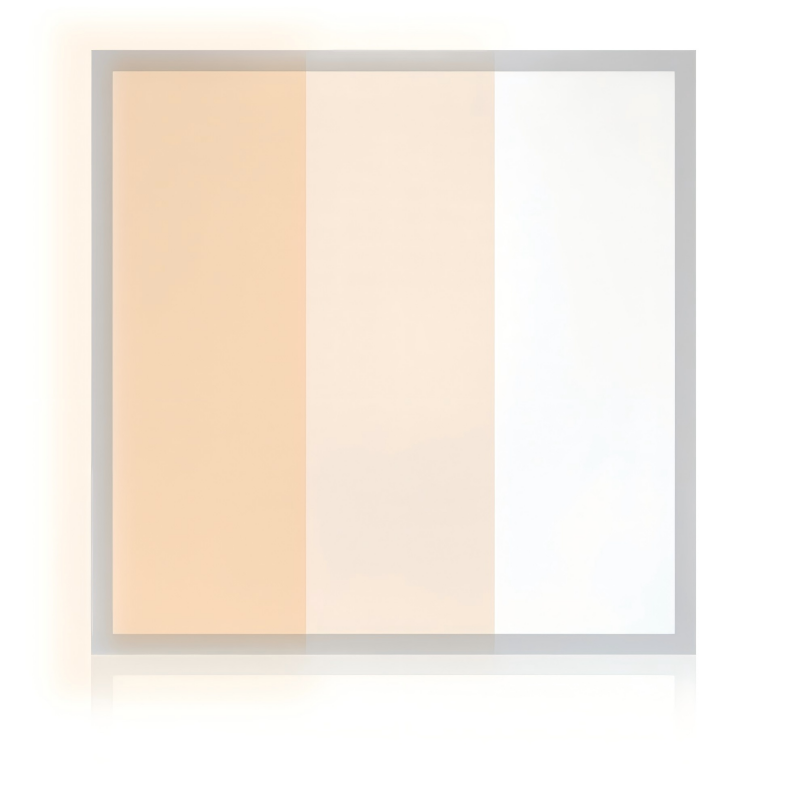
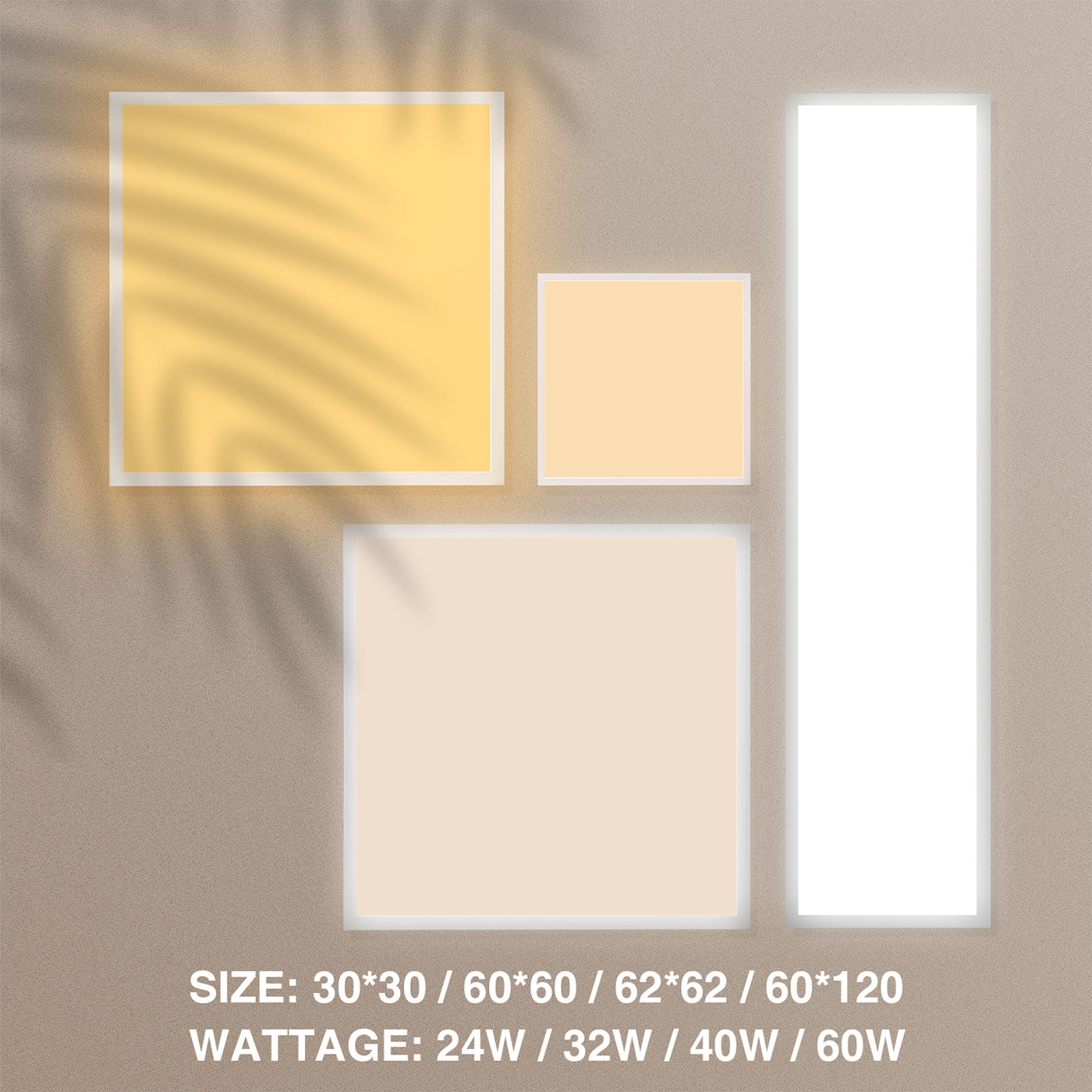
The modern LED ceiling light is far more than a simple source of illumination. It is a sophisticated, adaptable lighting solution designed to meet the diverse needs of different spaces, users, and lifestyles. The combination of flexible design options and advanced control features makes the LED ceiling light the most versatile lighting product available across residential, commercial, and industrial applications. One of the most immediately useful features found in many LED ceiling light models is adjustable color temperature. Color temperature, measured in Kelvin, determines whether a light appears warm and amber-toned or cool and blue-white. Warm white light, typically in the range of 2700K to 3000K, creates a soft, inviting atmosphere that works beautifully in bedrooms, living rooms, and dining areas where relaxation and comfort are the priority. Neutral white light around 4000K strikes a balance between warmth and clarity, making it ideal for kitchens, bathrooms, and home offices. Cool white or daylight light in the 5000K to 6500K range delivers crisp, high-contrast illumination that promotes alertness and concentration, making it the preferred choice for commercial offices, medical facilities, and educational environments. Many LED ceiling light models also offer dimming functionality, giving users precise control over brightness levels throughout the day. Dimming capability allows you to create the perfect lighting condition for any activity, from bright task lighting during work hours to soft ambient light during evening relaxation. Dimming also contributes to additional energy savings, since running a light at reduced brightness consumes proportionally less electricity. The integration of smart-home technology has taken the LED ceiling light to an entirely new level of convenience and functionality. Wi-Fi and Bluetooth-enabled LED ceiling lights can be controlled through smartphone apps, allowing users to adjust brightness, change color temperature, set schedules, and create lighting scenes from anywhere. Compatibility with voice assistants such as Amazon Alexa and Google Assistant adds another layer of hands-free convenience. For commercial users, smart LED ceiling light systems can be integrated with building management platforms to automate lighting based on occupancy sensors, daylight harvesting, and time-of-day schedules, delivering further energy savings and operational efficiency. The design versatility of the LED ceiling light also extends to its physical form. Available in a wide range of sizes, shapes, finishes, and mounting styles, there is an LED ceiling light to complement virtually any interior design aesthetic, from minimalist modern to traditional and everything in between.


Get a Free Quote

Our representative will contact you soon.
Email
Name
Company Name
Message
0/1000