led down light
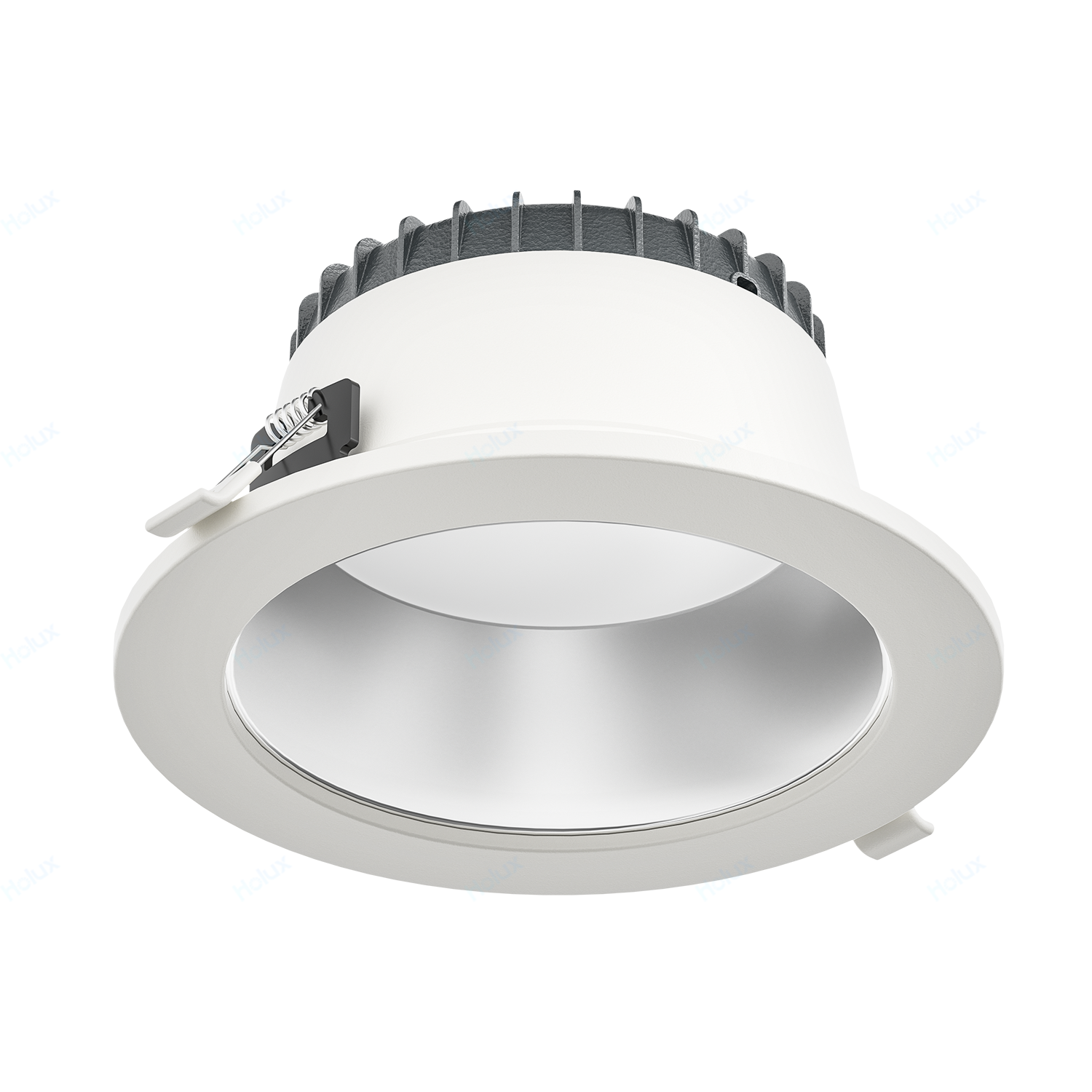
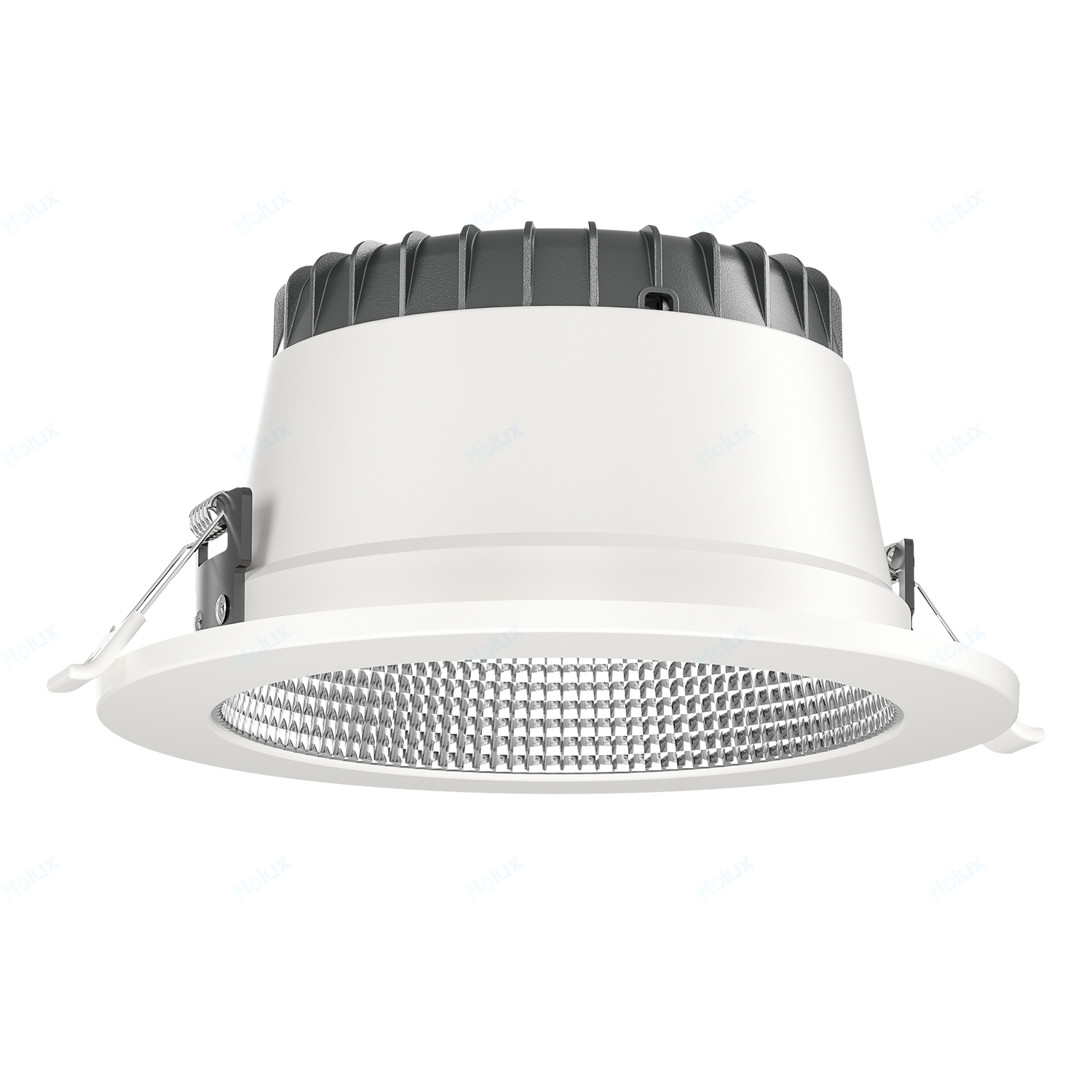
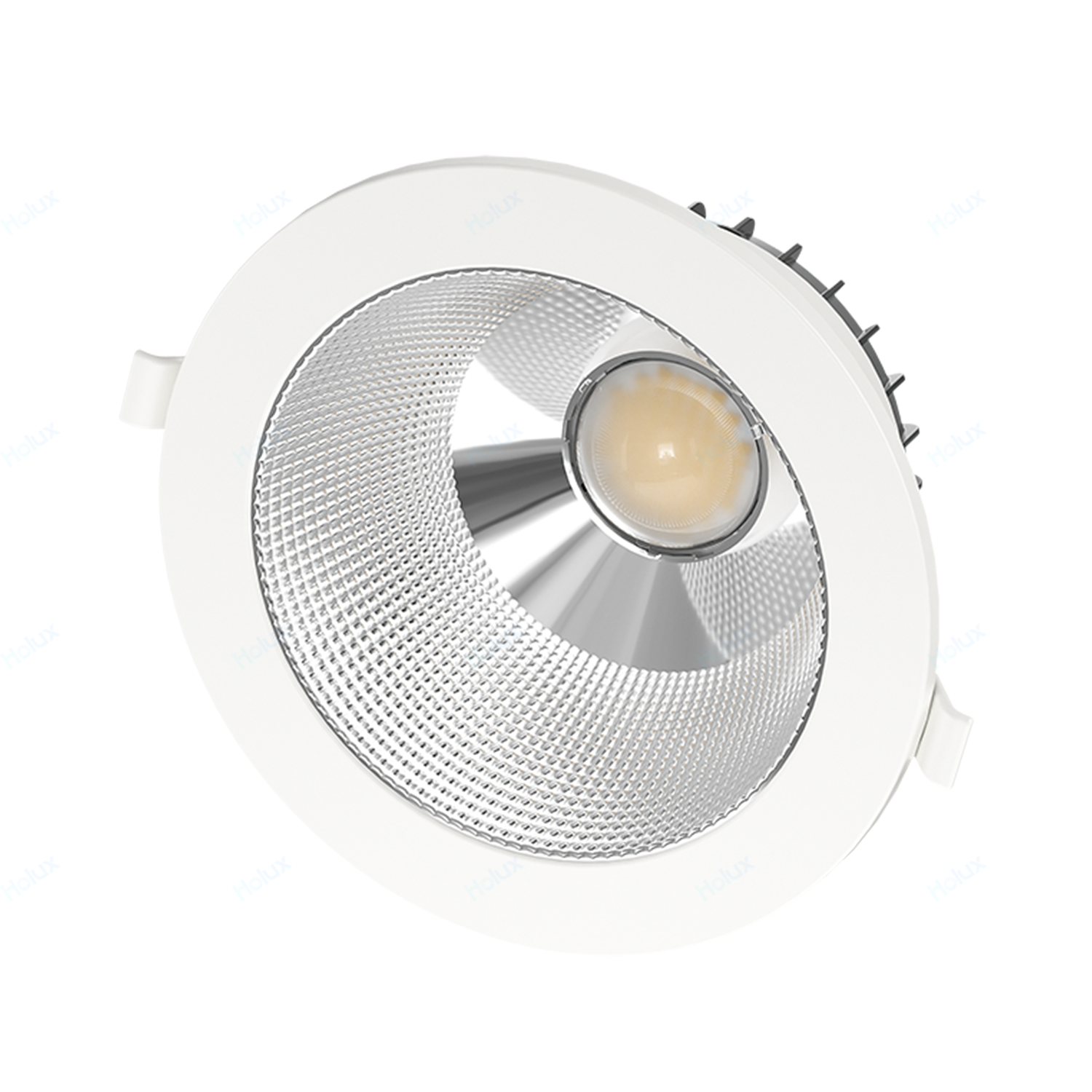
The led down light represents a modern lighting solution that has revolutionized interior illumination across residential, commercial, and industrial spaces. This innovative fixture is designed to be recessed into ceilings, creating a sleek, minimalist appearance while delivering powerful, focused illumination. The led down light operates by mounting a light-emitting diode module within a housing unit that sits flush with or slightly recessed into the ceiling surface, providing downward-directed light that enhances architectural features and creates ambient or task lighting as needed. These fixtures incorporate advanced LED technology, which converts electrical energy into visible light with remarkable efficiency, producing minimal heat compared to traditional incandescent or halogen alternatives. The led down light typically consists of several key components: the LED chip itself, a heat sink for thermal management, a driver circuit to regulate power supply, a reflector or lens to control light distribution, and a trim or bezel for aesthetic finishing. Modern led down light units feature various beam angles ranging from narrow spotlights to wide flood patterns, allowing precise control over illumination zones. The color temperature options span from warm whites around 2700K to cool whites exceeding 6000K, enabling users to create specific moods and atmospheres. Dimming capabilities are often integrated, providing flexibility to adjust brightness levels according to time of day, activity, or preference. Installation versatility makes the led down light suitable for new construction projects and retrofit applications alike, with mounting options accommodating different ceiling types and depths. The compact design means these fixtures occupy minimal space above the ceiling line, making them ideal for locations with limited plenum depth. With rated lifespans often exceeding 50000 hours, the led down light delivers long-term performance that significantly reduces maintenance requirements and replacement frequency, making it a practical choice for both accessible and hard-to-reach installations throughout various building types.

 EN
EN