Superior Durability and All-Weather Reliability
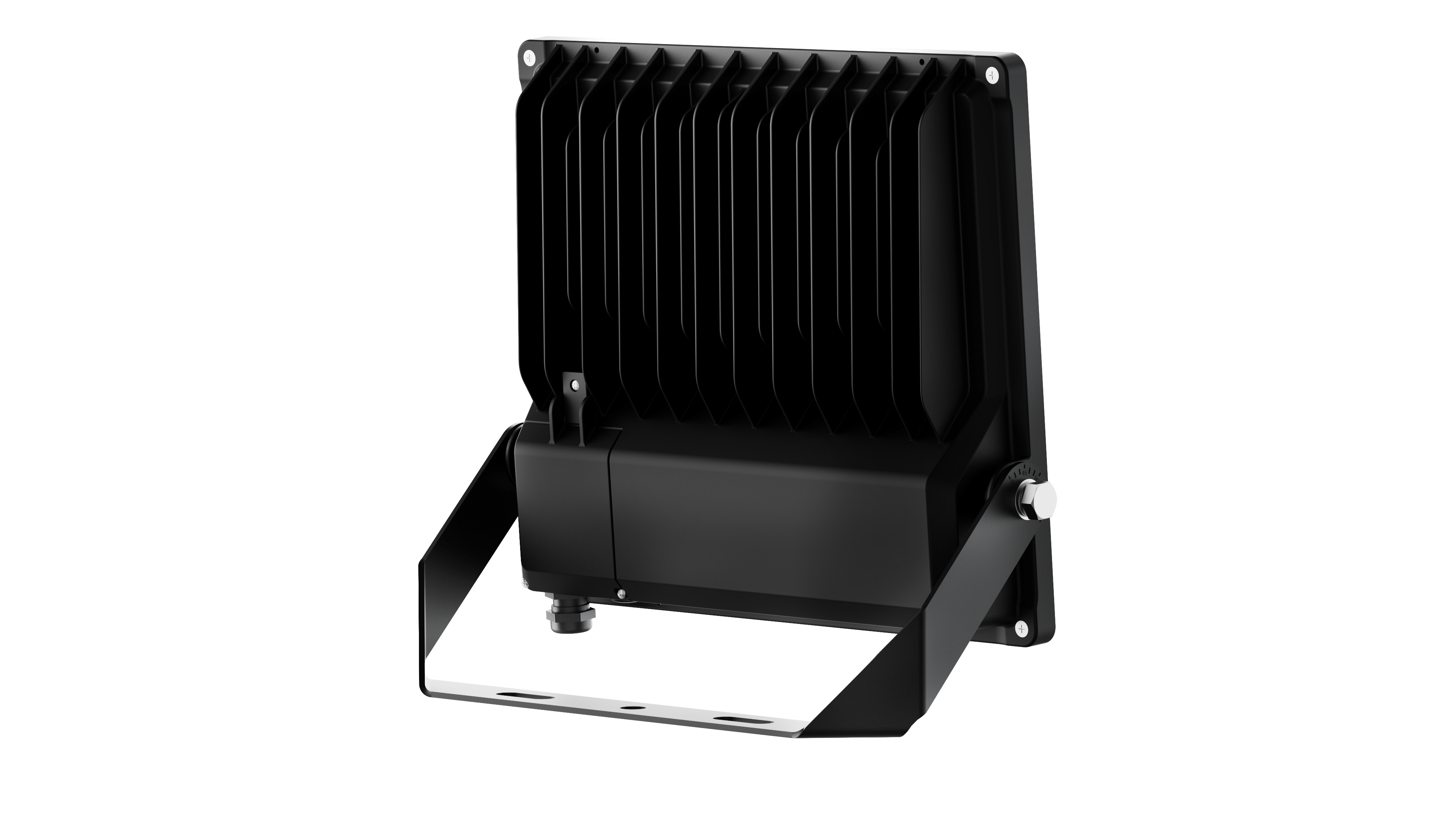
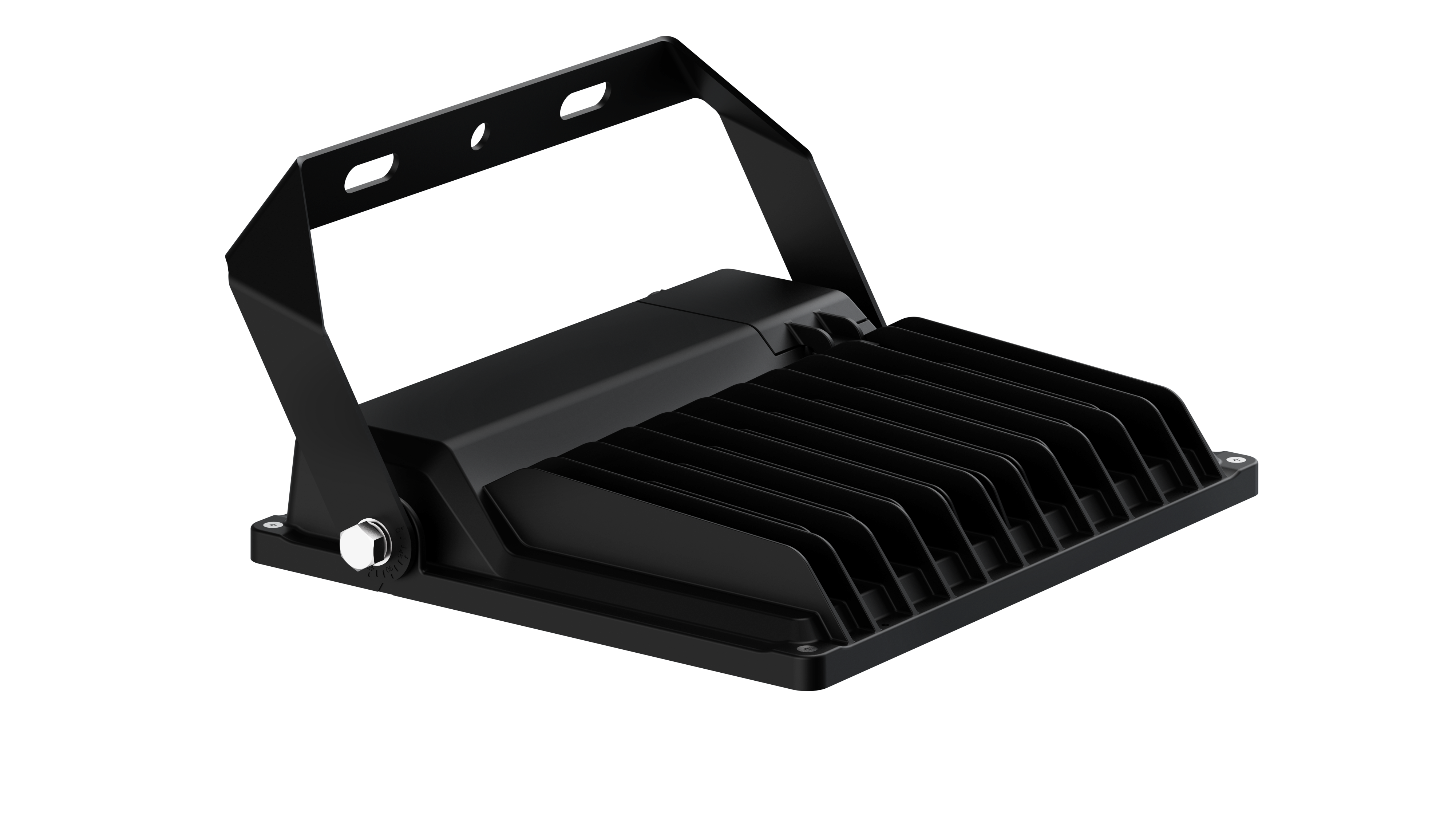
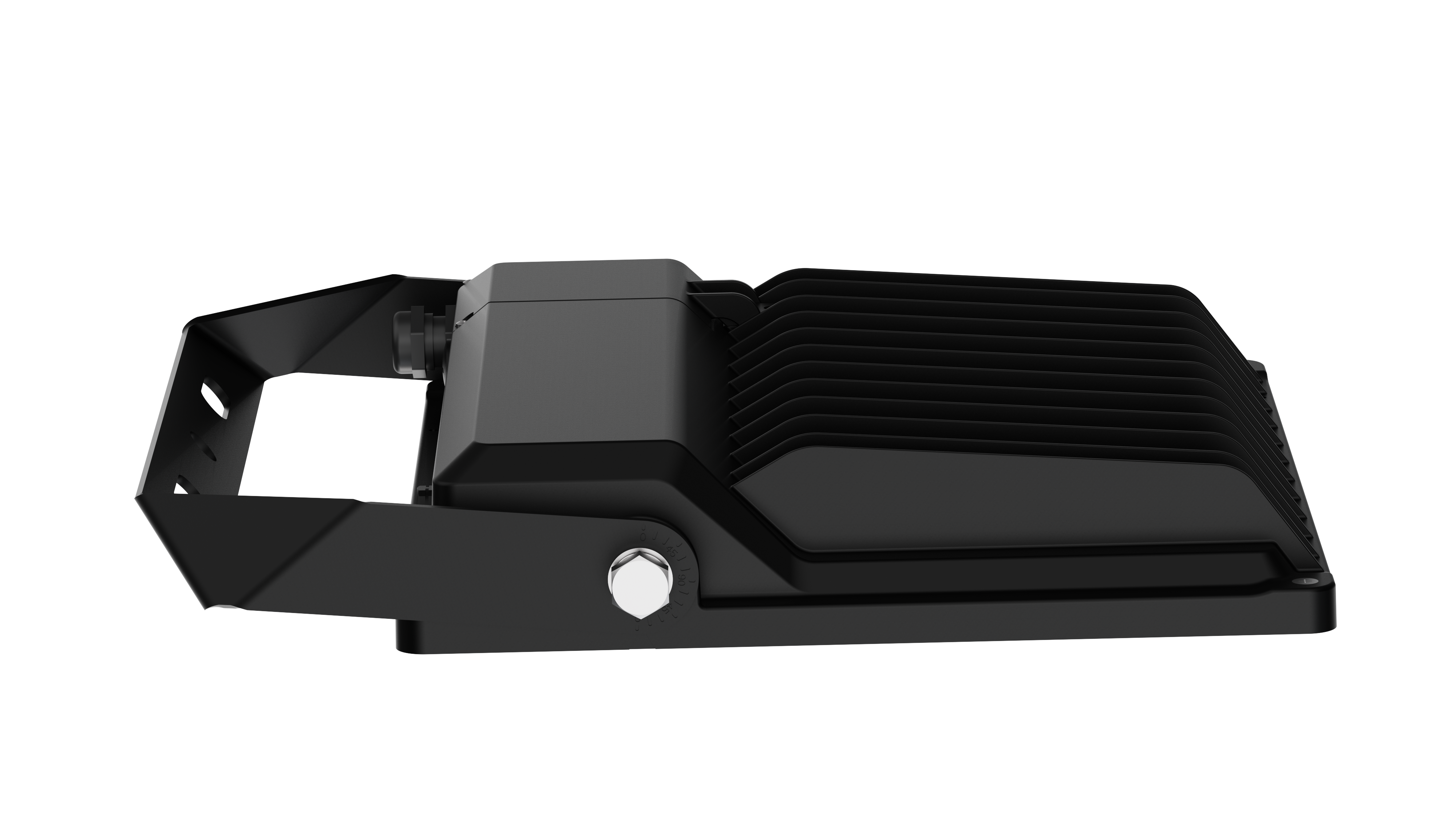
The robust construction quality defining premium slim led floodlight products ensures dependable performance across punishing environmental conditions that would rapidly degrade inferior lighting solutions, delivering consistent illumination through temperature extremes, precipitation events, corrosive atmospheres, and mechanical stresses encountered in real-world installations. The foundation of this exceptional durability begins with housing materials, typically featuring die-cast aluminum alloy construction that provides outstanding strength-to-weight ratios while naturally resisting corrosion through protective oxide layer formation, often enhanced with powder-coat finishes or anodized treatments that add additional protection against salt spray in coastal environments, chemical exposure in industrial settings, and UV degradation in high-altitude or tropical installations. Ingress protection ratings of IP65 or IP66 standard across quality slim led floodlight models guarantee complete dust sealing and powerful water jet resistance, meaning these fixtures withstand direct pressure washing, heavy rainstorms, snow accumulation, and dusty conditions without moisture or particle intrusion that compromises electrical components or optical performance. The lens materials utilize impact-resistant tempered glass or premium polycarbonate formulations that maintain optical clarity through years of UV exposure while withstanding mechanical impacts from hail, flying debris, or accidental contact that would shatter conventional glass covers. Internal component protection extends to potted driver electronics sealed against moisture and vibration, conformal coated circuit boards preventing corrosion, and high-temperature silicone gaskets maintaining weatherproof seals through hundreds of thermal expansion and contraction cycles as fixture temperatures fluctuate between ambient cold and operational warmth. The solid-state nature of LED technology in slim led floodlight designs eliminates fragile filaments and delicate electrodes present in traditional lamps, creating inherent vibration resistance valuable for installations on machinery, vehicles, or structures subject to mechanical movement or seismic activity. Thermal management engineering represents a critical durability factor, as excessive junction temperatures rapidly degrade LED performance and lifespan, which quality manufacturers address through precisely calculated heat sink designs, thermal interface materials ensuring efficient heat transfer from LED chips to cooling fins, and sometimes active cooling systems in high-output models. Wide operating temperature specifications typically spanning minus 40 to plus 50 degrees Celsius ensure reliable slim led floodlight operation in Arctic conditions, desert environments, and everywhere between without performance degradation or premature failure. Electrical surge protection integrated into quality driver circuits safeguards LED components against voltage spikes from lightning strikes, utility switching events, and power quality issues that frequently destroy unprotected lighting equipment. The absence of consumable components beyond the LED chips themselves means no ballasts to fail, no igniters to wear out, and no fragile glass envelopes to break, dramatically improving operational reliability compared to technologies requiring multiple coordinated components for successful operation.

 EN
EN