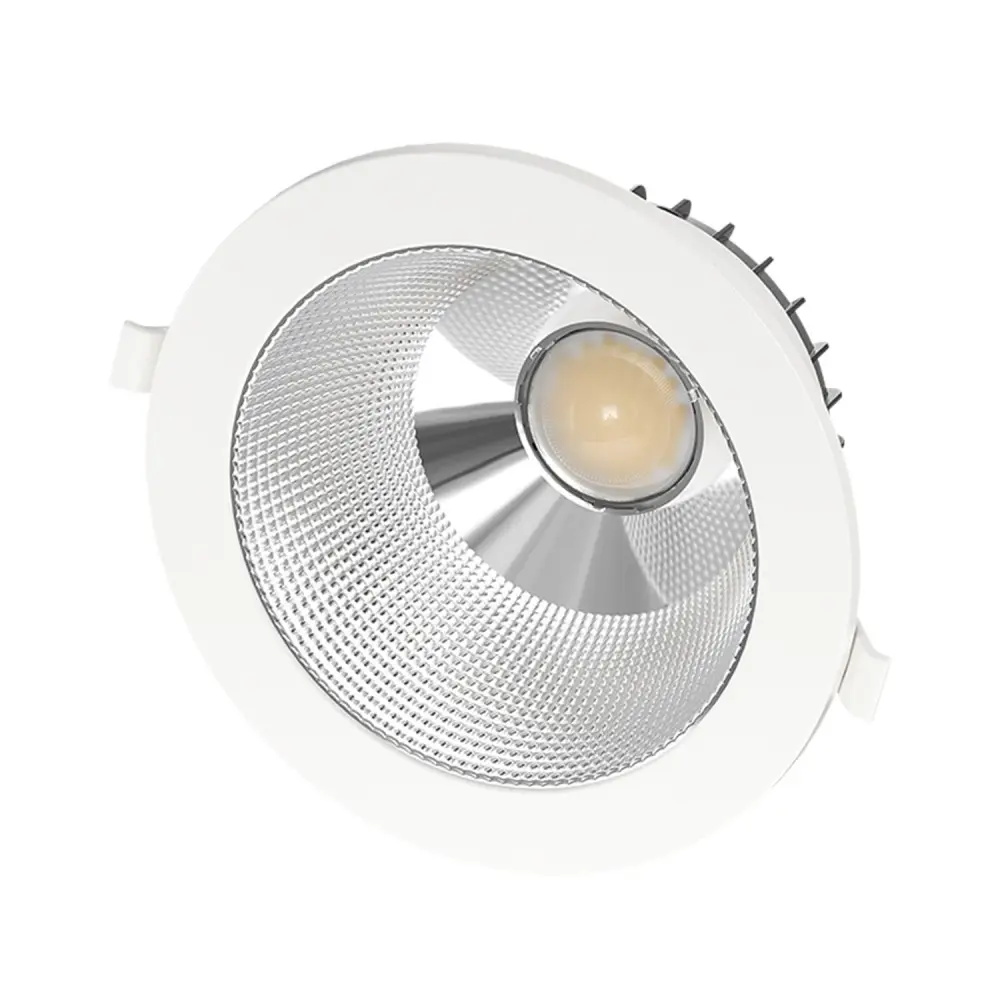
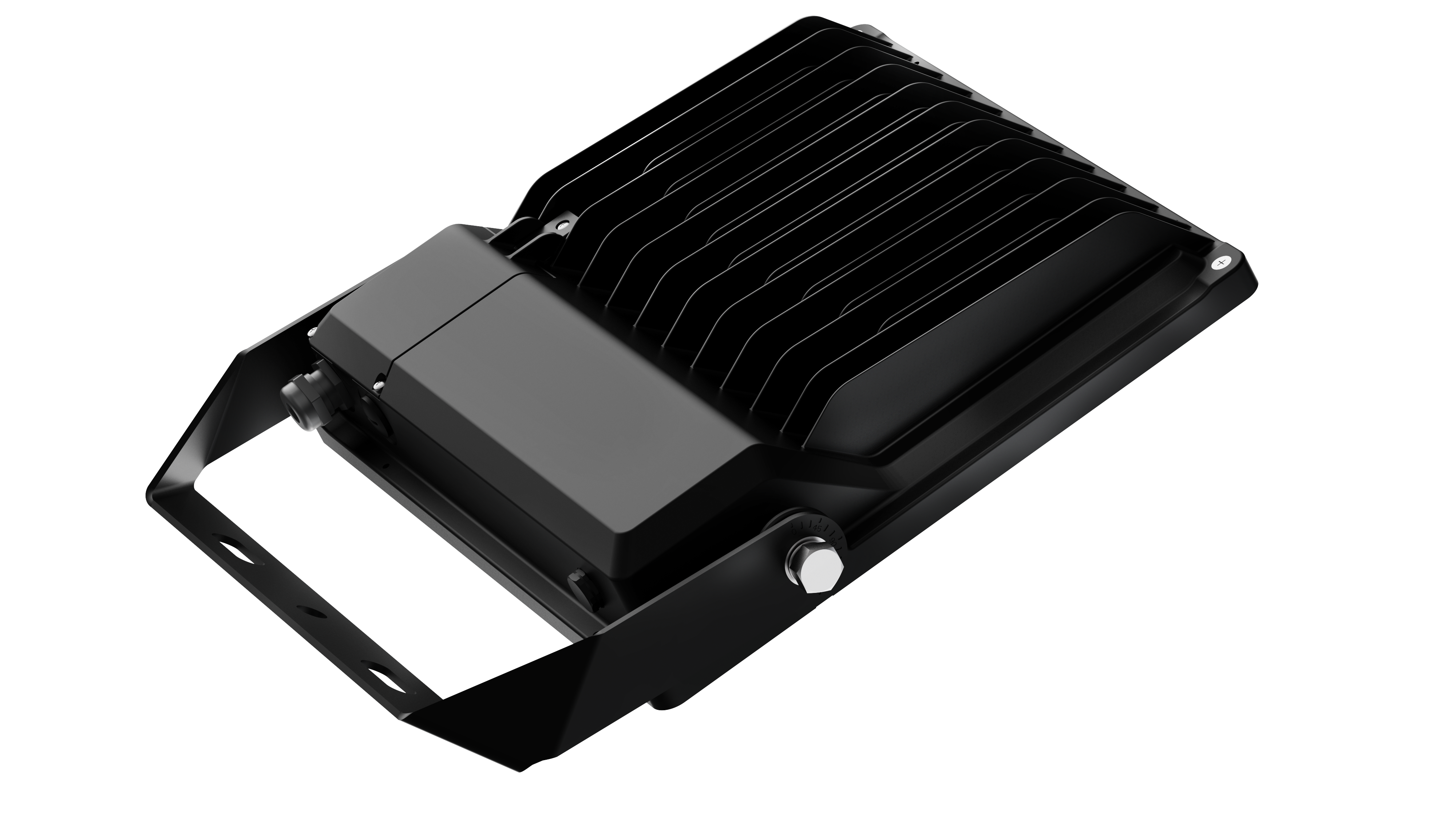
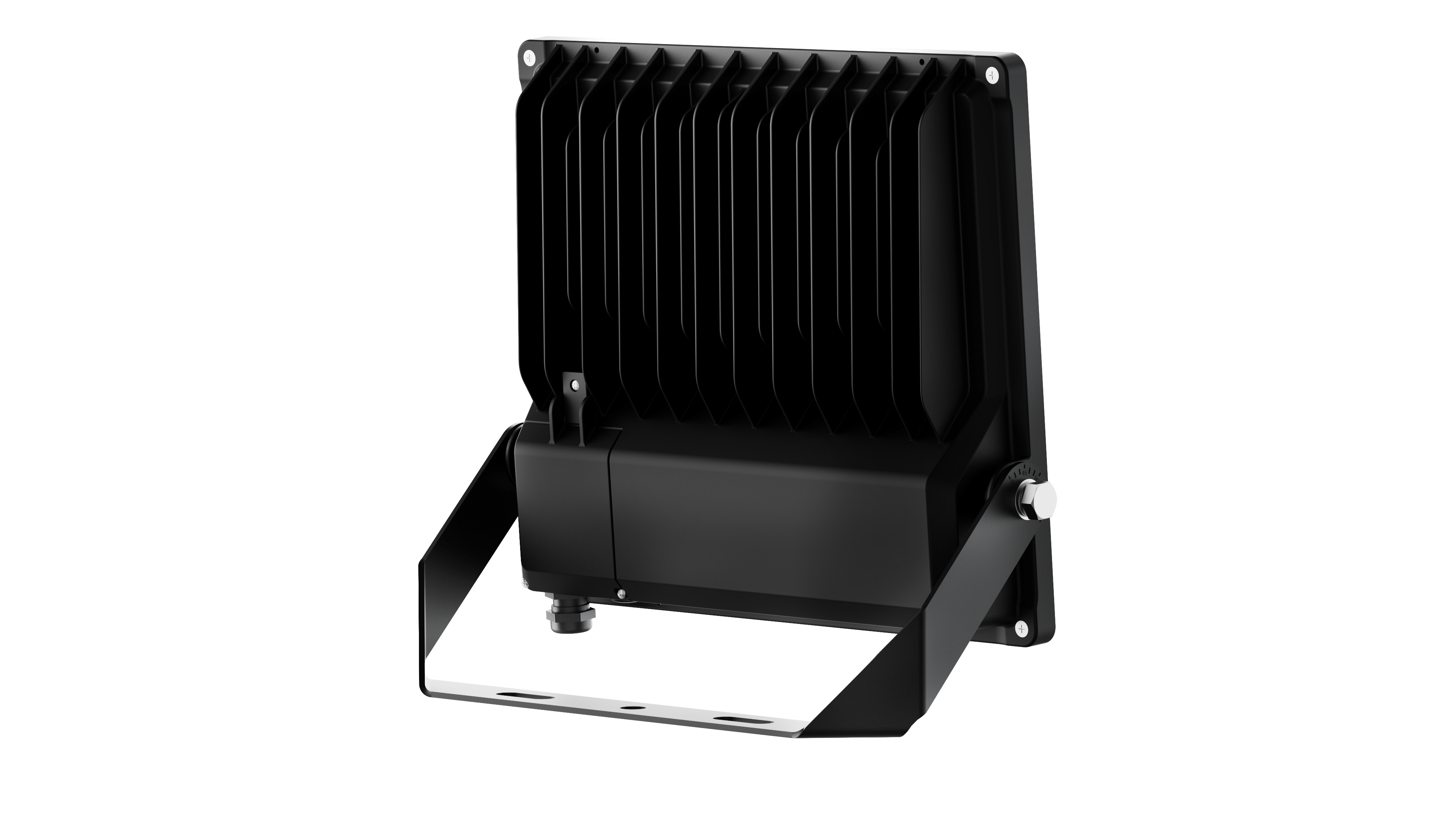
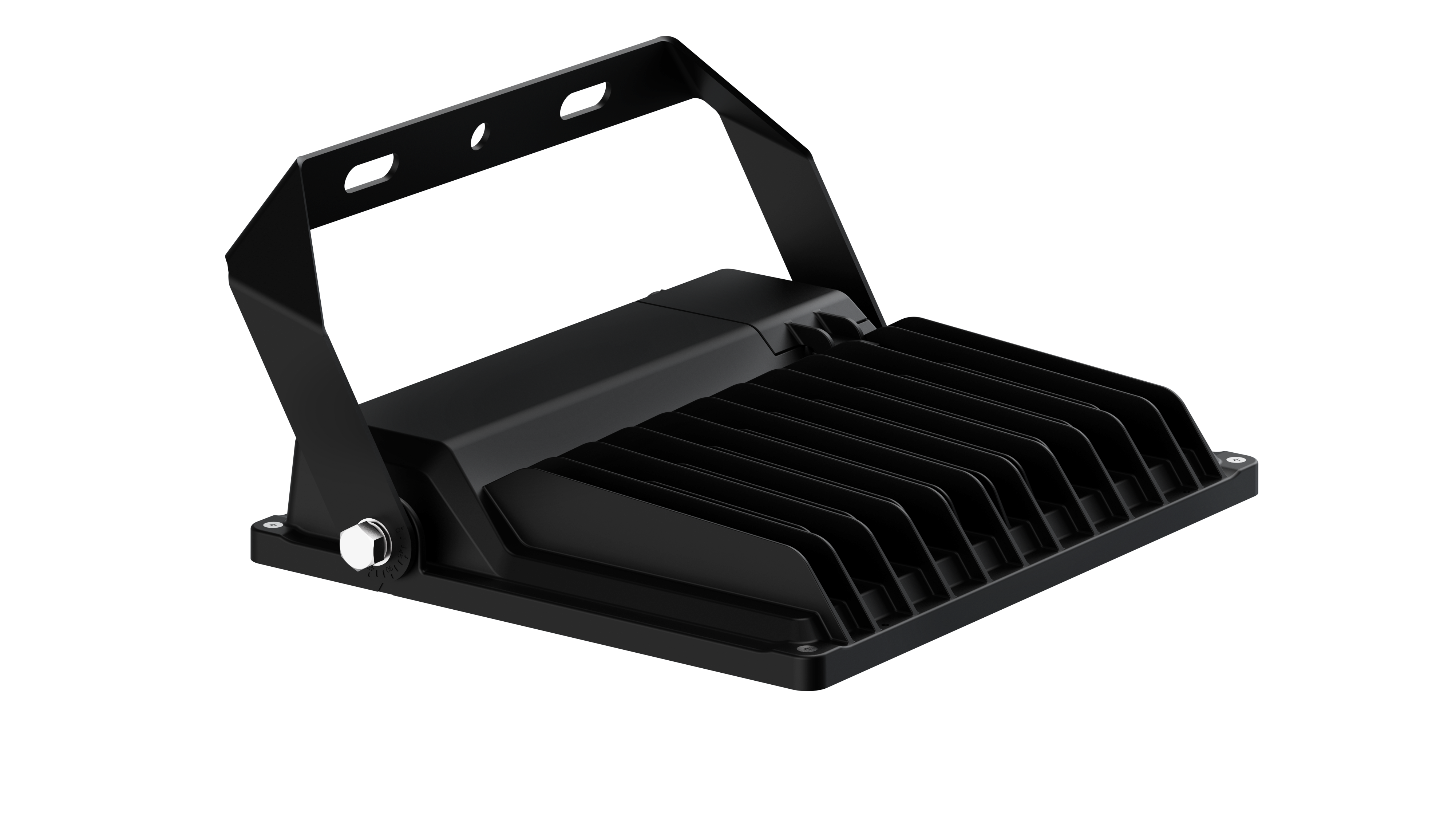
emergency flood lights
Emergency flood lights represent a critical safety solution designed to provide immediate, powerful illumination during unexpected power outages, natural disasters, or emergency situations. These specialized lighting systems combine robust construction with intelligent backup power capabilities to ensure continuous operation when conventional lighting fails. The primary function of emergency flood lights centers on delivering bright, wide-angle illumination across large areas, making them indispensable for commercial buildings, industrial facilities, warehouses, parking lots, and outdoor spaces where safety and security cannot be compromised. Technologically, modern emergency flood lights incorporate advanced LED chips that produce exceptional luminosity while consuming minimal energy, extending battery runtime significantly compared to traditional halogen alternatives. These units typically feature built-in rechargeable battery systems, often lithium-ion or sealed lead-acid configurations, which maintain constant readiness through trickle-charging mechanisms connected to main power supplies. Automatic switching circuits detect power interruptions within milliseconds, instantly activating the emergency lighting without any manual intervention required. The flood light design utilizes specialized reflectors and lens systems engineered to distribute light uniformly across extensive areas, eliminating dark spots and shadows that could pose hazards during evacuations or emergency responses. Weatherproof housings constructed from impact-resistant materials ensure reliable performance in harsh environmental conditions, including rain, snow, extreme temperatures, and corrosive atmospheres. Applications for emergency flood lights span diverse sectors: manufacturing plants rely on them to maintain safe working conditions during blackouts, retail establishments use them to guide customers safely during power failures, healthcare facilities depend on them for uninterrupted patient care areas, and municipalities install them along evacuation routes and emergency assembly points. The integration of smart features such as self-diagnostic testing, remote monitoring capabilities, and adjustable brightness settings further enhances their utility, ensuring compliance with safety regulations while optimizing operational efficiency and reducing maintenance requirements for facility managers.

 EN
EN