
 EN
EN
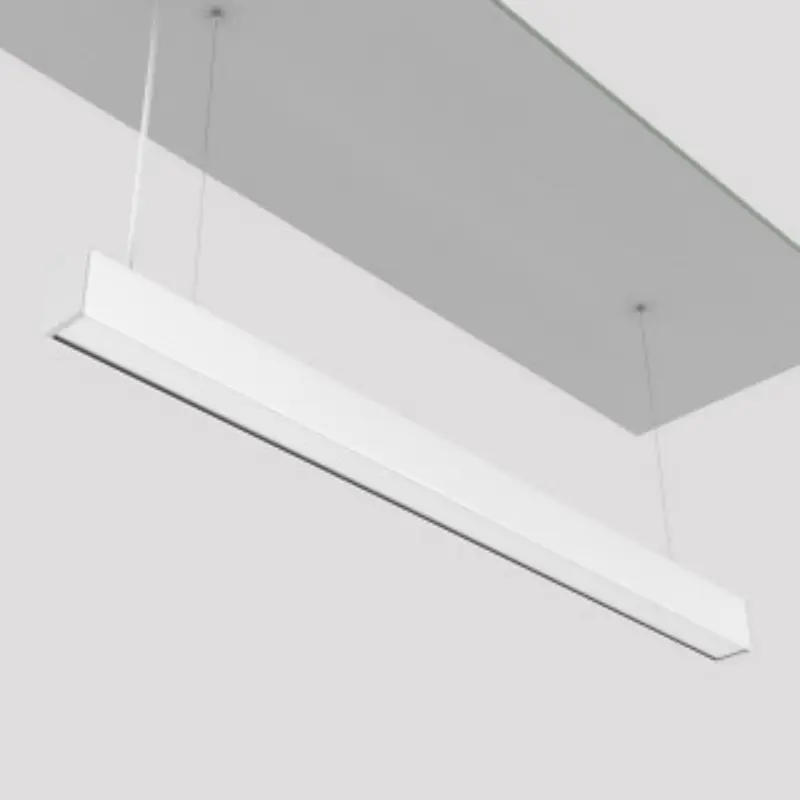
הבנת משך חייהן של נורות ה-LED הינו חיוני למנהלי מתקנים, מומחי רכש ובעלים של עסקים שמחפשים לאופטם את ההשקעות באור תוך הפחתת עלויות הפעלה. בעוד יצרנים לרוב מפרסמים נתונים מרשים על משך חיים ארוך של המוצרים שלהם מוצרים התקופה האמיתית של חיים של נורה LED באיכות גבוהה תלויה בגורמים רבים שקשורים זה בזה, אשר יוצאים בהרבה מעבר לאיכות המבנה (הצ'יפ) בלבד. גורמים אלו כוללים ניהול חום, תנאי חשמל, סטנדרטי ייצור, חשיפה לסביבה ותבניות פעולה, אשר יחד קובעים האם הנורה תגיע לתקופת החיים המצוינת שלה או תיכשל מוקדם יותר. על ידי בחינה מקיפה של הגורמים הקובעים הללו, ארגונים יכולים לקבל החלטות רכישה מושכלות, ליישם פרקטי התקנה מתאימים ולפתח פרוטוקולי תחזוקה שימקסמו את התמורה על ההשקעות שלהם בתשתיות الإضاءה.
תוחלת החיים של טכנולוגיית תאורת LED מייצגת אינטראקציה מורכבת בין מדעי החומרים, הנדסת חשמל ותנאי הפעלה במציאות, אשר לא ניתן לצמצם לפרט טכני יחיד בדפי הנתונים של המוצר. בעת הערכת הגורמים המשפיעים באמת על תוחלת החיים של נורת ה-LED, מומחים חייבים לקחת בחשבון לא רק את האיכות המובנית של רכיבי ה-LED עצמם, אלא גם את האופן שבו רכיבים אלו מתנהלים עם מעגלי הנהג (driver), מערכות פיזור חום ותנאי הסביבה שבהם הם פועלים. הבנת ההקשר הרחבה הזו הופכת קריטית במיוחד בסביבות מסחריות ותעשייתיות, שבהן כשלים בתאורה עלולים לשבש פעולות, לפגוע בבטיחות או לדרוש התערבות תחזוקה יקרה. על ידי טיפול שיטתי בכל גורם, ארגונים יכולים לקבוע ציפיות מציאותיות למערכות התאורה שלהם ולממש אסטרטגיות שמגן על ההשקעות שלהם לאורך טווח הזמן הארוך.
ניהול חום ודינמיקת פיזור החום
היחס הקריטי בין טמפרטורת הפעולה לפגיעת דיודות פולטות אור (LED)
החום מהווה את האויב החשוב ביותר לתקופת חיים של נורות LED, מכיוון שטמפרטורות חיבור גבוהות מאיצות את מנגנוני הידרדרות שמביאים בהדרגה להפחתת עוצמת האור ובסופו של דבר לכישלון מלא. בניגוד לנורות אינקנדסצנטיות מסורתיות שמבזבזות אנרגיה בעיקר דרך חום מוקרן, דיודות פולטות אור יוצרות חום בנקודת החיבור של הסמי-קונדקטור, שעלול להיעצר באופן יעיל מהשבב כדי לשמור על ביצועים אופטימליים. כאשר טמפרטורת החיבור עולה על סף המומלץ, בדרך כלל סביב 125 מעלות צלזיוס עבור רכיבים איכותיים, קצב ירידת הלומן גדל באופן אקספוננציאלי, ועשוי לקצר את תקופת החיים הצפויה של נורת ה-LED בחצי או יותר. רגישות תרמית זו מסבירה מדוע שתי נורות שנראות זהות לחלוטין עשויות להציג תקופות חיים שונות מאוד כאשר הן מותקנות בסביבות עם טמפרטורות סביבתיות שונות או מאפייני ונטילציה שונים.
מערכת הניהול התרמי באבזם LED באיכות גבוהה כוללת מספר רכיבי עיצוב הפועלים בשיתוף פעולה כדי להעביר חום מהצומת של דיודת ה-LED. רכיבים אלו כוללים חומרים תרמיים ל interfacing המחברים את שבב ה-LED לסובסטרט ההרכבה שלו, גאומטריית המניע התרמי ובוחר החומר שקובע את היכולת התרמית הכבולית, והעיצוב הכולל של האבזם שמאפשר קירור קונבקטיבי באמצעות זרימת אוויר. יצרנים מובילים משקיעים כמות משמעותית בדמוי תרמי ובבדיקות כדי לאופטימיזציה של מסלולי החום הללו, תוך הכרה בכך שניהול תרמי יעיל מתורגם ישירות לחיים ארוכים יותר של אבזם ה-LED ולפליטת אור עקבי לאורך זמן. להבדיל, מוצרים במחיר נמוך לעתים קרובות מחליפים על גודל המניע התרמי, איכות החומר או תרכובות הממשק התרמי, ויוצרים צוואר בקבוק תרמי שגורם לכישלון מוקדם של האבזם ללא קשר לאיכות שבב ה-LED.
השפעת הטמפרטורה הסביבתית על האורך המוערך של פעילות המערכת
הטמפרטורת הסביבתית שבה פועלת נורה LED יוצרת את תנאי החום הבסיסיים שממנו חייב להיפלט כל החום הפנימי, מה שהופך את הטמפרטורה הסביבתית לגורם חיצוני קריטי המשפיע על משך חיים של נורת LED. במתקנים תעשייתיים שבהם הטמפרטורה הסביבתית גבוהה עקב ציוד תהליכי, או ביישומים חוץ-חדריים שמתמודדים עם קרינה שמשית ישירה, נורות ה-LED נאלצות להתמודד עם תנאי חום קשים בהרבה מאשר באלו שב סביבות משרדיות ממוזגות. עלייה של עשרה מעלות צלזיוס בטמפרטורה הסביבתית יכולה לקצר את משך החיים האפקטיבי של נורת ה-LED ב-20–30 אחוזים בערך, מאחר שההפרש המצומצם בטמפרטורה בין צומת ה-LED לבין האוויר הסובב מפחית את יעילות מנגנוני הקירור הפסיביים. רגישות זו לטמפרטורה דורשת בחינה זהירה של מקומות ההתקנה ועשוייה לדרוש התאמת (derating) של נתוני משך החיים הצפויים בעת התקנת נורות LED ביישומים בעלי אתגרים תרמיים.
תאורת נורה מובנית יוצרת סביבה תרמית בעייתית במיוחד שמאיצה באופן דרמטי את הידרדרות דיודות הנוריות (LED) ומקצרת את משך חייהן של נורות LED בהשוואה להתקנות פתוחות. כאשר נורת LED פועלת בתוך תאורת נורה אטומה או בתוך גוף מוטבע ללא ציוד proper לالتهור, החום שנוצר על ידי הנורה מתרכז במרחב המוגבל, מה שמגביר הן את טמפרטורת הסביבה שמסביב לנורה והן את טמפרטורת המפגש בתוך דיודת ה-LED עצמה. החום הנלכד יוצר לולאת משוב תרמית שבה עליית הטמפרטורות מפריעה עוד יותר ליעילות פיזור החום, ויכולה לדחוף את טמפרטורת המפגש לטווחים שגורמים לירידה מהירה באינטנסיביות האור (lumen depreciation) ולתקלות ברכיבי הנהג (driver). קביעת נורות LED שדורגו לשימוש בתאורת נורה מובנית מבטיחה שמערכות ניהול החום תוכננו עם קיבולת מספקת כדי להתמודד עם התנאים הקשים הללו, אף על פי שגם מוצרים שקיבלו דירוג זה יסבלו מקיצור מסוים בפרק החיים של נורת ה-LED בהשוואה להתקנות באוויר פתוח.
תנאי הפעלה חשמליים ואיכות הספק
איכות מעגל הנהג ותקנון המתח
מעגל הנהג ה-LED משמש כממשק קריטי בין מתח הרשת למסדרת ה-LED, הממיר זרם חילופין לזרם ישר ממונח תוך הגנה על נורות ה-LED מפני תנודות מתח ועומסי חשמל פתאומיים שיכולים לפגוע באורך החיים של נורת ה-LED. נהגים איכותיים גבוהים כוללים מעגלי ניקוון מתוחכמים, סינון קלט והגנות נגד גלי עידוש שמייצרים זרם פלט יציב ללא תלות בשינויים במתח הקלט, מה שמבטיח ביצועי LED עקביים ומונע מצבים של עומס יתר שמאיצים את הידרדרות הנורה. ההבדל באיכות בין נהגים פרימיום לנהגים כלכליים בא לאור לא רק בתכונות הביצוע המיידי אלא גם באימונים ארוכי טווח, שכן נהגים זולים המשתמשים במספר מינימלי של רכיבים וקבלים דרגה נמוכה נכשלים לעיתים קרובות הרבה לפני שה-LED עצמו, ובכך מגבילים את אורך החיים הממשי של נורת ה-LED ללא קשר לאיכות שבב ה-LED.
התיקון של מקדם ההספק וניהול עיוותי ההרמוניות במעגל הנהג משפיע לא רק על יעילות האנרגיה אלא גם על המתח החום והחשמלי שמתפתח ברכיבי הנהג ובמערך ה-LED. נהגים עם מקדם הספק נמוך יוצרים זרם RMS גבוה יותר לאותה העברה של הספק אפקטיבי, מה שיוצר חימום התנגדותי נוסף הן במעגל הנהג והן בתשתיות החשמל של הבניין, ועשוי לפגוע בתקנים של איכות הספק במערכות מסחריות. באופן דומה, נהגים שיוצרים עיוותים הרמוניים משמעותיים מטילים מתח חשמלי ותהליך חימום נוספים על רכיביהם הפנימיים, מה שמאיץ את ההזדקנות של הקondenסורים ומנגנוני כשל אחרים שמגבילים בסופו של דבר את משך חיים של נורת ה-LED. מוצרים מקצועיים מבוססי LED כוללים מעגלי תיקון פעיל של מקדם הספק שמשמרים מקדם הספק גבוה מ-0.9 וממזערים את התוכן ההרמוני, ומספקים תפעול נקי שמועיל הן לנורה עצמה והן למערכת החשמל שמכילה אותה.
השתנות מתח והבעת גלגלת
איכות ויציבות האספקה החשמלית שמזינה נורות LED משפיעות באופן משמעותי על משך חייהן של נורות ה-LED; תנאי מתח גבוה כרוני, ירידות תדרתיות בתדירות גבוהה, וגלי מתח זמניים – כל אלה תורמים לבלאי מהיר של רכיבים ולכישלון מוקדם. אם כי מנהלי ה-LED באיכות טובה כוללים מעגלי סינון שנועדו להתמודד עם תנודות מתח טיפוסיות בתוך טווח קלט מוגדר, פעילות ממושכת בקצה העליון של טווח זה מגבירה את המתח על רכיבי המנהל, ובמיוחד על הקondenסאטורים האלקטרוליטיים, אשר מהווים נקודות כישלון נפוצות במערכות LED. תנאי מתח גבוה מאלצים את המנהל לפזר כמות גדולה יותר של אנרגיה בצורת חום תוך עשיית עבודה קשה יותר כדי לשלוט בזרם הפלט, מה שיוצר התקפה כפולה על משך החיים של הרכיבים, ויכולה לקצר את משך חייהן של נורות ה-LED בש Percentages משמעותיות בהשוואה לפעולתן בתוך טווח המתח הנקוב.
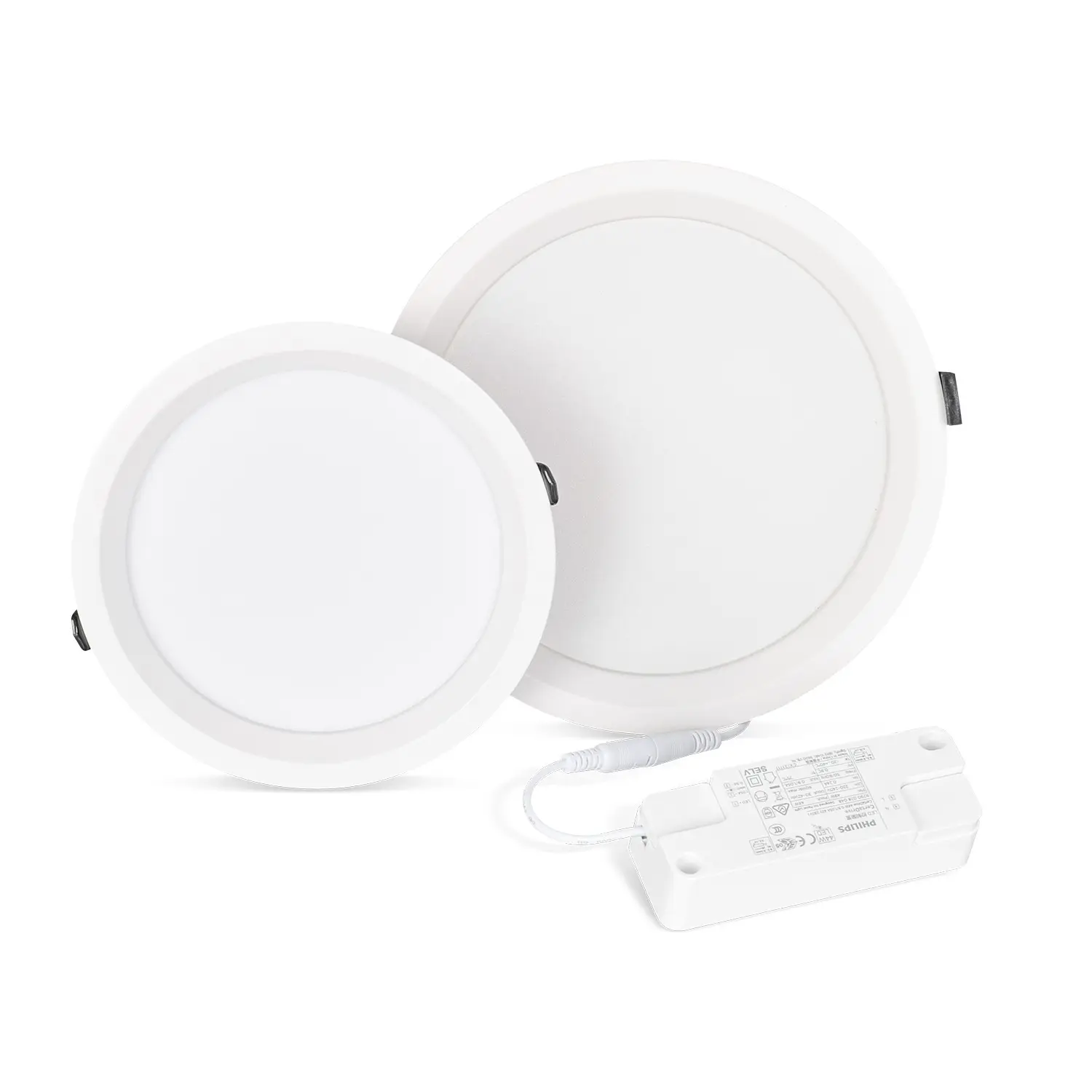
הנפצת ברקים, פעולות החלפת מתקנים ברשת החשמל ותהליכי ההפעלה של מנועים גדולים בתוך מבנים יוצרים גלי מתח זמניים שיכולים לפגוע באופן מיידי ברכיבי הנהגים של נורות LED או לגרום לנזק מצטבר שמופיע כירידה הדרגתית בביצועים, מה שמשפיע על משך חיים של נורת ה-LED. נהגים איכותיים כוללים וריסטורים מבוססי חמצן מתכתי (MOVs), דיודות עקיפת מתח זמני (TVS) ומסננים חזקים בכניסה כדי לספוג ולשנות את הכיוון של גלי החשמל הזמניים הללו לפני שהן מגיעות לרכיבים רגישים, אך קיבולת ההגנה היא סופית ומשתנה במידה רבה בין דרגות המוצרים השונות. במבנים עם איכות חשמל נמוכה או עם תקנת ארקה לא מספקת של מערכת החשמל, התקנת מכשירי הגנה מפני נזקי סחף (SPD) ברמת המבנה מספקת שכבת הגנה נוספת שמאפשרת להגן לא רק על תאורת ה-LED אלא על כל הציוד האלקטרוני, ובכך מאריכה את משך החיים של נורות ה-LED על ידי הפחתת המתח החשמלי המצטבר שאותו סובלים הרכיבים לאורך זמן שירותם.
איכות רכיבים ותקני ייצור
בחירת שבבים של LED ושיטות הסורтировה (Binning)
השבבים הלקטוניים הבסיסיים של LED שמייצרים אור משתנים במידה רבה באיכותם גם בין מוצרים מייצרנים מוכרים, כאשר בחירת השבבים ותהליכי הסיווג (binning) מהווים גורמים קובעים ביחס לתקופת חיים ולעקביות הביצועים של נורת ה-LED. יצרני LED מסדרים את השבבים שיוצאים מתהליך הייצור לתאים (bins) על סמך מתח קדימה, זרימת בהירות, טמפרטורת צבע ופרמטרים אחרים, כאשר סיבוב התאים (binning) עם סעיפי סובלנות צרים יותר מחייב מחיר פרימיום, אך מביא עקביות צבע טובה יותר ומאפייני דעיכה צפויים יותר. יצרני נורות LED איכותיות מציינים שבבים מהתאים הצרים ביותר, ולעיתים קרובות בוחרים שבבים עם דירוגי זרם שמרניים, ומניעים אותם בזרמים הנמוכים מהגדרות המקסימליות שלהם כדי להפחית את המתח ולהאריך את תקופת החיים של נורת ה-LED, בעוד שמוצרים במחיר נמוך עשויים להשתמש בתאים רחבים יותר ולניעול השבבים בזרמים שקרובים למקסימום כדי להשיג את ערך הלומן היעד במחיר מינימלי.
התכונות התרמיות והאלקטריות המובנות בעיצוב שבב ה-LED משפיעות על הדרך שבה המכשיר מדרדר את ביצועיו עם הזמן, כאשר שבבים איכותיים כוללים תכונות עיצוב שמאפשרות לשמור על ביצועים יציבים יותר ככל שמספר שעות הפעולה המצטבר גדל. לתכנונים אלו נכללים: מבנה השכבה האפיטקסיאלית שקובע את היעילות הקוונטית ותלותה בטמפרטורה, המטליזציה של האלקטרודות שמשפיעה על ההתנגדות החשמלית והתפלגות הזרם, ועיצוב האריזה שמשפיע על יעילות חילוץ האור ועל מאפייני העברת החום. למרות שפרטים אלו ברמת השבב נותרים לרוב בלתי נראים למשתמשים הסופיים, ההשפעה המשותפת שלהם על משך חיים של נורת ה-LED מתגלה דרך נתוני ביצועים ארוכי טווח, כאשר מוצרים המשתמשים בשבבים איכותיים שומרים על אחוזים גבוהים יותר מהפליטה הראשונית של לומן בנקודת סיום משך החיים המדורגת, לעומת מוצרים זולים שיכולים לחוות ירידה דרמטית בפליטת הלומן כבר בנקודת האמצע של משך החיים המדורג שלהם.
בחירת רכיבי הנהג ועיצוב מעגל
הרכיבים האלקטרוניים המרכיבים את מעגל דרייבר ה-LED מציגים מאפייני אמינות משלהם המשפיעים עמוקות על תוחלת החיים הכוללת של נורת ה-LED, כאשר החלטות בחירת רכיבים המתקבלות במהלך תכנון המוצר מהדהדות לאורך כל חיי השירות של המוצר. קבלים אלקטרוליטיים מייצגים רכיבים קריטיים במיוחד, מכיוון שלמכשירים אלה יש אורך חיים סופי היורד באופן אקספוננציאלי עם טמפרטורת ההפעלה, ולעתים קרובות הופכים לגורם המגביל בתוחלת החיים הכוללת של נורת ה-LED גם כאשר נורות ה-LED עצמן נשארות פונקציונליות. דרייברים פרימיום מציינים קבלים בטמפרטורה גבוהה המדורגים לחיים ממושכים בטמפרטורות גבוהות, בעוד שעיצובים חסכוניים עשויים להשתמש בקבלים ברמה סטנדרטית שחווים התדרדרות מהירה בסביבה התרמית בתוך נורת LED פעילה, וכתוצאה מכך כשלים בדרייבר שמסיימים את חיי הנורה בטרם עת.
בחירות טופולוגיות של מעגל וחלוקת שולי העיצוב מפרידות בין מנהלי מתח מקצועיים לאלטרנטיבות כלכליות, עם השלכות הן על הביצועים המיידיים והן על משך החיים הארוך של נורות ה-LED. תכנונים מתקדמים של מנהלי מתח עשויים לכלול תכונות כגון ירידה תרמית אוטומטית (thermal derating) שמקטינה באופן אוטומטי את זרם הפלט ככל שמעלות החום עולות כדי להגן על הרכיבים, סינון פעיל של הזרם שמשמר זרם קבוע ל-LED גם כאשר משתנים הטמפרטורה והמתח, ומערכות הגנה מקיפות שמנגנות נגד חיבורים קצרים, ח Sobravoltage, ח Sobracurrent, ותנאי חום יתר. השקעות אלו בתכנון מגדילות את עלות הייצור, אך מספקות שיפור משמעותי באימוניות ובמשך חיים של נורות ה-LED, בכך שהמנהל פועל תמיד בתוך גבולות המתח המותאמים לרכיבים בכל התנאים שנקבעו, עם שולי בטחון מספיקים כדי לספוג את הסטיות הטבעיות בפרמטרי הרכיבים לאורך חיי המוצרים.
דפוסי הפעלה מאפייני השימוש
שקולות תדירות המפסק והמחזור ההפעלה
התדירות שבה נורות LED עוברות מחזורי הפעלה/השהיה משפיעה על משך חייהן של נורות LED דרך מספר מנגנונים, כולל מתח תרמי הנובע מחזורים חוזרים של חימום וקירור, טרנסיאנטים חשמליים בעת ההפעלה, ואפקטים מצטברים של עייפות בחלקי החיבור (סולדרים) ובממשקים בין חומרים. בניגוד לטכנולוגיות פלואורסצנטיות שסובלות קשות מהחלפה תדירה, נורות ה-LED עצמן סובלות היטב מהחלפת הפעלה/השהיה, אך מעגלים המניעים (דרייברים) ומערכות הניהול התרמי נפגעים ממתחים מכניים וחשמליים בכל מעבר של הפעלה או השהיה. חיבורי הסולדר עוברים התפשטות וצריבה עם שינוי הטמפרטורה, מה שעלול ליצור סדקים בעייפות לאחר אלפי מחזורים, בעוד הקondenסטורים במעגלי הדרייבר נפגעים מספייקי זרם הזרמה (inrush current) בעת ההפעלה, מה שתרם לדרוג מצטבר; כל אלו משפיעים יחד על משך החיים הארוך של נורת ה-LED ביישומים הכוללים החלפה תדירה.
תבניות הפעלה רציפה לעומת פעילות מחזורית משפיעות על משך חיים של נורות LED דרך ההשפעה שלהן על החשיפה החום הצטברית ועל טמפרטורת הפעולה הממוצעת. ביישומים שבהם הנורות מוארות באופן רציף, כגון תאורה במבני חניה או תאורת אבטחה לאורך גבול מבנים תעשייתיים, ה-LEDs נתונים לטמפרטורות צומת גבוהות ורציפות שמעדינות בהדרגה את תהליך ירידת הלוומניזציה, אף על פי שהיעדר מחזורי חום מסיר את המתחים המכאניים הקשורים בשינויים חוזרים בתמפרטורה. להבדיל, הפעלה מחזורית מאפשרת תקופות קירור שמחסירות את טמפרטורת הצומת הממוצעת ונותנות הזדמנות להרפיית מתח בחומרים, מה שיכול לארוך את משך החיים של נורות ה-LED למרות הוספת המתחים הנובעים ממחזורי החום. החשיבות היחסית של האפקטים המתחרים הללו תלויה בתנאי היישום הספציפיים: מחזורי החום שולטים בסביבות טמפרטורה מתונה, בעוד שטמפרטורות צומת גבוהות ורציפות הופכות למשמעותיות יותר ביישומים בטמפרטורת סביבה גבוהה.
תפעול עמעום ואסטרטגיות בקרה
תפעול נורות LED ברמות פליטה מופחתות באמצעות עמעום מאריך את תקופת חייהן של נורות ה-LED על ידי הפחתת טמפרטורת המפגש (junction) וצמצום קצב תהליכי הידרדרות פוטוכימית ותרמית שמתפתחים עם סך הפליטה האורית המצטברת. כאשר מתבצע עמעום כראוי, תוך שימוש במפענלים ובמערכות בקרה תואמים, הוא מפחית את הזרם הזורם דרך מפגשי ה-LED, מה שמפחית באופן ישיר הן את פיזור ההספק החשמלי והן את ייצור ההספק האופטי, ומביא להפחתת טמפרטורת המפגש – שהיא הגורם העיקרי להידרדרות ה-LED. מתקנים אשר מיישמים אסטרטגיות עמעום המבוססות על ניצול האור הטבעי או על זיהוי נוכחות, מודדים לא רק חיסכון באנרגיה מיידי אלא גם הארכת תקופת חיים של נורות ה-LED, מאחר שנורות אלו מבצעות חלק משמעותי מזמן פעילותן ברמות פליטה מופחתות, שבהן קצב ההידרדרות יורד באופן משמעותי בהשוואה לפעולתן ברמת הספק מלא.
האיכות והתאימות של יישום עמעום משפיעים באופן משמעותי על כך שמעמעום יספק את היתרונות הפוטנציאליים שלו באורך חיים של נורות LED או שיגרום לבעיות ביצועים שעלולות להגביר בפועל את קצב הפגיעות. יישום עמעום לקוי באמצעות בקרים שאינם תואמים או מנגנוני הפעלה מעוצבים בצורה גרועה עלולים לגרום לרעידה, לפעולת אי-יציבות או לרעש חשמלי המלחיץ את רכיבי המנגנון וללא כל יתרון תרמי לנורות ה-LED. מוצרים מובילים של נורות LED ניתנות לעמעום כוללים עיצובים מתקדמים של מנגנוני הפעלה שמאפשרים עמעום חלק ויציב לאורך טווח רחב של פלט, תוך הבטחת ביצועים חשמליים אופטימליים בכל רמת עמעום; לעומת זאת, מוצרים זולים עלולים לתפקד רק בטווח עמעום מצומצם, להציג אי-יציבות בביצועים ברמות הנמוכות ביותר של העמעום או לסבול מבעיות תאימות שפוגעות הן בתפקוד המיידי והן באורך החיים הארוך של נורות ה-LED. אימות התאימות בין המניע לעמעום למוצר הנבחר והגדרת מוצרים שתוכננו במיוחד עבור אסטרטגיית הבקרה המבוקשת מבטיחים כי יישום העמעום יספק את היתרונות הצפויים גם מבחינת יעילות אנרגטית וגם מבחינת משך חיים ארוך של הציוד.
גורמים סביבתיים ונושאים הקשורים להתקנה
השפעות החשיפה לחumidity וללחות
לחות סביבתית וחשיפה ישירה למים יוצרים סיכונים של קורוזיה ונתיבי דליפת חשמל שיכולים לפגוע באורך החיים של נורות LED באמצעות מספר מנגנוני כשל המשפיעים הן על האלקטרוניקה של הנהג והן על רכיבי ה-LED. סביבות בעלות לחות גבוהה מאיצות את הקורוזיה האלקטרוכימית של מסילות לוחות הפעלה, פסי החיבורים של הרכיבים וצמתים מלובנים, במיוחד כאשר הן מתחברות עם זיהומים או מחזורי טמפרטורה שמעודדים היווצרות קondenסציה. מעגלים של נהגים הפועלים בתנאי לחות עלולים לחוות עלייה בזרמי הדליפה, שינוי בפרמטרי הרכיבים ובסופו של דבר קורוזיה שגורמת לפסיפיות פתוחות או קצרות שמסיימות את אורך החיים של נורת ה-LED מוקדם מדי. מוצרים איכותיים של LED כוללים כיסוי קונפורמלי על לוחות הפעלה, גופי נהגים אטומים וכלי חומר مقاומים לקורוזיה כדי להקטין את מנגנוני ההתדרדרות הנובעים מהלחות, אך רמות ההגנה משתנות באופן משמעותי בין דרגות המוצרים.
יישומים חיצוניים וסביבות תעשייתיות עם רמת לחות גבוהה, כגון מתקני עיבוד מזון או מפעלי כימיה, דורשים מוצרי LED שדורגו במיוחד למקומות רטובים או לחים, עם דירוגי הגנה מפני חדירה (Ingress Protection) המאמתים את היכולת של המוצר להגן על עצמו מפני חדירת לחות ולשמור על פעילות בטוחה ואמינה. מערכת הדירוגים IP מגדירה את רמת ההגנה מפני חדירת חלקיקים מוצקים ומים, ודירוגים כגון IP65 מצביעים על בנייה אטומה לאבק ובהגנה מפני זרמי מים מכל כיוון. התקנת נורות LED עם הגנה בלתי מספקת מפני חדירה בסביבות קשות מבטיחה כמעט בדיעבד כשל מוקדם וקיצור של תקופת חיים של נורת ה-LED, מאחר שהלחות חודרת לתוך המעטפות, מתעכנת על לוחות הפסים החשמליים ומתחילה תהליכי קורוזיה שמפיגים בהדרגה את הביצועים החשמליים. יישום נכון של מוצרים שנדרגו לסביבה, בהתאמה למצבים האמיתיים של החשיפה, מהווה תנאי מקדים יסודי להשגת תקופת החיים המדורגת של נורת ה-LED בהתקנות מאתגרות.
גורמים של רטט ומעמסה מכנית
רטט מכני הנובע מציוד תעשייתי, מהתקנת נורות LED על כלי רכב או מרזוננס מבני תורם ללחצים פיזיים על נורות ה-LED, שיכולים לגרום להתעייפות חיבורי הלחיצה, לה afshat חיבורים ולפגוע ברכיבים באופן מכני, ובכך לקצר את משך חייהן של נורות ה-LED ביישומים בעלי רטט גבוה. אף על פי שטכנולוגיית ה-LED מאפסת את השבריריות של החוט המלויין שהפכה את נורות הבנילין לפגיעות במיוחד לרטט, הרכיבים האלקטרוניים וההרכבות המכניות בתוך מוצרי ה-LED נותרות רגישות למנגנוני כשל הנגרמים על ידי רטט. חיבורי הלחיצה שמחברים רכיבים ללוחות מעגלים חווים לחץ מחזורי תחת רטט מתמשך, מה שמביא להצטברות נזק התעייפות שיכול בסופו של דבר להוביל לחיבורים לא יציבים או לשבר מלא של החיבור; באותו אופן, חיבורי החוטים בתוך אריזות ה-LED עלולים גם הם לחוות כשלים עקב התעייפות שמסיימים את משך חייהן של נורות ה-LED.
יישומים כגון תאורת ציוד ייצור, תאורת מנשאות תקרה או תאורת רכב תחבורה דורשים מוצרי LED שתוכננו במיוחד כדי לשרוד חשיפה לרעידה באמצעות בנייה מחוזקת ועיצוב מכני משופר. נורות LED שדורגו לסביבות רעידה עשויות לכלול תכונות כגון אלקטרוניקה של הפעלה (Driver) המוקלחת (Potted) כדי ליצב את הרכיבים מול תנועה, חיבורים מלחיים מחוזקים באמצעות מתלים משופרים או תמיכה מכנית נוספת, ועיצוב גוף עמיד שמביד את הרכיבים הפנימיים מהלחץ המכאני החיצוני. קביעת מוצרים עם דירוג מתאים ליישומים הנמצאים בסיכון לרעידה היא חיונית כדי להשיג את אורך החיים הצפוי של נורות ה-LED, מאחר שמוצרים סטנדרטיים המשמשים בסביבות בעלות רעידה גבוהה סובלים בדרך כלל מקצב כשל מאיץ, גם אם ביצעו היטב בהתקנות סטטיות. הבנת הסביבה המכנית וביקורת מוצרים שתוכננו במיוחד לתנאים אלו מבטיחה שחשיפת הרעידה לא תהפוך לגורם בלתי צפוי שימנע את האמינות של מערכת התאורה ואורך חיים של נורות ה-LED.
שאלה נפוצה
מהו טווח العمر הרגיל של נורות LED באיכות גבוהה בתנאי פעולה נורמליים?
נורות LED באיכות גבוהה מ logy בדרך כלל משיגות תקופת חיים תפעולית של 25,000 עד 50,000 שעות בתנאי תפעול נורמליים, כאשר מוצרים פרמיומים בסביבות אופטימליות עלולים לחרוג מ-50,000 שעות לפני שמגיעים לסף L70 הסטנדרטי של התעשייה, שבו פליטת האור ירדה ל-70% מלומינוס הראשוניים. תקופת החיים הזו של נורת ה-LED מתורגמת לתקופה של כ-15–25 שנה של שירות ביישומים מסחריים טיפוסיים עם 8–12 שעות פעילות יומית, אם כי תקופת החיים הממשית המושגת תלויה באופן קריטי בסביבה התרמית, בתנאי החשמל ובתבניות השימוש הספציפיות בכל התקנה. מוצרים שפועלים ללא הפסקה בסביבות חמה במיוחד או המוצבים באיכות חשמל נמוכה עלולים לחוות קיצור משמעותי בתקופת החיים, בעוד שהמוצרים שזוכים לניהול תרמי מעולה ולחיבור חשמלי יציב עלולים לעלות על דירוגי היצרן.
איך משפיע הפעלת נורת LED במערכת דימום (הקטנת הספק) על משך חייה הצפוי?
הפעלת נורות LED ברמות פליטה מופחתות באמצעות דימום מאריכה בדרך כלל את משך חייהן של נורות ה-LED, בכך שהיא מפחיתה את טמפרטורת המפגש (junction temperature) ומאטת את תהליכי ההתדרדרות שמתפתחים עקב לחץ תרמי ואופטי. לדוגמה, כאשר מנמיכים את הפליטה ל-50% מהערך המרבי, טמפרטורת המפגש של דיודת ה-LED יורדת בדרך כלל ב-10–20 מעלות צלזיוס בהשוואה לפעולתה במקסימום הספק, מה שיכול להאריך את משך חייה של נורת ה-LED ב-30–50% ויותר, תלוי בעיצוב הספציפי של מערכת הניהול התרמי ובתנאי הסביבה. הארכה זו בתקופת החיים מתרחשת בשל הקשר האקספוננציאלי בין הטמפרטורה לקצב ההתדרדרות: גם הפחתות טמפרטורה קלות יחסית מביאות לשיפור משמעותי באורך החיים של הרכיבים, ולכן אסטרטגיות הדימום הן חשובות לא רק לצורך חיסכון באנרגיה אלא גם כדי למקסם את התשואה על ההשקעה בתשתיות الإضاءה.
התקנת נורות LED במנורות סגורות עלולה לקצר משמעותית את תוחלת חייהן בהשוואה להתקנה במנורות פתוחות?
התקנת נורות LED בזקיפים סגורים ללא ויסות או צירקולציה מתאימים של אוויר עלולה לקצר באופן דרמטי את תוחלת החיים של נורות ה-LED ב-30–50% ויותר בהשוואה להתקנות בזקיפים פתוחים, מאחר שהסביבה הסגורה אוגרת חום ומעלה הן את טמפרטורת הסביבה שמסביב לנורה והן את טמפרטורת המפגש בתוך שבבי ה-LED. עונש תרמי זה מתרחש משום שזקיפים סגורים מונעים את הצירקולציה הקונבקטיבית של האוויר שמניבה בדרך כלל את הסרחת החום מהמשטחים המקררים של נורות ה-LED, ובכך כופתים על מערכת הניהול התרמי לפעול עם הפרש טמפרטורה מצומצם בין טמפרטורת המפגש של ה-LED לבין טמפרטורת האוויר הסובב. כדי למזער השפעה זו, יש למוסדות לציין במפורש נורות LED שמתאימות להתקנה בזקיפים סגורים, אשר כוללות מערכות מתקדמות יותר לניהול תרמי, שתוכננו לפעול ביעילות בסביבות תרמיות קשות; לחלופין, ניתן לשנות את הזקיפים כדי לשפר את הויסות והפיזור התרמי, כאשר הדבר אפשרי.
מהי החשיבות של איכות אספקת הזרם החשמלי בקביעת משך חיים של נורת LED?
איכות הכוח החשמלי משפיעה באופן משמעותי על משך חיים של נורות LED, כאשר מצבים מתמשכים של עלייה במתח, תנודות מתח תכופות וגלגלי מתח זמניים מאיצים את הידרדרות הרכיבים במעגלי המניע, אשר מהווים נקודות כשל נפוצות שמגבילות את משך החיים הכולל של המוצר. פעילות ממושכת במתחים קרובים לגבול העליון של טווח הקלט שצוין מגבירה את המתח על רכיבי המניע, ובמיוחד על הקondenסאטורים האלקטרוליטיים, ויכולה לקצר את משך חיים של נורות LED ב-20–40% בהשוואה לפעולתן במתחים הנומינליים. באופן דומה, חשיפה תכופה לגלגלי מתח זמניים הנובעים מברקים, החלפת צדדים על ידי חברת החשמל או אירועים חשמליים במתקנים גורמת נזק מצטבר לרכיבי הגנת סurge ולמעגלי המניע, עד שבסופו של דבר מערכות הגנה אלו נכשלות, ומביאות לכשלים מוקדמים. מתקנים שעוברים איכות חשמל ירודה צריכים לשקול התקנת ציוד הגנת סurge ורגולציה של מתח ברמה של המתקן כולו, כדי להגן על כל תשתיות الإضاءה שלהם ולמקסם את משך חיים של נורות LED בכל ההתקנות.
תוכן העניינים
- ניהול חום ודינמיקת פיזור החום
- תנאי הפעלה חשמליים ואיכות הספק
- איכות רכיבים ותקני ייצור
- דפוסי הפעלה מאפייני השימוש
- גורמים סביבתיים ונושאים הקשורים להתקנה
-
שאלה נפוצה
- מהו טווח العمر הרגיל של נורות LED באיכות גבוהה בתנאי פעולה נורמליים?
- איך משפיע הפעלת נורת LED במערכת דימום (הקטנת הספק) על משך חייה הצפוי?
- התקנת נורות LED במנורות סגורות עלולה לקצר משמעותית את תוחלת חייהן בהשוואה להתקנה במנורות פתוחות?
- מהי החשיבות של איכות אספקת הזרם החשמלי בקביעת משך חיים של נורת LED?