Billboard Lighting Solutions: Energy-Efficient LED Illumination Systems for Maximum Advertising Impact

Get a Free Quote

Our representative will contact you soon.
Email
Name
Company Name
Message
0/1000

billboard lighting

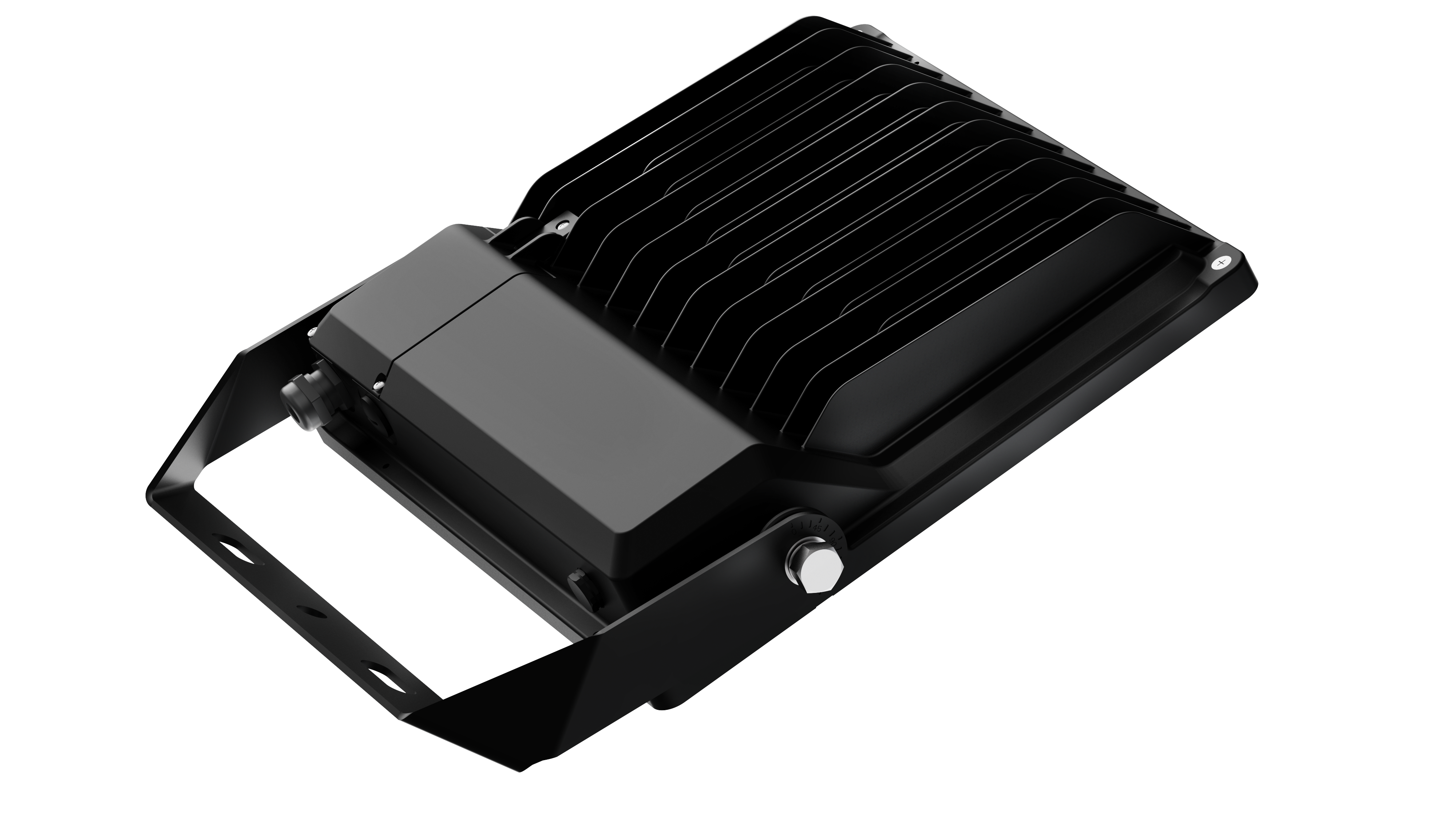
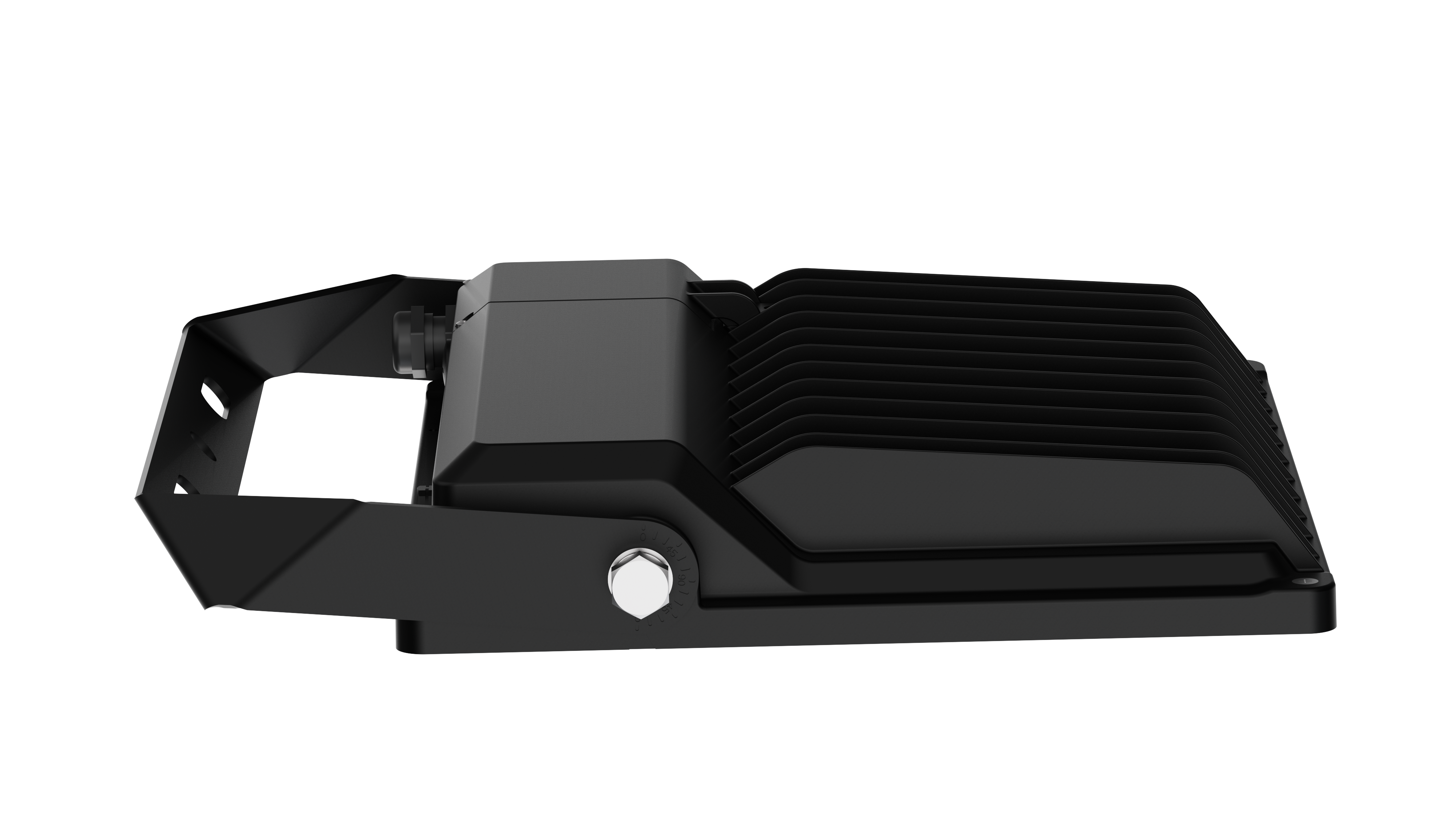
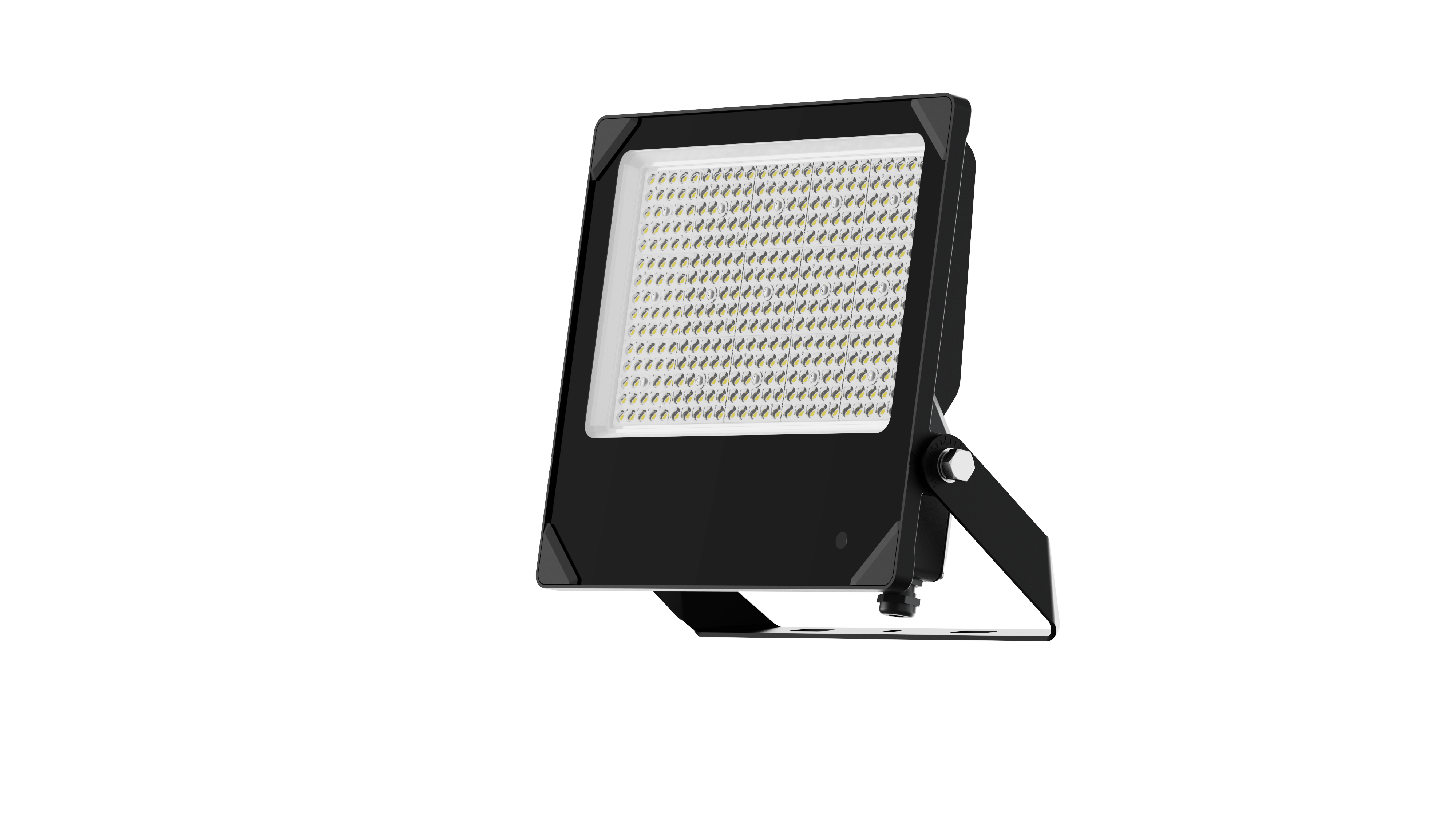
Billboard lighting represents a critical component in outdoor advertising infrastructure, designed specifically to illuminate large-format advertisements during nighttime hours and low-light conditions. This specialized lighting system ensures that promotional messages, brand communications, and visual content remain visible and impactful around the clock, maximizing advertising investment returns. Modern billboard lighting incorporates advanced illumination technologies that deliver consistent, high-quality light distribution across entire display surfaces, ranging from traditional printed vinyl billboards to contemporary digital LED screens. The primary functions of billboard lighting include providing adequate illumination levels for clear visibility from significant distances, enhancing color accuracy and vibrancy of advertised content, and maintaining operational efficiency throughout extended nighttime periods. These systems typically employ either external flood lighting arrangements or integrated LED modules, depending on billboard type and installation requirements. Technological features have evolved considerably, with current billboard lighting solutions incorporating energy-efficient LED technology, intelligent control systems, and weather-resistant construction materials. LED-based billboard lighting systems offer superior performance compared to traditional metal halide or fluorescent alternatives, delivering brighter output while consuming substantially less electrical power. Advanced control mechanisms enable automated operation based on ambient light sensors, scheduling capabilities, and remote monitoring functions. Many contemporary systems include dimming features that adjust brightness levels according to surrounding environmental conditions, reducing light pollution and energy waste during late-night hours. Weather-resistant housings protect sensitive electrical components from moisture, dust, and temperature fluctuations, ensuring reliable operation in diverse climatic conditions. Applications for billboard lighting span numerous sectors, including highway advertising, urban commercial districts, sports venues, entertainment complexes, and transportation hubs. Retailers, service providers, entertainment companies, and corporate brands rely on properly illuminated billboards to maintain continuous visual presence and drive consumer engagement. The effectiveness of billboard lighting directly influences advertising campaign success, making it an essential investment for property owners, advertising agencies, and businesses seeking maximum visibility in competitive markets.


New Product Releases

Billboard lighting delivers substantial practical benefits that directly impact advertising effectiveness and operational economics. First and foremost, proper illumination extends advertising visibility beyond daylight hours, effectively doubling or tripling the exposure time for promotional messages. This extended visibility translates into significantly more impressions per day, increasing the value proposition for advertisers and justifying premium rental rates for billboard owners. Modern LED billboard lighting systems reduce energy consumption by sixty to seventy percent compared to traditional lighting technologies, resulting in dramatic decreases in monthly electrical expenses. These savings accumulate rapidly, particularly for operators managing multiple billboard locations, often recovering initial equipment investment within two to three years. Maintenance requirements decrease substantially with LED billboard lighting due to extended operational lifespans exceeding fifty thousand hours, compared to five thousand hours for conventional bulbs. This longevity means fewer service calls, reduced labor costs, and minimal disruption to advertising campaigns. The superior light quality produced by contemporary billboard lighting enhances color rendering and contrast, making advertised content more visually appealing and attention-grabbing. Improved visibility leads to better message retention among viewers, increasing campaign effectiveness for advertisers and strengthening relationships between billboard operators and their clients. Automated control features eliminate the need for manual switching, ensuring billboards illuminate precisely when needed without requiring staff intervention. Scheduling capabilities allow operators to optimize operating hours based on traffic patterns and local regulations, maximizing exposure during peak viewing periods while conserving energy during low-traffic times. Remote monitoring systems provide real-time status updates, alerting maintenance teams immediately when issues arise and enabling proactive management approaches. This connectivity reduces downtime and ensures consistent advertising delivery. Environmental benefits represent another significant advantage, as energy-efficient billboard lighting reduces carbon footprints and demonstrates corporate environmental responsibility. Many jurisdictions offer tax incentives or rebates for upgrading to energy-efficient lighting systems, further improving financial returns. The directional nature of LED billboard lighting minimizes light spillage into surrounding areas, reducing complaints from nearby residents and maintaining positive community relations. Consistent illumination quality preserves brand image integrity by ensuring colors and graphics appear as intended throughout the night. Dimming capabilities allow operators to comply with local light pollution ordinances while maintaining adequate visibility. The durability of modern billboard lighting systems withstands harsh weather conditions, from extreme heat to freezing temperatures, ensuring reliable performance regardless of climate. Quick installation processes minimize disruption when upgrading existing billboards or constructing new installations. Compatibility with both traditional printed billboards and digital display technologies provides flexibility for diverse advertising formats. The professional appearance of well-lit billboards enhances property values and contributes positively to urban landscapes, benefiting property owners and communities alike.

Latest News

How Can T8 LED Tube Provide Long Lifespan in Continuous Lighting Use?

24

Mar

How Can T8 LED Tube Provide Long Lifespan in Continuous Lighting Use?

T8 LED tubes have revolutionized commercial and industrial lighting by offering exceptional longevity even under demanding continuous operation conditions. Unlike traditional fluorescent tubes that degrade rapidly when left on for extended periods, m...
View More
How Do Modern Buildings Optimize Performance with Commercial Lighting?

21

Apr

How Do Modern Buildings Optimize Performance with Commercial Lighting?

Modern buildings are increasingly sophisticated in their approach to performance optimization, with commercial lighting serving as a critical component in achieving energy efficiency, occupant comfort, and operational cost reduction. The strategic im...
View More
What Factors Affect the Lifespan of a High-Quality LED Bulb?

08

May

What Factors Affect the Lifespan of a High-Quality LED Bulb?

Understanding the LED bulb lifespan is essential for facility managers, procurement specialists, and business owners who seek to optimize lighting investments while reducing operational costs. While manufacturers often advertise impressive longevity ...
View More
Why Is LED Batten Ideal for Simple and Efficient Lighting Solutions?

27

May

Why Is LED Batten Ideal for Simple and Efficient Lighting Solutions?

Modern commercial and industrial environments demand lighting solutions that combine simplicity with performance, and LED batten fixtures have emerged as a leading choice for spaces requiring straightforward yet effective illumination. These linear l...
View More

Get a Free Quote

Our representative will contact you soon.
Email
Name
Company Name
Message
0/1000

billboard lighting

Energy Efficiency and Cost Reduction Through Advanced LED Technology

Energy Efficiency and Cost Reduction Through Advanced LED Technology

The transition to LED-based billboard lighting represents a transformative development in outdoor advertising infrastructure, delivering unprecedented energy efficiency that fundamentally changes operational economics. Traditional billboard lighting relied heavily on metal halide or high-pressure sodium lamps that consumed enormous amounts of electricity while generating excessive heat and requiring frequent replacements. These legacy systems typically consumed between four hundred and one thousand watts per fixture, with multiple fixtures needed for adequate billboard illumination. In stark contrast, modern LED billboard lighting systems achieve superior brightness levels while consuming merely sixty to one hundred fifty watts per fixture, representing energy savings of seventy to eighty-five percent. For a typical billboard requiring six to eight lighting fixtures, this translates into annual electricity cost reductions ranging from eight hundred to fifteen hundred dollars per installation, depending on local utility rates and operating schedules. When multiplied across portfolios containing dozens or hundreds of billboard locations, these savings reach truly significant figures that dramatically improve profitability margins. The financial benefits extend well beyond monthly utility bills, encompassing substantial reductions in maintenance expenditures. LED billboard lighting modules operate reliably for fifty thousand to one hundred thousand hours under normal conditions, compared to merely five thousand to ten thousand hours for conventional lamps. This tenfold increase in operational lifespan means billboard operators can expect five to ten years of maintenance-free operation, eliminating the recurring costs of bulb purchases, labor for replacement, and equipment rental for accessing elevated installations. The reduction in maintenance activities also minimizes business disruption and ensures advertising clients receive consistent exposure without dark periods caused by burned-out lamps. Environmental considerations have become increasingly important for businesses seeking to demonstrate corporate responsibility and comply with sustainability mandates. LED billboard lighting directly addresses these concerns by reducing carbon emissions associated with electricity generation, contributing meaningfully toward environmental goals while simultaneously improving bottom-line performance. Many utility companies and government agencies offer financial incentives, rebates, or tax credits for businesses upgrading to energy-efficient lighting technologies, further accelerating return on investment. The superior thermal management characteristics of LED systems eliminate the excessive heat generation associated with traditional lighting, reducing fire risks and extending the lifespan of billboard materials and structural components. Cooler operating temperatures also mean reduced strain on electrical infrastructure and lower cooling requirements for electronic components in digital billboard installations.
Superior Illumination Quality and Enhanced Advertising Impact

Superior Illumination Quality and Enhanced Advertising Impact

The effectiveness of any billboard ultimately depends on its ability to capture attention, communicate messages clearly, and create memorable impressions among passing viewers. Billboard lighting plays an absolutely critical role in achieving these objectives, particularly during nighttime hours when a significant portion of potential audience exposure occurs. Modern LED billboard lighting systems deliver exceptional illumination quality characterized by uniform light distribution, accurate color rendering, and optimal brightness levels that maximize advertising impact. Unlike older lighting technologies that produced uneven illumination with bright spots and shadowy areas, contemporary LED systems utilize precision-engineered optics and strategic fixture placement to achieve consistent light coverage across entire billboard surfaces. This uniformity ensures that every element of advertised content receives appropriate illumination, preventing important details from disappearing into darkness or being washed out by excessive brightness. The color rendering capabilities of high-quality LED billboard lighting faithfully reproduce the intended hues of brand logos, product images, and graphic elements, maintaining visual consistency between daytime appearance and nighttime presentation. This accuracy is measured by the Color Rendering Index, where premium LED systems achieve ratings of eighty-five to ninety-five, comparable to natural daylight. Accurate color reproduction is particularly crucial for brands with specific color identities, food advertisers where appetizing appearance matters tremendously, and retail promotions where product visualization drives purchasing decisions. The brightness levels achievable with LED billboard lighting can be precisely calibrated to suit specific viewing distances, ambient light conditions, and local regulations. Adjustable intensity allows operators to optimize visibility without creating excessive glare that might distract drivers or disturb nearby residents. Many advanced systems incorporate ambient light sensors that automatically adjust brightness levels throughout the evening, starting at higher levels during twilight when competing with residual daylight, then gradually reducing intensity as surrounding darkness deepens. This intelligent adaptation maintains optimal visibility while conserving energy and demonstrating consideration for community concerns about light pollution. The directional characteristics of LED billboard lighting focus illumination precisely where needed, minimizing wasted light that spills into surrounding areas or upward into the night sky. This targeted approach not only improves energy efficiency but also reduces complaints from neighboring properties and ensures compliance with increasingly stringent light pollution ordinances. The instant-on capability of LED technology means billboard lighting reaches full brightness immediately when activated, unlike metal halide lamps that require several minutes of warm-up time. This responsiveness is particularly valuable for billboards equipped with motion sensors or scheduling systems that activate lighting based on traffic patterns or specific time windows.
Intelligent Control Systems and Operational Flexibility

Intelligent Control Systems and Operational Flexibility

Modern billboard lighting has evolved far beyond simple on-off switching, incorporating sophisticated control systems that provide unprecedented operational flexibility, monitoring capabilities, and management efficiency. These intelligent features transform billboard lighting from passive infrastructure into actively managed assets that adapt to changing conditions, optimize performance, and provide valuable operational data. At the foundation of these capabilities are programmable scheduling systems that allow operators to define precise activation and deactivation times based on sunrise and sunset patterns, traffic flow data, or business requirements. Rather than relying on manual switching or simple photocells that respond only to ambient light levels, programmable controllers enable complex scheduling strategies. For example, billboards located along commuter routes might activate earlier during evening rush hours to capture homebound traffic, then dim or deactivate during late-night periods when traffic volumes drop significantly. This precision eliminates wasted operating hours while ensuring maximum exposure during high-value viewing periods. Astronomical timers automatically adjust switching times throughout the year, accounting for seasonal variations in daylight duration without requiring manual reprogramming. Remote monitoring and control capabilities represent another transformative advancement, allowing billboard operators to manage entire networks of installations from centralized locations. Cellular or internet-connected control systems provide real-time status information, alerting management immediately when lighting failures occur, power interruptions affect operation, or unusual energy consumption patterns suggest potential problems. This connectivity enables proactive maintenance approaches where technicians can be dispatched with appropriate replacement parts before advertisers notice problems or complaints are filed. Remote control functionality allows operators to adjust brightness levels, modify operating schedules, or temporarily deactivate billboard lighting in response to special circumstances such as severe weather events, community requests, or emergency situations. Dimming capabilities provide nuanced control over illumination intensity, offering benefits that extend beyond simple energy conservation. Gradual dimming during late-night hours maintains billboard visibility while demonstrating sensitivity to community concerns about excessive nighttime brightness. Variable intensity also allows operators to compensate for different billboard sizes, viewing distances, and ambient light conditions, optimizing visibility for each specific installation. Integration with occupancy sensors or traffic detection systems enables dynamic activation, where billboard lighting illuminates only when potential viewers are present, maximizing energy efficiency in locations with intermittent traffic patterns. Data analytics derived from lighting control systems provide valuable insights into operating patterns, energy consumption trends, and equipment performance. This information supports informed decision-making regarding maintenance scheduling, equipment upgrades, and operational optimization strategies.

Get a Free Quote

Our representative will contact you soon.
Email
Name
Company Name
Message
0/1000