LED Warehouse Lighting: Energy-Efficient, Durable, High-Performance Solutions

Get a Free Quote

Our representative will contact you soon.
Email
Name
Company Name
Message
0/1000

led warehouse lighting

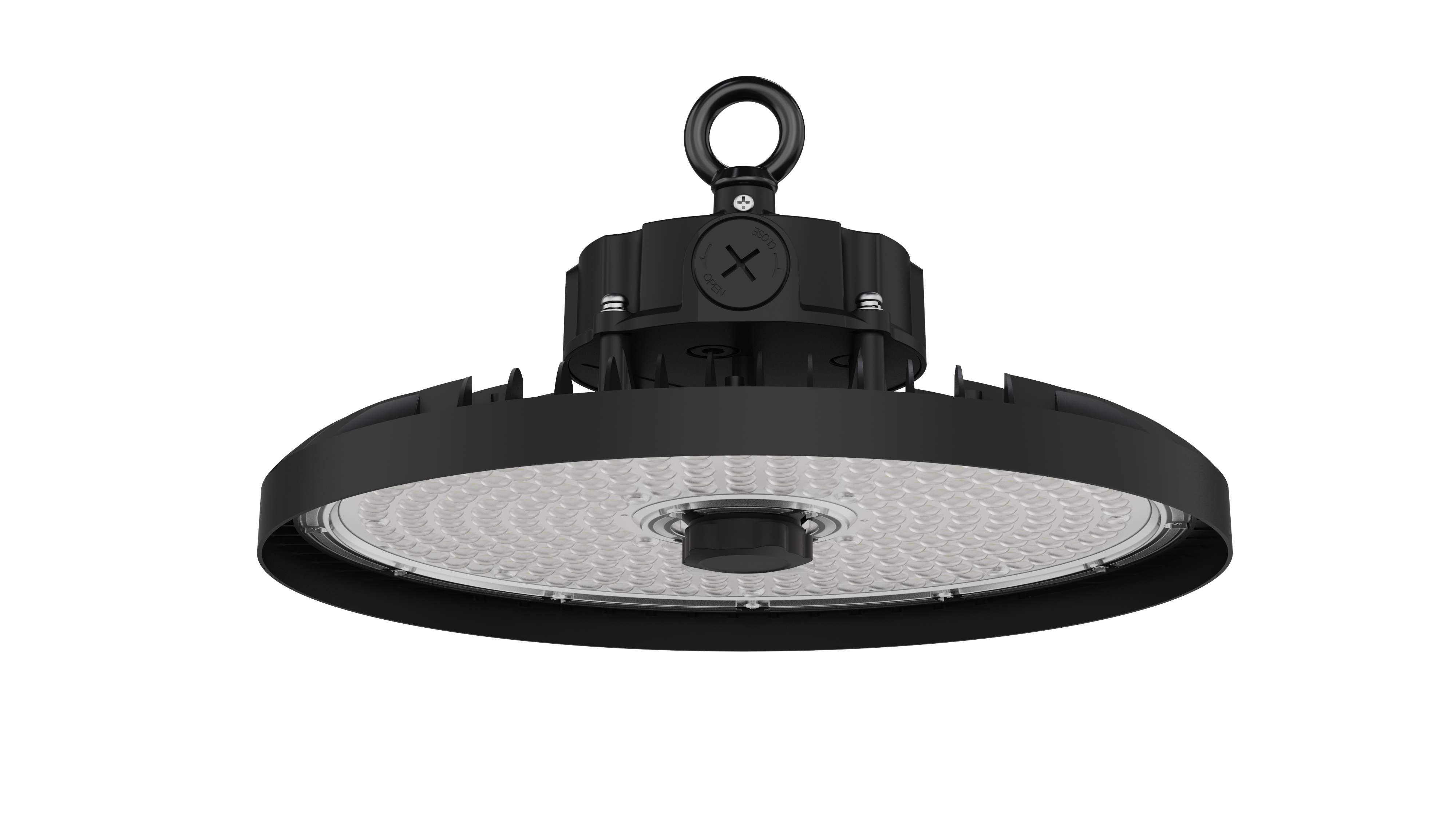
LED warehouse lighting represents a transformative shift in how large-scale storage and distribution facilities manage their illumination needs. As warehouses grow in size and operational complexity, the demand for reliable, energy-efficient, and high-performance lighting solutions has never been greater. LED warehouse lighting meets this demand head-on by combining cutting-edge semiconductor technology with practical design principles tailored specifically for industrial environments. At its core, LED warehouse lighting uses light-emitting diodes to convert electrical energy directly into visible light, a process far more efficient than traditional fluorescent or high-intensity discharge lamps. This fundamental difference in technology translates into measurable gains across energy consumption, maintenance costs, and overall light quality. Modern LED warehouse lighting systems are engineered to deliver high lumen output across wide areas, ensuring that every corner of a facility receives consistent, uniform illumination. This is critical in warehouse settings where workers need to read labels, operate machinery, and navigate aisles safely. Technologically, LED warehouse lighting incorporates advanced thermal management systems that dissipate heat effectively, extending the lifespan of each fixture well beyond 50,000 hours in many cases. Smart controls, including motion sensors, daylight harvesting systems, and programmable dimming, allow facility managers to fine-tune light levels based on occupancy and natural light availability. Many LED warehouse lighting products also support integration with building management systems, enabling centralized monitoring and automated scheduling. The applications of LED warehouse lighting span a broad range of industries. From cold storage facilities and food distribution centers to automotive parts warehouses and e-commerce fulfillment hubs, LED warehouse lighting adapts to diverse environmental conditions, including extreme temperatures, high humidity, and dusty atmospheres. High-bay and low-bay LED fixtures are specifically designed to handle ceiling heights ranging from 15 feet to over 40 feet, making LED warehouse lighting a versatile solution for virtually any storage environment. The result is a lighting system that not only illuminates but actively supports productivity, safety, and sustainability goals.

Popular Products

Switching to LED warehouse lighting is one of the smartest decisions a facility manager can make, and the reasons are both practical and financially compelling. Here is a straightforward look at what LED warehouse lighting actually delivers for the people and businesses that use it every day. First, LED warehouse lighting cuts energy bills dramatically. Traditional metal halide or fluorescent fixtures consume significantly more power to produce the same amount of light. LED warehouse lighting typically uses 40 to 60 percent less electricity, which means a large distribution center can save tens of thousands of dollars annually just by making the switch. Those savings show up on every monthly utility statement, and they compound over time. Second, LED warehouse lighting lasts far longer than older lighting technologies. A quality LED fixture can run for 50,000 hours or more before needing replacement. Compare that to a metal halide lamp that might last 15,000 hours and requires a warm-up period before reaching full brightness. With LED warehouse lighting, the lights turn on instantly at full power, every single time. This reliability matters enormously in a 24-hour operation where downtime is not an option. Third, maintenance costs drop sharply. Replacing bulbs in a high-bay warehouse is not a simple task. It requires lift equipment, labor time, and safety precautions. Because LED warehouse lighting lasts so much longer, facilities schedule far fewer maintenance interventions. Some operations report reducing their lighting maintenance budget by over 70 percent after transitioning to LED warehouse lighting. That freed-up budget can go toward other operational priorities. Fourth, the quality of light improves worker performance and safety. LED warehouse lighting produces bright, consistent illumination with a high color rendering index, meaning colors and labels appear true to life. Workers can read barcodes, identify products, and spot hazards more easily. Fewer errors and fewer accidents translate directly into better productivity and lower liability. Fifth, LED warehouse lighting supports sustainability commitments. Businesses facing pressure to reduce their carbon footprint find that LED warehouse lighting is one of the fastest and most impactful changes they can make. Lower energy consumption means lower carbon emissions, and LED fixtures contain no mercury or other hazardous materials, simplifying disposal and compliance. Sixth, smart controls make LED warehouse lighting even more efficient. Motion sensors ensure lights are only active when areas are occupied. Daylight sensors dim fixtures when natural light is sufficient. These features layer additional savings on top of the already impressive baseline efficiency of LED warehouse lighting. Seventh, LED warehouse lighting is built to handle tough conditions. Dust, vibration, temperature swings, and humidity are facts of life in many warehouses. LED fixtures designed for industrial use carry appropriate IP and IK ratings, meaning they resist ingress from particles and liquids and withstand physical impacts. This durability means fewer failures and more consistent performance over the long term. In summary, LED warehouse lighting delivers lower operating costs, longer service life, better light quality, reduced maintenance, and stronger sustainability credentials, all without sacrificing performance or reliability.

Latest News

What Are the Best Applications for LED Panel Light in Commercial Interiors?

10

Mar

What Are the Best Applications for LED Panel Light in Commercial Interiors?

Commercial interior spaces demand lighting solutions that combine energy efficiency, uniform illumination, and aesthetic appeal. LED panel light technology has emerged as the preferred choice for modern commercial environments, offering superior perf...
View More
Why Is Reliable Commercial Lighting Important for Large Facilities?

01

Apr

Why Is Reliable Commercial Lighting Important for Large Facilities?

Large facilities face unique challenges when it comes to maintaining optimal lighting conditions across expansive spaces. From warehouses and manufacturing plants to retail centers and distribution facilities, the demand for consistent, dependable il...
View More
How Do Modern Buildings Optimize Performance with Commercial Lighting?

21

Apr

How Do Modern Buildings Optimize Performance with Commercial Lighting?

Modern buildings are increasingly sophisticated in their approach to performance optimization, with commercial lighting serving as a critical component in achieving energy efficiency, occupant comfort, and operational cost reduction. The strategic im...
View More
Why Is LED Batten Ideal for Simple and Efficient Lighting Solutions?

27

May

Why Is LED Batten Ideal for Simple and Efficient Lighting Solutions?

Modern commercial and industrial environments demand lighting solutions that combine simplicity with performance, and LED batten fixtures have emerged as a leading choice for spaces requiring straightforward yet effective illumination. These linear l...
View More

Get a Free Quote

Our representative will contact you soon.
Email
Name
Company Name
Message
0/1000

led warehouse lighting

Unmatched Energy Efficiency That Directly Reduces Operating Costs

Unmatched Energy Efficiency That Directly Reduces Operating Costs

One of the most compelling reasons facility managers and business owners invest in LED warehouse lighting is the dramatic reduction in energy consumption it delivers. Energy costs represent one of the largest ongoing expenses for any warehouse operation, and lighting accounts for a substantial portion of that bill. LED warehouse lighting addresses this challenge at the source by using semiconductor-based light-emitting diodes that convert a far greater percentage of electrical input into usable light, rather than wasting energy as heat the way older technologies do. When you compare LED warehouse lighting to conventional metal halide or high-pressure sodium fixtures, the efficiency gap is striking. Metal halide systems typically operate at around 75 to 100 lumens per watt, while modern LED warehouse lighting fixtures routinely achieve 150 to 200 lumens per watt or higher. This means you can illuminate the same square footage with roughly half the wattage, and in a large warehouse spanning hundreds of thousands of square feet, that difference translates into enormous monthly savings. A facility running 200 metal halide fixtures at 400 watts each consumes 80 kilowatts of power for lighting alone. Replacing those with LED warehouse lighting fixtures at 150 watts each drops that figure to 30 kilowatts, a 62.5 percent reduction. At an average commercial electricity rate, that single change can save over 40,000 dollars per year. Beyond the raw wattage reduction, LED warehouse lighting integrates seamlessly with smart control systems that push efficiency even further. Occupancy sensors detect when aisles or zones are unoccupied and dim or switch off fixtures automatically. Daylight harvesting controls read ambient light levels near skylights or loading dock doors and reduce artificial light output accordingly. Programmable schedules align lighting activity with shift patterns, ensuring energy is never wasted during off-hours. These layered controls mean that the real-world energy savings from LED warehouse lighting often exceed the theoretical numbers based on wattage alone. The financial return on investment for LED warehouse lighting is typically achieved within two to four years, after which the savings flow directly to the bottom line. Many utility companies also offer rebate programs specifically for LED warehouse lighting upgrades, which can offset a significant portion of the upfront installation cost and shorten the payback period further. For any business serious about controlling operational expenses and improving its sustainability profile, the energy efficiency of LED warehouse lighting is not just a feature, it is a financial strategy.
Exceptional Durability and Longevity Built for Industrial Demands

Exceptional Durability and Longevity Built for Industrial Demands

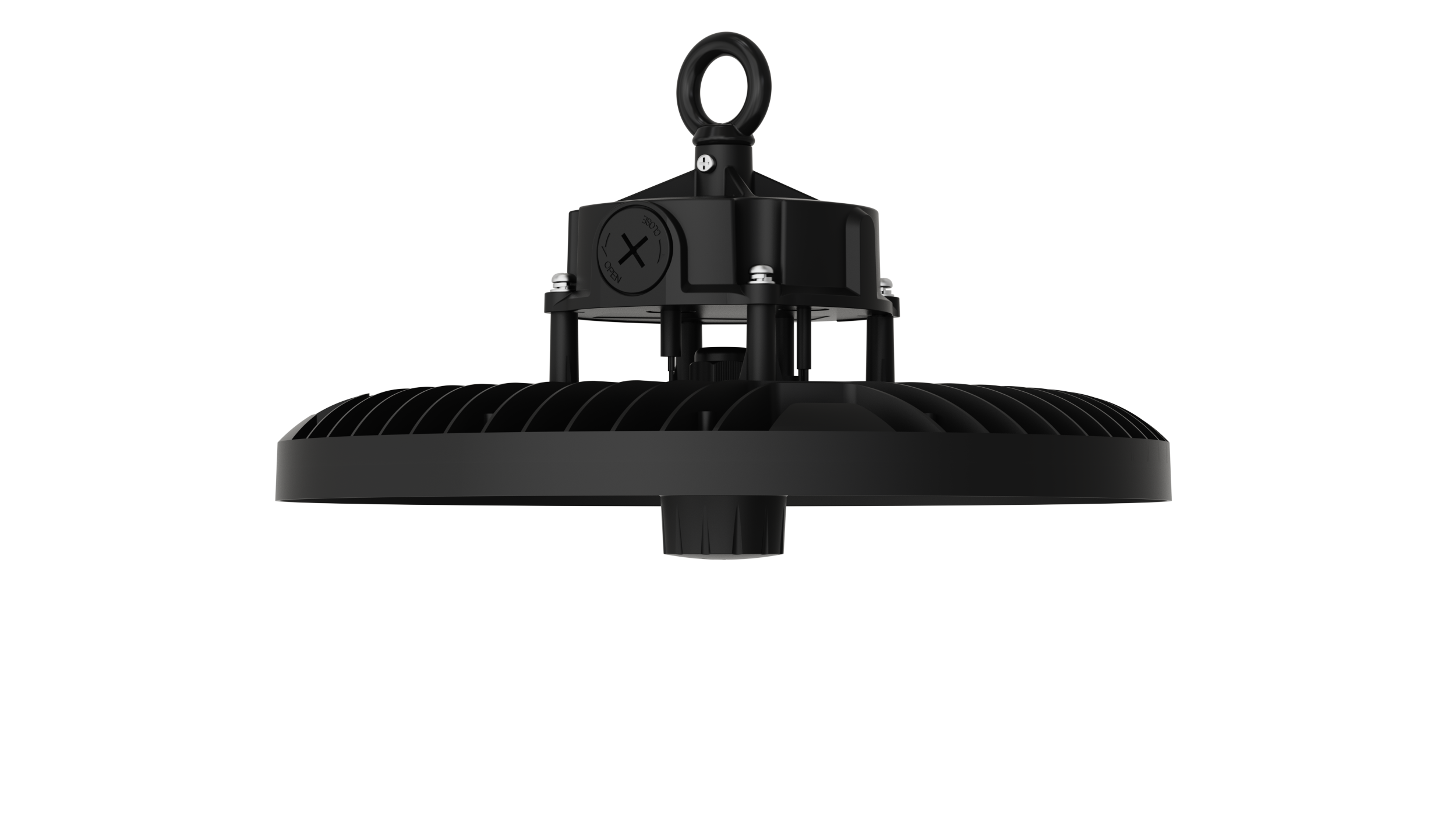
Warehouses are demanding environments. Forklifts move at speed, shelving systems vibrate, temperatures fluctuate between loading docks and climate-controlled storage zones, and dust accumulates on every surface. Lighting fixtures in these settings take a beating, and the cost of frequent replacements goes far beyond the price of a bulb. It includes labor, lift equipment rental, safety protocols, and the operational disruption that comes with working in a partially lit facility. LED warehouse lighting is engineered specifically to thrive under these conditions, offering a level of durability and longevity that older lighting technologies simply cannot match. The lifespan of a quality LED warehouse lighting fixture typically ranges from 50,000 to 100,000 hours of operation. To put that in perspective, a warehouse running lights for 16 hours a day would not need to replace an LED fixture for over eight years. A metal halide lamp in the same application might last 15,000 hours, requiring replacement every two to three years and demanding a warm-up period of several minutes before reaching full brightness. LED warehouse lighting, by contrast, delivers instant full-intensity illumination the moment it is switched on, with no warm-up delay and no restrike time after a power interruption. The physical construction of LED warehouse lighting fixtures reflects their industrial purpose. High-quality housings are made from die-cast aluminum or robust polycarbonate materials that resist corrosion, impact, and thermal stress. Many LED warehouse lighting products carry IP65 or higher ingress protection ratings, meaning they are fully sealed against dust and protected against water jets, making them suitable for wash-down environments in food processing or cold storage warehouses. IK ratings indicate resistance to mechanical impact, an important consideration in facilities where equipment occasionally makes contact with overhead fixtures. Thermal management is another area where LED warehouse lighting excels. Excessive heat is the primary enemy of LED longevity, and well-designed fixtures incorporate heat sinks, thermal interface materials, and airflow channels that keep junction temperatures within safe operating ranges even during extended high-output operation. This engineering discipline is what allows LED warehouse lighting to maintain its lumen output and color consistency over years of continuous use, rather than degrading rapidly the way fluorescent or HID lamps do. The cumulative effect of this durability is a dramatic reduction in total cost of ownership. Facilities that switch to LED warehouse lighting consistently report maintenance savings of 60 to 80 percent compared to their previous lighting systems, freeing up budget and staff time for higher-value activities.
Superior Light Quality That Enhances Safety and Worker Productivity

Superior Light Quality That Enhances Safety and Worker Productivity

In a warehouse environment, light is not just about visibility. It is about accuracy, safety, and the ability of workers to perform their tasks efficiently hour after hour. Poor lighting leads to picking errors, missed hazards, eye strain, and fatigue, all of which have real costs in terms of productivity losses, injury claims, and customer satisfaction. LED warehouse lighting addresses these issues by delivering a quality of illumination that older technologies fundamentally cannot replicate, and the difference is immediately noticeable to anyone who works in a facility that has made the transition. The color rendering index, or CRI, is a key measure of how accurately a light source reveals the true colors of objects compared to natural daylight. LED warehouse lighting typically achieves a CRI of 80 or higher, with premium products reaching 90 and above. This matters enormously in practical terms. Workers scanning barcodes, reading product labels, sorting items by color code, or inspecting goods for damage all perform these tasks more accurately under high-CRI LED warehouse lighting than under the yellowish, low-CRI output of high-pressure sodium lamps or the flickering output of aging fluorescent tubes. Errors decrease, throughput increases, and quality control improves. Uniformity of illumination is another area where LED warehouse lighting outperforms conventional alternatives. Older high-bay fixtures often create bright spots directly beneath the lamp and dark zones between fixtures, forcing workers to move items into better light to read them clearly. LED warehouse lighting systems are designed with optical lenses and reflectors that distribute light evenly across the floor plane, eliminating harsh shadows and ensuring consistent lux levels throughout the facility. This uniformity reduces the visual fatigue that comes from eyes constantly adjusting between bright and dim zones. Correlated color temperature is a further consideration. LED warehouse lighting is available in a range of color temperatures, typically from 4000K to 6500K for industrial applications. Cooler, higher-Kelvin light promotes alertness and focus, which is particularly valuable during night shifts or in facilities where workers need to maintain concentration over long periods. Facility managers can select the color temperature that best matches their operational needs and workforce patterns. Finally, LED warehouse lighting eliminates the flicker that is a known contributor to headaches and eye strain in workplaces using older fluorescent technology. High-quality LED drivers operate at frequencies that are imperceptible to the human eye, creating a stable, flicker-free light environment that supports worker comfort and sustained performance throughout every shift.


Get a Free Quote

Our representative will contact you soon.
Email
Name
Company Name
Message
0/1000