Cost-Effective Installation and Minimal Maintenance Requirements
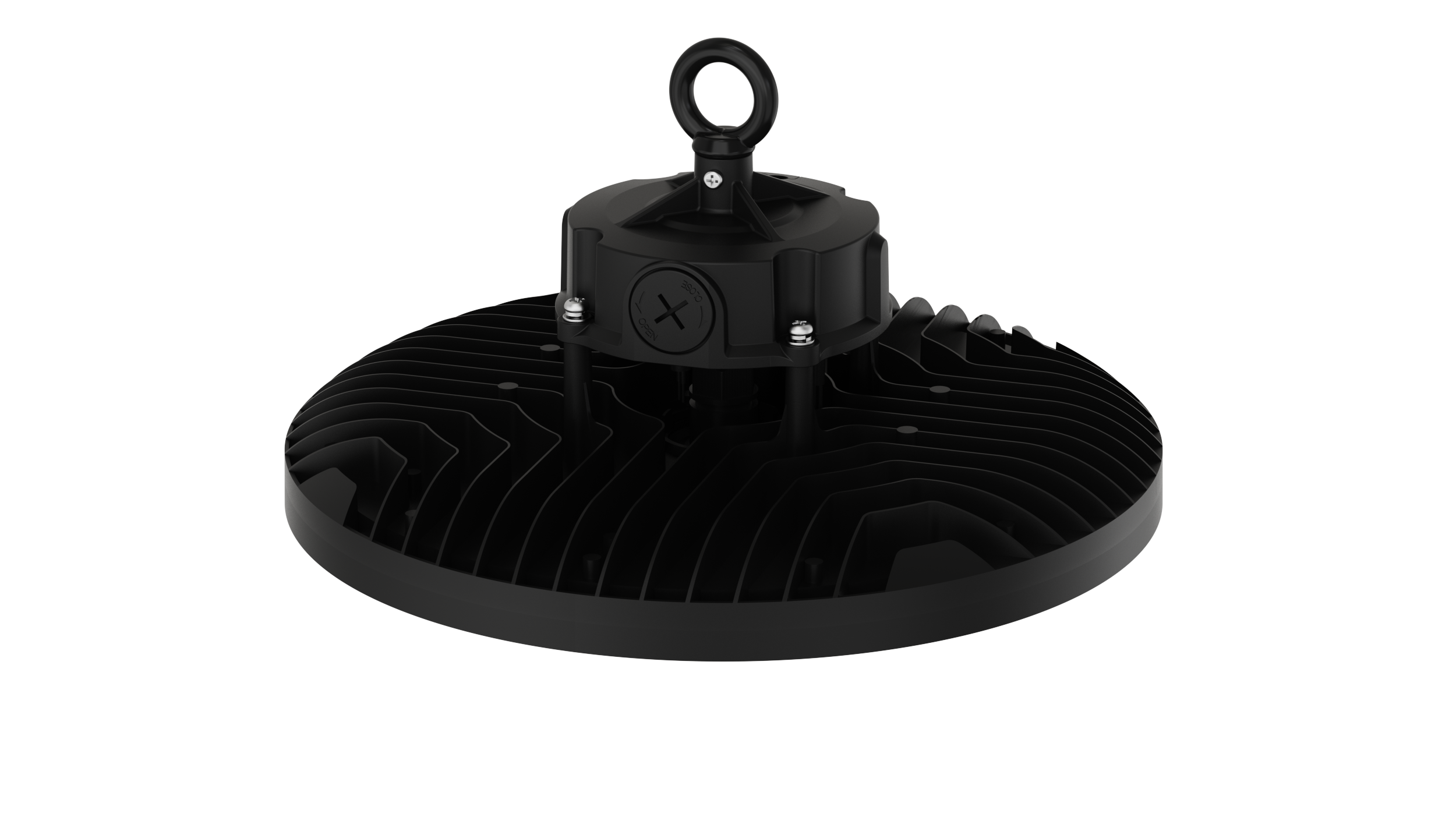
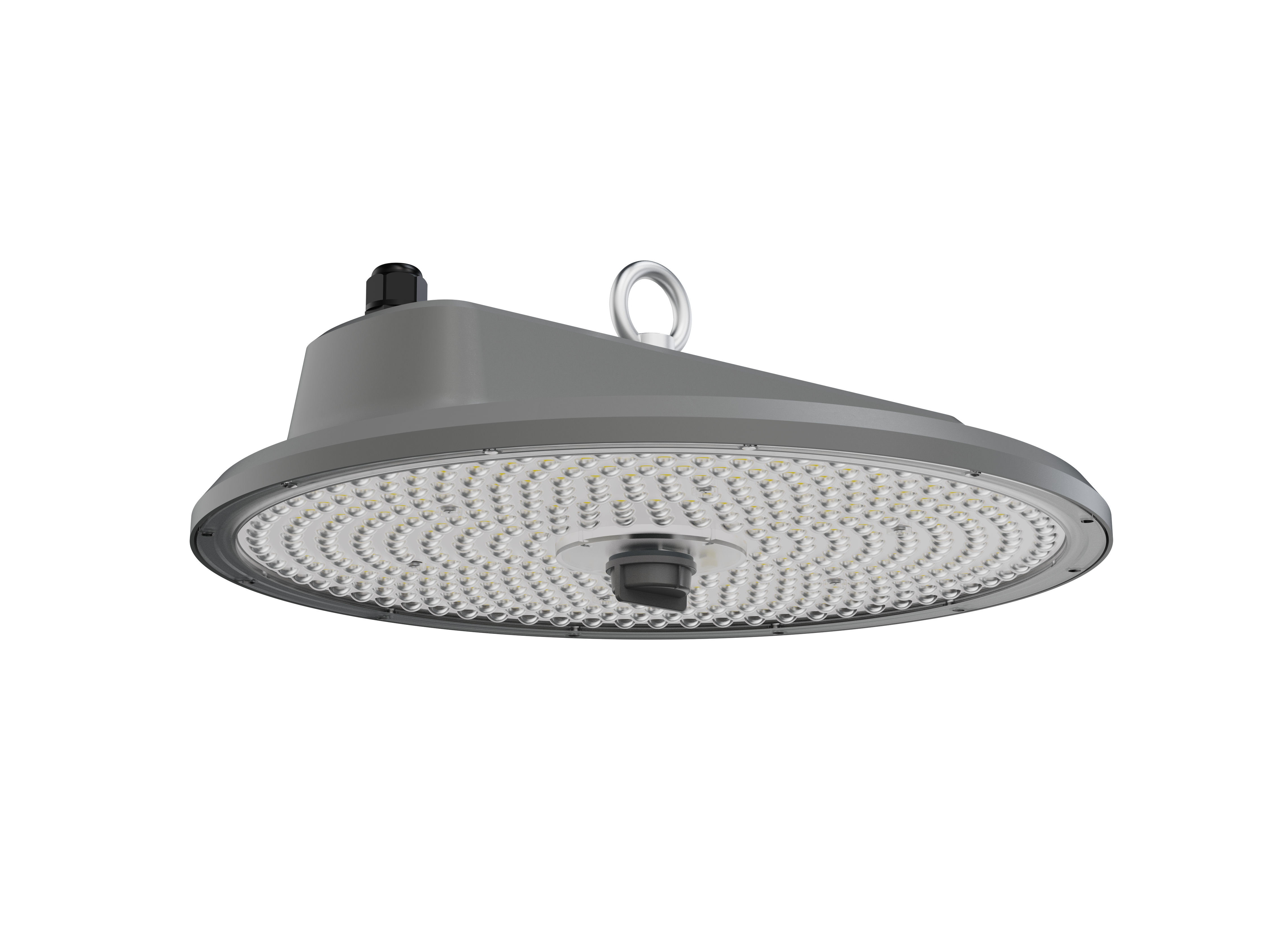
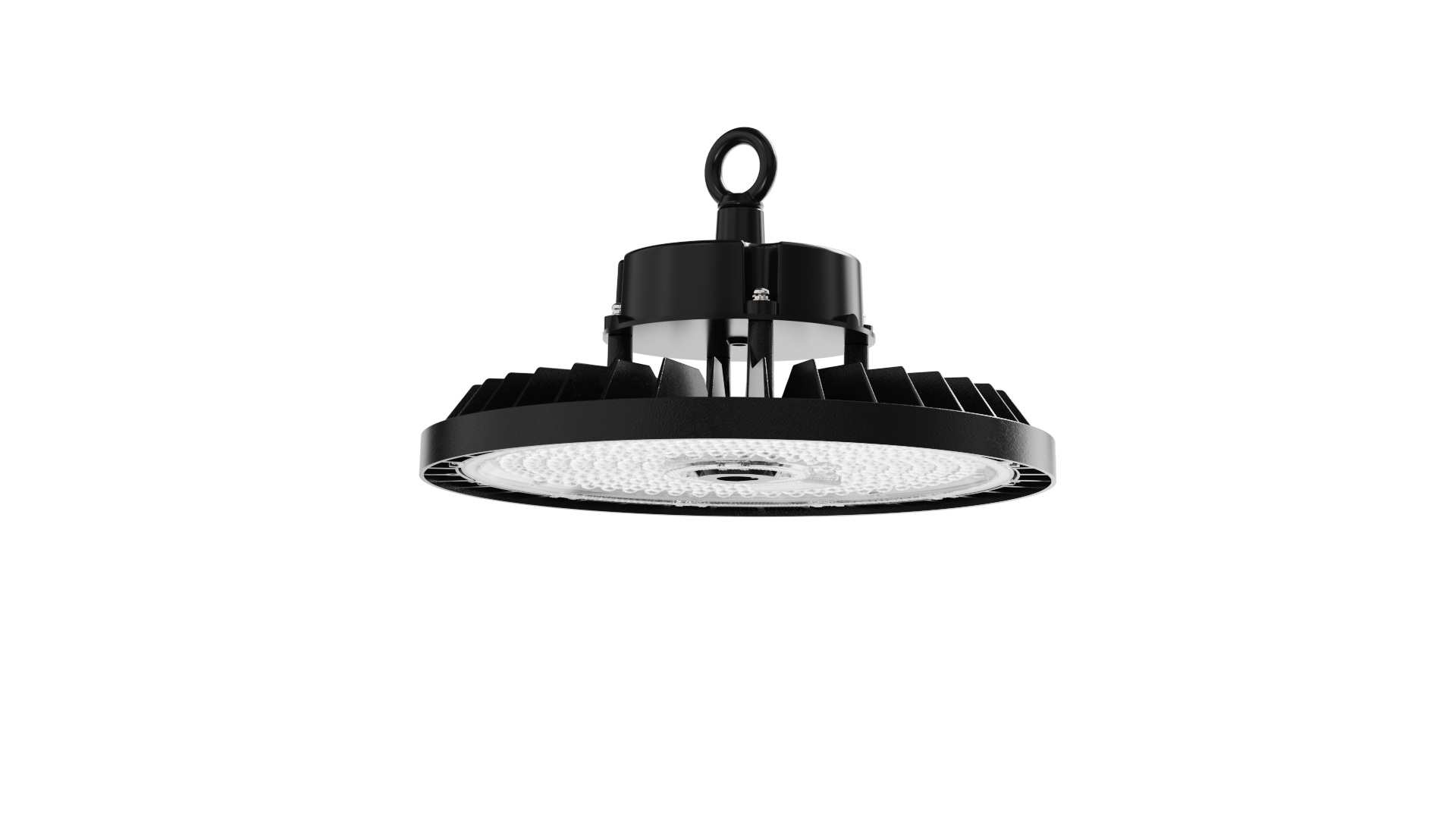
The practical advantages of motion sensor high bay fixtures extend significantly beyond operational energy savings to encompass streamlined installation processes and dramatically reduced maintenance demands that deliver substantial lifecycle cost benefits to facility owners and operators. The importance of installation efficiency becomes apparent when considering the scale of typical high-bay retrofit projects, which may involve dozens or hundreds of fixtures across expansive warehouse floors, manufacturing areas, or retail spaces spanning tens of thousands of square feet. Modern motion sensor high bay units are engineered specifically for retrofit applications, featuring universal mounting brackets compatible with existing junction boxes, pendant hangers, and structural supports from legacy lighting systems, allowing straightforward fixture swaps without expensive electrical modifications or structural reinforcement. The plug-and-play sensor integration means no separate control wiring, conduit runs, or external sensor mounting is required, as detection technology is factory-integrated within the fixture housing, dramatically simplifying installation compared to retrofit sensor systems that require additional components, wiring modifications, and coordination between lighting and control trades. The lightweight construction of LED-based fixtures, typically 40 to 60 percent lighter than equivalent metal halide units, reduces structural loading and simplifies handling during installation, allowing smaller crews to complete projects faster while minimizing risks associated with maneuvering heavy fixtures at elevation. The value of minimal maintenance requirements manifests powerfully in total cost of ownership calculations, as the extended LED lifespan virtually eliminates the recurring expense of lamp replacement, ballast servicing, and associated labor costs that historically represented significant ongoing facilities management burdens. Traditional metal halide systems required lamp replacement every 10,000 to 15,000 hours, meaning annual or biannual replacement cycles in facilities operating extended hours, with each maintenance event requiring lift equipment rental, production area cordoning, and skilled electrician time that could cost $150 to $300 per fixture including materials and labor. The motion sensor high bay eliminates this recurring expense for decades, as the LED light engine and integrated driver typically outlast the fixture housing itself, with many manufacturers offering five to ten year warranties that provide financial protection and performance assurance extending far beyond traditional lighting product coverage. The integrated sensor technology similarly requires no calibration, adjustment, or maintenance after initial commissioning, as solid-state components maintain detection accuracy and sensitivity throughout their operational life without the drift, degradation, or failure modes that plagued older sensor technologies. The robust construction and sealed housings protect internal components from dust, moisture, and contaminants common in industrial environments, eliminating premature failures and maintaining reliable operation in conditions that would compromise lesser fixtures. The diagnostic capabilities built into advanced motion sensor high bay systems provide early warning of potential issues through indicator lights or connected monitoring systems, enabling proactive maintenance scheduling rather than reactive emergency repairs that disrupt operations. The standardized design and widespread availability of these fixtures ensure ready access to replacement units should damage occur from impact, environmental extremes, or other unforeseen circumstances, avoiding the obsolescence issues and extended lead times that can plague specialized legacy lighting systems. The cumulative effect of simplified installation and minimal maintenance creates compelling return-on-investment scenarios where the premium initial cost of motion sensor high bay fixtures is recovered rapidly through avoided maintenance expenses alone, even before accounting for substantial energy savings, making these systems among the most financially attractive facility improvement investments available to industrial and commercial property managers.

 EN
EN