Complete Guide to Track Light Track Types: Standards, Voltage Options, and Material Choices

Get a Free Quote

Our representative will contact you soon.
Email
Name
Company Name
Message
0/1000

track light track types

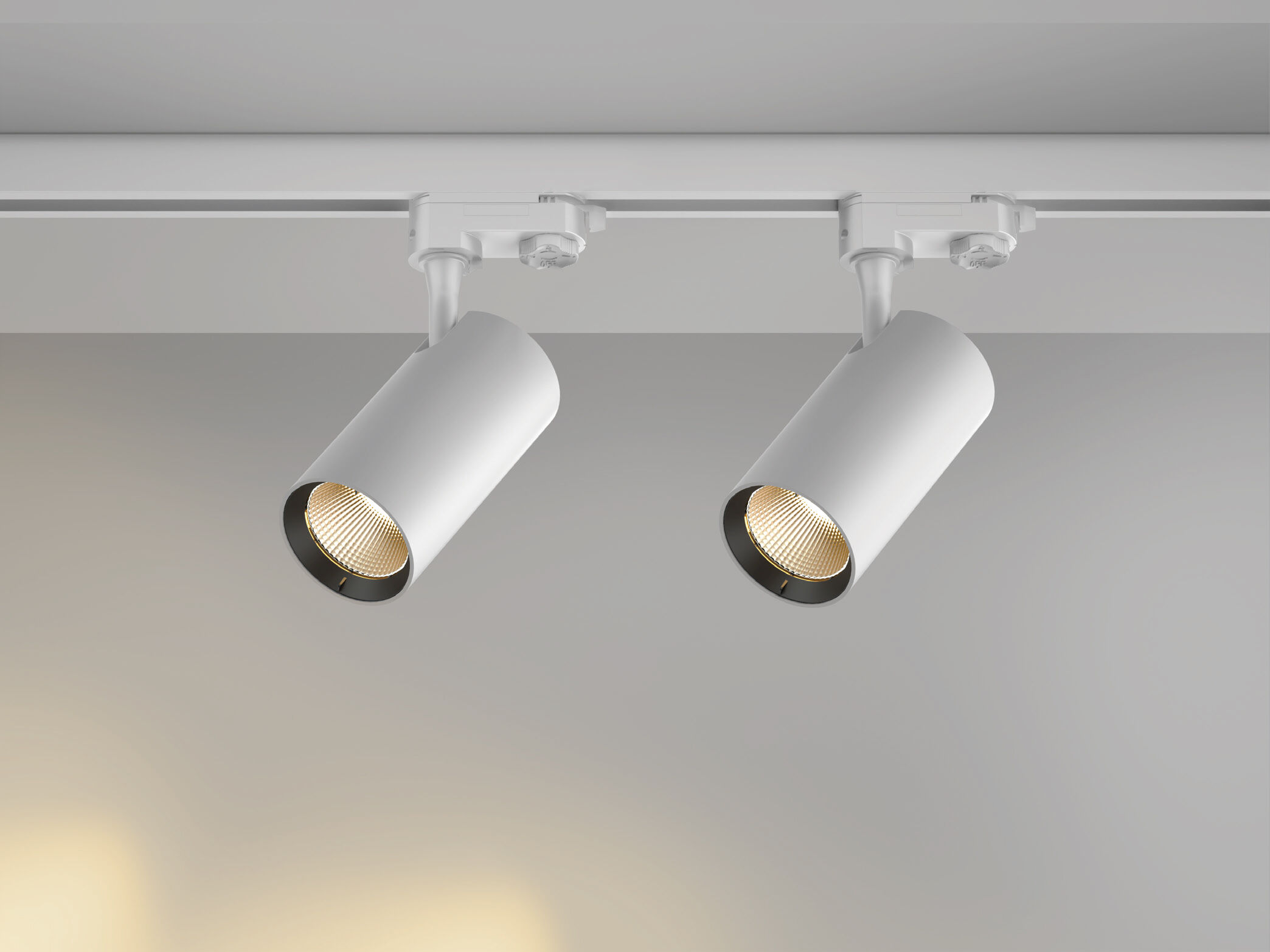
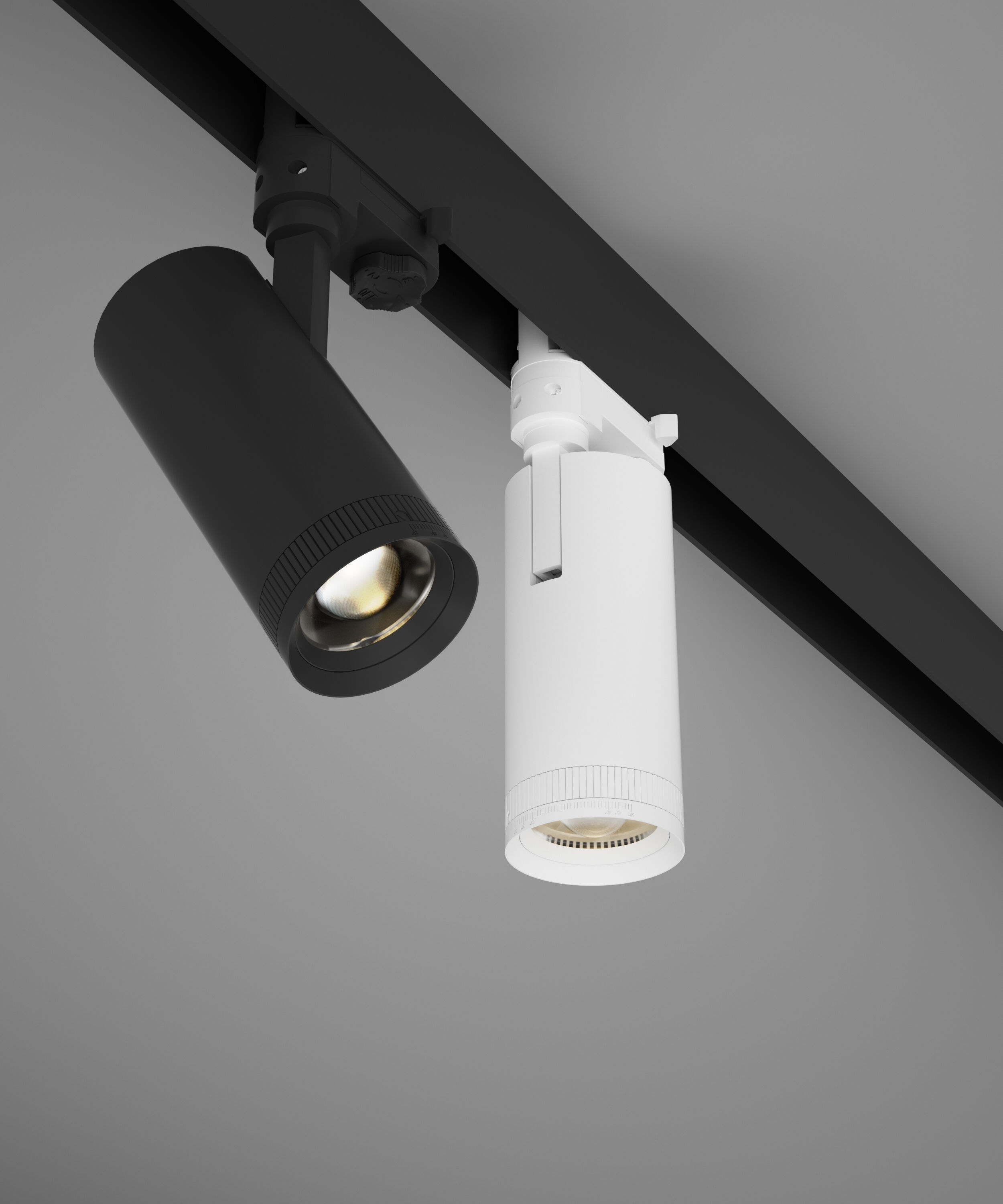
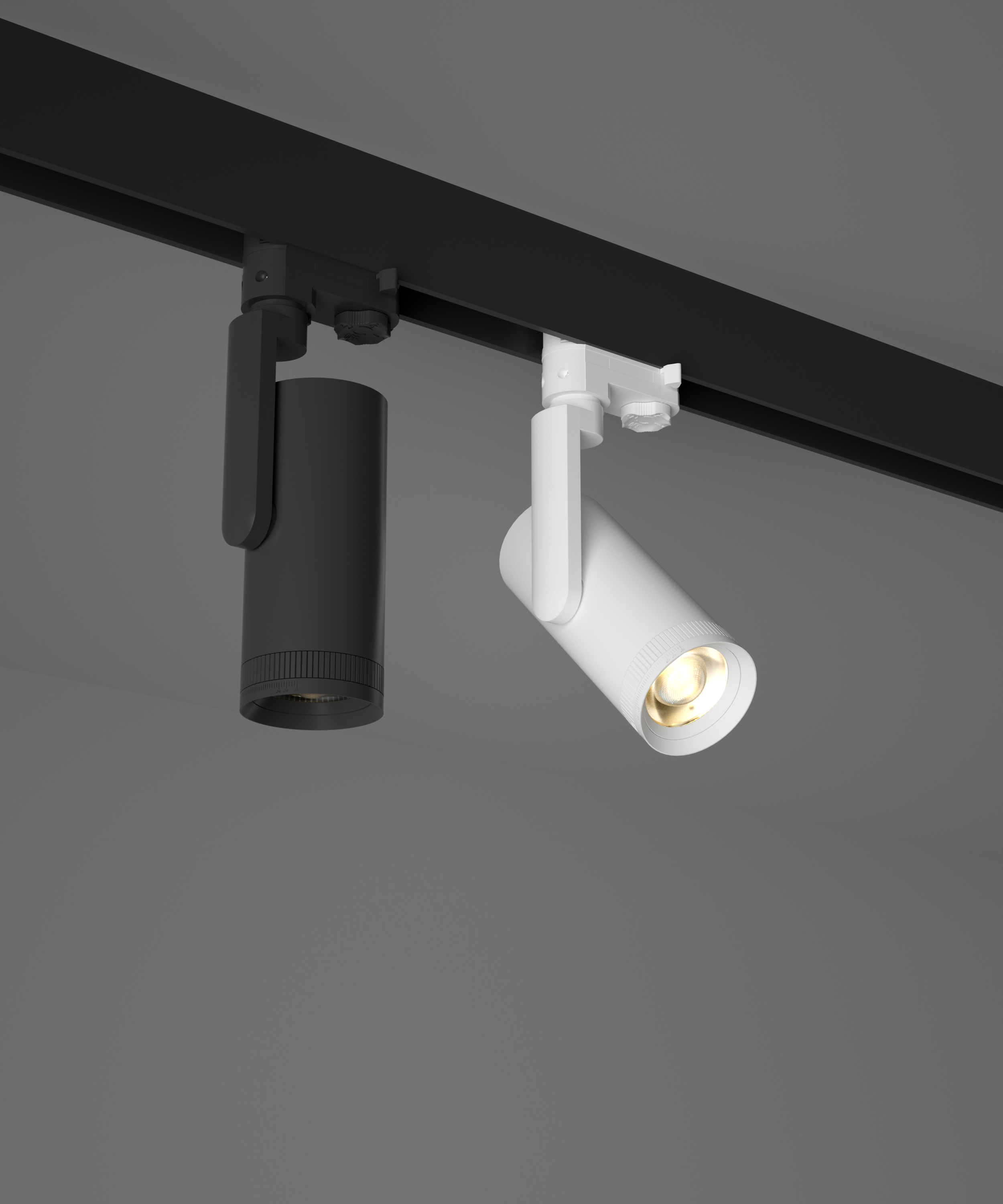
Track light track types represent a fundamental component in modern lighting systems, offering versatile solutions for residential, commercial, and artistic spaces. Understanding the various track light track types available in the market empowers consumers and professionals to make informed decisions that align with their specific illumination needs. The primary function of track light track types is to provide a structured rail system that allows light fixtures to be positioned, repositioned, and adjusted along a continuous path, delivering flexible lighting arrangements that can evolve with changing requirements. The technological features embedded within different track light track types vary significantly, ranging from voltage specifications to compatibility standards and physical configurations. Single-circuit track light track types deliver power through a straightforward electrical pathway, making them ideal for basic installations where all fixtures operate simultaneously. Multi-circuit variations allow independent control of different fixture groups along the same rail, enabling sophisticated lighting scenes and enhanced energy management. The most common track light track types include H-type, J-type, and L-type systems, each distinguished by unique connector shapes and electrical configurations that prevent cross-compatibility between different manufacturers. Modern track light track types incorporate advanced features such as low-voltage options that enhance safety in sensitive environments, smart technology integration for remote control and automation, and robust construction materials that ensure longevity in demanding applications. Applications for track light track types span numerous environments, from retail stores requiring dynamic product highlighting to art galleries demanding precise directional illumination, from residential kitchens needing task-oriented lighting to exhibition spaces requiring adaptable configurations. The modular nature of track light track types facilitates straightforward installation processes, allows for future expansion without extensive rewiring, and supports maintenance efficiency through simple fixture replacement procedures. Whether specifying track light track types for new construction projects or retrofitting existing spaces, understanding the distinctions between available options ensures optimal performance, aesthetic integration, and long-term satisfaction.

New Product Releases

Choosing the right track light track types delivers substantial practical benefits that directly impact daily functionality and long-term value. The flexibility offered by track light track types stands as their most compelling advantage, allowing you to reposition lights whenever your needs change without calling an electrician or rewiring your space. This adaptability proves invaluable in retail environments where merchandise displays shift seasonally, in homes where furniture arrangements evolve, and in galleries where artwork rotates regularly. You can slide fixtures along the rail, adjust their angles, add new lights, or remove unnecessary ones within minutes, creating a lighting system that grows and changes alongside your lifestyle or business operations. Installation simplicity represents another significant benefit of track light track types, as mounting the rail requires basic tools and standard electrical connections, eliminating the complexity and expense associated with installing multiple individual ceiling fixtures. Once the track is secured and powered, adding fixtures becomes a tool-free process involving simple twist-and-lock mechanisms that anyone can manage confidently. This straightforward approach reduces initial installation costs, minimizes disruption during setup, and empowers you to customize your lighting configuration without professional assistance. The cost efficiency of track light track types extends beyond installation savings, as the system allows you to concentrate light exactly where needed rather than illuminating entire rooms uniformly, reducing the total number of fixtures required and lowering energy consumption. You purchase and power only the lights necessary for your specific tasks and aesthetic goals, avoiding the waste associated with excessive ambient lighting. Track light track types support diverse bulb technologies including LED, halogen, and specialty options, giving you control over color temperature, brightness levels, and energy usage to align with your preferences and budget constraints. Maintenance becomes remarkably simple with track light track types since individual fixtures can be removed and replaced without affecting the entire system, eliminating downtime and reducing service costs. When a bulb fails or you decide to upgrade to newer technology, you simply detach the affected fixture, make the necessary changes, and reconnect it to the rail within moments. The unified appearance created by track light track types enhances visual cohesion in any space, as the continuous rail line establishes a clean architectural element that organizes individual light sources into a purposeful design statement rather than scattered ceiling interruptions. This organized aesthetic appeals to contemporary design sensibilities while maintaining functional superiority, making track light track types equally suitable for minimalist modern interiors and transitional spaces seeking streamlined solutions. The directional control provided by track light track types eliminates shadows in work areas, highlights architectural features, creates visual interest through layered illumination, and guides attention to focal points, offering creative possibilities that fixed ceiling lights cannot match.

Practical Tips

What Are the Best Applications for LED Panel Light in Commercial Interiors?

10

Mar

What Are the Best Applications for LED Panel Light in Commercial Interiors?

Commercial interior spaces demand lighting solutions that combine energy efficiency, uniform illumination, and aesthetic appeal. LED panel light technology has emerged as the preferred choice for modern commercial environments, offering superior perf...
View More
How Can T8 LED Tube Provide Long Lifespan in Continuous Lighting Use?

24

Mar

How Can T8 LED Tube Provide Long Lifespan in Continuous Lighting Use?

T8 LED tubes have revolutionized commercial and industrial lighting by offering exceptional longevity even under demanding continuous operation conditions. Unlike traditional fluorescent tubes that degrade rapidly when left on for extended periods, m...
View More
How Can Indoor Lighting Influence Mood and Visual Experience at Home?

15

Apr

How Can Indoor Lighting Influence Mood and Visual Experience at Home?

The relationship between indoor lighting and human psychology has become increasingly recognized as a fundamental aspect of home design that directly impacts our daily well-being. The quality, intensity, and color temperature of indoor lighting syste...
View More
What Are the Advantages of T8 LED Tube for Large Lighting Retrofit Projects?

28

Apr

What Are the Advantages of T8 LED Tube for Large Lighting Retrofit Projects?

Large-scale lighting retrofit projects present unique challenges that require careful consideration of multiple factors, from energy efficiency and maintenance costs to installation complexity and long-term performance. When facility managers and lig...
View More

Get a Free Quote

Our representative will contact you soon.
Email
Name
Company Name
Message
0/1000

track light track types

Universal Compatibility and Standardized Track Light Track Types

Universal Compatibility and Standardized Track Light Track Types

Understanding the compatibility standards governing track light track types prevents costly mistakes and ensures seamless system performance throughout the lifespan of your installation. The lighting industry has established three primary track light track types that dominate the market, each with distinct physical characteristics and electrical configurations that prevent accidental cross-system mixing. H-type track light track types, also known as Halo systems, feature a specific connector design that has become widespread in North American markets, offering reliable performance for residential and light commercial applications. This standardization means you can source fixtures from multiple manufacturers confident they will fit your existing H-type track, providing flexibility in aesthetic choices and price points without compromising functionality. J-type track light track types represent another major standard, commonly found in commercial installations and architectural lighting projects where robust construction and higher load capacities are essential. The J-type connector configuration ensures secure fixture attachment even in high-traffic environments or installations subject to vibration, making these track light track types ideal for retail spaces, restaurants, and public venues where lighting reliability directly impacts operational continuity. L-type track light track types complete the trio of dominant systems, offering characteristics suited to specific installation requirements and design preferences, with manufacturers producing extensive fixture collections compatible with this standard. The importance of selecting compatible track light track types cannot be overstated, as attempting to install fixtures designed for one standard onto tracks built to another specification results in poor electrical connections, mechanical instability, and potential safety hazards. When specifying track light track types for your project, verify the standard designation clearly, maintain consistency across all components, and document this information for future reference when expanding or maintaining your system. Standardized track light track types deliver long-term value by ensuring replacement fixtures remain available years after initial installation, protecting your investment from premature obsolescence. The competitive marketplace surrounding established track light track types standards drives continuous innovation, with manufacturers introducing enhanced features, improved aesthetics, and advanced technologies within the framework of proven connector designs. This dynamic ensures access to cutting-edge lighting solutions without abandoning the infrastructure already installed in your space. The modularity inherent in standardized track light track types extends beyond fixture compatibility to include accessories such as connectors for creating continuous runs around corners, power feed options for flexible electrical entry points, and end caps that complete installations with polished visual refinement. Whether you manage a single residential room or oversee lighting across multiple commercial properties, standardized track light track types provide the foundation for scalable solutions that accommodate growth, change, and technological advancement while maintaining simplicity and reliability.
Voltage Options in Track Light Track Types for Enhanced Safety and Efficiency

Voltage Options in Track Light Track Types for Enhanced Safety and Efficiency

The voltage specifications available across different track light track types significantly influence safety profiles, energy efficiency, and fixture selection possibilities, making voltage consideration essential during planning phases. Standard line-voltage track light track types operate at 120 volts in North American applications or 230 volts in international markets, delivering sufficient power for high-output fixtures and simplifying installations by eliminating the need for additional transformers. These line-voltage track light track types prove ideal when maximum brightness is required, when fixtures with higher wattage ratings must be accommodated, or when installation simplicity takes priority over other considerations. The robust power delivery of line-voltage track light track types supports extensive runs with multiple fixtures, making them suitable for large commercial spaces, expansive retail environments, and residential areas where abundant illumination is desired. However, line-voltage track light track types require careful attention to electrical safety standards, proper grounding protocols, and qualified installation practices to ensure user safety and code compliance. Low-voltage track light track types, typically operating at 12 or 24 volts, introduce enhanced safety characteristics particularly valuable in environments where moisture is present, where children or pets might contact fixtures, or where installation in unconventional locations is desired. These reduced-voltage track light track types require transformer integration either within individual fixtures or centralized at the power supply, adding a component to the system but delivering substantial benefits in specific contexts. The lower operating voltage of these track light track types reduces electrical shock risks, permits more compact fixture designs due to reduced heat generation, and often provides finer dimming control for creating nuanced lighting atmospheres. Low-voltage track light track types excel in residential applications where ambiance matters, in hospitality settings where mood lighting enhances guest experiences, and in display applications where delicate items require illumination without heat exposure. The energy efficiency advantages of low-voltage track light track types become apparent when coupled with LED technology, as the reduced voltage aligns naturally with LED operational characteristics, maximizing lifespan and minimizing power consumption. When comparing voltage options within track light track types, consider the total system efficiency including transformer losses, the availability of fixtures matching your aesthetic preferences, and the specific environmental conditions of your installation location. Modern track light track types increasingly incorporate smart features and dimming capabilities, with voltage selection influencing the sophistication and reliability of these advanced functions. Low-voltage track light track types generally provide smoother dimming transitions, reduced electromagnetic interference, and better compatibility with home automation systems compared to their line-voltage counterparts. The flexibility to choose between voltage options within compatible track light track types empowers designers and homeowners to optimize installations for their unique requirements rather than accepting one-size-fits-all solutions. As LED technology continues advancing, the distinctions between voltage options in track light track types evolve, with some manufacturers introducing innovative approaches that combine the benefits of both systems through intelligent power management integrated directly into track infrastructure.
Material Construction and Finish Options Across Track Light Track Types

Material Construction and Finish Options Across Track Light Track Types

The physical construction and finish selections available within various track light track types profoundly impact aesthetic integration, durability performance, and maintenance requirements throughout the operational life of your lighting system. Premium track light track types utilize extruded aluminum construction, offering exceptional strength-to-weight ratios that support secure mounting with minimal structural reinforcement while resisting warping, sagging, and deformation even in extended installations. Aluminum track light track types provide inherent corrosion resistance valuable in humid environments, coastal locations, or spaces where cleaning chemicals might contact the rail system, ensuring appearance retention and structural integrity over decades of service. The thermal properties of aluminum in track light track types facilitate heat dissipation from electrical components and fixtures, contributing to longer component lifespans and safer operation particularly when multiple high-output lights are concentrated along a single rail section. Steel construction appears in heavy-duty track light track types designed for industrial applications, high-ceiling installations, or environments where impact resistance takes priority over weight considerations. These robust track light track types withstand harsh conditions, support heavier fixture loads, and provide enhanced security against tampering or accidental damage in public spaces, institutional settings, and warehouse environments. Surface finish options across track light track types extend far beyond basic white or black powder coating, with manufacturers offering extensive color palettes, metallic finishes including brushed nickel and oil-rubbed bronze, and custom color-matching services that ensure seamless integration with existing architectural elements. White finish track light track types create a subtle ceiling presence that recedes visually, making them popular in residential applications where lighting function matters more than dramatic design statements. Black track light track types deliver contemporary sophistication, establishing bold linear elements that complement modern industrial aesthetics, urban loft environments, and minimalist design schemes where intentional contrast creates visual interest. Metallic finish track light track types bridge traditional and contemporary styles, offering versatility that coordinates with diverse hardware selections, appliance finishes, and decorative accents throughout a space. The quality of finish application on track light track types directly influences longevity, as premium powder coating resists chipping, fading, and discoloration even under constant exposure to light and heat from fixtures. When selecting track light track types, examine finish consistency, surface smoothness, and coating thickness as indicators of manufacturing quality that predict long-term appearance retention. Some advanced track light track types incorporate antimicrobial finishes particularly valuable in healthcare settings, food service environments, and educational facilities where surface hygiene contributes to public health objectives. The mounting profile of different track light track types varies from surface-mounted designs that install directly against ceiling surfaces to recessed options that integrate flush with ceiling planes for minimal visual impact. Surface-mounted track light track types offer installation simplicity and accessibility for future modifications, while recessed versions create refined appearances suited to upscale retail, corporate offices, and luxury residential projects where every design detail receives scrutiny. The construction quality and finish options available within track light track types demonstrate the maturity of this lighting solution, with manufacturers investing in materials technology and surface treatments that elevate functional components to architectural features worthy of prominent placement in thoughtfully designed interiors.


Get a Free Quote

Our representative will contact you soon.
Email
Name
Company Name
Message
0/1000