Enhanced Light Quality Improves Safety and Productivity
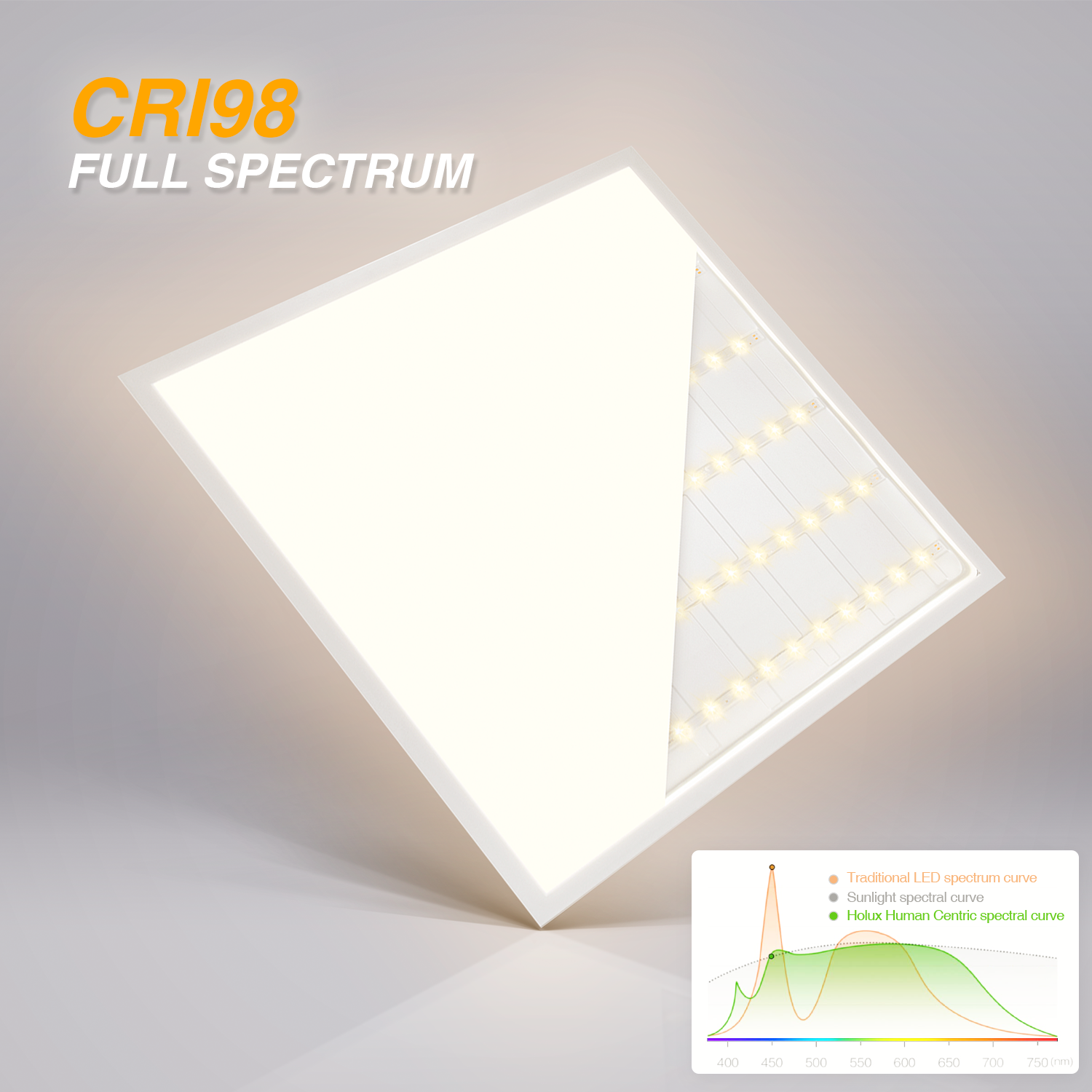
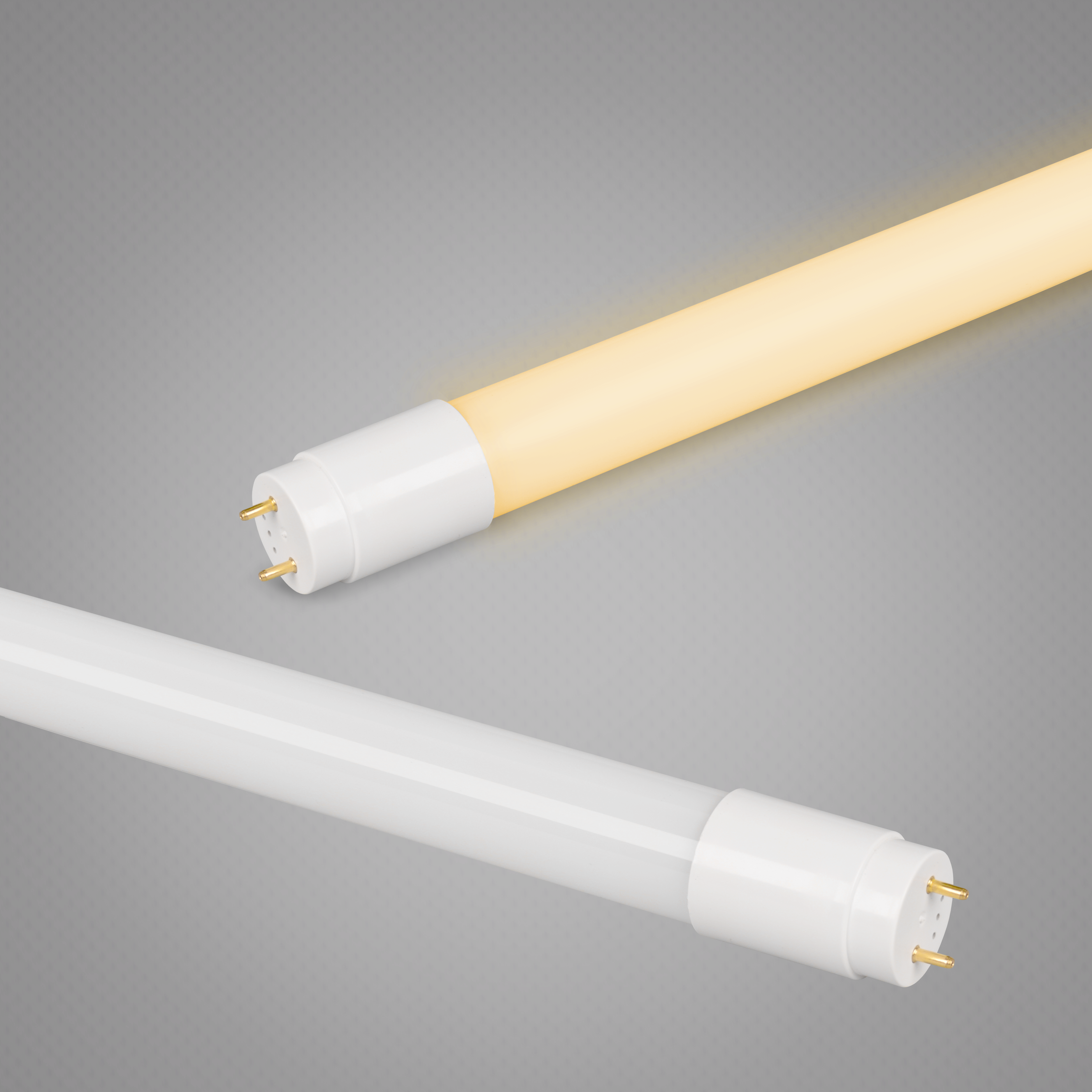
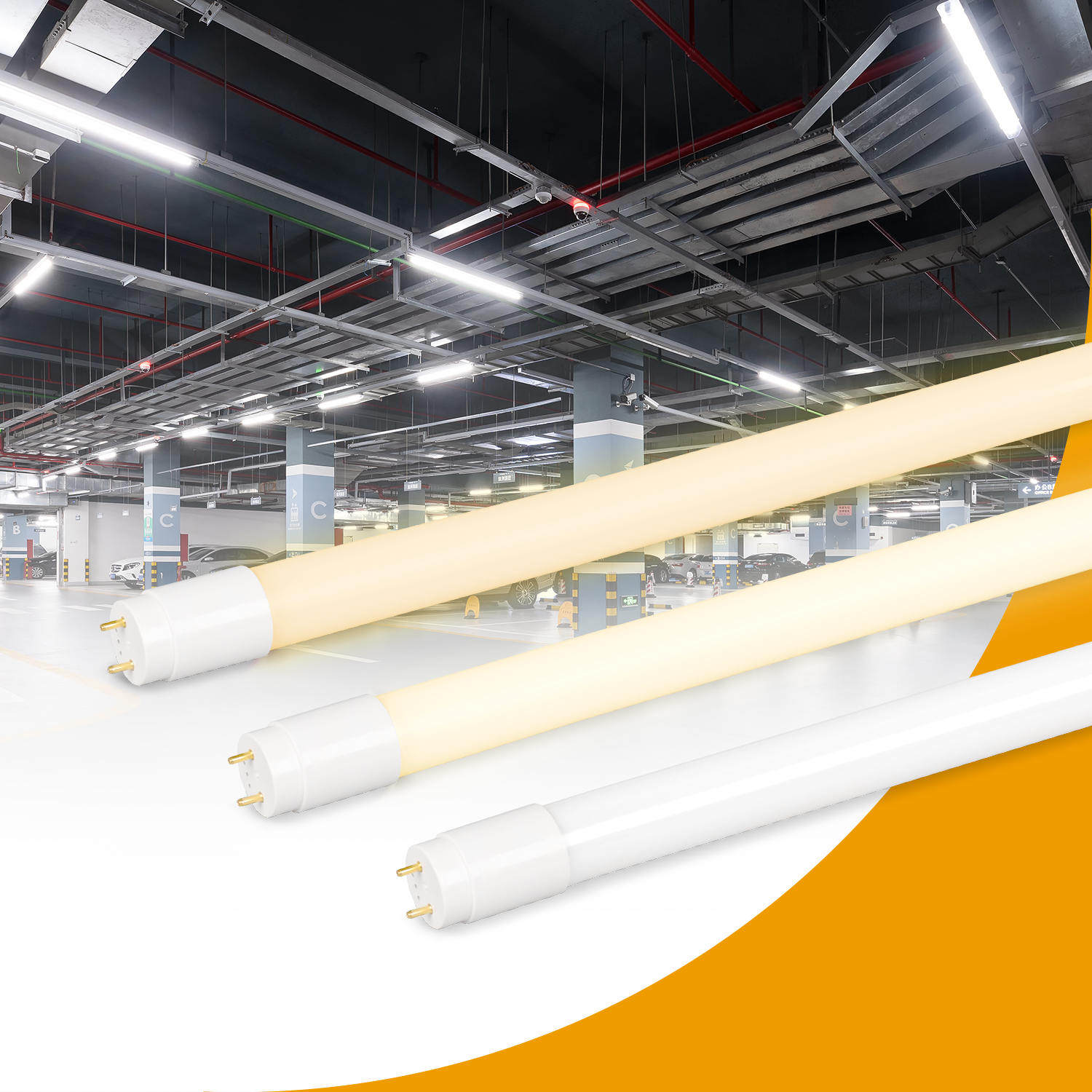
The superior illumination characteristics of warehouse tube lighting create working environments that enhance both safety outcomes and operational productivity through better visibility and reduced visual fatigue. Traditional lighting technologies often produce light with poor color rendering properties, creating distorted color perception that makes it difficult to distinguish between similar items, accurately read labels, or identify product defects. Warehouse tube lighting delivers high Color Rendering Index values typically exceeding 80 and often reaching 90 or above, meaning colors appear natural and true-to-life under the illumination. This accurate color representation proves critical in warehouses handling products where color coding identifies different variants, in facilities performing quality inspections, or in environments where workers must match items to reference samples. The clean, white light produced by warehouse tube lighting most commonly falls within the 4000K to 5000K color temperature range, mimicking natural daylight and promoting alertness while reducing eye strain during extended work periods. Studies consistently demonstrate that improved lighting quality correlates with enhanced worker productivity, fewer errors, and reduced accident rates in industrial settings. The even light distribution achieved by properly designed warehouse tube lighting systems eliminates the harsh shadows and bright spots that characterize poorly planned installations. These shadows can obscure hazards, make it difficult to judge distances accurately, and create visual confusion that leads to accidents. By providing uniform illumination across workspaces, aisles, and storage areas, warehouse tube lighting helps workers navigate safely, operate equipment with better spatial awareness, and perform tasks with greater precision. The flicker-free operation of quality warehouse tube lighting eliminates the imperceptible but physiologically stressful light fluctuations produced by fluorescent fixtures operating on magnetic ballasts. This stable light output reduces headaches, eye strain, and the subtle fatigue that accumulates during shifts spent under flickering illumination. Workers in facilities upgraded to warehouse tube lighting frequently report feeling less tired at the end of shifts and experiencing fewer vision-related complaints. The instant-on capability of warehouse tube lighting supports safety by providing immediate full brightness when workers enter darkened areas or when motion sensors detect activity. There are no delays waiting for lights to warm up to full output, ensuring workers always have adequate visibility from the moment illumination activates. This responsiveness also enables energy-saving control strategies using occupancy sensors or daylight harvesting without sacrificing convenience or safety. The directionality of LED light sources in warehouse tube lighting allows for precise optical control, directing light downward to work surfaces rather than wasting it illuminating ceilings or creating glare. This targeted distribution maximizes the useful light reaching work areas while minimizing light pollution and improving visual comfort for workers.

 EN
EN