Industrial High Bay Lighting: Energy-Efficient LED Solutions for Warehouses and Facilities

Get a Free Quote

Our representative will contact you soon.
Email
Name
Company Name
Message
0/1000

industrial high bay lighting

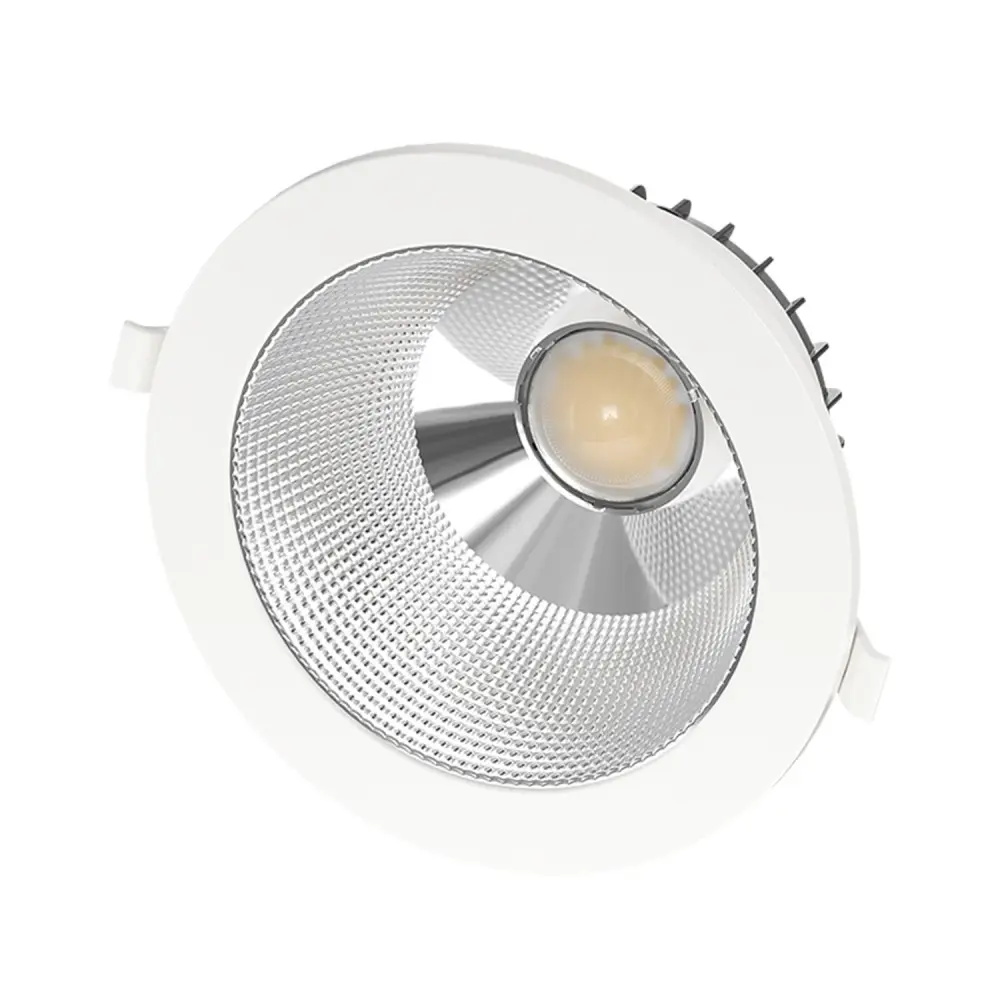
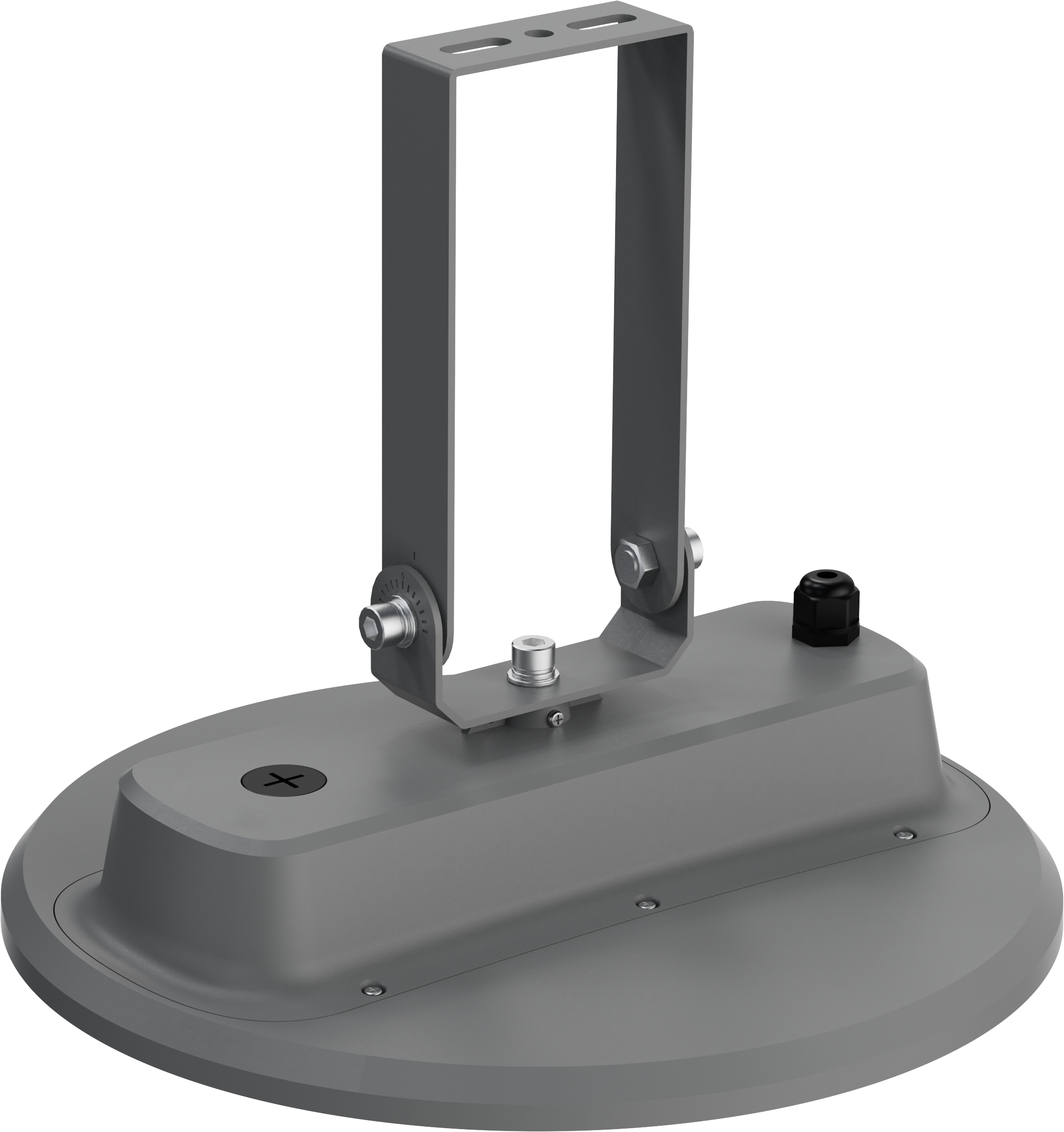
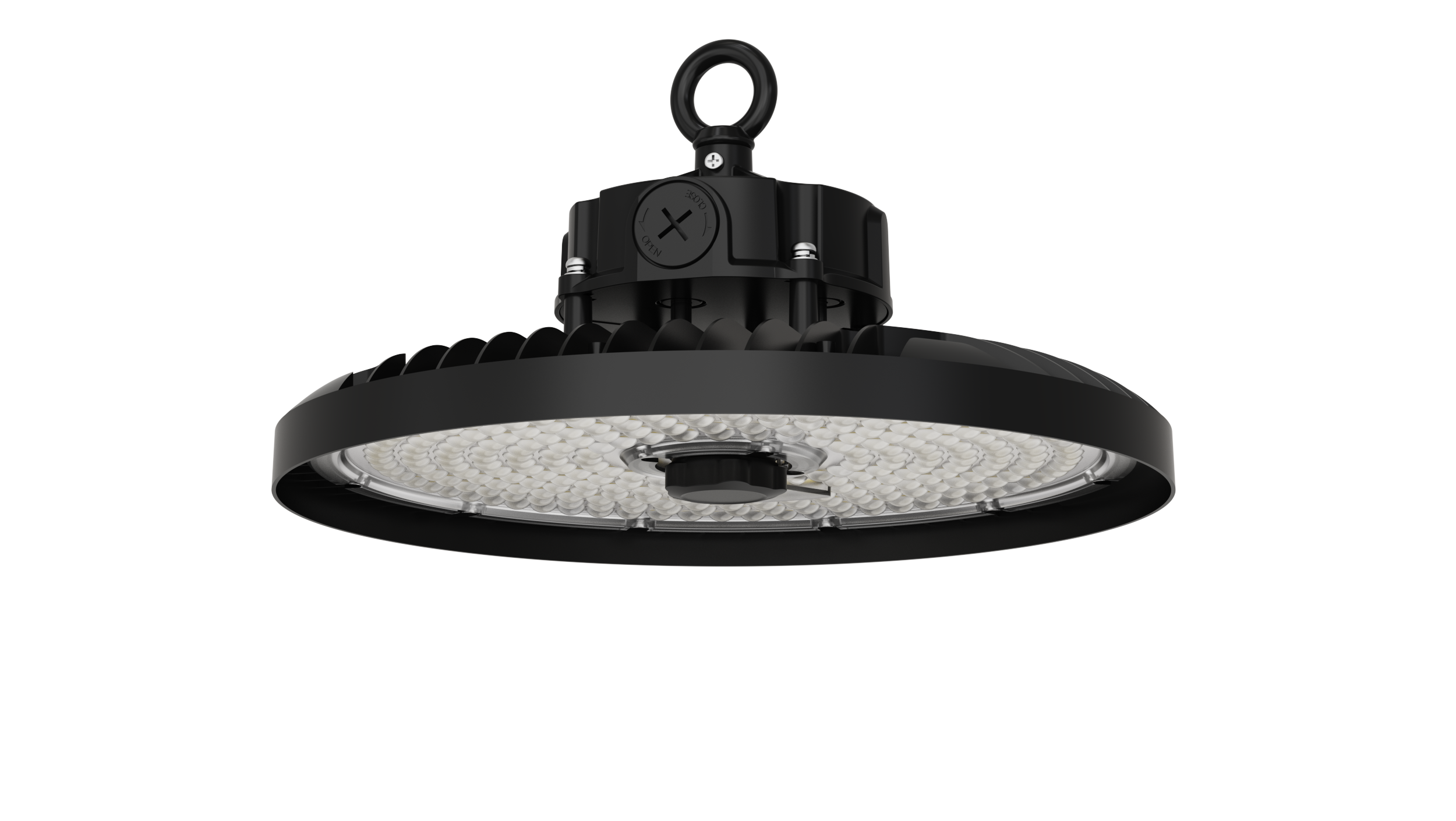
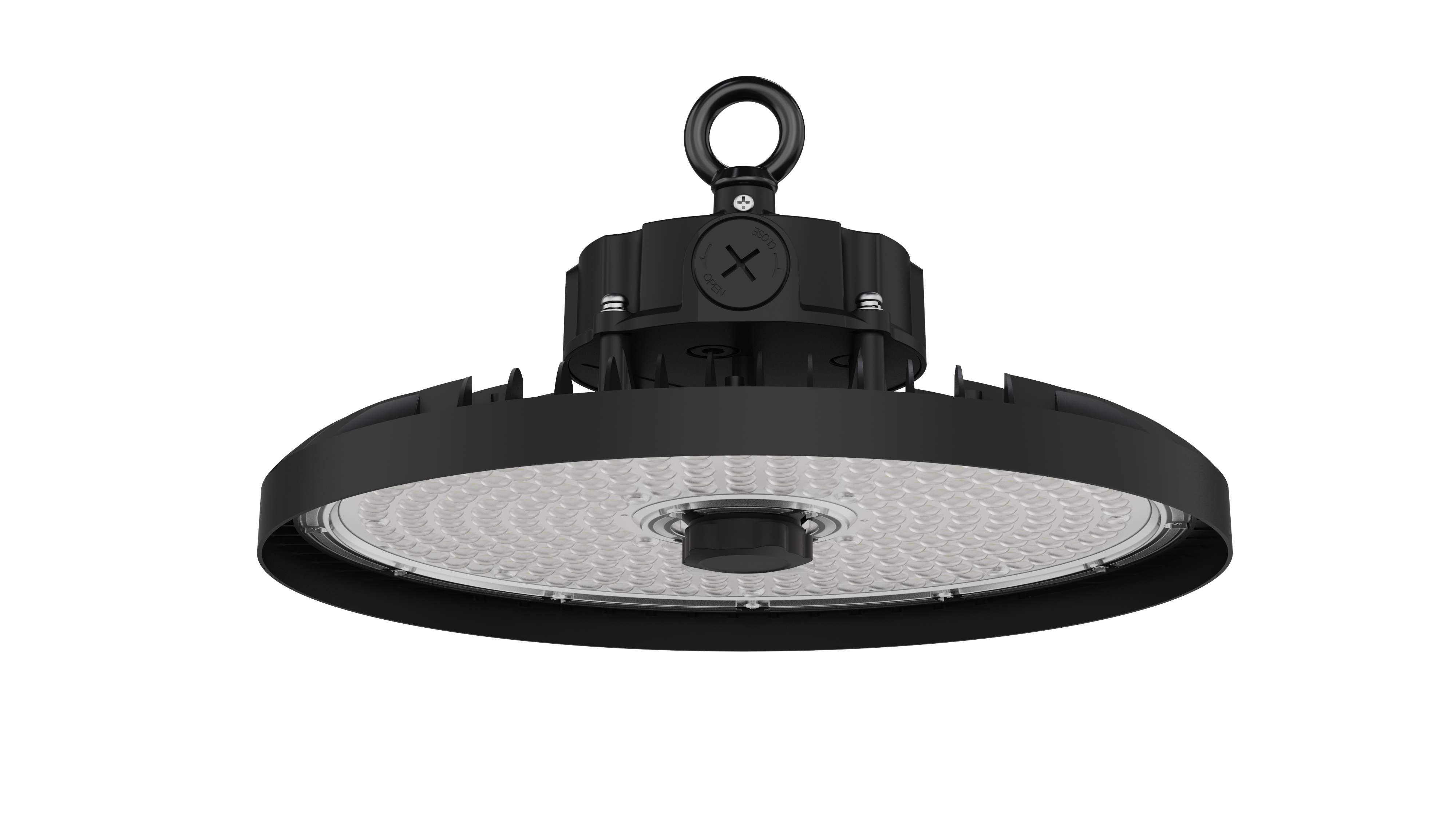
Industrial high bay lighting is a specialized lighting solution engineered for spaces with ceiling heights typically ranging from 15 to 45 feet or more. These environments include warehouses, manufacturing plants, distribution centers, gymnasiums, hangars, and large retail spaces where standard lighting simply cannot deliver the intensity or coverage required for safe and productive operations. Industrial high bay lighting serves as the backbone of visibility in these demanding settings, ensuring workers can perform tasks accurately, machinery can be operated safely, and inventory can be managed efficiently. At its core, industrial high bay lighting is designed to project powerful, uniform light downward across wide floor areas from significant heights. Modern versions predominantly use LED technology, which has largely replaced older metal halide, high-pressure sodium, and fluorescent fixtures due to its superior energy efficiency, longer lifespan, and better light quality. LED-based industrial high bay lighting delivers high lumen output while consuming considerably less wattage, translating directly into lower electricity bills and reduced maintenance costs. From a technological standpoint, industrial high bay lighting incorporates several advanced features. Many units offer a high Color Rendering Index (CRI), typically above 80, which means colors and details appear more natural and accurate under the light. This is critical in manufacturing and quality control environments where visual precision matters. Beam angle options allow facility managers to choose between narrow, focused beams for tall ceilings and wider distributions for broader coverage at lower mounting heights. Smart controls integration is another defining feature of contemporary industrial high bay lighting. Dimming capabilities, occupancy sensors, and daylight harvesting systems can be incorporated to further reduce energy consumption during off-peak hours or when natural light is sufficient. Some systems connect to building management platforms, enabling centralized monitoring and scheduling. Industrial high bay lighting also meets rigorous safety and durability standards. Many fixtures carry IP65 or higher ratings, making them resistant to dust and moisture, which is essential in harsh industrial environments. Thermal management systems within the fixtures prevent overheating, extending operational life well beyond 50,000 hours in many cases. Whether retrofitting an existing facility or outfitting a new construction project, industrial high bay lighting offers a scalable, reliable, and cost-effective solution that meets the complex demands of modern industrial and commercial operations.


New Product Releases

Switching to industrial high bay lighting brings a set of real, measurable benefits that directly impact your bottom line and the day-to-day experience of everyone working in your facility. Here is a straightforward look at what you gain when you make the upgrade. First, you cut your energy costs significantly. Industrial high bay lighting built on LED technology uses up to 60 percent less electricity than older metal halide or high-pressure sodium systems. In a large warehouse or manufacturing plant running lights for 16 or more hours a day, that reduction adds up to thousands of dollars saved every year. The savings are not theoretical. They show up on your utility bill every single month. Second, you spend far less time and money on maintenance. Traditional high-intensity discharge lamps burn out frequently and require costly replacements, often involving lift equipment to reach high ceilings. Industrial high bay lighting with LED technology lasts 50,000 hours or more, which means you replace fixtures far less often. Fewer replacements mean lower labor costs, less downtime, and fewer disruptions to your operations. Third, your workers see better. Good lighting is not just about brightness. It is about clarity and consistency. Industrial high bay lighting delivers uniform illumination across your entire floor space, eliminating dark spots and harsh shadows that cause eye strain and increase the risk of accidents. When your team can see clearly, they work faster, make fewer errors, and stay safer. Fourth, the lights turn on instantly. Unlike metal halide lamps that take several minutes to warm up and reach full brightness, industrial high bay lighting powered by LED technology reaches full output the moment you flip the switch. This matters in facilities where lights are cycled on and off throughout the day, and it is essential in emergency situations where immediate visibility is critical. Fifth, you gain control over your lighting environment. Modern industrial high bay lighting systems support dimming, motion sensing, and scheduling. You can program lights to dim automatically when a section of your warehouse is unoccupied, or ramp up brightness during shift changes. These controls give you the flexibility to match your lighting output to your actual operational needs, squeezing even more savings out of an already efficient system. Sixth, industrial high bay lighting performs reliably in tough conditions. Facilities dealing with dust, humidity, temperature swings, or chemical exposure need fixtures that hold up. Quality industrial high bay lighting is built with robust housings, sealed against contaminants, and tested to operate across a wide temperature range. You get consistent performance regardless of what your environment throws at it. Seventh, upgrading to industrial high bay lighting can improve your sustainability profile. Lower energy consumption means a smaller carbon footprint, which matters to customers, partners, and regulators increasingly focused on environmental responsibility. Many facilities also qualify for utility rebates when they install energy-efficient industrial high bay lighting, which helps offset the upfront investment and shortens the payback period. In short, industrial high bay lighting delivers better light, lower costs, longer life, and greater control. It is a practical upgrade that pays for itself and keeps delivering value for years.

Tips And Tricks

How Can Indoor Lighting Influence Mood and Visual Experience at Home?

15

Apr

How Can Indoor Lighting Influence Mood and Visual Experience at Home?

The relationship between indoor lighting and human psychology has become increasingly recognized as a fundamental aspect of home design that directly impacts our daily well-being. The quality, intensity, and color temperature of indoor lighting syste...
View More
What Are the Advantages of T8 LED Tube for Large Lighting Retrofit Projects?

28

Apr

What Are the Advantages of T8 LED Tube for Large Lighting Retrofit Projects?

Large-scale lighting retrofit projects present unique challenges that require careful consideration of multiple factors, from energy efficiency and maintenance costs to installation complexity and long-term performance. When facility managers and lig...
View More
How Can Grille Light Support Efficient Lighting Layouts in Buildings?

01

May

How Can Grille Light Support Efficient Lighting Layouts in Buildings?

Efficient lighting layouts in modern buildings require careful consideration of both functional illumination and energy performance, and grille light fixtures have emerged as a cornerstone solution for architects and facility managers seeking optimal...
View More
How Does LED Bulb Brightness Compare with Conventional Bulbs?

13

May

How Does LED Bulb Brightness Compare with Conventional Bulbs?

Understanding LED bulb brightness in relation to conventional lighting technologies remains a critical consideration for facility managers, procurement specialists, and industrial operations planning lighting upgrades or retrofits. The transition fro...
View More

Get a Free Quote

Our representative will contact you soon.
Email
Name
Company Name
Message
0/1000

industrial high bay lighting

Unmatched Energy Efficiency That Drives Down Operating Costs

Unmatched Energy Efficiency That Drives Down Operating Costs

One of the most compelling reasons facility managers and business owners choose industrial high bay lighting is the dramatic reduction in energy consumption it delivers. In large industrial and commercial spaces, lighting accounts for a substantial portion of total electricity usage. When you are running dozens or even hundreds of fixtures across a sprawling warehouse floor, manufacturing plant, or distribution center, the wattage adds up fast. Industrial high bay lighting built on modern LED technology addresses this challenge head-on by delivering the same or greater lumen output as legacy systems while drawing a fraction of the power. To put this in concrete terms, a traditional 400-watt metal halide fixture can be replaced by an LED-based industrial high bay lighting unit drawing as little as 150 to 200 watts, while actually producing more usable light on the work surface below. That is a reduction of 50 to 60 percent in energy consumption per fixture. Multiply that across an entire facility operating two or three shifts a day, and the annual savings in electricity costs can reach tens of thousands of dollars. Beyond the direct energy savings, industrial high bay lighting also reduces the heat load inside your facility. Metal halide and high-pressure sodium lamps generate significant heat as a byproduct of their operation. In summer months, this additional heat forces your HVAC system to work harder, adding to your cooling costs. LED-based industrial high bay lighting produces far less heat, easing the burden on your climate control systems and contributing to additional indirect savings. The efficiency advantage extends to the lifespan of the fixtures themselves. Industrial high bay lighting using LED technology routinely achieves operational lifespans of 50,000 to 100,000 hours. Compared to metal halide lamps that typically last 10,000 to 20,000 hours, this means dramatically fewer replacements over the life of your facility. Each replacement in a high-ceiling environment requires scheduling maintenance crews, deploying lift equipment, and sourcing replacement parts, all of which carry real costs in labor, equipment rental, and lost productivity. By extending the interval between replacements, industrial high bay lighting reduces these maintenance burdens substantially. Many facilities that upgrade to industrial high bay lighting also qualify for utility rebate programs offered by energy providers seeking to reduce peak demand on the grid. These rebates can offset a meaningful portion of the upfront installation cost, improving the return on investment and shortening the payback period. When you factor in energy savings, reduced maintenance costs, lower cooling loads, and available rebates, industrial high bay lighting consistently delivers a payback period of two to four years, followed by years of pure cost savings. For any business operating a large facility, this level of financial performance makes industrial high bay lighting one of the highest-return infrastructure investments available.
Superior Light Quality That Enhances Safety and Productivity

Superior Light Quality That Enhances Safety and Productivity

The quality of light in an industrial or commercial facility has a direct and measurable impact on the people working in it. Poor lighting contributes to eye fatigue, increases error rates, slows task completion, and raises the risk of accidents. Industrial high bay lighting is engineered specifically to address these challenges by delivering high-quality, consistent illumination across large floor areas from significant mounting heights. One of the key metrics that defines light quality is the Color Rendering Index, or CRI. This value measures how accurately a light source renders the colors of objects compared to natural daylight, on a scale from 0 to 100. Industrial high bay lighting typically achieves CRI values of 80 or above, with premium options reaching 90 or higher. In practical terms, this means that workers can distinguish between similar colors more easily, read labels and markings accurately, and identify defects or quality issues in products with greater confidence. In manufacturing, assembly, and quality control environments, this level of visual accuracy is not a luxury. It is a operational necessity. Uniformity of illumination is another area where industrial high bay lighting excels. Older lighting systems often create uneven light distribution, with bright spots directly beneath fixtures and darker zones in between. These variations force workers to constantly adjust their eyes as they move through the space, contributing to fatigue and reducing situational awareness. Industrial high bay lighting is designed with optics that distribute light evenly across the floor plane, maintaining consistent foot-candle levels throughout the work area. This uniformity makes the entire space safer and more comfortable to work in over the course of a full shift. Flicker is a subtle but significant factor in workplace lighting quality. Many older fluorescent and discharge lamp systems produce imperceptible flicker that nonetheless causes headaches, eye strain, and reduced concentration over time. Industrial high bay lighting using quality LED drivers operates at frequencies that eliminate visible and subvisible flicker entirely, creating a stable light environment that supports sustained focus and reduces fatigue. Instant-on capability is another practical quality advantage of industrial high bay lighting. In facilities where lights are switched on and off throughout the day, or where motion-activated controls are used, the ability to reach full brightness immediately is essential. Workers entering a dark area need full visibility right away, not after a two-minute warm-up period. Industrial high bay lighting delivers full output the instant power is applied, supporting both safety and operational efficiency. The combination of high CRI, uniform distribution, flicker-free operation, and instant-on performance makes industrial high bay lighting a genuine upgrade in light quality that workers notice and appreciate from day one.
Built to Last in the Toughest Industrial Environments

Built to Last in the Toughest Industrial Environments

Industrial facilities are not gentle environments. They expose lighting fixtures to a constant barrage of challenges including dust, moisture, vibration, temperature extremes, chemical vapors, and physical impact. Lighting systems that cannot withstand these conditions fail prematurely, creating maintenance headaches, unexpected costs, and potential safety hazards. Industrial high bay lighting is purpose-built to thrive in exactly these conditions, combining robust physical construction with advanced thermal management and rigorous certification standards. The housing and optical components of quality industrial high bay lighting are engineered from materials selected for durability rather than cost minimization. Die-cast aluminum housings dissipate heat effectively while providing structural rigidity that resists deformation under mechanical stress. Polycarbonate or tempered glass lenses protect the LED arrays from impact and contamination while maintaining optical clarity over years of continuous operation. These material choices reflect a design philosophy centered on long-term reliability rather than short-term price competitiveness. Ingress protection ratings are a critical specification for industrial high bay lighting deployed in challenging environments. The IP rating system classifies a fixture's resistance to solid particles and liquids. An IP65-rated industrial high bay lighting fixture is fully dust-tight and protected against water jets from any direction, making it suitable for washdown areas, food processing facilities, and outdoor covered spaces. Higher ratings such as IP66 and IP67 provide even greater protection for the most demanding applications. Selecting industrial high bay lighting with the appropriate IP rating for your specific environment ensures that the fixtures perform reliably throughout their rated lifespan without premature degradation. Thermal management is one of the most important engineering challenges in industrial high bay lighting design. LED components are sensitive to heat, and sustained high temperatures accelerate lumen depreciation and shorten operational life. Premium industrial high bay lighting addresses this through carefully designed heat sink geometries, thermally conductive materials, and in some cases active cooling systems that maintain LED junction temperatures within optimal operating ranges even in hot ambient conditions. Effective thermal management is what allows quality industrial high bay lighting to deliver its rated 50,000-plus hour lifespan in real-world industrial environments rather than only in controlled laboratory conditions. Vibration resistance is another durability consideration that is often overlooked until it becomes a problem. In facilities with heavy machinery, forklifts, or overhead cranes, constant vibration can loosen connections and stress components in poorly designed fixtures. Industrial high bay lighting built for these environments incorporates vibration-dampening mounting systems and solid-state construction that eliminates the fragile filaments and arc tubes found in traditional lamps. The result is a lighting system that maintains reliable performance even in high-vibration settings. When you invest in industrial high bay lighting designed and certified for tough industrial conditions, you are investing in a system that will deliver consistent, high-quality illumination for years without demanding constant attention or generating unexpected replacement costs.

Get a Free Quote

Our representative will contact you soon.
Email
Name
Company Name
Message
0/1000