led bulkhead
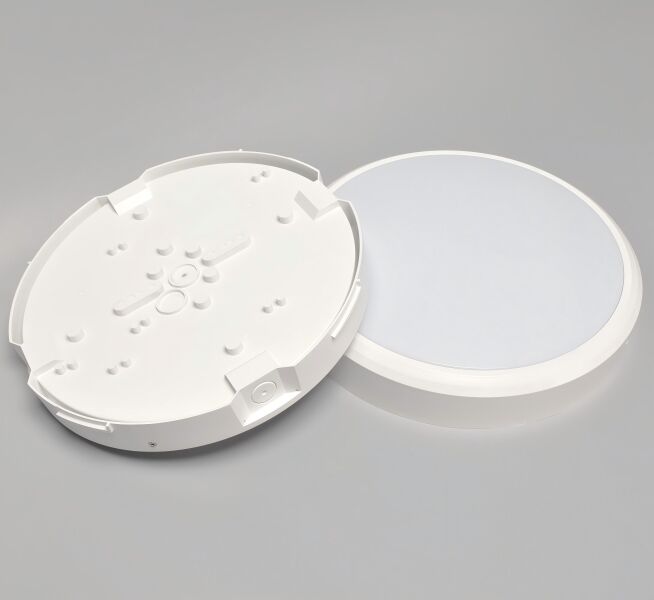
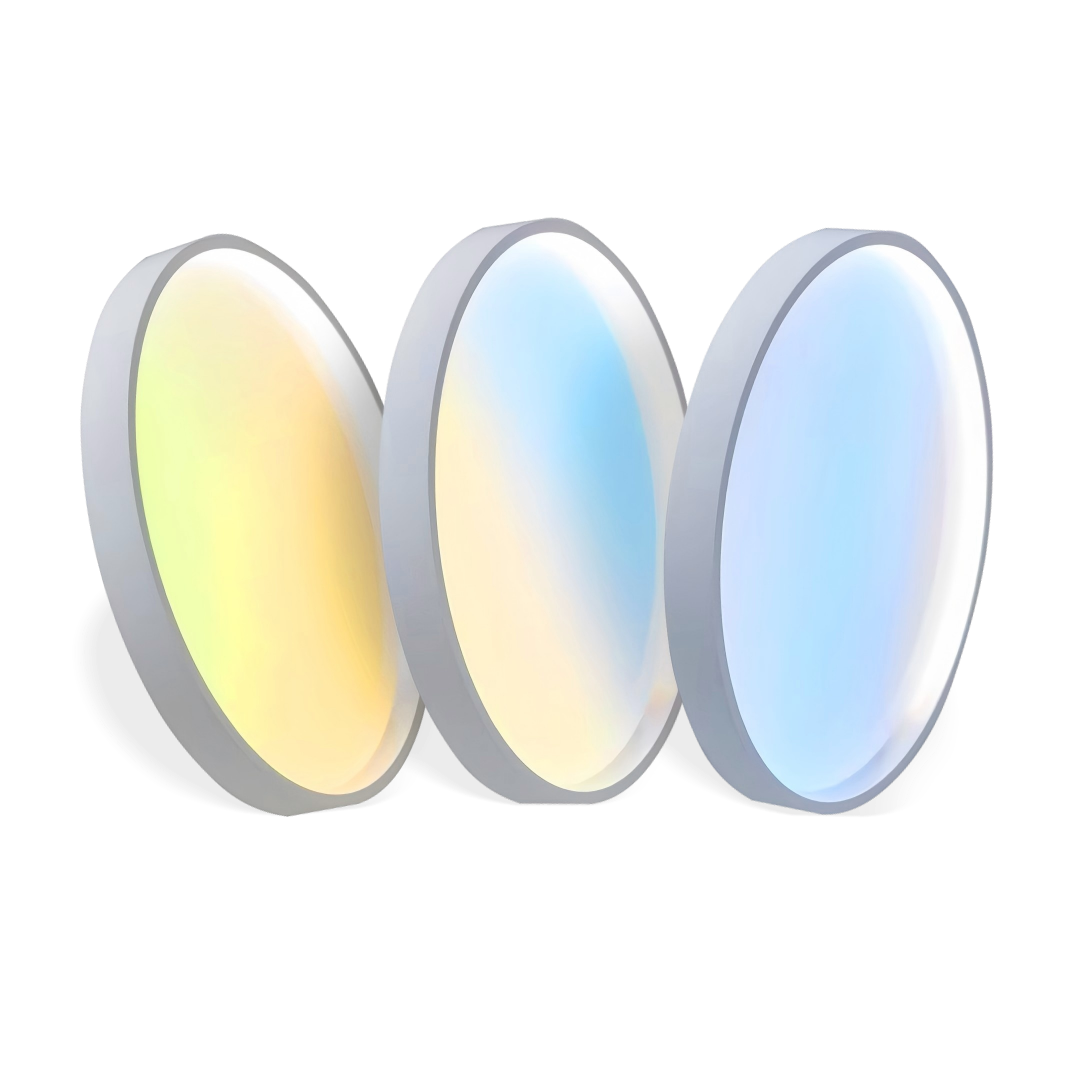
The LED bulkhead is a robust and versatile lighting fixture designed to deliver reliable, energy-efficient illumination across a wide range of environments. Originally developed for use in demanding industrial and commercial settings, the LED bulkhead has evolved into one of the most practical and widely adopted lighting solutions available today. Its sealed, impact-resistant housing makes it particularly well-suited for locations where conventional light fittings would struggle to perform, including car parks, stairwells, corridors, utility rooms, warehouses, and outdoor covered areas. The core function of the LED bulkhead is straightforward: to provide consistent, high-quality light output while withstanding exposure to dust, moisture, and physical impact. This is achieved through a combination of advanced LED technology and a durable polycarbonate or die-cast housing that meets stringent IP and IK ratings. Most LED bulkhead units carry an IP65 rating or higher, meaning they are fully protected against dust ingress and low-pressure water jets, making them suitable for both indoor and outdoor installation. From a technological standpoint, the LED bulkhead incorporates high-efficiency LED chips that convert electrical energy into light with minimal heat loss. This results in a significantly lower energy consumption compared to traditional fluorescent or incandescent bulkhead fittings. Many modern LED bulkhead models also integrate smart features such as microwave motion sensors, emergency backup modules, and daylight-linked dimming controls, further enhancing their functionality and energy-saving potential. The LED bulkhead is available in a variety of lumen outputs, color temperatures, and form factors, allowing specifiers and installers to select the most appropriate unit for each application. Whether the requirement is for a compact 8W fitting in a residential hallway or a high-output 40W unit in a commercial loading bay, the LED bulkhead offers a scalable solution. Its long operational lifespan, typically exceeding 50,000 hours, reduces maintenance frequency and total cost of ownership, making it a sound investment for both new builds and retrofit projects.

 EN
EN