Microwave Sensor Tri-Proof Light: Smart, Durable, Energy-Efficient Industrial Lighting

Get a Free Quote

Our representative will contact you soon.
Email
Name
Company Name
Message
0/1000

microwave sensor tri-proof

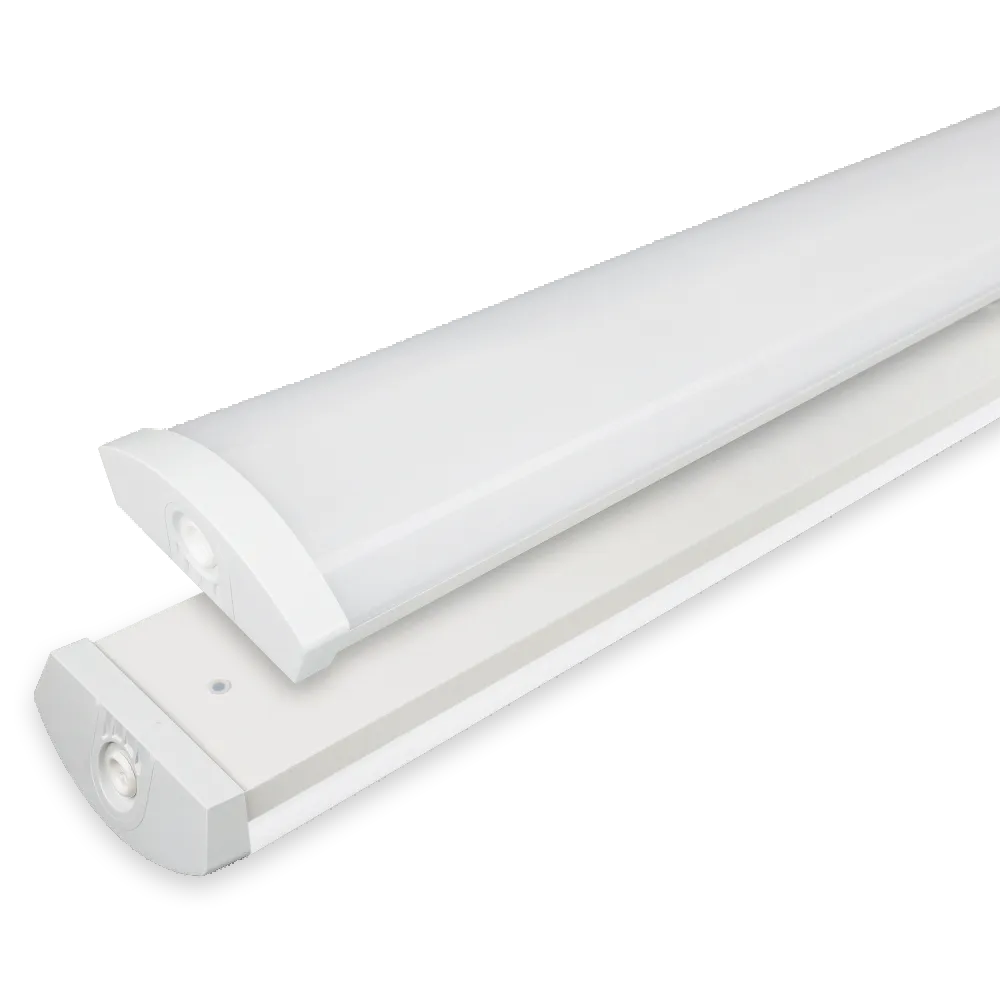
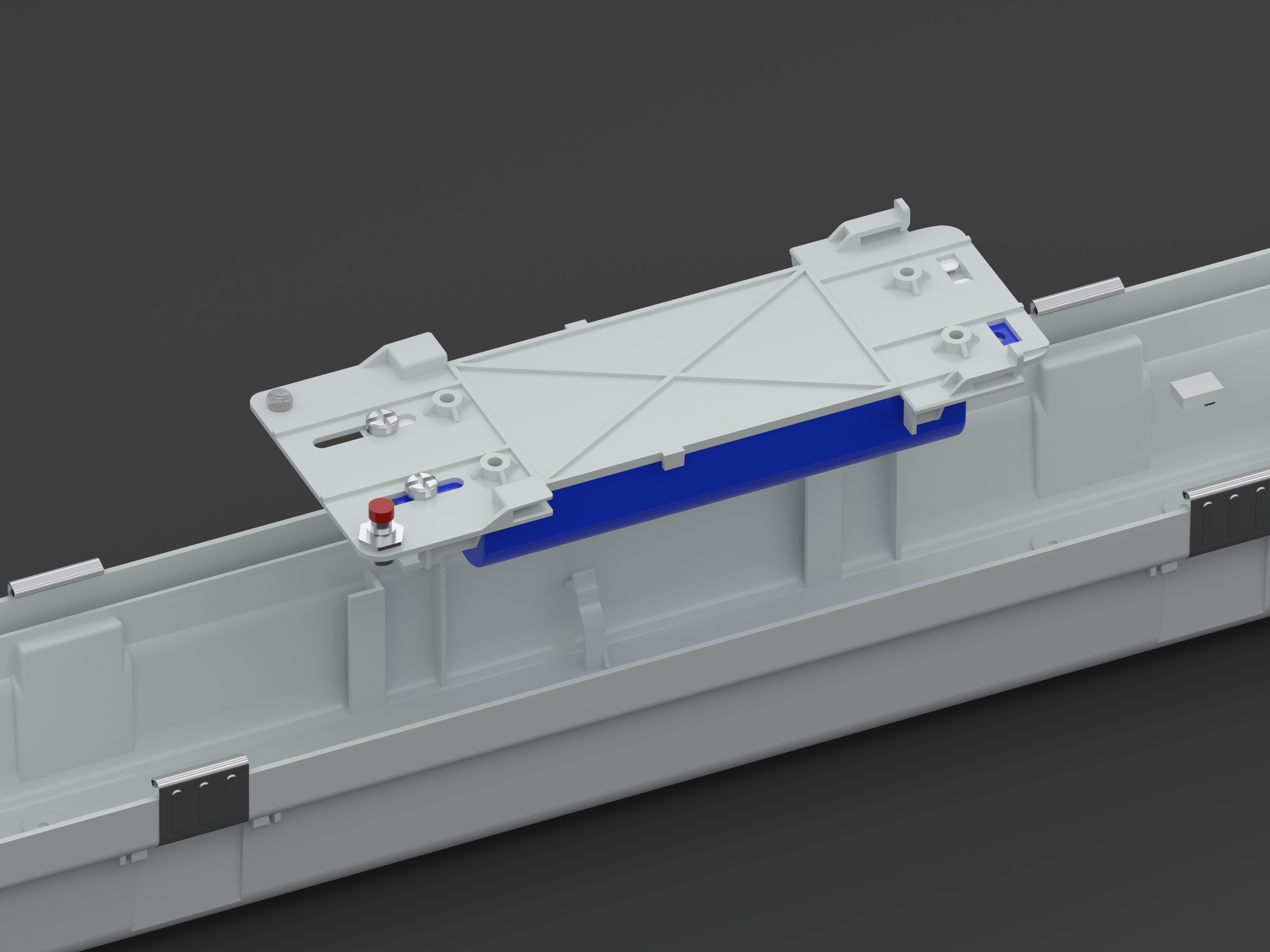
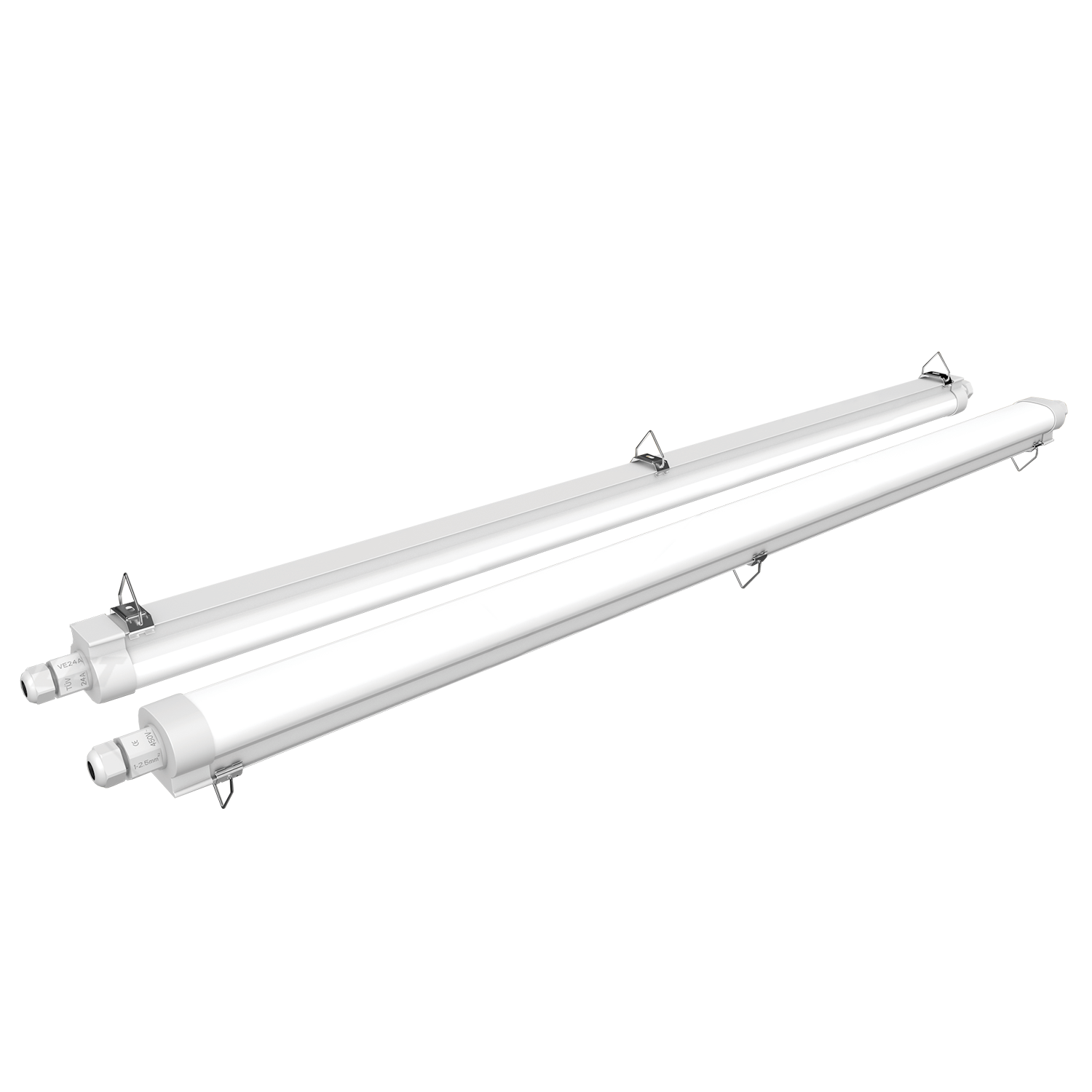
The microwave sensor tri-proof light represents a significant leap forward in industrial and commercial lighting technology. Combining the rugged durability of tri-proof design with the intelligent responsiveness of microwave sensing, this product delivers a lighting solution that is both resilient and energy-efficient. Tri-proof refers to the three core protective qualities of the fixture: waterproof, dustproof, and corrosion-proof. These properties make the microwave sensor tri-proof light an ideal choice for environments where standard lighting simply cannot survive long-term. The microwave sensor tri-proof uses high-frequency microwave signals to detect motion and occupancy within a defined range. Unlike passive infrared sensors that rely on body heat, microwave technology penetrates non-metallic materials and detects movement through walls, partitions, and other obstacles. This gives the microwave sensor tri-proof a distinct advantage in complex spatial layouts where line-of-sight detection would be insufficient. The fixture automatically switches on when motion is detected and powers down after a set period of inactivity, dramatically reducing energy consumption without requiring manual intervention. From a technological standpoint, the microwave sensor tri-proof integrates a sealed LED light source with an IP65 or higher ingress protection rating, ensuring reliable performance in wet, dusty, and chemically aggressive environments. The housing is typically constructed from high-impact polycarbonate or aluminum alloy, offering structural integrity under mechanical stress. The microwave sensor module is embedded within the fixture, protected from environmental exposure while maintaining full sensing capability. Applications for the microwave sensor tri-proof span a wide range of industries. It is commonly deployed in warehouses, cold storage facilities, parking garages, tunnels, food processing plants, pharmaceutical manufacturing floors, and outdoor covered walkways. Any location that demands consistent illumination under harsh conditions while also benefiting from automated control is a prime candidate for the microwave sensor tri-proof. Its combination of protection, intelligence, and efficiency makes it one of the most versatile lighting products available in the market today.

Popular Products

The microwave sensor tri-proof light gives you real, measurable benefits from the moment it is installed. Here is a straightforward look at what makes it stand out and why it matters to you as a buyer or facility manager. First, it saves energy automatically. The microwave sensor tri-proof turns on when someone enters the space and turns off when the area is empty. You do not need to rely on people remembering to switch off lights. In large facilities like warehouses or parking structures, lights are often left on for hours in unoccupied zones. The microwave sensor tri-proof eliminates that waste entirely. Studies consistently show that motion-activated lighting can cut lighting energy use by 30 to 70 percent depending on the application. That translates directly into lower electricity bills every single month. Second, it works in tough conditions without breaking down. The tri-proof construction means the fixture handles water, dust, and corrosive substances without degrading. If you manage a food processing plant, a cold storage room, or an outdoor loading dock, you know how quickly standard lights fail in those environments. The microwave sensor tri-proof is built to last in exactly those places. You spend less time replacing fixtures and less money on maintenance crews. Third, the microwave sensing technology is more reliable than older sensor types. Traditional infrared sensors can miss people who are not moving much or who are blocked by shelving and equipment. The microwave sensor tri-proof detects movement through non-metallic barriers, so it responds accurately even in complex layouts. Workers do not walk into dark areas waiting for lights to catch up. The sensor reacts fast and covers a wide detection zone. Fourth, installation is straightforward. The microwave sensor tri-proof fits into standard industrial mounting configurations. You do not need specialized contractors or complex wiring setups. Most facilities can retrofit existing fixtures with the microwave sensor tri-proof without major structural changes, which keeps your upfront costs manageable. Fifth, it supports your sustainability goals. Businesses today face growing pressure to reduce their carbon footprint. Switching to the microwave sensor tri-proof is a concrete step toward lower emissions. The combination of LED efficiency and automatic occupancy control means your facility uses only the energy it actually needs. This is a point you can communicate clearly to stakeholders, clients, and regulatory bodies. Sixth, the long lifespan of the microwave sensor tri-proof reduces total cost of ownership. LED sources in these fixtures typically last 50,000 hours or more. Pair that with a sealed housing that resists environmental damage, and you have a product that delivers value for years without significant intervention. When you calculate the cost over a five or ten year period, the microwave sensor tri-proof consistently outperforms conventional alternatives. In summary, the microwave sensor tri-proof is a practical investment that pays back through energy savings, reduced maintenance, reliable performance, and alignment with modern sustainability standards. It is not just a light. It is a smarter way to manage your facility.

Practical Tips

How Can T8 LED Tube Provide Long Lifespan in Continuous Lighting Use?

24

Mar

How Can T8 LED Tube Provide Long Lifespan in Continuous Lighting Use?

T8 LED tubes have revolutionized commercial and industrial lighting by offering exceptional longevity even under demanding continuous operation conditions. Unlike traditional fluorescent tubes that degrade rapidly when left on for extended periods, m...
View More
How Do Modern Buildings Optimize Performance with Commercial Lighting?

21

Apr

How Do Modern Buildings Optimize Performance with Commercial Lighting?

Modern buildings are increasingly sophisticated in their approach to performance optimization, with commercial lighting serving as a critical component in achieving energy efficiency, occupant comfort, and operational cost reduction. The strategic im...
View More
What Are the Advantages of T8 LED Tube for Large Lighting Retrofit Projects?

28

Apr

What Are the Advantages of T8 LED Tube for Large Lighting Retrofit Projects?

Large-scale lighting retrofit projects present unique challenges that require careful consideration of multiple factors, from energy efficiency and maintenance costs to installation complexity and long-term performance. When facility managers and lig...
View More
Why Is LED Batten Ideal for Simple and Efficient Lighting Solutions?

27

May

Why Is LED Batten Ideal for Simple and Efficient Lighting Solutions?

Modern commercial and industrial environments demand lighting solutions that combine simplicity with performance, and LED batten fixtures have emerged as a leading choice for spaces requiring straightforward yet effective illumination. These linear l...
View More

Get a Free Quote

Our representative will contact you soon.
Email
Name
Company Name
Message
0/1000

microwave sensor tri-proof

Intelligent Microwave Detection That Never Misses a Movement

Intelligent Microwave Detection That Never Misses a Movement

One of the most compelling reasons to choose the microwave sensor tri-proof over competing products is the quality and reliability of its sensing technology. Traditional lighting sensors, particularly passive infrared models, operate by detecting changes in heat signatures within their field of view. This approach has well-documented limitations. If a person is seated and relatively still, a passive infrared sensor may fail to register their presence and switch off the lights. If shelving units, machinery, or partitions block the direct line between the sensor and the person, the sensor simply does not respond. In busy industrial environments, these failures are not minor inconveniences. They are genuine safety and productivity issues. The microwave sensor tri-proof solves this problem at the root level by using high-frequency microwave signals that actively scan the surrounding space. These signals bounce off moving objects and return to the sensor, which analyzes the frequency shift to determine whether motion is present. Because microwave energy passes through non-metallic materials, the microwave sensor tri-proof can detect a person moving behind a row of shelving, through a thin partition wall, or around a corner. The detection zone is wide and consistent, covering areas that passive infrared sensors would leave unmonitored. This means workers always have light when they need it, without delays or dark zones. The sensitivity and detection range of the microwave sensor tri-proof are also adjustable in most models, allowing facility managers to fine-tune the system to match the specific dimensions and usage patterns of each space. A narrow corridor requires different settings than an open warehouse floor, and the microwave sensor tri-proof accommodates both. The time delay before the light switches off after motion ceases is also configurable, preventing unnecessary cycling in areas with intermittent traffic. Beyond the practical performance benefits, the reliability of the microwave sensor tri-proof contributes to workplace safety compliance. Many industrial environments are subject to regulations that require adequate lighting in occupied areas. A sensor that consistently and accurately detects occupancy ensures that lighting standards are met without requiring constant manual oversight. Facility managers can trust the microwave sensor tri-proof to perform its function correctly, day after day, in conditions that would challenge lesser products. The intelligence built into the microwave sensor tri-proof is not a gimmick. It is a carefully engineered capability that delivers tangible value in real-world applications, making it the preferred choice for professionals who need dependable automated lighting control.
Triple Protection Built for the Harshest Industrial Environments

Triple Protection Built for the Harshest Industrial Environments

The tri-proof designation of the microwave sensor tri-proof is not a marketing label. It describes a specific set of engineering standards that determine how the fixture performs when exposed to water, dust, and corrosive agents over an extended period. Understanding what these protections mean in practice helps you appreciate why the microwave sensor tri-proof is the right choice for demanding locations. Waterproof protection in the microwave sensor tri-proof is achieved through sealed gaskets, tight housing tolerances, and an IP65 or higher ingress protection rating. IP65 means the fixture is completely protected against dust ingress and can withstand direct water jets from any direction. Higher-rated versions of the microwave sensor tri-proof carry IP66 or IP67 ratings, meaning they can handle powerful water jets or even temporary submersion. In environments like car washes, food processing facilities, outdoor covered areas, and cold storage rooms where condensation and washdown procedures are routine, this level of waterproofing is not optional. It is essential. Dustproof construction ensures that fine particles, including industrial dust, flour, cement powder, and chemical particulates, cannot enter the fixture housing and compromise the LED driver or sensor components. Dust accumulation inside a light fixture accelerates component degradation and creates fire risks in certain industrial settings. The microwave sensor tri-proof eliminates this vulnerability through its fully sealed design, maintaining performance and safety over the long term. Corrosion resistance is the third pillar of the microwave sensor tri-proof design. The housing materials, typically UV-stabilized polycarbonate or powder-coated aluminum alloy, resist chemical attack from cleaning agents, fertilizers, salt air, and industrial solvents. In coastal installations, agricultural facilities, and chemical plants, corrosion is the primary cause of premature fixture failure. The microwave sensor tri-proof addresses this directly, offering a product that maintains its structural and functional integrity even in chemically aggressive atmospheres. Together, these three layers of protection mean the microwave sensor tri-proof requires far less maintenance than standard fixtures. Replacement cycles are longer, unplanned downtime is reduced, and the total cost of ownership drops significantly. For facility managers responsible for large numbers of fixtures across challenging environments, the microwave sensor tri-proof delivers peace of mind alongside measurable financial savings.

Energy Efficiency That Delivers Measurable Cost Savings Every Month

Energy Efficiency That Delivers Measurable Cost Savings Every Month

Energy costs represent one of the largest controllable expenses in any commercial or industrial facility. Lighting accounts for a substantial portion of that cost, and in many operations, a significant percentage of lighting energy is wasted illuminating empty spaces. The microwave sensor tri-proof directly addresses this inefficiency through its combination of LED technology and intelligent occupancy-based control. The LED light source at the core of the microwave sensor tri-proof is inherently more efficient than fluorescent or high-intensity discharge alternatives. LEDs convert a higher proportion of electrical energy into visible light, generating less heat and consuming fewer watts for the same lumen output. When you replace older fluorescent tri-proof fixtures with the microwave sensor tri-proof, you typically see an immediate reduction in energy consumption of 40 to 60 percent from the lighting source alone. The microwave sensor adds another layer of savings on top of that baseline efficiency. Because the microwave sensor tri-proof only activates when motion is detected, lights in low-traffic areas such as storage rooms, stairwells, restrooms, and secondary corridors spend a large portion of the day in standby or off mode. In a typical warehouse environment, many zones are occupied for only a fraction of the operating day. Without occupancy control, lights in those zones run continuously. With the microwave sensor tri-proof, they run only when needed. The cumulative energy savings across a large facility can be substantial, often justifying the cost of the upgrade within one to two years through electricity bill reductions alone. The microwave sensor tri-proof also contributes to reduced cooling loads in climate-controlled environments. Because LEDs generate significantly less heat than older lamp types, HVAC systems do not need to work as hard to compensate for heat generated by lighting. This secondary energy saving is often overlooked but adds meaningfully to the overall efficiency profile of the microwave sensor tri-proof. For businesses pursuing energy certifications, green building ratings, or corporate sustainability targets, the microwave sensor tri-proof provides documented, quantifiable performance data that supports those goals. The combination of efficient light generation and intelligent demand-based operation makes the microwave sensor tri-proof one of the most cost-effective lighting investments available for industrial and commercial applications today.

Get a Free Quote

Our representative will contact you soon.
Email
Name
Company Name
Message
0/1000