Warehouse High Bay Lighting Solutions - Energy Efficient Industrial LED Lighting Systems

Get a Free Quote

Our representative will contact you soon.
Email
Name
Company Name
Message
0/1000

warehouse high bay lighting

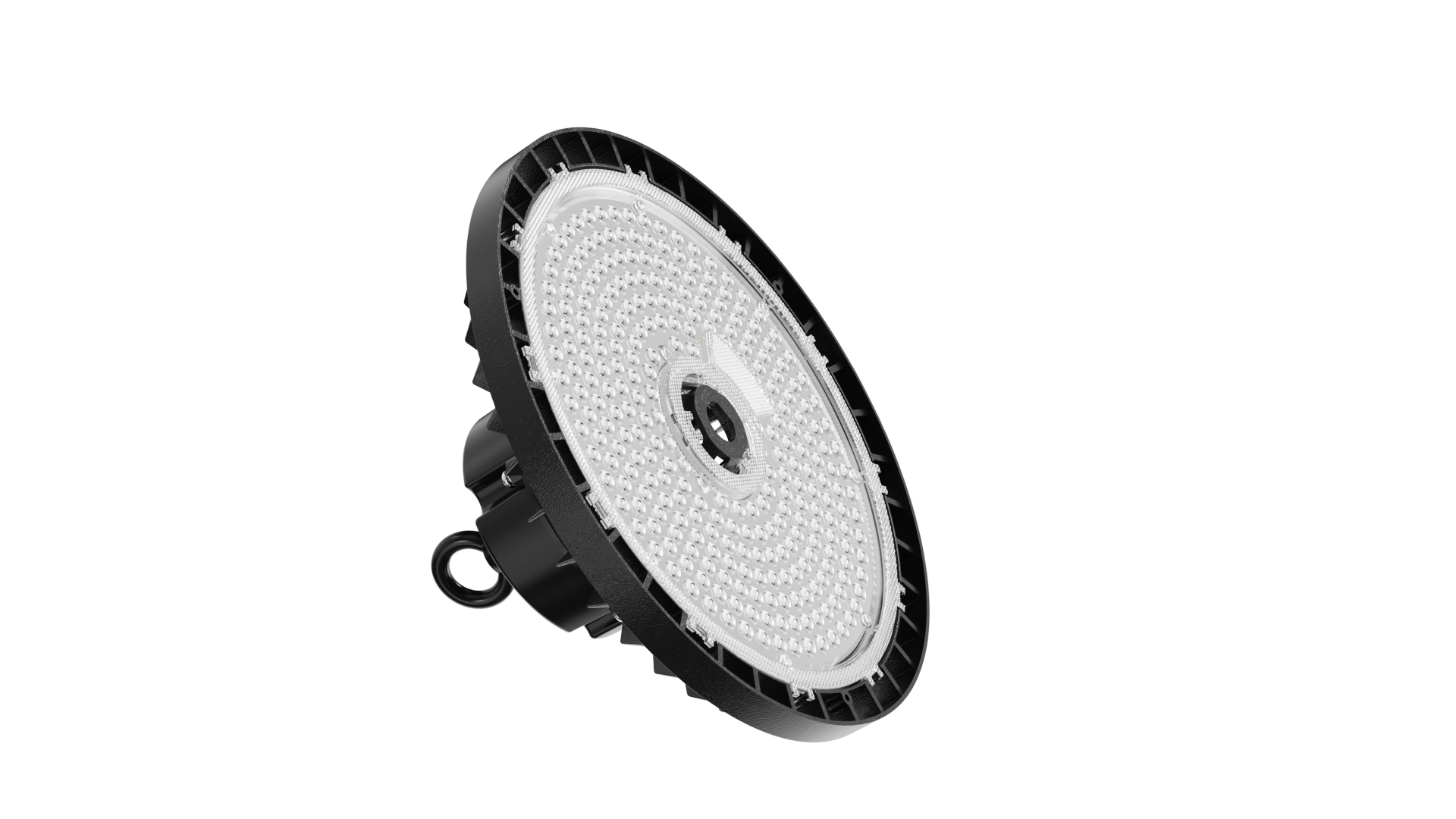
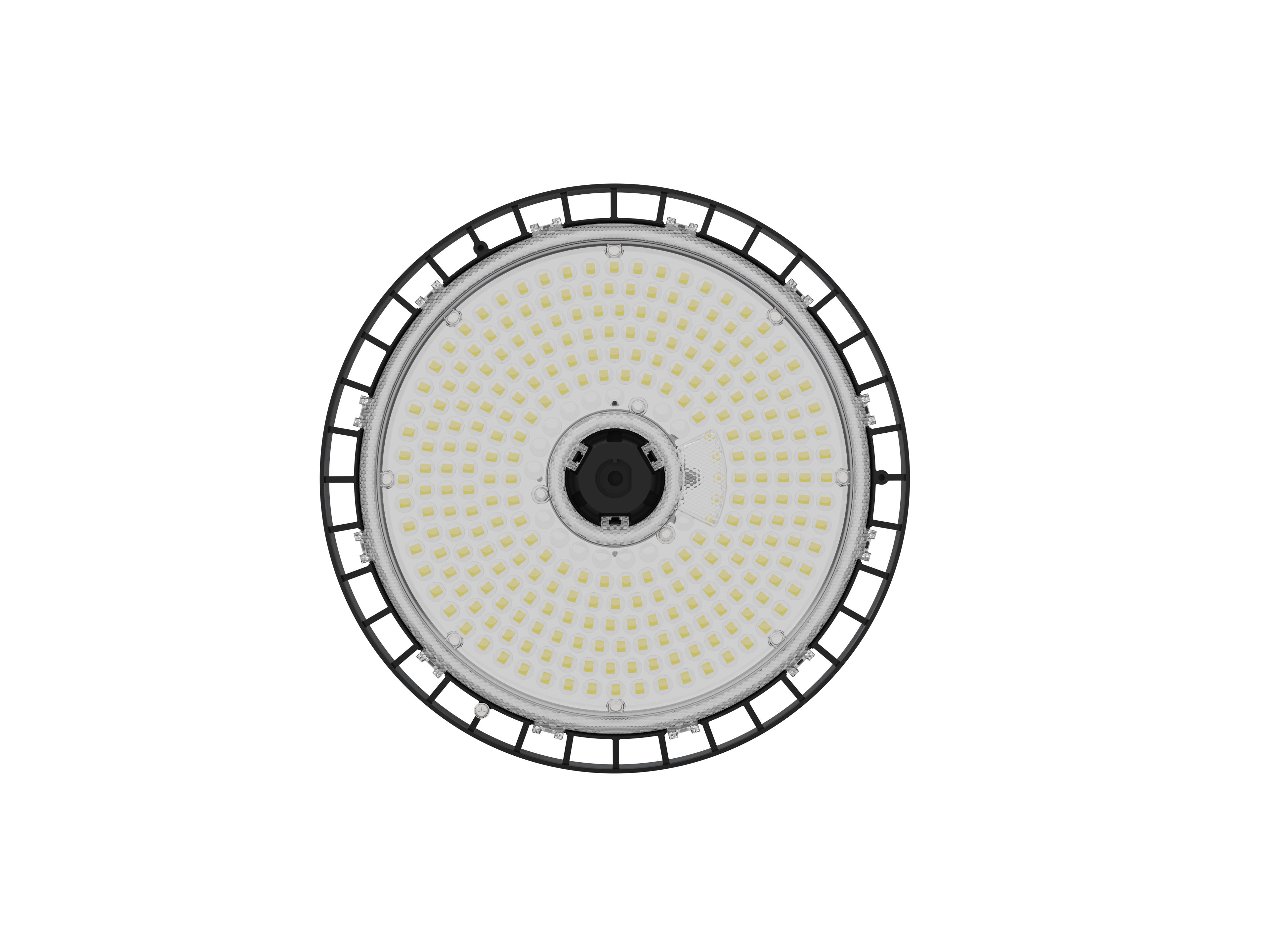
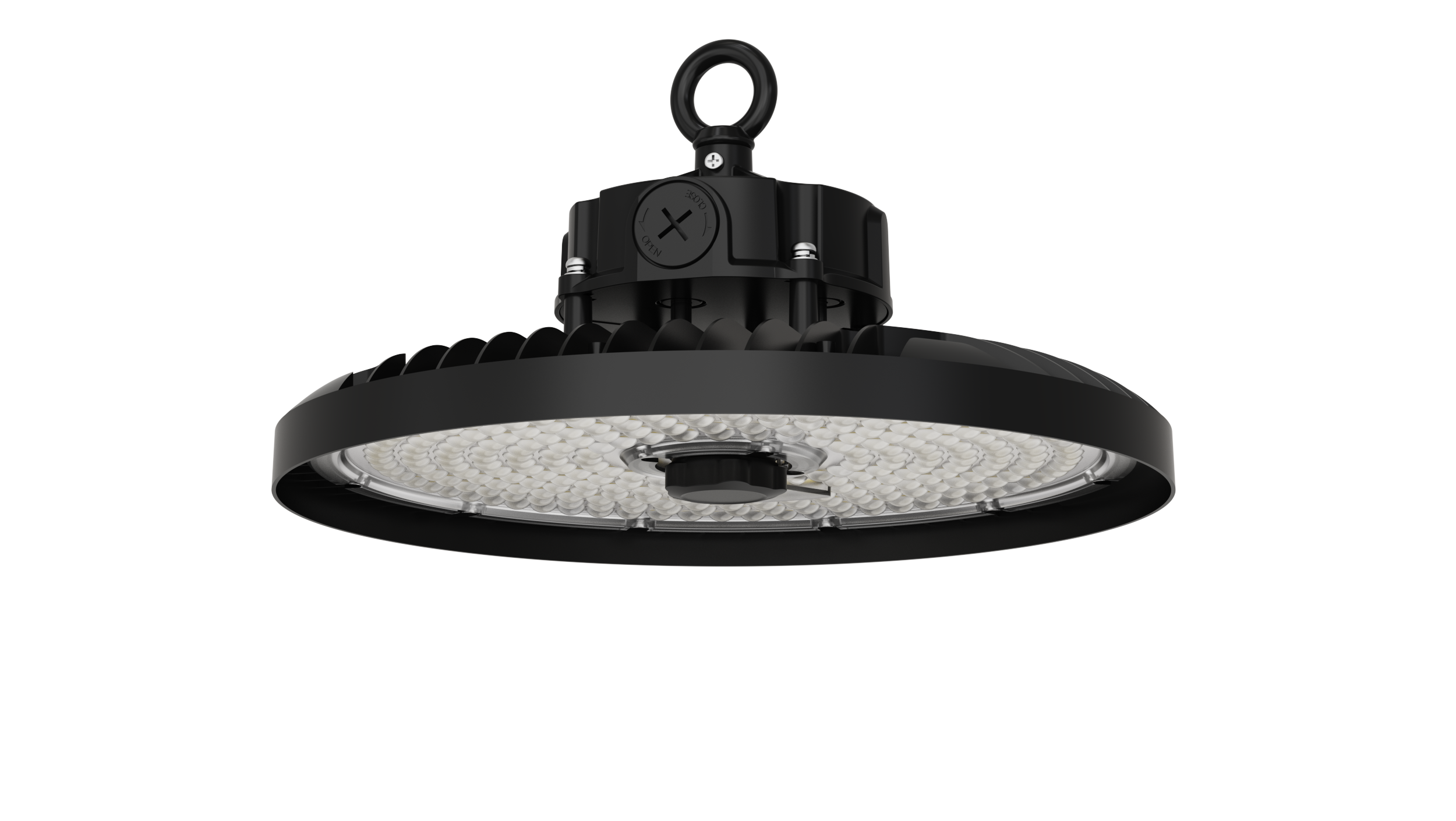
Warehouse high bay lighting represents a specialized illumination solution designed specifically for facilities with elevated ceilings ranging from 20 to 45 feet or higher. These powerful lighting systems serve as the backbone of modern warehouse operations, providing adequate brightness across vast floor spaces where conventional lighting would prove insufficient. The main function of warehouse high bay lighting centers on delivering concentrated, high-intensity illumination from significant heights, ensuring every corner of the storage facility receives proper light coverage for safe and efficient operations. Technological features of these advanced systems include LED technology that produces exceptional lumens per watt ratios, intelligent thermal management systems that dissipate heat effectively, and durable construction using industrial-grade materials resistant to dust, moisture, and temperature fluctuations. Modern warehouse high bay lighting incorporates smart controls, dimming capabilities, and motion sensors that adapt brightness levels based on occupancy and natural light availability. The fixtures typically feature specialized reflectors and lens designs that optimize light distribution patterns, minimizing shadows and dark spots throughout the facility. Applications for warehouse high bay lighting extend beyond traditional storage facilities to include manufacturing plants, distribution centers, logistics hubs, retail superstores, gymnasiums, aircraft hangars, and any large-scale commercial space requiring powerful overhead illumination. These systems accommodate various mounting options including chain suspension, pendant mounting, and direct ceiling attachment to suit different architectural requirements. The color temperature options range from warm whites to cool daylight simulations, allowing facility managers to select appropriate lighting conditions that enhance worker alertness and productivity. Integration capabilities with building management systems enable centralized control and monitoring, while emergency backup features ensure continuous operation during power interruptions. The robust design philosophy behind warehouse high bay lighting accounts for the demanding industrial environment, incorporating vibration resistance, impact protection ratings, and sealed housings that prevent contamination ingress, making these fixtures reliable long-term investments for facility illumination needs.


Popular Products

The implementation of warehouse high bay lighting delivers substantial energy savings that directly impact operational expenses. Facilities transitioning from traditional metal halide or high-pressure sodium fixtures to LED-based warehouse high bay lighting typically experience energy consumption reductions between 50 to 75 percent, translating to significant cost savings over time. This dramatic decrease in power usage not only lowers electricity bills but also reduces the carbon footprint of warehouse operations, supporting corporate sustainability initiatives and environmental responsibility goals. The extended operational lifespan of modern warehouse high bay lighting systems reaches 50,000 to 100,000 hours, dramatically reducing maintenance requirements and associated labor costs. Unlike older technologies requiring frequent bulb replacements that necessitate expensive lift equipment and worker downtime, these durable fixtures operate reliably for years without intervention. Improved visibility stands as another compelling advantage, as warehouse high bay lighting produces bright, uniform illumination that enhances workplace safety by eliminating hazardous shadows and poorly lit zones where accidents commonly occur. Workers can navigate aisles confidently, operate forklifts safely, and perform detailed tasks like inventory checks or quality inspections with greater accuracy. The superior color rendering properties of quality warehouse high bay lighting allow employees to distinguish products, read labels, and identify potential issues more effectively than under the yellow-orange glow of outdated technologies. Instant-on functionality means warehouse high bay lighting reaches full brightness immediately without warm-up periods, enabling facilities to implement motion-sensor controls that activate lights only when areas are occupied, further maximizing energy efficiency. The reduced heat output compared to legacy systems creates more comfortable working conditions and decreases cooling costs in climate-controlled facilities. Warehouse high bay lighting systems operate silently without the buzzing or humming associated with older ballast-driven fixtures, contributing to a more pleasant work environment. The consistent light output throughout the fixture lifespan ensures maintained visibility standards, whereas traditional technologies experience significant lumen depreciation over time, requiring over-illumination initially to compensate for eventual dimming. Flexibility in control options allows facility managers to program lighting schedules, create zone-specific settings, and adjust brightness levels to match specific operational needs or take advantage of available daylight. The quick return on investment, typically achieved within two to four years through energy savings alone, makes warehouse high bay lighting an economically sound upgrade. Enhanced safety compliance helps facilities meet OSHA illumination standards and reduces liability exposure related to workplace injuries. The professional appearance of well-lit facilities positively impacts employee morale, aids in talent recruitment and retention, and impresses clients or partners visiting the location.

Latest News

How Does LED Panel Light Create Uniform and Comfortable Indoor Lighting?

03

Mar

How Does LED Panel Light Create Uniform and Comfortable Indoor Lighting?

Understanding how LED panel light technology creates uniform and comfortable indoor lighting requires examining the sophisticated optical engineering and design principles behind these modern illumination solutions. LED panel lights achieve superior ...
View More
What Are the Best Applications for LED Panel Light in Commercial Interiors?

10

Mar

What Are the Best Applications for LED Panel Light in Commercial Interiors?

Commercial interior spaces demand lighting solutions that combine energy efficiency, uniform illumination, and aesthetic appeal. LED panel light technology has emerged as the preferred choice for modern commercial environments, offering superior perf...
View More
What Factors Affect the Lifespan of a High-Quality LED Bulb?

08

May

What Factors Affect the Lifespan of a High-Quality LED Bulb?

Understanding the LED bulb lifespan is essential for facility managers, procurement specialists, and business owners who seek to optimize lighting investments while reducing operational costs. While manufacturers often advertise impressive longevity ...
View More
Why Is LED Batten Ideal for Simple and Efficient Lighting Solutions?

27

May

Why Is LED Batten Ideal for Simple and Efficient Lighting Solutions?

Modern commercial and industrial environments demand lighting solutions that combine simplicity with performance, and LED batten fixtures have emerged as a leading choice for spaces requiring straightforward yet effective illumination. These linear l...
View More

Get a Free Quote

Our representative will contact you soon.
Email
Name
Company Name
Message
0/1000

warehouse high bay lighting

Revolutionary Energy Efficiency and Cost Reduction

Revolutionary Energy Efficiency and Cost Reduction

Warehouse high bay lighting utilizing advanced LED technology represents a transformative approach to industrial illumination that fundamentally changes the economics of facility operation. The energy efficiency of these systems stems from sophisticated semiconductor technology that converts electrical energy directly into light with minimal waste heat generation, achieving efficacy ratings exceeding 140 lumens per watt in premium fixtures. This stands in stark contrast to metal halide systems that waste approximately 70 percent of input energy as heat rather than visible light. For a typical 200,000 square foot warehouse operating 16 hours daily, replacing 400-watt metal halide fixtures with 150-watt LED warehouse high bay lighting can reduce annual energy consumption by over 400,000 kilowatt-hours, resulting in savings exceeding forty thousand dollars per year at average commercial electricity rates. The financial benefits extend beyond direct energy savings to encompass reduced HVAC costs, as the minimal heat signature of warehouse high bay lighting decreases cooling demands during warmer months. Facilities in regions with demand-charge electricity pricing structures realize additional savings by lowering peak power consumption during operational hours. The precision optics engineered into warehouse high bay lighting maximize useful light delivery to work surfaces while minimizing wasted uplight that contributes nothing to task visibility, ensuring every watt consumed produces tangible illumination value. Intelligent controls integrated with warehouse high bay lighting systems enable sophisticated energy management strategies including daylight harvesting that dims artificial lighting when natural sunlight provides adequate illumination, occupancy sensing that powers down fixtures in temporarily unoccupied zones, and task tuning that calibrates light levels precisely to activity requirements rather than over-illuminating spaces uniformly. These capabilities compound energy savings beyond the inherent efficiency advantages of the LED technology itself. The long-term value proposition of warehouse high bay lighting includes protection against rising electricity costs, as locked-in efficiency gains shield operations from future rate increases that would disproportionately impact facilities using inefficient legacy lighting. Utility rebate programs and tax incentives frequently available for warehouse high bay lighting installations can offset 20 to 40 percent of upfront costs, accelerating payback periods and improving project economics. The environmental impact reduction achieved through warehouse high bay lighting adoption supports corporate social responsibility commitments, potentially qualifying facilities for green building certifications and enhancing brand reputation among environmentally conscious stakeholders.
Unmatched Reliability and Minimal Maintenance Requirements

Unmatched Reliability and Minimal Maintenance Requirements

The exceptional durability and reliability characteristics of warehouse high bay lighting eliminate the recurring maintenance burdens that plague facilities using conventional illumination technologies. Industrial-grade construction standards govern warehouse high bay lighting manufacturing, incorporating heavy-duty aluminum or steel housings with corrosion-resistant finishes, impact-rated polycarbonate or tempered glass lenses, and fully sealed designs achieving IP65 or IP66 ingress protection ratings that prevent dust accumulation and moisture penetration. These robust specifications enable warehouse high bay lighting to withstand harsh industrial environments including temperature extremes, vibration from nearby machinery, and exposure to airborne contaminants without performance degradation. The solid-state electronics within warehouse high bay lighting contain no fragile filaments, electrodes, or glass envelopes susceptible to breakage from shock or vibration, delivering inherent resilience that traditional technologies cannot match. Rated lifespans extending to 100,000 hours mean a single warehouse high bay lighting fixture operating 16 hours daily will function reliably for over 17 years before requiring replacement, compared to metal halide lamps needing replacement every 12 to 18 months. This longevity translates to dramatic reductions in maintenance labor, as facilities avoid the costly and disruptive relamping cycles that consume significant personnel time and require expensive aerial lift equipment for high-ceiling access. The elimination of ballast replacements, a common maintenance requirement with fluorescent and HID systems that fail unpredictably and require specialized disposal due to hazardous materials content, further reduces the total cost of ownership for warehouse high bay lighting. Advanced thermal management systems engineered into quality warehouse high bay lighting designs actively dissipate heat away from critical LED components and driver electronics, maintaining optimal operating temperatures that preserve performance and maximize lifespan even in high-ambient-temperature environments. Surge protection circuitry shields warehouse high bay lighting from voltage spikes and transient events that commonly occur in industrial electrical systems, preventing premature failures that would compromise illumination and require emergency service calls. The consistent light output maintained throughout the operational life of warehouse high bay lighting ensures facilities never experience the gradual dimming characteristic of older technologies that slowly degrades visibility over time, often going unnoticed until illumination falls below safe levels. Warranty coverage extending five to ten years on warehouse high bay lighting demonstrates manufacturer confidence in product reliability and provides facility managers with financial protection against unexpected failures. The reduced maintenance requirements associated with warehouse high bay lighting allow facility teams to redirect resources toward value-adding activities rather than repetitive lamp replacement tasks, improving overall operational efficiency and productivity.
Superior Illumination Quality Enhancing Safety and Productivity

Superior Illumination Quality Enhancing Safety and Productivity

The photometric performance and light quality characteristics of warehouse high bay lighting create working environments that measurably improve both safety outcomes and operational productivity compared to conventional illumination systems. Warehouse high bay lighting delivers high color rendering index values typically exceeding CRI 80 and often reaching CRI 90 or above, enabling accurate color discrimination essential for quality control inspections, inventory management, and product identification tasks. This superior color rendering allows workers to distinguish subtle differences in product appearance, read color-coded labels and safety markings clearly, and identify potential quality issues that might go unnoticed under the distorted color perception caused by low-CRI sources like high-pressure sodium lamps. The crisp, white light produced by warehouse high bay lighting more closely approximates natural daylight than the yellowish or greenish hues of legacy technologies, creating a more visually comfortable environment that reduces eye strain during extended work shifts and supports worker alertness by stimulating circadian rhythm responses associated with daytime conditions. Uniformity ratios achieved through carefully engineered optical systems in warehouse high bay lighting minimize the contrast between bright and dim areas that creates visual adaptation challenges and conceals hazards in shadows, instead providing consistent illumination levels throughout the facility that enhance depth perception and spatial awareness critical for safe forklift operation and pedestrian navigation. The flicker-free operation inherent in quality warehouse high bay lighting with properly designed drivers eliminates the imperceptible but physiologically stressful rapid light fluctuations produced by magnetic ballast systems, reducing headaches, fatigue, and the stroboscopic effects that make moving machinery appear stationary or create disorienting visual illusions. Precise optical control through reflectors and lenses in warehouse high bay lighting maximizes vertical illumination on rack faces and aisle walls where workers frequently interact with inventory, rather than merely illuminating horizontal floor surfaces as many conventional fixtures do, improving visibility for reaching, stocking, and picking operations at all shelf heights. The instant restrike capability of warehouse high bay lighting means facilities experience no interruption to operations following momentary power outages, whereas HID technologies require lengthy cooling and restarting periods during which work must halt or continue under inadequate emergency lighting. Glare control features integrated into warehouse high bay lighting designs prevent the discomforting bright spots and harsh contrast patterns that cause visual discomfort and mask hazards, instead distributing light comfortably across visual fields to support sustained attention and detailed visual tasks. Research demonstrates that improved lighting quality correlates with reduced accident rates, fewer product damage incidents, improved picking accuracy, and measurable productivity gains as workers complete tasks more quickly and with greater precision under optimal illumination conditions provided by warehouse high bay lighting systems.

Get a Free Quote

Our representative will contact you soon.
Email
Name
Company Name
Message
0/1000